Follow-Up Visits After Surgery: Stitches, Test Results, and Recovery Checks

Follow-up visits after surgery are used to check wounds, remove stitches or staples when appropriate, review pathology or imaging results, and monitor recovery. The timing and number of visits depend on the type of surgery, the patient’s health, and whether any concerns arise during healing.
Key Takeaways
- Follow-up visits after surgery are used to check wounds, remove stitches or staples when appropriate, review pathology or imaging results, and monitor recovery.
- The timing and number of visits depend on the type of surgery, the patient’s health, and whether any concerns arise during healing.
- Patients should bring medication lists, discharge papers, questions, and any symptom notes to each appointment.
- Stitches, staples, drains, dressings, and activity restrictions should only be managed according to the surgeon’s instructions.
- New or worsening pain, fever, wound drainage, shortness of breath, calf swelling, or sudden weakness should be reported promptly.
Follow-up visits after surgery help the care team confirm that healing is progressing safely, review test results, manage symptoms, and adjust the recovery plan. These appointments are an important part of postoperative care, even when a patient feels well.
Overview
Follow-up visits after surgery are scheduled appointments with the surgeon or care team after a patient leaves the hospital or surgical center. Their purpose is to make sure healing is on track, answer questions, adjust medications if needed, and identify small problems before they become more difficult to manage. These visits are part of the treatment plan, not an optional extra.
The first follow-up may take place within a few days or a few weeks, depending on the procedure and the patient’s condition. Some operations need close early monitoring, while others require a later visit to remove stitches, review laboratory or pathology results, or decide when normal activities can resume. Patients who have chronic conditions such as diabetes, heart disease, or immune system problems may need more frequent checks.
Even when recovery feels smooth, the appointment can provide reassurance and useful guidance. The care team can confirm that swelling, bruising, tiredness, or mild discomfort are within the expected range. They can also explain what to expect next, including wound care, bathing, exercise, driving, returning to work, and follow-up tests.
What Happens During a Postoperative Visit
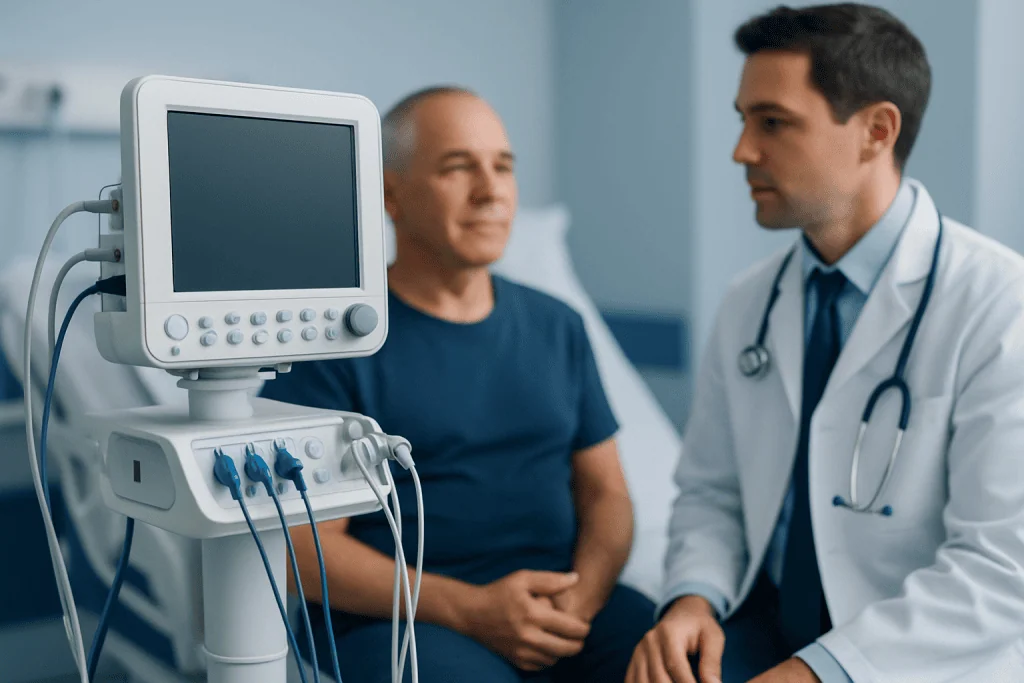
A postoperative visit usually begins with a review of how the patient has been feeling since discharge. The clinician may ask about pain levels, fever, appetite, sleep, bowel and bladder function, mobility, wound changes, and medication side effects. Honest answers help the team decide whether recovery is progressing normally or whether extra support is needed.
The surgical site is typically examined. The doctor or nurse may look for signs of healing, such as closed wound edges, reduced redness, and improving swelling. They may also check dressings, drains, stitches, staples, adhesive strips, or surgical glue. If a drain was placed, the amount and color of fluid may be reviewed before deciding whether it can be removed.
Vital signs such as temperature, blood pressure, pulse, and oxygen level may be checked, especially after major surgery. Depending on the operation, the visit may include a neurological check, joint movement assessment, abdominal examination, breathing assessment, or review of how well the patient is walking. The appointment is also a good time to discuss emotional recovery, because anxiety, low mood, and fatigue can occur after surgery.
Patients should use the visit to ask practical questions. These may include when to shower, whether it is safe to lift objects, how long to wear compression stockings or a brace, when to restart certain medicines, and when sexual activity, travel, or sports may be safe. Written instructions are helpful, particularly when several family members are involved in care.
Stitches, Staples, Dressings, and Wound Checks

Stitches, staples, and skin closure materials are used to support the wound while the body rebuilds tissue strength. Some stitches dissolve on their own and do not need removal. Others, including many non-absorbable sutures and surgical staples, must be removed by a trained clinician at the right time. Removing them too early may increase the risk of wound opening, while leaving them too long may irritate the skin or make removal more uncomfortable.
The timing of stitch or staple removal depends on the surgical area, wound tension, blood supply, and the patient’s healing factors. For example, wounds over joints or areas under more movement may need extra support for longer than wounds in areas with less tension. The surgeon’s instructions should always be followed, because the same type of skin closure may be managed differently in different operations.
During the wound check, the care team looks for healthy healing and for signs that need attention. Patients should avoid picking at scabs, removing adhesive strips unless instructed, applying unapproved creams, or soaking the wound in a bath or pool before clearance. Keeping the area clean and dry as directed is usually more important than using many products.
- Report increasing redness, warmth, swelling, or pain around the incision.
- Tell the care team about pus-like drainage, a bad smell, or wound edges opening.
- Ask before using ointments, herbal preparations, or antiseptics on the incision.
- Follow instructions on dressing changes, hand hygiene, and when to shower.
Test Results and Pathology Reports
Some surgeries involve laboratory tests, cultures, imaging, biopsy samples, or pathology reports. A follow-up visit is often when these results are explained in detail. The surgeon can describe what was found, whether the findings matched expectations, and whether any further tests or treatment are recommended.
Pathology results can be especially important after removal of a lump, organ tissue, polyp, or abnormal area. The report may confirm whether tissue is benign, inflammatory, precancerous, or cancerous, and whether margins or lymph nodes were assessed. The language in pathology reports can be technical, so patients should feel comfortable asking for a plain-language explanation.
In some cases, test results are not ready by the first appointment. This does not necessarily mean something is wrong; specialized testing can take time. If results are pending, the care team should explain how and when the patient will be informed and whether another appointment is needed.
Patients may wish to ask for copies of important reports for their personal records or for sharing with another doctor. This can be useful for future care, travel, insurance requirements, or second opinions. If a result leads to a change in the treatment plan, the next steps should be clearly explained before the patient leaves the appointment.
Recovery Checks: Pain, Movement, Medicines, and Daily Life
Recovery is not only about the incision. Follow-up visits also assess pain control, mobility, nutrition, sleep, bowel function, and the ability to perform daily activities. Pain should generally become more manageable over time, although some discomfort during movement may be expected. A sudden increase in pain or pain that does not improve with the recommended plan should be discussed promptly.
Medication review is an important part of postoperative care. The clinician may check whether the patient is taking pain relievers safely, whether antibiotics or blood thinners are still needed, and when to restart regular medicines that were paused before surgery. Patients should not stop or restart prescription medicines on their own unless instructed by a qualified doctor.
The care team may also assess activity and rehabilitation goals. After orthopedic, cardiac, abdominal, neurological, or other major operations, movement guidance can be very specific. Some patients are encouraged to walk early and often, while others must avoid lifting, bending, twisting, or weight-bearing for a period of time. Physical therapy may be recommended to improve strength, balance, range of motion, or breathing function.
Everyday topics matter. Patients should ask when they can drive, return to work, fly, drink alcohol, resume exercise, or care for young children. The answer depends on the operation, pain control, medication use, reaction time, wound healing, and the physical demands of the activity.
How to Prepare for a Follow-Up Appointment
Preparation helps patients get the most value from follow-up visits after surgery. Before the appointment, it can be useful to write down symptoms, temperature readings if taken, wound changes, questions, and any concerns from family members or caregivers. Photos of the wound taken over time may help if changes are difficult to describe, but they should not replace an in-person examination when one is needed.
Patients should bring discharge instructions, a current medication list, allergy information, and any records from emergency visits or other clinics since the surgery. If a drain is in place, the patient may be asked to bring a record of drain output. If home blood pressure, blood sugar, or oxygen levels are being monitored, those numbers may also be useful.
Comfortable clothing that allows the surgical area to be examined can make the visit easier. A trusted companion may help with transportation, note-taking, and remembering instructions, especially after major surgery or when medication side effects cause drowsiness. If language support is needed, patients should arrange interpretation through the clinic rather than relying only on informal translation for complex medical information.
- List the top questions before the visit.
- Bring all medicines or an updated medication list.
- Know which symptoms have improved, stayed the same, or worsened.
- Ask for written instructions if the plan changes.
When to Contact the Doctor Before the Scheduled Visit
Patients should not wait for the next scheduled appointment if concerning symptoms appear. Many postoperative issues can be managed effectively when the care team is contacted early. The discharge instructions usually include a phone number and guidance on which symptoms require urgent attention.
Important symptoms to report include fever as defined by the care team, chills, increasing redness or swelling around the wound, pus-like drainage, wound opening, worsening pain, repeated vomiting, inability to pass urine, or signs of dehydration. Shortness of breath, chest pain, fainting, sudden confusion, one-sided weakness, or severe headache should be treated as urgent medical concerns.
Leg swelling, calf pain, warmth, or unexplained shortness of breath may suggest a blood clot and should be evaluated promptly. Patients taking blood thinners should report unusual bleeding, black stools, blood in urine, or significant bruising. A small amount of spotting on a dressing can be normal after some operations, but active bleeding or a rapidly soaking dressing needs medical advice.
It is better to call and be reassured than to ignore a symptom that may need attention. For international patients or those recovering away from home, clear communication with the surgical team is especially important. Acibadem International’s multidisciplinary specialists and JCI-accredited hospitals provide diagnosis, treatment, and postoperative follow-up planning for international patients, including coordination with local doctors when appropriate.
Prevention and Self-Care Between Visits
Good self-care supports healing between postoperative visits. Patients should follow the discharge plan for wound care, activity, diet, hydration, breathing exercises, and medication use. Handwashing before touching the incision or changing a dressing is one of the simplest ways to reduce infection risk.
Nutrition plays a role in tissue repair. Unless a doctor has given specific restrictions, balanced meals with adequate protein, fluids, fruits, vegetables, and whole grains can support recovery and bowel function. Patients with diabetes should follow their blood sugar plan carefully, because high blood sugar can slow wound healing and increase infection risk.
Rest is important, but prolonged inactivity can also cause problems after many surgeries. If the doctor permits, gentle walking can support circulation, lung expansion, and confidence. Patients should avoid smoking and should ask their doctor for help stopping, because smoking can impair oxygen delivery to tissues and delay healing.
Follow-up care works best when patients keep appointments and communicate changes. If a visit must be postponed, the clinic should be contacted to confirm whether delay is safe. Patients should never remove stitches, staples, drains, or casts at home unless they have been specifically trained and instructed to do so by their surgical team.
Frequently asked questions
How soon is the first follow-up visit after surgery?
The timing depends on the type of surgery, the wound, and the patient’s overall health. Some patients are seen within a few days, while others return after one or two weeks. The discharge instructions should state when to come back and whom to contact if symptoms change.
Does everyone need stitches or staples removed?
No. Some stitches dissolve naturally, and some wounds are closed with surgical glue or adhesive strips. Non-absorbable stitches and staples usually need removal by a healthcare professional at the time recommended by the surgeon.
What should a patient bring to a postoperative appointment?
Patients should bring discharge papers, a current medication list, allergy information, symptom notes, and any questions. If they have a drain, blood sugar log, blood pressure log, or wound photos requested by the doctor, those can also be useful.
Is it normal to feel tired after surgery?
Yes, tiredness is common after surgery and anesthesia, especially after major procedures. Energy usually improves gradually with rest, nutrition, hydration, and safe movement. Severe weakness, worsening shortness of breath, fainting, or confusion should be reported promptly.
Can test results be discussed by phone instead of in person?
Sometimes results can be shared by phone or through a secure patient portal, depending on the clinic and the nature of the findings. However, complex results may require an in-person or video appointment so the doctor can explain the meaning and next steps clearly.
When can normal activities be resumed after surgery?
There is no single timeline because recovery depends on the procedure, incision, anesthesia, medications, and the patient’s job or lifestyle. The surgeon will advise when driving, lifting, work, exercise, travel, and sexual activity are safe. Patients should avoid increasing activity too quickly without medical clearance.
What symptoms should not wait until the next follow-up visit?
Patients should contact the care team promptly for fever, worsening pain, increasing wound redness or drainage, wound opening, repeated vomiting, chest pain, shortness of breath, fainting, or calf swelling. If symptoms feel severe or sudden, emergency care may be needed.
References
- World Health Organization
- American College of Surgeons
- Centers for Disease Control and Prevention
- MedlinePlus
- National Institute for Health and Care Excellence
This article is for general information only and is not a substitute for professional medical advice. Please consult a qualified doctor about your individual situation.
Explore treatments in Turkey — costs, top hospitals & a free quote
JCI-accredited · board-certified surgeons · reply within 24h
Add us as a Preferred Source to see more of our trusted health content across Google Search, AI Overviews and Discover.
Check your numbers in seconds
BMI, calories, due date, blood pressure and 30+ more clinical calculators — free, instant, doctor-reviewed ranges.