Food Poisoning: Symptoms, Home Care, and When to Seek Help

Food poisoning usually starts within hours to a few days after eating contaminated food or drinking unsafe water. The main home-care goal is preventing dehydration by taking frequent small sips of fluids and gradually returning to bland foods.
Key Takeaways
- Food poisoning usually starts within hours to a few days after eating contaminated food or drinking unsafe water.
- The main home-care goal is preventing dehydration by taking frequent small sips of fluids and gradually returning to bland foods.
- Medical help is important for high fever, bloody diarrhea, severe abdominal pain, persistent vomiting, dehydration, or symptoms lasting more than a few days.
- Infants, older adults, pregnant people, and people with weakened immune systems should seek medical advice earlier.
- Safe food handling, proper cooking, refrigeration, and hand hygiene can greatly reduce the risk of foodborne illness.
Food poisoning is a common foodborne illness that can cause nausea, vomiting, diarrhea, and stomach cramps after eating contaminated food or drinking unsafe water. Most mild cases improve with rest and fluids, but some symptoms require prompt medical attention.
Overview
Food poisoning, also called foodborne illness, happens when a person eats food or drinks water contaminated with harmful bacteria, viruses, parasites, or toxins. It can occur at home, in restaurants, while traveling, or after eating food that has been stored, handled, or cooked improperly. Although the symptoms can feel intense, many cases are short-lived and improve with careful hydration and rest.
The digestive system reacts to the contaminant by trying to clear it from the body, which is why vomiting and diarrhea are common. The timing of symptoms can vary widely. Some toxins cause symptoms within a few hours, while certain infections may take one or more days to appear. This can make it difficult to identify the exact food that caused the illness.
Most healthy adults recover without specific medical treatment. However, food poisoning can sometimes lead to dehydration or more serious illness, especially in infants, older adults, pregnant people, and those with chronic medical conditions or weakened immune systems. Recognizing warning signs helps patients get care at the right time.
Common Symptoms of Food Poisoning
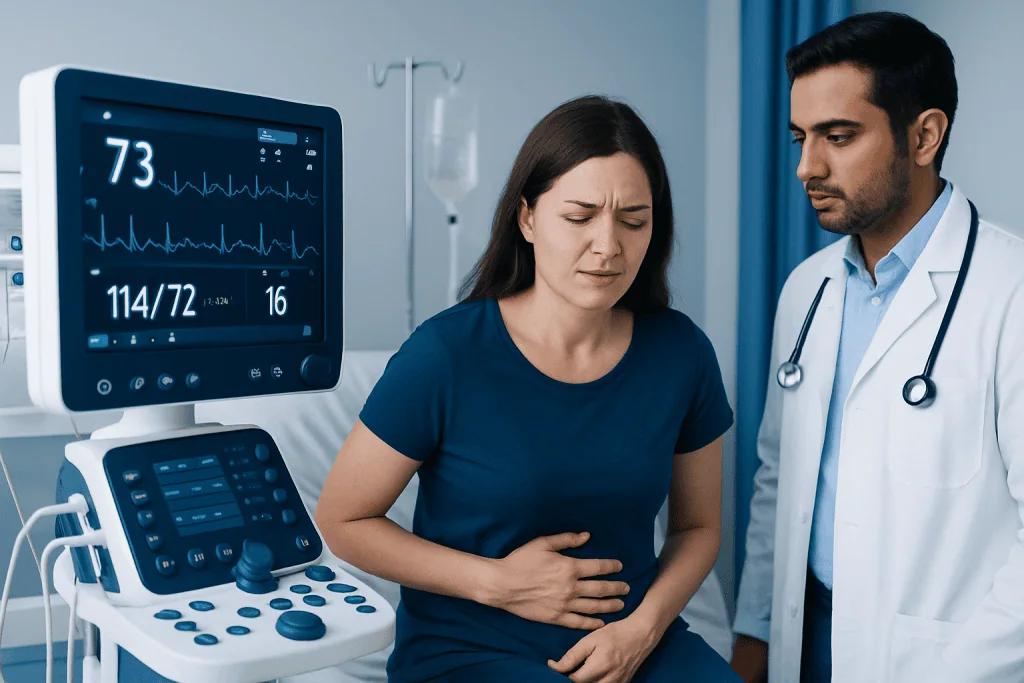
Food poisoning symptoms most often affect the stomach and intestines. They may begin suddenly and can range from mild discomfort to symptoms that interrupt normal activities. The most common symptoms include nausea, vomiting, watery diarrhea, stomach cramps, and a general feeling of weakness or tiredness.
Some people also develop fever, chills, headache, muscle aches, bloating, or loss of appetite. Diarrhea may occur several times in a day. Vomiting may happen only once or may continue for several hours. In many uncomplicated cases, symptoms start improving within 24 to 48 hours, although bowel habits may take a little longer to return to normal.
It is important to watch for signs that symptoms are more than a mild stomach upset. These may include blood in the stool, severe or worsening abdominal pain, repeated vomiting that prevents fluid intake, high or persistent fever, dizziness, confusion, reduced urination, or very dry mouth. These signs may indicate dehydration or an infection that needs medical assessment.
- Typical symptoms: nausea, vomiting, diarrhea, cramps, mild fever, fatigue.
- Warning symptoms: bloody diarrhea, severe pain, persistent vomiting, signs of dehydration, symptoms lasting several days.
Causes and Risk Factors

Food poisoning can be caused by many organisms and toxins. Common bacterial causes include Salmonella, Campylobacter, Escherichia coli, Listeria, and Staphylococcus aureus. Viruses such as norovirus can spread easily through contaminated food, surfaces, or close contact. Parasites are less common in many regions but can occur through contaminated water, undercooked foods, or travel exposure.
Contamination may happen at any point from production to preparation. Raw poultry, meat, seafood, eggs, unpasteurized milk products, raw sprouts, and unwashed fruits or vegetables can carry germs if not handled safely. Cooked foods can also become unsafe if they are left at room temperature too long or touched with contaminated hands, utensils, or cutting boards.
Certain situations increase the risk of food poisoning. These include eating undercooked animal products, drinking untreated water, traveling to areas with different food and water safety standards, eating food from buffets that are not kept at safe temperatures, and storing leftovers for too long. People with reduced stomach acid, chronic illness, pregnancy, advanced age, or immune suppression may be more vulnerable to complications and should be more cautious.
Diagnosis: How Doctors Evaluate Food Poisoning
In many mild cases, a doctor can diagnose food poisoning based on symptoms, recent meals, travel history, and whether other people who ate the same food became ill. The doctor may ask when symptoms began, how often vomiting or diarrhea is occurring, whether there is fever or blood in the stool, and whether the patient can drink fluids and urinate normally.
Testing is not always necessary. If symptoms are mild and improving, supportive care may be enough. However, stool tests may be recommended when diarrhea is severe, bloody, prolonged, associated with high fever, or occurs in a person at higher risk of complications. Stool testing can help identify bacteria, parasites, or toxins and guide treatment decisions when needed.
Blood tests may be used if dehydration, significant infection, kidney stress, or electrolyte imbalance is suspected. In rare situations, imaging or specialist evaluation may be considered if symptoms suggest another condition, such as appendicitis, inflammatory bowel disease, gallbladder disease, or severe colitis. A careful clinical assessment helps distinguish food poisoning from other causes of abdominal pain and diarrhea.
Home Care and Treatment Options
The main treatment for mild food poisoning is supportive care. The most important step is replacing fluids lost through vomiting and diarrhea. Small, frequent sips are often easier to tolerate than large amounts at once. Water, oral rehydration solutions, clear broths, and diluted fluids may help maintain hydration. Children, older adults, and people with ongoing vomiting may need extra attention to fluid intake.
Food can be reintroduced gradually as nausea improves. Bland, easy-to-digest foods such as rice, bananas, toast, crackers, potatoes, soups, and applesauce are often tolerated. Greasy, very spicy, high-fiber, or heavy meals may worsen symptoms temporarily. Alcohol should be avoided, and caffeine may aggravate diarrhea in some people. Rest is also important while the body recovers.
Medicines should be used cautiously. Anti-diarrheal medicines are not suitable for everyone, especially if there is fever or blood in the stool, because diarrhea may be helping the body clear the infection. Antibiotics are only helpful for certain bacterial or parasitic infections and should be taken only when prescribed by a qualified doctor. Taking unnecessary antibiotics can cause side effects and contribute to antibiotic resistance.
Medical treatment may include oral or intravenous fluids for dehydration, anti-nausea medication when appropriate, and targeted treatment if a specific infection is identified. Patients should seek individualized advice, especially if they are pregnant, have kidney disease, have inflammatory bowel disease, take immune-suppressing medication, or care for a young child with symptoms.
Prevention and Safe Food Habits
Food poisoning prevention begins with clean hands and clean surfaces. Hands should be washed with soap and water before preparing food, after using the bathroom, after handling raw meat or eggs, and before eating. Cutting boards, knives, and counters should be washed thoroughly after contact with raw animal products to avoid cross-contamination.
Cooking food to a safe internal temperature helps kill harmful germs. Poultry, minced meats, seafood, and egg dishes should be cooked thoroughly. Food that is meant to be served hot should be kept hot, and cold food should be kept cold. Leftovers should be refrigerated promptly and reheated thoroughly before eating. Food that smells unusual, has visible mold, or has been stored unsafely should be discarded.
When traveling, extra care with food and water can reduce risk. Patients may choose sealed bottled water where tap water safety is uncertain, avoid ice made from untreated water, and eat foods that are cooked and served hot. Raw or peeled produce should be washed with safe water. These steps are especially important for people at higher risk of severe illness.
- Separate raw meat, poultry, seafood, and eggs from ready-to-eat foods.
- Use different cutting boards for raw and cooked foods when possible.
- Refrigerate perishable foods promptly and avoid leaving them out for long periods.
- Check product recalls and follow local food safety guidance when outbreaks are reported.
When to See a Doctor
Many people with mild food poisoning recover at home, but medical advice is recommended when symptoms are severe, persistent, or occur in a higher-risk person. A doctor should be contacted if vomiting continues and fluids cannot be kept down, diarrhea lasts more than a few days, fever is high or persistent, or the patient feels increasingly weak, dizzy, or confused.
Urgent medical evaluation is important for signs of dehydration, such as very little urination, extreme thirst, dry mouth, sunken eyes, fast heartbeat, or fainting. Blood in the stool, black stools, severe abdominal pain, stiff abdomen, or symptoms after eating mushrooms, seafood toxins, or possibly contaminated canned foods should also be assessed promptly.
Infants, young children, older adults, pregnant people, and individuals with weakened immune systems should seek medical guidance earlier because dehydration can develop more quickly and some infections require specific care. At Acibadem International, multidisciplinary specialists in JCI-accredited hospitals evaluate and treat gastrointestinal infections and dehydration for international patients when medical care is needed away from home.
Frequently asked questions
How long does food poisoning usually last?
Many mild cases improve within 24 to 48 hours, although some infections can last several days. The duration depends on the cause, the person’s overall health, and how well hydration is maintained. If diarrhea or vomiting persists, medical advice is recommended.
What should someone drink during food poisoning?
Small, frequent sips of fluid are usually best. Water, oral rehydration solutions, and clear broths can help replace fluid losses. If vomiting continues, taking a teaspoon or small sip every few minutes may be better tolerated than drinking a full glass at once.
Should diarrhea be stopped with medication?
Not always. Diarrhea can be part of the body’s effort to clear an infection, and anti-diarrheal medicines may not be appropriate if there is fever, blood in the stool, or suspected bacterial illness. A doctor or pharmacist can advise whether a medicine is safe for the individual situation.
When can normal food be eaten again?
Food can usually be reintroduced gradually when nausea and vomiting improve. Bland foods such as rice, toast, bananas, potatoes, crackers, or soup are often easier to tolerate at first. Heavy, greasy, spicy foods and alcohol are best avoided until digestion feels normal again.
Is food poisoning contagious?
Some causes of food poisoning, especially viruses such as norovirus, can spread from person to person through hands, surfaces, and shared bathrooms. Good handwashing, careful cleaning, and avoiding food preparation for others while sick can reduce spread. People should continue hygiene precautions for at least a short period after symptoms improve.
Who is at higher risk of complications from food poisoning?
Infants, young children, older adults, pregnant people, and people with weakened immune systems have a higher risk of dehydration or more severe infection. People with chronic kidney disease, inflammatory bowel disease, diabetes, or those taking immune-suppressing medicines should also be cautious. These groups should seek medical advice earlier if symptoms develop.
References
- World Health Organization
- Centers for Disease Control and Prevention
- Mayo Clinic
- National Institute of Diabetes and Digestive and Kidney Diseases
- European Food Safety Authority
This article is for general information only and is not a substitute for professional medical advice. Please consult a qualified doctor about your individual situation.
Food Poisoning in Turkey — costs, top hospitals & a free quote
JCI-accredited · board-certified surgeons · reply within 24h
Add us as a Preferred Source to see more of our trusted health content across Google Search, AI Overviews and Discover.

Gastroenterology
Diagnosis and treatment of the digestive system and liver, with advanced endoscopy.
46 specialists in this unit