Foot Massage: A Complete Medical Overview

Foot massage may help reduce tension, promote relaxation, and temporarily relieve mild foot discomfort. It is not a treatment for fractures, severe nerve problems, infections, or circulation disorders.
Key Takeaways
- Foot massage may help reduce tension, promote relaxation, and temporarily relieve mild foot discomfort.
- It is not a treatment for fractures, severe nerve problems, infections, or circulation disorders.
- People with diabetes, open wounds, unexplained swelling, or severe pain should seek medical advice before massage.
- Safe foot massage uses gentle pressure, avoids painful areas, and stops if symptoms worsen.
- Persistent foot pain may need medical evaluation to identify causes such as plantar fasciitis, arthritis, or nerve compression.
Foot massage is a hands-on technique used to relax the feet, improve comfort, and temporarily ease everyday muscle tension. It can be helpful for many people, but it should be done gently and avoided or medically reviewed when there is injury, infection, poor circulation, or certain chronic health conditions.
Overview: What Foot Massage Is and What It Can Do
Foot massage is the manual stimulation of the muscles, soft tissues, and joints of the feet using pressure, kneading, rubbing, or stretching movements. In everyday use, it is often chosen for comfort and relaxation after standing, walking, exercise, or wearing tight shoes. In a clinical context, it may also be used as part of supportive care to improve overall comfort and body awareness.
For many people, foot massage can help reduce a feeling of tiredness in the feet and may temporarily ease mild aches related to muscle tension. Some people also find that it promotes relaxation, lowers stress, and helps them feel more comfortable before sleep. These effects are usually short term and vary from person to person.
It is important to understand that foot massage is supportive care, not a cure for every foot problem. Pain that is severe, persistent, one-sided, associated with swelling, numbness, fever, skin color changes, or difficulty walking may point to an underlying condition that needs medical assessment. In those situations, massage should not replace a proper diagnosis.
Potential Benefits of Foot Massage
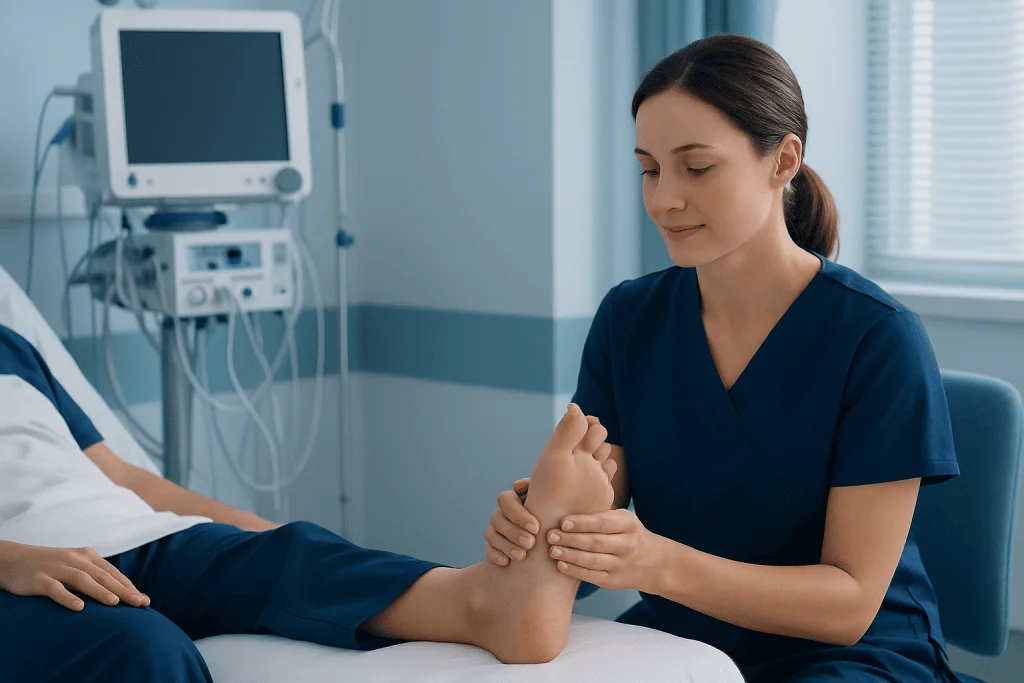
The most common benefit of foot massage is relaxation. Gentle pressure can help loosen tight soft tissues and may make the feet feel lighter and less fatigued, especially after daily activity. Some people also report an improved sense of well-being because touch-based therapies can be calming.
Foot massage may also support temporary relief of mild soreness in the arch, heel, or forefoot when discomfort is linked to overuse or muscle tension. Gentle movement of the toes and ankle during massage can encourage flexibility and awareness of foot mechanics. This may be useful as part of a broader self-care routine that includes stretching, supportive footwear, and activity modification.
In some settings, foot massage is used alongside other non-drug comfort measures. These may include warm foot baths, rest, and simple exercises. However, if a person has ongoing heel pain, a doctor may need to check for conditions such as plantar fasciitis or other structural problems rather than assuming massage alone will solve the issue.
- May promote relaxation and stress relief
- Can temporarily ease mild muscle tension
- May improve comfort after long periods of standing
- Can complement stretching and footwear changes
When Foot Massage May Help Less Than Expected
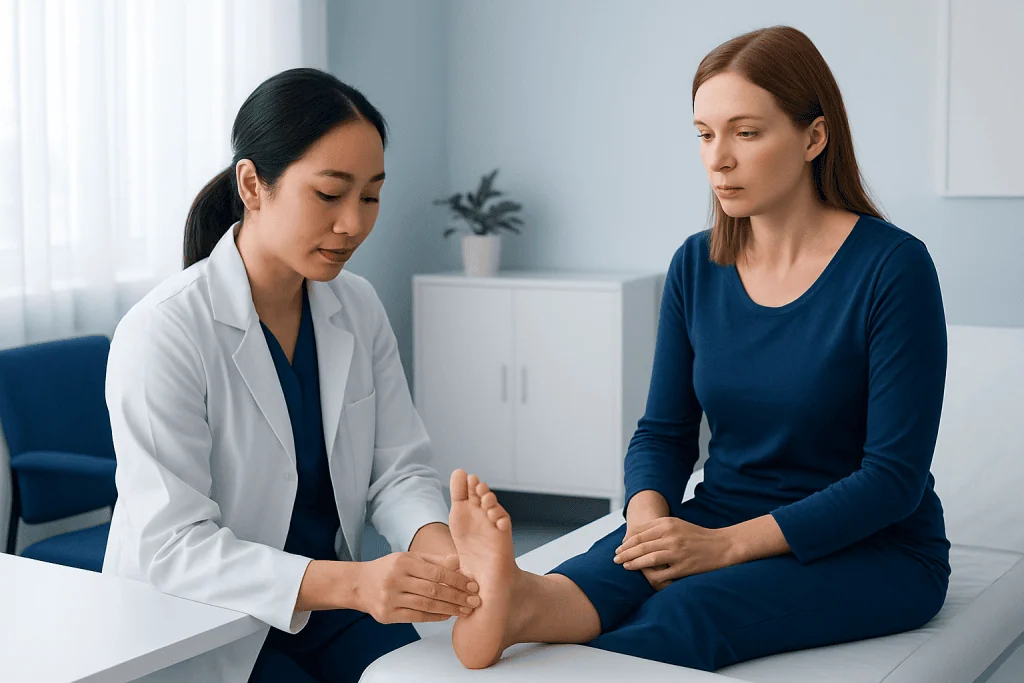
Not all foot pain comes from simple overuse. Discomfort can also be caused by inflammation, joint disease, tendon problems, nerve compression, poor circulation, skin disease, or injury. In these cases, massage may offer little benefit or could even aggravate symptoms if the pressure is too firm or applied to the wrong area.
For example, heel pain can result from tissue strain, while burning or tingling sensations may suggest nerve involvement. Pain in the big toe joint may be linked to arthritis, and sudden swelling after trauma could indicate a fracture or ligament injury. A foot that is red, warm, and very tender needs careful medical evaluation rather than home massage.
Foot massage should be viewed as one part of comfort care, not as a substitute for diagnosis. If symptoms keep returning, a clinician may recommend further assessment and, when appropriate, treatments such as physical therapy and rehabilitation to address movement patterns, strength, flexibility, and recovery.
Risks, Precautions, and Who Should Avoid It
Foot massage is generally safe when done gently on healthy skin and without significant pain. Even so, there are situations in which it should be avoided or medically supervised. Massage over an open wound, skin infection, ulcer, blister, rash, recent burn, or an area of unexplained redness can worsen irritation or delay healing.
People with diabetes should use extra caution, especially if they have reduced sensation, foot ulcers, or circulation problems. If sensation is impaired, it may be hard to tell when pressure is too strong, which can increase the risk of skin injury. Similar caution is needed for people with peripheral vascular disease, severe swelling, blood clot concerns, recent surgery, fractures, or severe osteoporosis.
Massage should also be avoided when there is sudden severe pain, obvious deformity, marked warmth, rapidly increasing swelling, or signs of infection such as fever and spreading redness. Numbness, persistent tingling, or foot weakness may indicate nerve problems that should be assessed by a doctor. In some cases, foot symptoms can relate to broader vascular or nerve issues that need specialist care, including evaluation through cardiovascular surgery or other services when circulation disease is suspected.
How to Perform a Safe Foot Massage
A safe foot massage starts with comfort and gentle pressure. The person should sit in a relaxed position, and the feet should be clean and dry. A small amount of lotion or oil can reduce friction, but it should not be used on broken or irritated skin. Pressure should feel soothing rather than painful.
A simple method is to begin with light strokes from the heel toward the toes, then use the thumbs to make small circles along the arch and heel. The toes can be moved gently one by one, and the ball of the foot can be pressed lightly. Some people also find ankle circles and calf stretching helpful because the foot works closely with the lower leg muscles.
Sessions do not need to be long. A few minutes on each foot may be enough for relaxation. It is best to stop immediately if there is sharp pain, cramping, dizziness, numbness, or increasing discomfort. Strong pressure is not necessary, and “more intense” does not mean more effective. If recurring pain is limiting daily activities, a clinician may recommend a more structured plan that can include orthopedic rehabilitation or targeted medical treatment.
- Use gentle, even pressure
- Avoid painful, swollen, or injured areas
- Do not massage over cuts, ulcers, or infections
- Stop if symptoms worsen or new symptoms appear
Medical Evaluation and Diagnosis of Foot Symptoms
When foot discomfort is ongoing, diagnosis starts with a medical history and physical examination. A doctor will usually ask where the pain is located, when it began, what makes it better or worse, and whether there are symptoms such as numbness, swelling, stiffness, or skin changes. Footwear, occupation, exercise habits, and chronic conditions such as diabetes or arthritis can also provide important clues.
The examination may include checking tenderness, joint movement, alignment, strength, sensation, pulses, and the way the person walks. Depending on the findings, imaging or laboratory tests may be needed. X-rays can help identify fractures or arthritis, while ultrasound or MRI may be used to examine soft tissues. Blood tests may be considered if inflammatory or infectious causes are suspected.
Careful diagnosis matters because similar symptoms can have different causes. Heel pain, forefoot pain, tingling, and swelling can each come from multiple conditions. A person with persistent, unexplained, or worsening symptoms may benefit from assessment by specialists in musculoskeletal, neurological, or vascular care rather than relying only on home massage.
Treatment Options Beyond Massage
If a medical condition is found, treatment depends on the cause. Many foot problems improve with a combination of rest, activity changes, supportive shoes, stretching, ice or heat guidance, and rehabilitation exercises. Inflammatory conditions may require medication recommended by a doctor, while structural issues sometimes need orthotics or other interventions.
For nerve-related symptoms, circulation problems, severe deformity, or advanced joint disease, the treatment approach may be more specialized. Conditions affecting the tendons, ligaments, bones, or joints sometimes need expert orthopedic care. For selected cases, doctors may discuss options such as orthopedic treatment after examination and imaging.
Foot massage can still play a supportive role in some recovery plans if the treating clinician considers it safe. Near the end of the care pathway, it may be introduced as a comfort measure rather than the main therapy. Acibadem International’s multidisciplinary specialists and JCI-accredited hospitals diagnose and treat foot-related conditions for international patients when further assessment or treatment is needed.
Prevention, Self-Care, and When to Seek Medical Care
Healthy foot habits can reduce strain and make massage more useful as a comfort measure. Supportive shoes, gradual exercise progression, regular stretching of the calves and feet, and avoiding long periods in poorly fitting footwear are practical steps. People who stand for long hours may benefit from rest breaks, changing shoes, and paying attention to early signs of overuse.
Self-care should also include routine skin checks, especially for people with diabetes, circulation problems, or reduced sensation. Keeping the feet clean and dry, trimming nails carefully, and treating blisters or pressure points early can help prevent more serious problems. Massage should be skipped if the skin is damaged or if there is unexplained swelling.
Medical care is important if foot pain lasts more than a short time, returns repeatedly, or interferes with walking, work, sleep, or exercise. A person should seek prompt care for severe pain after an injury, inability to bear weight, spreading redness, fever, numbness, blue or pale toes, sudden swelling, or a non-healing wound. These signs may indicate a condition that needs diagnosis and treatment rather than home care alone.
Frequently asked questions
Is foot massage good for everyone?
Foot massage can be helpful for many healthy adults when it is gentle and used for relaxation or mild soreness. However, it is not suitable for everyone. People with foot ulcers, infections, fractures, severe swelling, reduced sensation, or circulation problems should speak with a doctor first.
Can foot massage help foot pain?
It may help temporary discomfort caused by muscle tension, standing for long periods, or mild overuse. It is less likely to help pain caused by fractures, severe inflammation, nerve problems, or vascular disease. Persistent or severe pain should be medically evaluated.
How often can a person have a foot massage?
There is no single schedule that fits everyone. Brief, gentle sessions may be used as needed for comfort, as long as they do not increase pain or irritate the skin. If symptoms are frequent enough to require repeated massage, the underlying cause should be assessed.
Should foot massage be painful to be effective?
No. Effective foot massage does not need to be painful. Gentle to moderate pressure is usually enough, and pain may be a sign that the tissue is irritated or that the technique is too forceful.
Can people with diabetes have foot massage?
Some people with diabetes can have very gentle foot massage, but caution is essential. If there is numbness, poor circulation, skin breakdown, or a history of ulcers, massage may be unsafe. A clinician should advise whether it is appropriate.
When should someone stop a foot massage and seek help?
Massage should be stopped if there is sharp pain, increasing swelling, numbness, dizziness, skin discoloration, or worsening symptoms. Medical advice is especially important if the foot is red, warm, infected-looking, or painful after an injury. Prompt care is also needed for non-healing wounds or trouble walking.
References
- American Academy of Orthopaedic Surgeons
- American Podiatric Medical Association
- National Institute of Arthritis and Musculoskeletal and Skin Diseases
- National Institute of Diabetes and Digestive and Kidney Diseases
- Mayo Clinic
This article is for general information only and is not a substitute for professional medical advice. Please consult a qualified doctor about your individual situation.
Joint and spine care in Turkey — expert assessment & treatment
JCI-accredited · board-certified surgeons · reply within 24h
Add us as a Preferred Source to see more of our trusted health content across Google Search, AI Overviews and Discover.

More from the Health Library

Epstein Pearls: An Evidence-Based Guide for Patients

Polio Vaccine: What Patients Need to Know

Pleura: What Patients Need to Know

Healthy Fruits: An Evidence-Based Guide for Patients

Arachnodactyly — Explained by Medical Evidence, Not Myths