Forearm Crutches: An Evidence-Based Guide for Patients
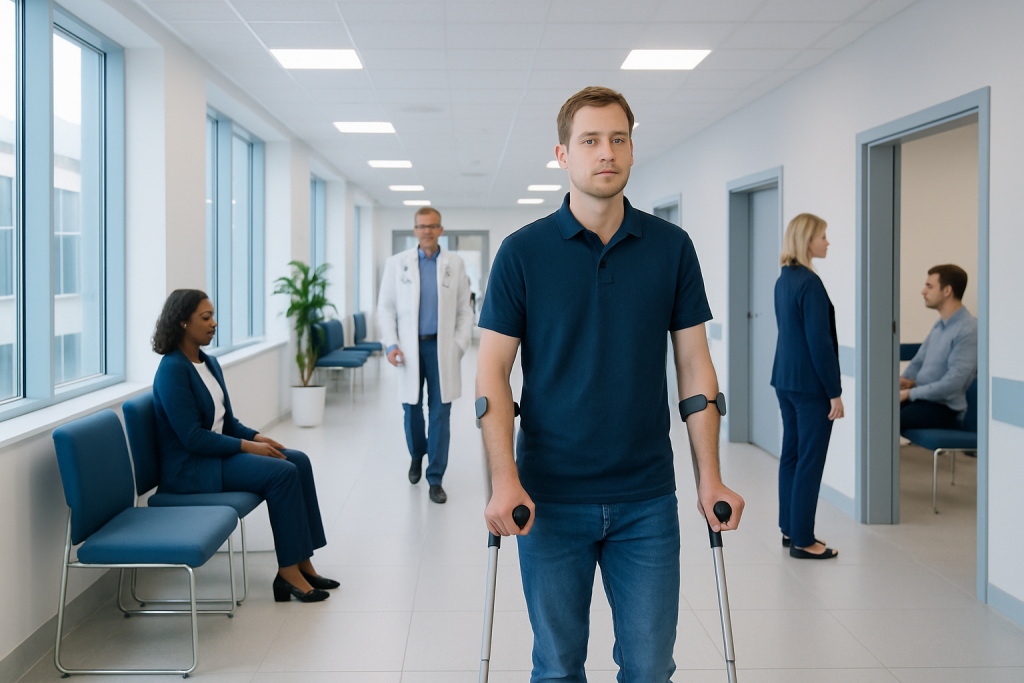
Forearm crutches transfer some body weight from the legs to the arms and upper body. Correct height, cuff position, and handgrip fit are important for comfort and safety.
Key Takeaways
- Forearm crutches transfer some body weight from the legs to the arms and upper body.
- Correct height, cuff position, and handgrip fit are important for comfort and safety.
- Different walking patterns are used depending on whether a person can bear weight on one or both legs.
- Pain in the hands, wrists, shoulders, or underarm area may signal poor fit or technique.
- A clinician or physiotherapist can help choose the right crutch type and teach safe use.
Forearm crutches are mobility aids that help reduce weight on one or both legs while walking, often during recovery from injury, surgery, or a long-term condition. When fitted correctly and used with the right walking pattern, they can improve balance, safety, and independence.
Overview: what forearm crutches are and who may need them
Forearm crutches are walking aids designed to reduce pressure on the lower limbs while helping a person stay mobile. They usually have a handgrip and a cuff that fits around the forearm, which helps keep the crutch in place during movement. They are sometimes called elbow crutches or Lofstrand crutches.
These crutches are often used after fractures, sprains, joint surgery, soft tissue injuries, or painful flare-ups that make walking difficult. They may also be recommended for longer-term conditions that affect strength, balance, coordination, or joint function. For some people, forearm crutches offer more freedom of movement than underarm crutches because the hands remain the main point of control.
Forearm crutches are not one-size-fits-all. The best choice depends on weight-bearing ability, arm strength, balance, home environment, and daily needs such as climbing stairs or carrying items. A rehabilitation professional can help decide whether forearm crutches, a walker, a cane, or another mobility aid is most suitable.
How forearm crutches work
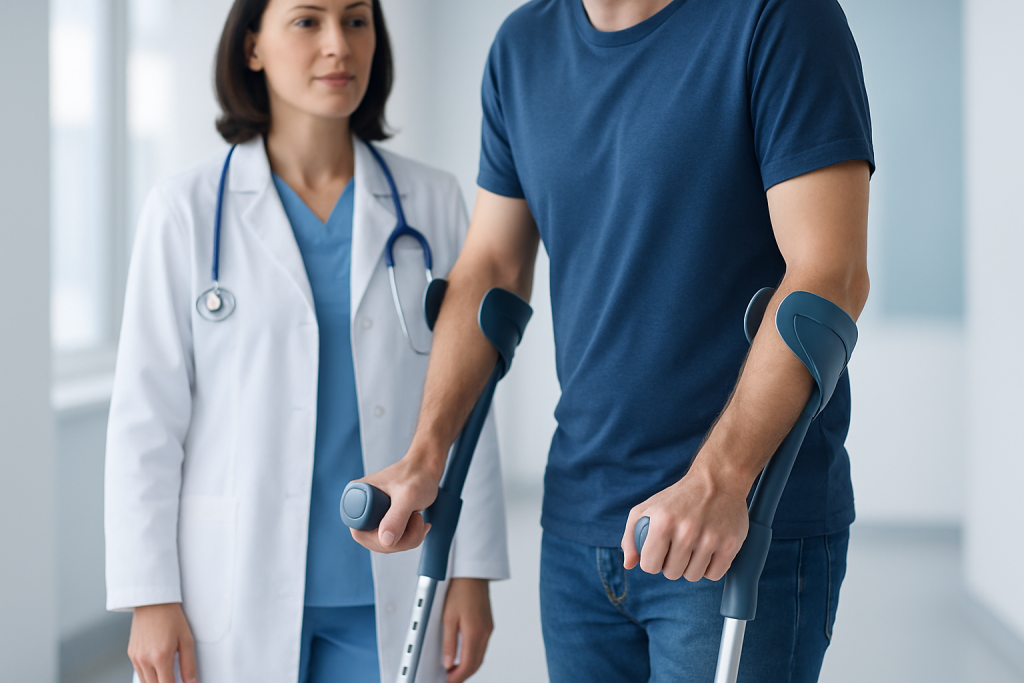
The main purpose of forearm crutches is to shift some body weight away from the legs and onto the arms. This can ease pain, protect healing bones or joints, and make walking safer. Depending on the medical condition, a doctor may advise non-weight-bearing, partial weight-bearing, or weight-bearing as tolerated.
The cuff around the forearm helps stabilize the crutch while the handgrip allows the user to bear weight through the hands and wrists. This design can make forearm crutches easier to manage for longer periods, especially compared with underarm crutches, which can be bulkier and may irritate the underarm area if used incorrectly.
Forearm crutches may be used short term after procedures such as knee replacement or during rehabilitation after injuries affecting the hip, knee, ankle, or foot. They may also support mobility in people living with chronic neurological or musculoskeletal conditions when walking without assistance feels unsteady.
- One crutch: may be used when only mild support is needed.
- Two crutches: may be needed for greater unloading, balance support, or early recovery.
- Right technique: depends on medical advice about how much weight the affected leg can take.
Common reasons for using forearm crutches
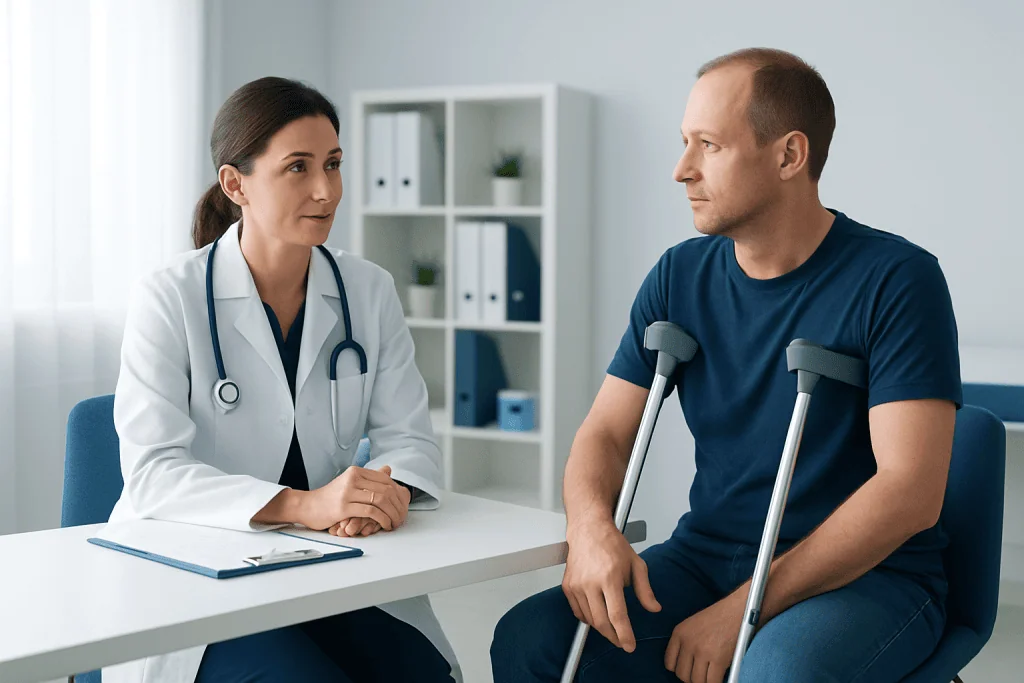
Many people use forearm crutches during recovery from injuries such as ankle sprains, foot fractures, ligament injuries, or after surgery. They are especially useful when a person needs support but still has enough arm and trunk control to coordinate walking. A clinician may recommend them after operations involving the lower limbs or when pain limits normal gait.
Longer-term use can be appropriate for conditions that affect muscle strength, balance, or joint stability. Examples include certain forms of arthritis, nerve-related weakness, and mobility problems caused by Parkinson's disease or multiple sclerosis. In these settings, forearm crutches can be part of a broader rehabilitation plan aimed at preserving function and reducing falls.
They may also be considered when someone needs more support than a cane provides but does not need a walker. For people recovering from bone or joint problems, especially around the hip or knee, forearm crutches can help maintain movement while protecting healing tissues. If joint disease is severe and daily activity remains limited, specialist assessment may also consider options such as hip replacement in appropriate patients.
Fit and adjustment: why proper sizing matters
Proper fit is one of the most important parts of using forearm crutches safely. If the crutches are too tall, too short, or poorly adjusted, they can increase the risk of falls and may cause hand, wrist, elbow, shoulder, neck, or back discomfort. A well-fitted crutch allows the user to stand upright without hunching or leaning excessively.
In general, the handgrip should be set so the elbow remains slightly bent when the crutch tip is on the ground beside the foot. The cuff should sit securely around the upper forearm, usually a short distance below the elbow, without pinching or sliding too much. Footwear matters as well; fitting should ideally be checked while wearing the shoes normally used for walking.
A physiotherapist or rehabilitation specialist can fine-tune the adjustment and confirm that the person can move safely on flat ground, around corners, and if needed on stairs. Fit may need to be reviewed over time if swelling changes, weight-bearing instructions change, or pain develops. This is especially relevant after orthopedic procedures such as ankle surgery or during structured rehabilitation.
- Crutch tips should contact the floor evenly and have intact rubber ends.
- The cuff should feel supportive, not tight.
- The shoulders should stay relaxed rather than lifted toward the ears.
- The user should be able to stand balanced before starting to walk.
How to walk with forearm crutches safely
The correct walking method depends on how much weight the affected leg is allowed to carry. For non-weight-bearing, the person usually places both crutches forward, transfers weight through the hands, and swings the unaffected leg through without letting the injured side touch down. For partial weight-bearing, the crutches and affected leg often move together, followed by the stronger leg.
When only one crutch is needed, it is usually held on the side opposite the weaker or painful leg. This helps improve balance and reduces load on the affected side. People are often taught to look ahead rather than down constantly, take short controlled steps, and avoid rushing, especially on wet floors or uneven ground.
Standing up, sitting down, and climbing stairs also require specific techniques. A clinician may advise using a handrail where available and practicing transfers before managing them alone. Stairs can be challenging after major orthopedic treatment such as knee replacement, so supervised instruction is valuable in the early stages of recovery.
- Clear walkways of loose rugs, cords, and clutter.
- Use supportive, non-slip shoes.
- Avoid carrying heavy bags by hand while using crutches.
- Pause if dizziness, unusual pain, or marked fatigue occurs.
Benefits, limitations, and possible problems
Forearm crutches can improve independence, protect healing tissues, and help a person remain active during recovery. Many users find them easier to maneuver than underarm crutches, particularly in narrow spaces. They can also support a more natural arm position and may be better suited for some people who need a walking aid over a longer period.
At the same time, they require coordination, grip strength, and sufficient upper-body endurance. People with severe balance problems, painful hand or wrist conditions, or limited arm strength may struggle with them. In such cases, another mobility aid may be safer and more practical.
Common problems include pressure on the palms, wrist strain, sore shoulders, skin irritation from the cuff, and falls caused by incorrect technique or worn crutch tips. Persistent discomfort should not be ignored because it often signals a fit problem, poor walking pattern, or a change in the underlying condition. If pain or weakness is related to spinal or nerve issues, a doctor may assess for associated causes such as lumbar disc herniation.
Self-care and adapting daily life
Using forearm crutches often becomes easier with planning and practice. At home, arranging frequently used items within easy reach can reduce unnecessary trips. In the bathroom, non-slip mats and grab bars may improve safety. In the kitchen or workplace, using a small backpack or cross-body bag can help carry essentials while keeping the hands free for the crutches.
Skin care and hand comfort matter during repeated use. Gloves or padded grips may help some people, and regular checks for redness, blistering, or numbness are sensible. Short rest breaks can reduce fatigue in the shoulders and hands, particularly in the first days after injury or surgery.
People recovering from surgery or an acute injury should follow their clinician’s instructions about exercise, swelling control, and progression of weight-bearing. A rehabilitation plan may include strengthening, balance work, and gait retraining to reduce long-term dependence on mobility aids. At centers such as Acibadem International, multidisciplinary specialists in rehabilitation, orthopedics, and neurology assess gait problems and provide individualized treatment plans for international patients in JCI-accredited hospitals.
When to seek medical care
Medical review is appropriate if walking with forearm crutches feels increasingly unsafe, pain is worsening rather than improving, or the person is unsure how much weight the affected leg may bear. A clinician should also reassess if the crutches no longer seem to fit properly, if there is repeated loss of balance, or if a fall has occurred.
Prompt medical attention is important for new numbness, color change in the foot or leg, severe swelling, fever, wound problems after surgery, chest pain, or shortness of breath. These symptoms may point to complications that need urgent evaluation. Ongoing pain in the hands, wrists, elbows, or shoulders should also be discussed, because the mobility aid or technique may need to be changed.
If recovery is slower than expected, specialist input can help clarify whether pain, weakness, joint damage, or a neurological condition is affecting walking. Early guidance often improves comfort, confidence, and safety while the person continues rehabilitation.
Frequently asked questions
What are forearm crutches used for?
Forearm crutches are used to reduce weight on one or both legs while helping a person walk more safely. They are commonly recommended after injury, surgery, or for conditions that affect balance, strength, or joint function.
Are forearm crutches better than underarm crutches?
They can be better for some people, especially when a walking aid is needed for more than a very short time. Forearm crutches are often lighter and easier to maneuver, but the best choice depends on balance, arm strength, and the amount of support required.
How do forearm crutches fit correctly?
The handgrip should allow a slight bend at the elbow, and the cuff should sit comfortably below the elbow without feeling tight. Proper fitting is best checked by a clinician or physiotherapist, especially after surgery or when weight-bearing restrictions apply.
Can a person use only one forearm crutch?
Yes, if only mild support is needed and a clinician agrees it is appropriate. One crutch is usually held on the side opposite the weaker or painful leg to improve balance and reduce load on the affected side.
Why do forearm crutches cause hand or shoulder pain?
Pain can happen when the crutches are the wrong height, the technique is not correct, or too much weight is being placed through the arms. If discomfort continues, the fit and walking pattern should be reassessed by a healthcare professional.
When should someone stop using forearm crutches?
They should usually be reduced or stopped only when a doctor or physiotherapist says it is safe to increase weight-bearing and walk more independently. Stopping too early can delay healing or increase the risk of another injury.
This article is for general information only and is not a substitute for professional medical advice. Please consult a qualified doctor about your individual situation.
Explore treatments in Turkey — costs, top hospitals & a free quote
JCI-accredited · board-certified surgeons · reply within 24h
Add us as a Preferred Source to see more of our trusted health content across Google Search, AI Overviews and Discover.

More from the Health Library

Adaptogenic: A Complete Medical Overview

Patologia: A Complete Medical Guide for Patients
Syncope definition: A Complete Medical Guide for Patients

Sharp pulling pain in belly button female: Symptoms, Causes, and Treatment — Complete Patient Guide
Fetal Doppler: A Complete Medical Overview