Forehead Lift: Procedure, Recovery and Results

A forehead lift can raise a descended brow, reduce forehead skin laxity and improve upper-face balance. The procedure is tailored to brow position, forehead height, hairline pattern, skin quality and individual goals.
Key Takeaways
- A forehead lift can raise a descended brow, reduce forehead skin laxity and improve upper-face balance.
- The procedure is tailored to brow position, forehead height, hairline pattern, skin quality and individual goals.
- Most patients return to light daily activities within one to two weeks, but complete healing takes longer.
- Temporary tightness, swelling, bruising and scalp numbness are common during forehead lift recovery.
- A qualified surgeon can explain the expected benefits, scars, risks and alternatives for each individual.
A forehead lift, also known as a brow lift, is a surgical procedure that elevates the eyebrows and forehead tissues to create a more rested upper-face contour. Recovery usually involves temporary swelling, bruising and tightness, while final results develop gradually over several months.
Forehead Lift Overview and Candidacy
A forehead lift, also called a brow lift, is surgery that raises a low, heavy or descended brow by repositioning the tissues of the forehead. It may create a more open appearance around the eyes and soften horizontal forehead lines or frown-related creases, although it does not stop the natural aging process.
Candidates are generally adults in good overall health who have noticeable brow descent, deep forehead lines, forehead skin laxity or a tired appearance caused by a heavy brow. In some people, a low brow can add to upper eyelid hooding; however, eyelid skin excess and brow position are separate concerns and may need different treatments.
During a consultation, the surgeon evaluates facial proportions, hairline position, skin elasticity, eyebrow symmetry and eyelid anatomy. Smoking or nicotine use, poorly controlled health conditions, certain medicines and unrealistic expectations can affect safety or healing, so these factors should be discussed openly before surgery.
How a Forehead Lift Works
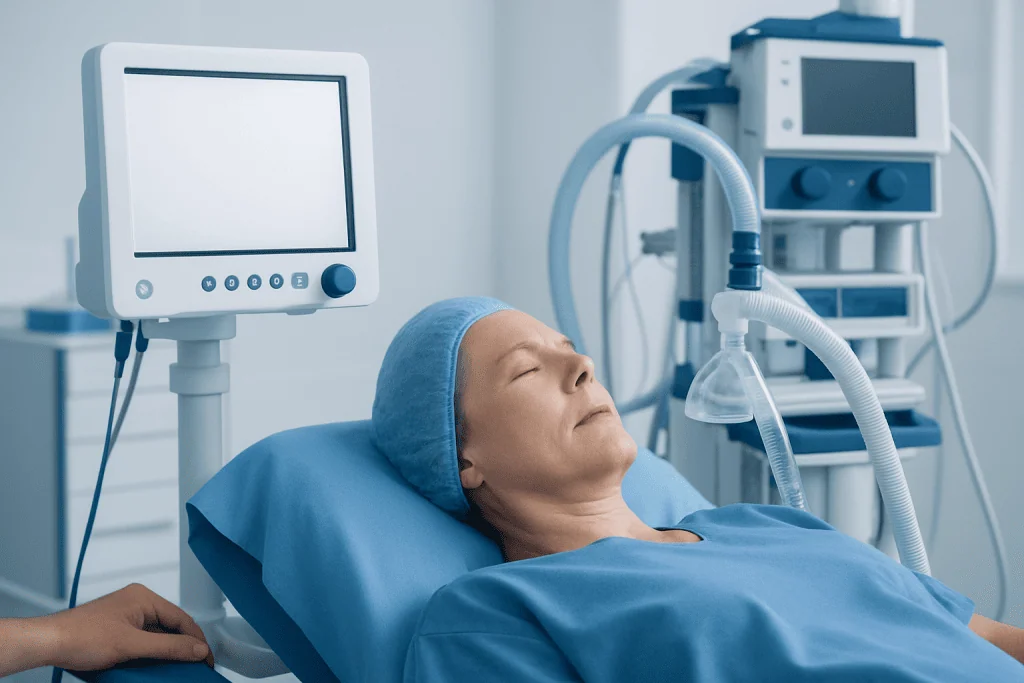
A forehead lift works by carefully releasing and lifting the layers of tissue beneath the forehead and scalp. The elevated tissues are then secured in a higher position, helping to improve brow height and contour. The procedure may also address selected muscles that contribute to pronounced frown lines when this is appropriate for the treatment plan.
An endoscopic forehead lift uses several small incisions hidden within the hair-bearing scalp. A camera and specialized instruments allow the surgeon to work beneath the skin through these small openings. This technique may suit people who need moderate elevation and prefer shorter incisions.
Other approaches include a coronal incision across the scalp, a hairline incision for selected people with a high hairline, or a direct brow lift with an incision near the eyebrow. Each option has different advantages, scar considerations and effects on forehead height, so no single technique is best for every patient.
Forehead Lift Procedure: Planning to Completion

Before surgery, the surgeon reviews medical history, previous facial procedures, medicines, supplements and anesthesia considerations. Patients may be asked to avoid smoking and to follow instructions about medicines that can affect bleeding. A careful surgical plan is then made around the natural brow shape, hairline and desired degree of lift.
Forehead lift surgery is usually performed under anesthesia. After making the planned incisions, the surgeon elevates and repositions the forehead tissues, makes any needed muscle adjustments, and secures the tissues before closing the incisions. Dressings may be placed to protect the area during the early healing period.
Forehead lift procedure time commonly ranges from about one to three hours, depending on the technique and whether another procedure, such as upper eyelid surgery, is performed at the same time. Many procedures are completed as day surgery, although the care plan is based on the person’s health needs and the extent of treatment.
How Long Does a Forehead Lift Take to Heal?
The visible part of forehead lift recovery often improves substantially within one to two weeks, but complete healing is more gradual. Swelling, bruising and a feeling of tightness are usually most noticeable in the first several days. Sutures or staples, if used, are commonly removed according to the surgeon’s schedule, often within the first two weeks.
Many patients can return to desk-based work and light social activities after around seven to fourteen days, depending on bruising, comfort and the nature of their work. Strenuous exercise, heavy lifting and activities that may raise blood pressure should be resumed only after surgical clearance. Residual swelling, scalp numbness and incision maturation can continue for several weeks or months.
Forehead lift surgery recovery is individual, and the final brow position may not be apparent until swelling has settled. Forehead lift recovery photos can show broad stages of healing, but they do not reliably predict an individual result because lighting, incision type, skin tone, swelling and facial anatomy vary widely between patients.
How Painful Is a Forehead Lift?
A forehead lift is generally associated with pressure, tightness, tenderness or a headache-like sensation rather than severe pain for most patients. Discomfort is usually greatest during the first few days and becomes easier to manage as swelling improves. The surgical team provides an individualized pain-control plan and guidance about medicines that are safe to use after surgery.
All surgery carries potential risks. A qualified surgeon explains these in detail before treatment, including the possibility of bleeding, infection, delayed wound healing, visible scars, hair loss near an incision, altered scalp sensation, brow asymmetry, undercorrection or overcorrection, and anesthesia-related complications.
- Temporary numbness, itching or tingling in the scalp can occur during healing.
- Rarely, injury to a nerve can affect eyebrow movement or facial symmetry.
- Results may change over time as skin and soft tissues continue to age.
The potential benefits include a more elevated brow contour, reduced forehead skin laxity and a less tired appearance around the eyes. A forehead lift cannot guarantee a particular appearance, remove every wrinkle or replace treatments that may be needed for eyelid skin, skin texture or dynamic facial lines.
Can You Still Move Your Eyebrows After a Brow Lift?
Most patients can still move their eyebrows after a brow lift. The procedure is designed to preserve normal facial expression while changing the resting height and shape of the brows. Immediately after surgery, swelling and a feeling of tension can make movement seem limited or unfamiliar.
Some surgical plans include adjustment of muscles involved in frowning, which may reduce deep glabellar lines and slightly change the strength of certain expressions. This is different from intentionally stopping all eyebrow movement. The surgeon should explain how the planned technique may affect facial animation before surgery.
Temporary changes in sensation are common because scalp nerves need time to recover. Persistent weakness, marked asymmetry or an inability to raise one brow should be assessed by the surgical team, although permanent nerve-related movement changes are uncommon.
Is a Forehead Lift Worth It?
Whether a forehead lift is worth it is a personal decision based on the degree of brow descent, the importance of the concern to the individual and their willingness to undergo surgery and recovery. For appropriately selected patients, it can provide a long-lasting improvement in brow position and upper-face balance. However, the results are not permanent because facial aging continues.
Non-surgical options may be appropriate for early or mild concerns. Injectable neuromodulators can soften dynamic forehead and frown lines, and may create a subtle temporary brow change in selected patients, but they cannot reproduce the structural lift achieved with surgery. Skin treatments may improve texture but do not reposition a descended brow.
An informed decision includes discussing expected scars, downtime, possible need for combined eyelid surgery, long-term maintenance and alternatives. Reviewing the surgeon’s experience with the proposed technique and discussing realistic goals can help a patient decide whether the expected benefits align with personal priorities.
When to Seek Medical Care
After surgery, patients should contact their surgical team promptly if they develop rapidly increasing swelling, severe or worsening pain, persistent bleeding, fever, spreading redness, wound drainage, a sudden change in vision or new facial weakness. Urgent emergency care is appropriate for serious symptoms such as chest pain, breathing difficulty or loss of consciousness.
Scheduled follow-up visits are important for checking healing, removing sutures or staples when needed and addressing questions about activity, scar care and return to exercise. Acibadem International’s multidisciplinary specialists and JCI-accredited hospitals assess candidacy and provide forehead lift care for international patients.
Frequently asked questions
Is a forehead lift the same as a brow lift?
Yes. Forehead lift and brow lift are commonly used to describe surgery that raises the eyebrow region and repositions forehead tissues. The term used may vary by surgeon, but the goal is usually to improve brow position and upper-face appearance.
How long does the forehead lift procedure take?
The forehead lift procedure time is often about one to three hours. The length depends on the surgical approach, the degree of correction needed and whether it is combined with another facial procedure.
Will a forehead lift leave scars?
A forehead lift requires incisions, so some scarring is expected. Surgeons usually place incisions within the scalp, near the hairline or in natural facial locations to make them less noticeable. Scar visibility depends on the technique, skin healing, hair pattern and adherence to aftercare instructions.
Can a forehead lift be combined with eyelid surgery?
A forehead lift can be combined with upper eyelid surgery when both brow descent and eyelid skin excess contribute to a heavy upper-eye appearance. Combining procedures is not necessary for everyone, and the decision depends on the examination findings, health status and treatment goals.
How long do forehead lift results last?
The lifting effect is usually long-lasting, but it does not prevent future changes from aging, gravity, sun exposure and skin quality. The rate of change differs among individuals. Healthy lifestyle habits and sun protection can support overall skin health after surgery.
Can non-surgical treatments replace a forehead lift?
Non-surgical treatments can temporarily soften forehead lines and may provide a modest lift in selected patients, especially when brow descent is mild. They do not reposition the deeper forehead tissues to the same degree as surgery. A surgeon can help determine whether non-surgical care is a reasonable option.
References
- American Society of Plastic Surgeons
- American Academy of Facial Plastic and Reconstructive Surgery
- Mayo Clinic
- National Health Service
- American Society of Anesthesiologists
This article is for general information only and is not a substitute for professional medical advice. Please consult a qualified doctor about your individual situation.
Forehead Lift in Turkey — costs, top hospitals & a free quote
JCI-accredited · board-certified surgeons · reply within 24h
Add us as a Preferred Source to see more of our trusted health content across Google Search, AI Overviews and Discover.
Check your numbers in seconds
BMI, calories, due date, blood pressure and 30+ more clinical calculators — free, instant, doctor-reviewed ranges.

More from the Health Library



Related Specialists

Assoc. Prof. Dr. Hayrettin Dizen
General Surgery
Prof. Dr. Mehmet Akif Somdaş
Otorhinolaryngology
Dr. Ceyhun Başoğlu
Physical Medicine & Rehabilitation
Prof. Dr. Beril Akman
Internal Medicine