Forgetfulness: A Complete Medical Guide for Patients

Occasional forgetfulness is common and does not always mean dementia. Sleep problems, stress, depression, vitamin deficiencies, thyroid disorders, and medications can affect memory.
Key Takeaways
- Occasional forgetfulness is common and does not always mean dementia.
- Sleep problems, stress, depression, vitamin deficiencies, thyroid disorders, and medications can affect memory.
- A doctor may use history, cognitive testing, blood tests, and brain imaging to find the cause.
- Treatment depends on the underlying reason and may include lifestyle changes, medication review, or specialist care.
- Urgent medical attention is needed if forgetfulness starts suddenly or comes with confusion, weakness, speech trouble, or personality change.
Forgetfulness is common and is often related to stress, poor sleep, medication effects, or normal aging rather than a serious disease. However, frequent or worsening forgetfulness can sometimes signal a medical, neurological, or mental health condition and deserves professional evaluation.
Overview: What Forgetfulness Means
Forgetfulness means difficulty recalling information, keeping track of appointments, remembering names, or following through on tasks that were previously manageable. In many people, it is temporary and related to everyday factors such as stress, poor sleep, mental overload, or distraction. This is why the presence of forgetfulness alone does not automatically indicate dementia or permanent memory loss.
Memory is a complex brain function that depends on attention, concentration, mood, sleep quality, and overall health. If attention is reduced, the brain may not store information efficiently in the first place, making a person seem forgetful later. For this reason, forgetfulness can reflect a problem with focus, mood, or fatigue just as much as a true memory disorder.
What matters most is the pattern. Mild occasional lapses, such as misplacing keys or forgetting a name briefly, are common. Forgetfulness becomes more concerning when it is frequent, progressive, affects safety or independence, or is noticed by family members in daily life.
Common Signs and How Forgetfulness Can Show Up
Forgetfulness can look different from person to person. Some people mainly struggle with recent events, while others have trouble keeping track of conversations, deadlines, or medications. A person may repeat questions, rely more heavily on notes, lose items often, or feel mentally slower than usual.
Symptoms that may accompany forgetfulness include difficulty concentrating, mental fatigue, word-finding problems, trouble organizing tasks, and reduced ability to learn new information. In older adults, these changes may be subtle at first. In younger adults, forgetfulness is more often tied to stress, sleep loss, anxiety, depression, or substance use.
A simple way to think about symptoms is whether the issue is occasional inconvenience or a change in function. Concerning signs include:
- Getting lost in familiar places
- Missing important bills, appointments, or medications repeatedly
- Repeating the same story or question often
- Difficulty following steps in familiar tasks
- Noticeable changes in judgment, behavior, or personality
- Problems at work or at home caused by declining memory
When forgetfulness begins to interfere with everyday activities, a medical assessment can help clarify whether the cause is reversible, manageable, or part of a longer-term condition.
Causes and Risk Factors

Many causes of forgetfulness are treatable. Common non-neurological causes include stress, anxiety, depression, inadequate sleep, obstructive sleep apnea, dehydration, poor nutrition, alcohol misuse, and side effects of certain medicines. Drugs that can affect alertness or memory may include some sleep aids, antihistamines, anti-anxiety medicines, pain medicines, and medications with anticholinergic effects. A clinician can review whether medicines or supplements may be contributing.
Medical conditions may also play a role. Thyroid disease, vitamin B12 deficiency, infections, uncontrolled diabetes, liver or kidney disease, and hormonal changes can all affect memory and concentration. Head injury, even if it seemed mild at the time, may lead to ongoing cognitive symptoms.
Neurological causes are another important group. These include mild cognitive impairment and forms of dementia such as Alzheimer’s disease, as well as stroke, seizures, Parkinson-related cognitive changes, and other brain disorders. Forgetfulness may also appear with mood or attention conditions, including major depression and attention-deficit problems, because the brain has difficulty encoding information efficiently.
Risk factors for more persistent memory problems include older age, vascular risk factors such as high blood pressure and high cholesterol, smoking, physical inactivity, social isolation, hearing loss, chronic sleep disturbance, and a family history of neurodegenerative disease. Having a risk factor does not mean a person will develop serious memory decline, but it can help guide prevention and early assessment.
How Doctors Evaluate Forgetfulness
Evaluation begins with a careful history. A doctor will ask when forgetfulness started, whether it appeared suddenly or gradually, what kinds of tasks are affected, and whether symptoms are stable or worsening. Family members or close friends may provide valuable observations, especially if they have noticed repeated questions, missed steps, or changes in judgment.
The medical review usually includes sleep habits, mood, alcohol use, medication and supplement lists, past head injury, and other health conditions. A physical and neurological examination can help identify clues such as tremor, weakness, balance changes, or signs of stroke or other neurological disease.
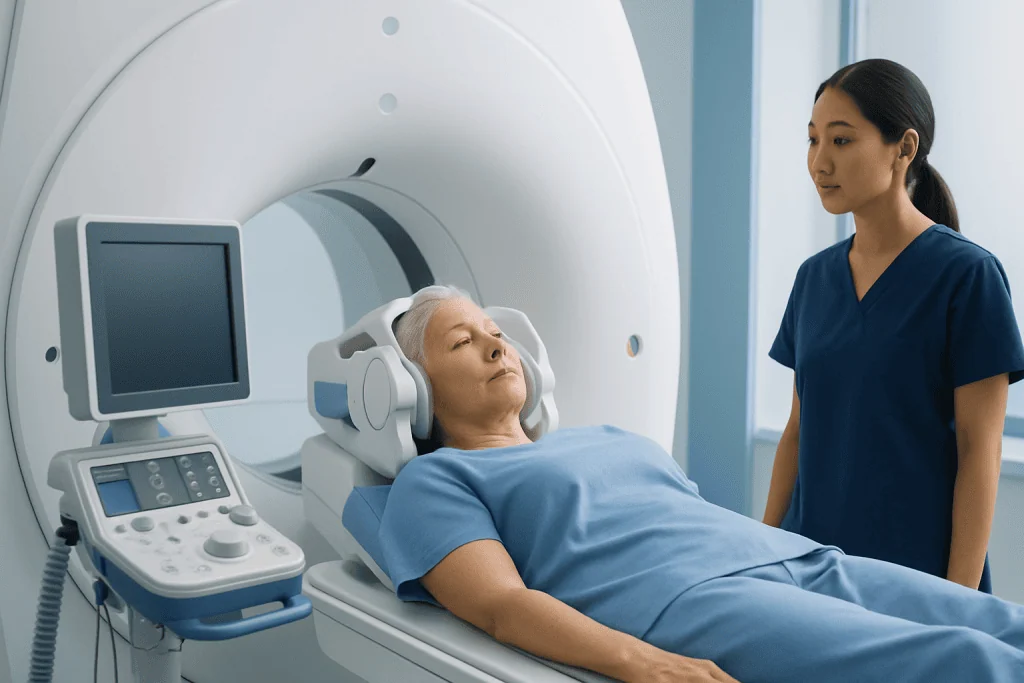
Cognitive screening tests may be used to assess memory, attention, language, and executive function. Depending on the findings, the doctor may order blood tests to look for vitamin deficiency, thyroid problems, infection, or metabolic causes. In some cases, brain imaging such as MRI or CT scan is recommended to evaluate for stroke, structural brain changes, tumors, or other abnormalities.
If symptoms are complex, persistent, or progressive, referral to a neurologist, psychiatrist, sleep specialist, or geriatric specialist may be helpful. More detailed assessment can include neuropsychological testing or an EEG if seizures are suspected. The goal is not simply to label the problem, but to identify a cause that can be treated or monitored appropriately.
Treatment Options and What Helps Most
Treatment for forgetfulness depends on the cause. If poor sleep, stress, depression, medication side effects, or vitamin deficiency is responsible, improving or treating that issue often leads to better memory. This may involve adjusting medicines under medical supervision, treating sleep apnea, addressing anxiety or depression, correcting nutritional deficiencies, or improving blood sugar and thyroid control.
When forgetfulness is related to a neurological condition, treatment focuses on diagnosis, symptom management, safety, and preserving quality of life. For example, stroke-related memory problems may improve with rehabilitation, while cognitive decline from degenerative disease may need long-term monitoring and supportive care. If the underlying issue is a cerebrovascular event, urgent evaluation is important, particularly when symptoms began suddenly or are linked to weakness or speech changes, which may suggest stroke.
Practical strategies can make daily life easier regardless of the cause. Many people benefit from written reminders, calendars, smartphone alerts, consistent routines, keeping important items in one place, and reducing multitasking. Regular physical activity, hearing correction when needed, social engagement, and mentally stimulating activities may support brain health over time.
For international patients who need further assessment, Acibadem International’s multidisciplinary specialists in JCI-accredited hospitals diagnose and treat memory-related conditions with coordinated neurological, psychiatric, and imaging services.
Prevention and Self-care for Better Memory
Not all forgetfulness can be prevented, but healthy habits can reduce risk and support better brain function. Sleep is one of the most important factors because the brain uses sleep to process and store memories. A consistent sleep schedule, limiting late caffeine and alcohol, and seeking treatment for heavy snoring or daytime sleepiness can make a meaningful difference.
Managing cardiovascular health also matters. High blood pressure, diabetes, obesity, and smoking can affect blood vessels in the brain over time. Regular exercise, a balanced diet rich in vegetables, fruit, whole grains, and healthy fats, and routine medical care can support both heart and brain health.
Stress management is another key part of self-care. Mindfulness, breathing exercises, counseling, and realistic workload planning may improve focus and reduce the feeling of mental overload. Social connection, hearing support when needed, and staying mentally active through reading, conversation, hobbies, or learning new skills may also help maintain cognitive function.
It is safest to avoid self-diagnosing with internet checklists alone. If forgetfulness is increasing, affecting daily life, or causing concern to family members, timely medical advice is the best next step.
When to Seek Medical Care
A routine medical appointment is appropriate when forgetfulness is persistent, getting worse, or affecting work, home responsibilities, medication management, finances, or driving. It is also wise to seek care if family members notice clear changes in memory, behavior, judgment, or communication, even if the person affected feels mostly well.
Urgent medical care is needed if forgetfulness starts suddenly or is accompanied by confusion, difficulty speaking, facial drooping, weakness, numbness, severe headache, seizure, loss of consciousness, or trouble walking. These symptoms can point to a medical emergency and should not be ignored. New forgetfulness after a head injury also needs prompt medical evaluation.
People with memory changes plus depression, hallucinations, major sleep disruption, or rapid decline should also be assessed without delay. Early evaluation may identify a reversible cause and can also help patients and families plan the right support if a chronic condition is found.
Frequently asked questions
Is forgetfulness a normal part of aging?
Some mild slowing in recall can happen with age, such as needing more time to remember names or appointments. However, forgetfulness that disrupts daily life, worsens over time, or affects safety is not considered a normal part of aging and should be evaluated.
Does forgetfulness always mean dementia?
No. Forgetfulness can be caused by stress, poor sleep, anxiety, depression, medication side effects, vitamin deficiencies, thyroid problems, and many other treatable conditions. Dementia is only one possible cause, and doctors look at the full pattern of symptoms before making that diagnosis.
Can stress and lack of sleep cause memory problems?
Yes. Stress and sleep deprivation can make it hard to focus, and if attention is poor, new information may not be stored well. This can feel like memory loss even when the main problem is reduced concentration or mental fatigue.
What tests are used to check forgetfulness?
Doctors usually begin with a medical history, physical examination, and brief cognitive testing. They may also order blood tests and, when needed, brain imaging such as MRI or CT to look for underlying medical or neurological causes.
Can forgetfulness be reversed?
In some cases, yes. If the cause is related to medication effects, vitamin deficiency, thyroid disease, depression, sleep problems, or another treatable condition, memory may improve after the underlying issue is addressed. When forgetfulness is caused by a progressive neurological disease, treatment may not reverse it but can still help manage symptoms and improve quality of life.
When should someone see a doctor for forgetfulness?
A person should seek medical advice if forgetfulness is frequent, worsening, or interfering with daily activities such as work, finances, medications, or driving. Urgent care is needed if memory problems begin suddenly or occur with confusion, weakness, speech trouble, severe headache, or after a head injury.
This article is for general information only and is not a substitute for professional medical advice. Please consult a qualified doctor about your individual situation.
Explore treatments in Turkey — costs, top hospitals & a free quote
JCI-accredited · board-certified surgeons · reply within 24h
Add us as a Preferred Source to see more of our trusted health content across Google Search, AI Overviews and Discover.
Check your numbers in seconds
BMI, calories, due date, blood pressure and 30+ more clinical calculators — free, instant, doctor-reviewed ranges.

More from the Health Library

Dupixent: An Evidence-Based Guide for Patients

Peroneals: What Patients Need to Know

Cupping therapy: A Complete Medical Guide for Patients

Barley Tea Benefits — Explained by Medical Evidence, Not Myths

Lump at Clavicle — Explained by Medical Evidence, Not Myths