

Cupping therapy: A Complete Medical Guide for Patients
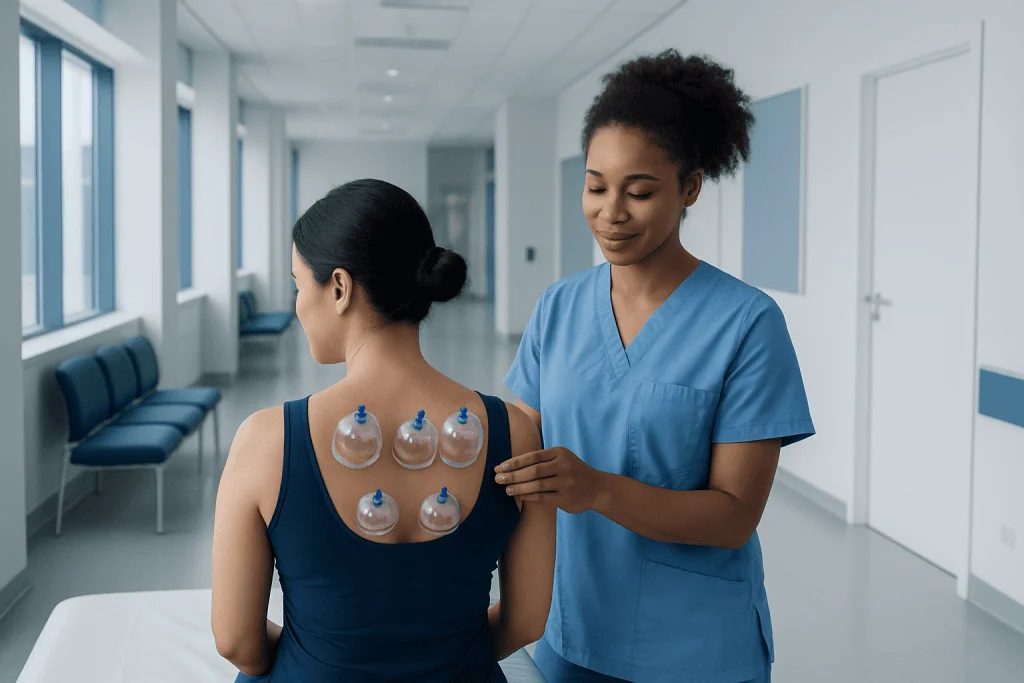
Cupping therapy places cups on the skin to create suction, most often as dry cupping or wet cupping. People commonly seek cupping therapy for muscle aches, back or neck tension, and recovery after physical activity.
Key Takeaways
- Cupping therapy places cups on the skin to create suction, most often as dry cupping or wet cupping.
- People commonly seek cupping therapy for muscle aches, back or neck tension, and recovery after physical activity.
- The most common side effects are round marks, bruising, skin irritation, and temporary soreness.
- Wet cupping carries extra risks, including bleeding, infection, and scarring, if hygiene standards are poor.
- Cupping should not replace medical evaluation for severe pain, fever, weakness, numbness, breathing trouble, or other warning signs.
Cupping therapy is a traditional practice that uses suction on the skin, usually to help with muscle tension, soreness, and a sense of tightness. Some people find it relaxing or helpful for pain relief, but it also has risks, limits, and important safety considerations.
Overview: what cupping therapy is
Cupping therapy is a technique in which special cups are placed on the skin to create suction. This suction gently lifts the skin and the tissues beneath it for a short time. The method has been used in several traditional healing systems, and today it is offered in some rehabilitation, wellness, and complementary care settings.
There are two main forms. Dry cupping uses suction alone, while wet cupping combines suction with small superficial skin incisions so that a small amount of blood is drawn. Cups may be made of glass, silicone, bamboo, or plastic, and suction may be created with heat or a hand pump. The dark circular marks that can appear afterward are usually bruising-related skin changes rather than burns.
Many patients ask whether cupping therapy truly works. The most balanced answer is that some people report short-term relief of muscle tension or pain, but scientific evidence is mixed and the benefits may vary from person to person. It is best understood as a complementary approach, not a cure for underlying disease and not a substitute for diagnosis when symptoms are unexplained.
How cupping therapy may work
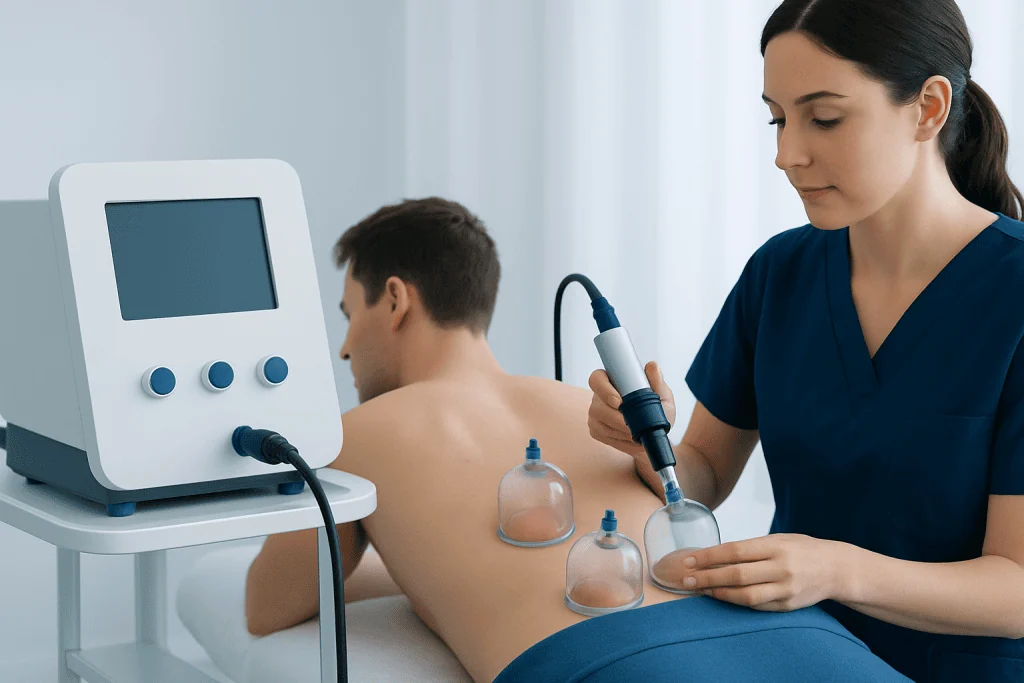
The exact way cupping therapy works is not fully established. One common explanation is that suction increases local blood flow and may temporarily change how muscles and connective tissues feel. This can create a sensation of reduced tightness or improved mobility, especially in areas such as the back, shoulders, or neck.
Researchers also discuss possible effects on the nervous system. Stimulation of the skin and soft tissues may alter pain signaling for a time, similar to other hands-on therapies. Some patients describe a feeling of warmth, pressure release, or relaxation after a session, which can also influence how pain is perceived.
However, it is important to keep expectations realistic. Cupping therapy does not remove toxins, cure internal disease, or correct structural problems by itself. When pain is ongoing, recurrent, or severe, a proper medical assessment is still important to look for causes such as muscle strain, nerve compression, arthritis, or inflammatory conditions.
Why people use cupping therapy
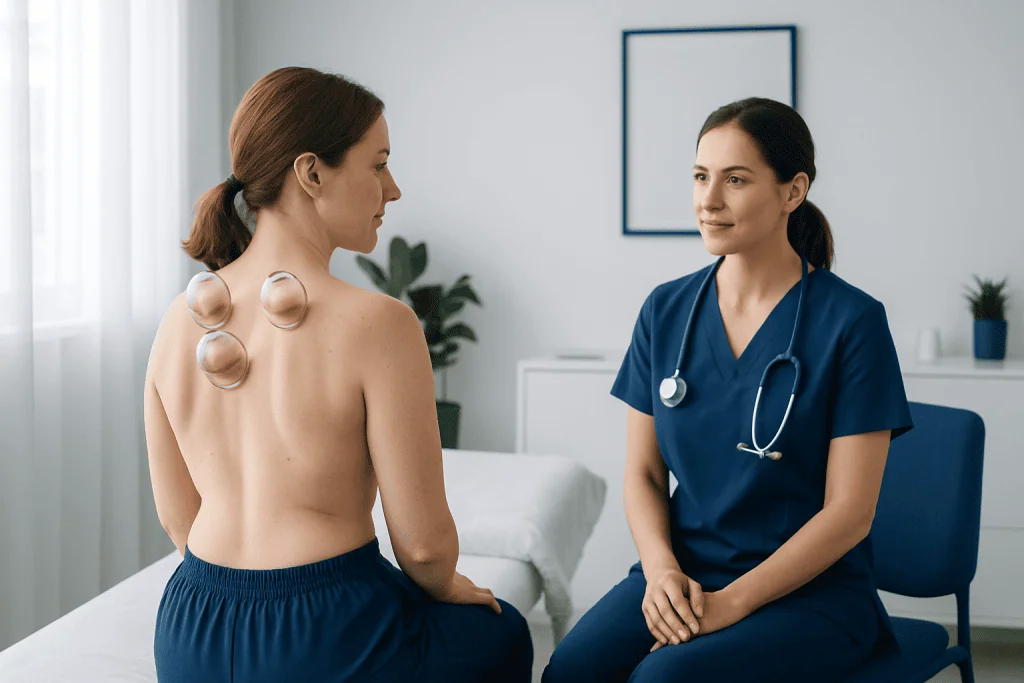
People most often seek cupping therapy for musculoskeletal discomfort. Common reasons include back pain, shoulder tightness, neck stiffness, sports-related muscle soreness, and a general feeling of tension. Some also use it as part of recovery programs that may include stretching, exercise therapy, massage, or rehabilitation.
In some settings, cupping is also used for headaches, fatigue, or a sense of physical stress. While some individuals feel symptom relief, responses are highly individual. Conditions such as persistent joint pain, nerve symptoms, or severe recurrent headaches should not be self-treated without medical advice because they may have causes that need formal evaluation.
For example, recurring back pain may be related to posture, overuse, or a spinal condition rather than simple muscle tightness. If a person has symptoms suggestive of a herniated disc or another nerve-related problem, cupping therapy alone is unlikely to address the root issue. In those cases, treatment plans may need targeted rehabilitation, imaging, or specialist care.
What happens during a session
Before treatment, a qualified practitioner should ask about the person’s symptoms, medical history, medications, skin conditions, and reasons for seeking care. The skin is usually cleaned, and cups are placed on selected areas for several minutes. With silicone or plastic cups, suction can be adjusted. Some practitioners keep the cups in one place, while others gently move them across oiled skin, a technique sometimes called sliding cupping.
Dry cupping usually causes a pulling or pressure sensation rather than sharp pain. After the cups are removed, circular red, purple, or brown marks are common and may last for days to a couple of weeks depending on skin tone and individual healing. Mild tenderness can also occur.
Wet cupping is more invasive. It involves brief suction, tiny superficial skin cuts, and then repeated suction to draw a small amount of blood. Because this method breaks the skin barrier, it requires careful infection control, proper disposal of sharps, and strict hygiene. Patients should feel comfortable asking how equipment is sterilized and whether single-use items are used where appropriate.
Potential benefits, limits, and side effects
The potential benefits of cupping therapy are usually described in practical terms: temporary pain relief, reduced feeling of tightness, and a sense of relaxation. Some people also feel more comfortable moving after treatment, especially when symptoms are related to muscle overuse. For selected patients, this may make it easier to participate in broader treatment plans such as exercise, posture work, or physical therapy and rehabilitation.
At the same time, the limits matter. Cupping therapy has not been proven to reliably treat all painful conditions, and benefit may be short-lived. If symptoms continue despite repeated sessions, it is sensible to reassess the diagnosis instead of increasing frequency without a clear reason.
Common side effects include bruising, circular skin marks, temporary soreness, lightheadedness, and mild skin irritation. Less common but more important risks include burns from heat-based cupping, blistering, worsening of eczema or fragile skin, infection, and scarring. Wet cupping carries greater risk than dry cupping because it involves skin cuts and blood exposure.
- Common: bruising, redness, tenderness, fatigue after the session
- Less common: blistering, burns, skin infection, allergic reaction to oils or materials
- Higher-risk with wet cupping: bleeding, scarring, blood-borne infection if equipment is not handled safely
Who should avoid cupping therapy or use caution
Cupping therapy is not suitable for everyone. It should generally be avoided on broken skin, active rashes, sunburn, infected areas, or areas with recent surgery. It is also not appropriate over blood clots, unstable fractures, or suspicious skin lesions. People with bleeding disorders or those who take blood-thinning medication should be especially cautious, particularly with wet cupping.
Extra caution is also needed in pregnancy, in very frail individuals, and in people with poor wound healing, uncontrolled diabetes, severe anemia, or significant heart disease. Patients with very sensitive skin, a history of <a href="https://acibademinternational.com/diseases/keloid-scars/”>keloid scars, or certain dermatologic conditions may be more likely to have prolonged marks or irritation. For skin-related concerns, an assessment by dermatology may be more appropriate than proceeding directly with cupping.
Cupping should not be used as a substitute for evidence-based treatment when a clear medical condition is present. For example, chest pain, severe shortness of breath, weakness on one side, or signs of infection require urgent medical care, not a complementary therapy session. If the diagnosis is uncertain, the safest step is to speak with a qualified clinician first.
How doctors evaluate symptoms before recommending any therapy
A good medical evaluation focuses on the symptom, not just the preferred therapy. If someone has persistent back, shoulder, or neck pain, a doctor will usually ask when it started, whether there was an injury, what movements make it worse, and whether there are associated symptoms such as numbness, weakness, fever, weight loss, or sleep disturbance. This helps distinguish simple muscle strain from problems that need more attention.
The examination may include checking range of motion, tenderness, strength, reflexes, posture, and gait. In many cases, no imaging is needed at first. However, if pain is severe, follows trauma, or includes red flags such as neurologic symptoms, the doctor may consider tests or referral. In some cases, supportive care may include pain management or specialist rehabilitation rather than complementary therapy alone.
This patient-centered approach can help identify who might try cupping therapy as an adjunct and who should pursue another path. If an underlying condition is found, treatment should address that cause. Complementary methods can sometimes fit into a broader plan, but they work best when guided by a clear diagnosis.
When to seek medical care
Medical advice is important if pain is intense, keeps returning, or lasts longer than expected. A person should also speak with a doctor before trying cupping therapy if they have a chronic illness, use blood thinners, have a bleeding disorder, or are considering wet cupping. Professional guidance helps reduce risk and improves the chance of choosing the most appropriate treatment.
Urgent medical attention is needed for warning signs such as chest pain, trouble breathing, fever with severe back pain, new weakness, numbness, loss of bladder or bowel control, confusion, or signs of skin infection after treatment such as spreading redness, pus, or increasing warmth. These symptoms can point to conditions that need prompt diagnosis.
For international patients seeking coordinated assessment, Acibadem International’s multidisciplinary specialists in JCI-accredited hospitals evaluate pain complaints and supportive treatment options in a structured medical setting. The most helpful plan may include rehabilitation, imaging, or targeted care rather than relying on one method alone.
Frequently asked questions
Is cupping therapy painful?
Dry cupping usually feels like tight pulling or pressure rather than sharp pain. Mild soreness can happen afterward, especially in sensitive areas. Wet cupping may be more uncomfortable because it involves small skin cuts.
How long do cupping marks last?
The circular marks often last several days and sometimes up to two weeks, depending on skin tone, skin sensitivity, and how strong the suction was. These marks are usually a form of bruising and tend to fade on their own. If the skin becomes very painful, blistered, or shows signs of infection, medical advice is important.
Does cupping therapy help back pain?
Some people with muscular back tension or soreness report short-term relief after cupping therapy. However, the evidence is mixed, and it may not help pain caused by nerve compression, fracture, infection, or inflammatory disease. Back pain that is severe, persistent, or associated with numbness or weakness should be assessed by a doctor.
What is the difference between dry cupping and wet cupping?
Dry cupping uses suction only and does not break the skin. Wet cupping includes small superficial cuts before a second round of suction draws out a small amount of blood. Because wet cupping breaks the skin barrier, it has higher risks of infection, bleeding, and scarring.
Who should not have cupping therapy?
People with bleeding disorders, those taking blood thinners, and those with broken or infected skin should generally avoid cupping unless a clinician advises otherwise. It also may not be suitable over varicose veins, recent surgical areas, unstable fractures, or suspicious skin lesions. Extra caution is needed in pregnancy and in people with poor wound healing.
Can cupping therapy replace medical treatment?
No. Cupping therapy is best viewed as a complementary option that may help some symptoms, not as a replacement for diagnosis or standard medical care. If symptoms are unexplained, worsening, or linked to warning signs, a medical evaluation is the safer and more effective first step.
References
- World Health Organization
- National Center for Complementary and Integrative Health
- Mayo Clinic
- Cochrane
- American Academy of Dermatology
This article is for general information only and is not a substitute for professional medical advice. Please consult a qualified doctor about your individual situation.
Explore treatments in Turkey — costs, top hospitals & a free quote
JCI-accredited · board-certified surgeons · reply within 24h
Add us as a Preferred Source to see more of our trusted health content across Google Search, AI Overviews and Discover.

More from the Health Library



Related Specialists

Assoc. Prof. Dr. Bertan Cengiz
Orthopedic Surgery & Traumatology
Dr. Filiz Candan Topuz
Gynecology & Obstetrics
Dr. Funda Güneri
Dermatology
Dr. Tülay Aslan Yayla
Neurosurgery