Surgical and Cosmetic: Procedure, Recovery and Results

Surgical and cosmetic care may be reconstructive, aesthetic, or both, depending on the person’s needs and goals. The best procedure is individualized after a medical assessment, discussion of alternatives, and review of realistic outcomes.
Key Takeaways
- Surgical and cosmetic care may be reconstructive, aesthetic, or both, depending on the person’s needs and goals.
- The best procedure is individualized after a medical assessment, discussion of alternatives, and review of realistic outcomes.
- Recovery occurs in stages; swelling, bruising, and temporary changes in sensation can take weeks or months to settle.
- All procedures carry risks, including bleeding, infection, scarring, anesthesia-related problems, and dissatisfaction with appearance.
- Following preoperative and aftercare instructions supports healing and helps reduce preventable complications.
Surgical and cosmetic procedures are planned operations or minimally invasive treatments intended to improve appearance, restore form after injury or illness, or address functional concerns. A safe, satisfying experience depends on appropriate candidacy, realistic expectations, qualified surgical care, and careful recovery planning.
Surgical and Cosmetic Procedures: An Overview
Surgical and cosmetic procedures include operations and minimally invasive treatments that change, refine, restore, or reconstruct a part of the body. They may be chosen for appearance-related reasons, to improve comfort or function, or after events such as trauma, weight change, pregnancy, cancer treatment, or congenital differences. The term can describe many options, from facial surgery and breast procedures to body contouring, scar revision, and injectables.
Cosmetic procedures are generally performed to improve appearance in a person who does not have a medical disease requiring surgery. Reconstructive plastic surgery aims to restore form or function after an injury, illness, birth difference, or previous treatment. In practice, the distinction is not always absolute: a procedure may improve appearance while also reducing symptoms or supporting daily comfort.
Results depend on the procedure, the person’s anatomy and skin quality, healing response, lifestyle, and the expertise of the clinical team. A consultation with a qualified plastic surgeon or relevant specialist helps a person understand whether surgery, a less invasive treatment, or no procedure is the most appropriate choice.
How Surgical and Cosmetic Care Works
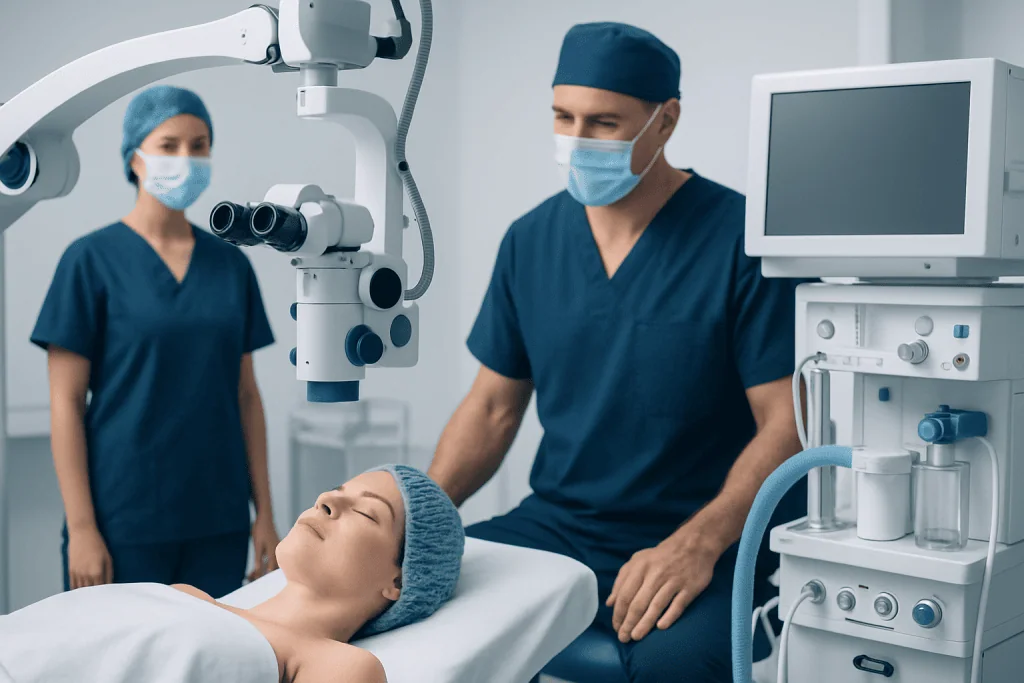
Aesthetic surgery works by changing tissues in a controlled way. Depending on the treatment, a surgeon may remove excess skin or fat, reposition tissue, reshape cartilage or bone, add volume with an implant or fat transfer, tighten underlying supportive structures, or improve the appearance of scars. Non-surgical options may relax selected muscles, restore volume, resurface the skin, or reduce small areas of fat.
The approach should be based on a person’s goals and physical findings rather than a single ideal appearance. A surgeon evaluates proportions, tissue quality, previous scars, medical conditions, and the likely trade-offs of each option. For example, a more extensive operation may provide a larger or longer-lasting change but also involve more visible scarring and a longer recovery.
It is important to recognize that surgery can enhance or restore features, but it cannot create perfection or resolve every concern about body image. Clear communication about desired changes, acceptable scars, likely recovery needs, and realistic limits is central to informed decision-making.
- Surgical options usually provide structural or more substantial changes but require incisions and recovery time.
- Minimally invasive options may involve less downtime but may need repeat treatment and have more limited effects.
- Observation or supportive care can be appropriate when the expected benefit of a procedure is small or risks outweigh potential gains.
Who May Be a Candidate?

Suitable candidates are usually adults in good overall health who have specific, stable goals and understand the potential benefits, limitations, scars, and risks. Some procedures may be appropriate for younger people when there is a clear functional or reconstructive reason, but this requires particularly careful assessment of growth, maturity, and family support.
During an evaluation, the clinician may ask about medical conditions, allergies, medications, supplements, smoking or nicotine use, previous surgery, history of abnormal scars, blood-clotting concerns, pregnancy plans, and mental well-being. Conditions such as poorly controlled diabetes, active infection, significant heart or lung disease, and certain bleeding disorders may need to be addressed before elective surgery.
Smoking, vaping, and other nicotine exposure can reduce blood flow and substantially interfere with wound healing. A surgeon may advise stopping nicotine well before and after an operation. People considering body contouring are often encouraged to reach a stable weight first, as major future weight changes can affect surgical results.
Emotional readiness matters as well. A person should feel free from pressure by others, have realistic expectations, and be able to arrange help during the early recovery period. If there are significant concerns about body image, anxiety, depression, or an eating disorder, additional support from a qualified mental health professional may be helpful before proceeding.
What Happens Before, During, and After the Procedure?
The process begins with a consultation. The surgeon discusses goals, examines the relevant area, reviews medical history, and explains suitable techniques and alternatives. Clinical photographs, measurements, blood tests, imaging, or clearance from another doctor may be needed for selected procedures. The patient should be given enough time to consider the plan, ask questions, and review consent information.
Before surgery, patients commonly receive instructions about fasting, medications, alcohol, nicotine, skin preparation, transport home, and arranging an adult caregiver if sedation or general anesthesia is used. Medicines and supplements that can affect bleeding should only be stopped or adjusted under the advice of the surgical and prescribing teams.
On the day of surgery, the treatment area may be marked while the person is awake. Local anesthesia, sedation, or general anesthesia is selected according to the procedure and the patient’s health. The surgeon then performs the planned steps, closes incisions with sutures, adhesive strips, or other dressings, and may place drains or compression garments when needed. Many procedures are day cases, while more extensive operations may require overnight observation.
Afterward, the recovery team monitors comfort, breathing, circulation, nausea, and the surgical site. Written instructions should explain wound care, activity limits, pain management, follow-up appointments, and signs that require urgent medical attention. Patients should not drive, make major decisions, or stay alone immediately after anesthesia unless their care team confirms it is safe.
Recovery Timeline and Expected Results
Recovery is gradual and differs widely between procedures. In the first few days, soreness, swelling, bruising, tightness, fatigue, and limited mobility can be expected. The care team may recommend rest with short, gentle walks, compression garments, elevation of the treated area, and specific wound-care measures. Pain relief should be taken only as directed.
Many people return to desk-based work or light routines after several days to a few weeks, depending on the operation. Strenuous exercise, heavy lifting, swimming, contact sports, and direct sun exposure to healing scars may need to be avoided for longer. Follow-up visits allow the surgeon to assess healing, remove sutures or drains if needed, and advise when normal activity can resume.
Early results are often obscured by swelling and tissue settling. Bruising may fade within weeks, but swelling, scar maturation, and changes in sensation can continue for several months. Final results after major surgery may not be fully apparent for up to a year. Scars are permanent, although they commonly soften and fade over time with appropriate care.
For people exploring a planned operation, plastic surgery treatment options can help frame the role of specialist assessment, individualized technique selection, and structured aftercare. Maintaining a stable weight, avoiding nicotine, protecting healing skin from sun, and attending follow-up appointments can support the long-term result.
Benefits, Risks, and How to Reduce Complications
Potential benefits of surgical and cosmetic care include improved proportion or contour, restoration after injury or treatment, greater physical comfort, improved function in selected cases, and increased confidence for some people. Benefits should be considered alongside the recovery period, visible scars, financial and practical commitments, and the possibility that a revision procedure may sometimes be needed.
All surgical procedures have risks. These can include bleeding, fluid collection, infection, delayed wound healing, unfavorable scarring, numbness or altered sensation, asymmetry, persistent swelling, blood clots, anesthesia-related complications, and dissatisfaction with the outcome. Procedure-specific risks vary, so a surgeon should explain the relevant risks in detail before consent is given.
Risk reduction starts with choosing an appropriately trained, licensed surgeon and an accredited facility. It also includes sharing an accurate medical history, following medication and nicotine instructions, keeping dressings and incisions clean as advised, avoiding unapproved supplements or treatments, and attending scheduled reviews. Patients should be cautious about online images, filters, and promises of guaranteed outcomes, as these can create unrealistic expectations.
A well-planned consultation includes discussion of what can reasonably be achieved, what cannot be changed, and what may happen if healing does not proceed as expected. A person should feel comfortable seeking a second opinion before elective surgery, particularly when the procedure is extensive or their goals remain uncertain.
When to Seek Medical Care
Patients should contact their surgical team promptly if they develop increasing rather than improving pain, rapidly worsening swelling, persistent bleeding, a fever, spreading redness, foul-smelling drainage, wound opening, or a new rash after a procedure. These symptoms do not always mean there is a serious problem, but early assessment can prevent complications from progressing.
Emergency care is needed for trouble breathing, chest pain, fainting, confusion, coughing blood, sudden one-sided leg swelling or pain, or severe allergic symptoms such as swelling of the face or throat. These symptoms may have causes unrelated to surgery, but they require urgent evaluation.
Anyone considering a procedure should seek medical advice if they have an active skin infection, uncontrolled long-term health condition, are pregnant or breastfeeding, are taking anticoagulant medicine, or have a history of serious reactions to anesthesia. A qualified clinician can advise on timing, safety, and alternatives.
Acibadem International’s multidisciplinary specialists and JCI-accredited hospitals assess and treat surgical and cosmetic concerns for international patients, with care plans based on individual clinical needs and informed decision-making.
Frequently asked questions
What is the difference between cosmetic and reconstructive surgery?
Cosmetic surgery is generally intended to improve or change appearance based on personal goals. Reconstructive surgery aims to restore form or function after a congenital difference, injury, cancer treatment, illness, or previous operation. Some procedures may have both cosmetic and reconstructive benefits.
How long does recovery from cosmetic surgery take?
Recovery varies according to the procedure, the area treated, the type of anesthesia, and individual healing. Initial bruising and discomfort often improve over days or weeks, while swelling and scar maturation can continue for months. The surgical team provides the most accurate activity timeline for each individual procedure.
Are surgical and cosmetic procedures safe?
These procedures can be performed safely when they are appropriately planned and carried out by qualified clinicians in suitable facilities. However, no surgery is risk-free, and complications such as bleeding, infection, scarring, or anesthesia reactions are possible. A preoperative assessment and following aftercare instructions help reduce avoidable risk.
Will cosmetic surgery leave scars?
Most surgical procedures require incisions and therefore leave scars. Surgeons usually place incisions where scars can be concealed when possible, but scar appearance varies by procedure, skin type, genetics, and healing. Scars generally improve gradually, although they do not disappear completely.
When will the final results be visible?
Some changes are visible soon after treatment, but early swelling and bruising can temporarily obscure the result. Less invasive treatments may settle within days or weeks, while major surgery can take several months to a year for tissues and scars to mature. The surgeon can explain the expected timeline for the planned procedure.
Can a person have surgery if they smoke or vape?
Nicotine can impair circulation and increase the risk of wound-healing problems, infection, tissue damage, and poor scarring. Many surgeons require patients to stop smoking, vaping, and other nicotine products for a defined period before and after surgery. The exact plan should be agreed with the surgeon and the clinician who manages any nicotine-dependence treatment.
References
- American Society of Plastic Surgeons
- U.S. Food and Drug Administration
- National Health Service
- American Society of Anesthesiologists
This article is for general information only and is not a substitute for professional medical advice. Please consult a qualified doctor about your individual situation.
Oncology care in Turkey — second opinion and treatment plan
JCI-accredited · board-certified surgeons · reply within 24h
Add us as a Preferred Source to see more of our trusted health content across Google Search, AI Overviews and Discover.