Free Therapy Options: What Patients Should Know Before They Start

Free therapy options may include community clinics, crisis lines, support groups, student training clinics, charities, and selected digital services. Not every free service provides the same level of care, so it is important to check credentials, privacy, and the type of support offered.
Key Takeaways
- Free therapy options may include community clinics, crisis lines, support groups, student training clinics, charities, and selected digital services.
- Not every free service provides the same level of care, so it is important to check credentials, privacy, and the type of support offered.
- Free support can be very helpful for stress, anxiety, grief, and coping, but some people may need more structured treatment from a licensed professional.
- Emergency symptoms such as suicidal thoughts, self-harm risk, or inability to stay safe require urgent medical help, not routine free counseling alone.
- Patients should ask practical questions before starting, including who provides the service, how information is protected, and what happens if symptoms worsen.
Free therapy options can make mental health support more accessible for people who are worried about cost. Understanding what these services offer, how to judge quality, and when to seek more urgent care can help patients choose safely and confidently.
Overview: What Free Therapy Options Usually Mean
Free therapy options are mental health services that people can use without direct payment at the time of care, or with very limited cost. These may be offered by public health systems, community mental health centers, charities, universities, nonprofits, faith-based organizations, crisis services, or online platforms with no-cost programs. The term can include one-to-one counseling, group support, helplines, psychoeducation, and short-term emotional support.
It is helpful to know that “free therapy” is not one single type of care. Some services are delivered by licensed psychologists, psychiatrists, counselors, or social workers. Others may be provided by supervised trainees, trained peers, volunteers, or crisis specialists. This does not automatically make a service poor quality, but it does mean patients should understand what kind of support they are receiving.
For many people, free options are a practical first step. They can reduce delays, offer support during difficult periods, and help someone decide whether they need longer-term care. At the same time, free services may have limits, such as shorter sessions, waiting lists, fewer appointment choices, or a narrower range of treatments than private care.
Who May Benefit From Free Therapy Support
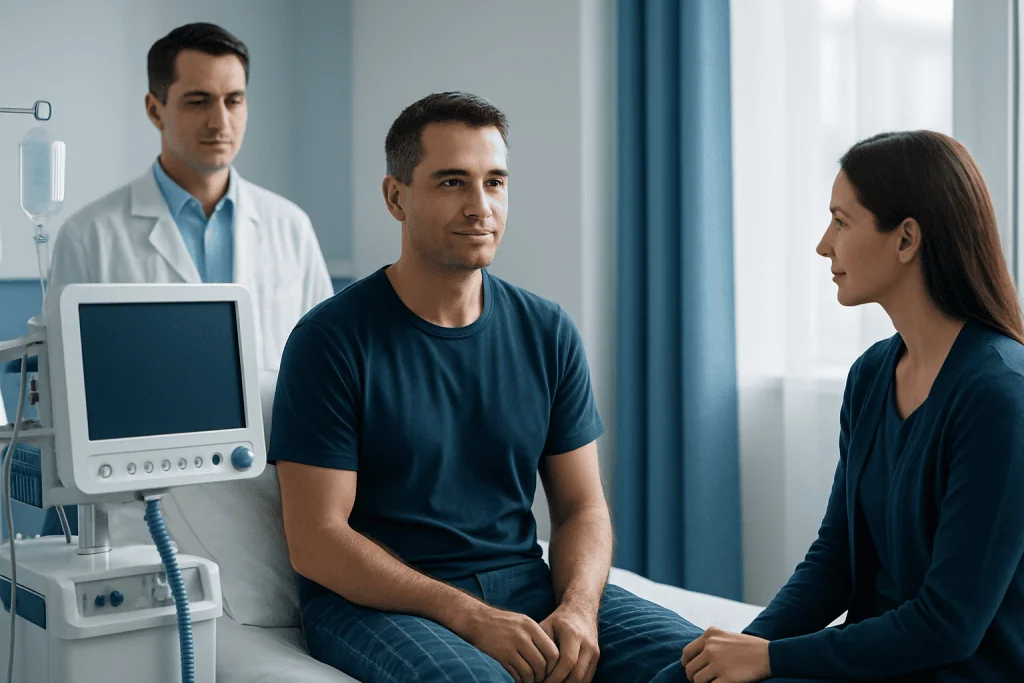
Free therapy options may help people who are experiencing mild to moderate stress, anxiety, low mood, grief, relationship strain, loneliness, caregiver burden, academic pressure, or adjustment to a major life event. They can also support people who are unsure whether they need formal treatment and want an initial conversation with a trained professional or support worker.
Young adults, students, older adults, refugees, people with low income, and those living in areas with limited services may especially benefit from community-based and publicly funded mental health programs. Some workplaces, schools, universities, and community centers also provide no-cost counseling or emotional support for specific groups.
However, free support is not always enough on its own. People with severe depression, active trauma symptoms, psychosis, substance dependence, eating disorders, bipolar disorder, or ongoing safety concerns often need more comprehensive assessment and treatment. In such cases, free services may still be useful as part of care, but they should not replace appropriate medical evaluation.
Common Types of Free Therapy Options

Patients may come across several kinds of free mental health support. Community mental health clinics often provide assessment, counseling, case management, and referral services. Crisis lines and text services can offer immediate emotional support and safety planning. Support groups, whether in person or online, may help people feel less alone by connecting them with others facing similar challenges.
University or training clinics are another common option. These settings may offer reduced-cost or free therapy provided by graduate trainees under close supervision from experienced licensed clinicians. Many patients find these services helpful, especially for common concerns such as anxiety, stress, or life transitions.
Digital resources can also play a role. Some nonprofit organizations and public health systems provide free self-help tools, guided cognitive behavioral strategies, educational modules, or short check-in services. These can be useful for learning coping skills, but they are not the same as a full therapeutic relationship.
- Community clinics and public mental health centers
- Crisis hotlines, text lines, and urgent emotional support services
- Peer support groups and condition-specific groups
- Student counseling services and university training clinics
- Charity- or nonprofit-funded counseling programs
- Free online mental health education and self-help tools
What to Check Before Starting
Before starting any free therapy service, patients should look at who provides the care. A trustworthy service should clearly explain whether support comes from a licensed therapist, psychiatrist, psychologist, social worker, supervised trainee, or peer counselor. Knowing this helps set realistic expectations about what the service can and cannot do.
Privacy is another key point. Patients should feel comfortable asking how personal information is stored, who can access it, and whether sessions are confidential. This is especially important for online platforms, messaging services, and video-based support. If a service is unclear about privacy practices, it is reasonable to ask more questions or consider another option.
It is also helpful to ask about the structure of care. Important questions include how long the waiting time is, how many sessions are offered, whether care is short-term or ongoing, and what happens if symptoms worsen. A good service should be able to explain referral pathways if someone needs psychiatry, medication assessment, or more specialized treatment such as psychotherapy.
- Who is providing the support, and what are their credentials?
- Is the service confidential, and how is information protected?
- How many sessions are available, and how long are they?
- Is the service crisis support, brief counseling, group care, or formal therapy?
- What referral options exist if more advanced care is needed?
Benefits and Limitations of Free Therapy
The greatest benefit of free therapy options is access. Cost is one of the most common barriers to mental health care, and no-cost services can make support available much sooner for many people. They may also reduce stigma by offering care in familiar settings such as schools, community centers, or primary care clinics.
Free services can be meaningful and effective, especially when they are evidence-based, well supervised, and matched to the patient’s needs. People may gain practical coping strategies, emotional validation, problem-solving support, and guidance on next steps. In some cases, early support can prevent symptoms from becoming harder to manage.
Still, free care can have limitations. Sessions may be brief, scheduling may be less flexible, and continuity may be harder if programs depend on funding or academic calendars. Some services focus on immediate support rather than long-term therapy, and not all are designed to treat complex conditions such as depression or severe trauma in depth. Patients should see free therapy as one part of a mental health care pathway rather than a one-size-fits-all solution.
When Free Support May Not Be Enough
Some mental health concerns need more than general emotional support. If symptoms are persistent, severe, or affecting daily life in major ways, a full assessment by a qualified clinician is important. This may include a psychologist, psychiatrist, family doctor, or another licensed mental health professional who can evaluate mood, functioning, sleep, concentration, safety, and possible physical health contributors.
People who have repeated panic attacks, major changes in sleep or appetite, intense hopelessness, self-harm urges, suicidal thoughts, hearing or seeing things others do not, or substance misuse should not rely on informal support alone. These symptoms can signal conditions that require prompt diagnosis and structured treatment. In some cases, doctors may recommend combined care such as counseling plus psychiatric evaluation and treatment.
Free services can still be valuable in these situations, especially while someone is waiting for specialist care. They may provide check-ins, crisis guidance, family education, or help navigating services. But they should be used alongside, not instead of, urgent or specialist assessment when symptoms are serious.
How to Make the Most of Free Therapy Options
Patients often benefit most when they begin with a simple goal. This might be learning ways to manage anxiety, coping with grief, improving sleep habits, or finding support during a stressful period. Clear goals can help the patient and the provider decide whether the service is a good fit and whether additional care is needed.
It is also helpful to prepare for sessions. Writing down symptoms, recent stressors, questions, medications, and any past mental health treatment can make conversations more productive. If a service offers only a small number of sessions, patients may want to focus on practical strategies and ask for trusted referrals early.
Self-care can strengthen the benefits of therapy support. Regular sleep, balanced meals, physical activity, social connection, and limiting alcohol or recreational drugs may help mood and coping. Some people may also benefit from learning about related conditions such as anxiety so they better understand their symptoms and treatment options.
For patients who need further evaluation or ongoing care, multidisciplinary specialists at Acibadem International and its JCI-accredited hospitals also diagnose and treat mental health conditions for international patients.
When to Seek a Doctor or Emergency Help
A doctor should be consulted if emotional symptoms last more than a few weeks, keep returning, or begin to affect work, school, relationships, appetite, sleep, or physical health. Medical evaluation is also important if symptoms start after childbirth, major illness, medication changes, or substance use, since physical and mental health often influence one another.
Urgent help is needed if a person feels unable to stay safe, has suicidal thoughts, is planning self-harm, is at risk of harming others, or seems confused, detached from reality, or unable to care for basic needs. In these situations, patients should contact local emergency services, go to the nearest emergency department, or use an urgent crisis line right away.
Free therapy options can be a valuable bridge to care, but safety comes first. If there is any doubt about the seriousness of symptoms, it is better to seek immediate professional advice than to wait for a routine counseling appointment.
Frequently asked questions
Are free therapy options really helpful?
They can be very helpful, especially for stress, anxiety, grief, and early emotional difficulties. The benefit depends on the quality of the service, the training of the provider, and whether the support matches the person’s needs.
What is the difference between free therapy and a support group?
Therapy usually involves a trained mental health professional or supervised trainee working on symptoms, coping skills, and treatment goals. A support group focuses more on shared experience, encouragement, and peer connection, although it may still be led by a professional.
Can free therapy replace private mental health treatment?
Sometimes it can meet a person’s needs, particularly for short-term support or milder concerns. But people with severe, complex, or long-lasting symptoms may need more comprehensive care, including formal diagnosis and specialist treatment.
How can patients tell if a free service is trustworthy?
It helps to check who provides the care, what qualifications they have, how privacy is protected, and what the service is designed to do. Reputable programs are usually clear about confidentiality, supervision, crisis procedures, and referral pathways.
What should a patient do if free therapy is not enough?
They should ask for a referral to a licensed therapist, psychiatrist, primary care doctor, or community mental health clinic. If symptoms are worsening or daily functioning is affected, seeking a fuller assessment sooner is important.
Are online free therapy tools the same as speaking to a therapist?
No. Online tools may teach coping techniques, mood tracking, or self-help strategies, but they do not always provide personalized assessment or an ongoing therapeutic relationship. They are often best used as a supplement rather than a complete substitute for professional care.
References
- World Health Organization
- National Institute of Mental Health
- National Health Service
- American Psychiatric Association
This article is for general information only and is not a substitute for professional medical advice. Please consult a qualified doctor about your individual situation.
Explore treatments in Turkey — costs, top hospitals & a free quote
JCI-accredited · board-certified surgeons · reply within 24h
Add us as a Preferred Source to see more of our trusted health content across Google Search, AI Overviews and Discover.

More from the Health Library



Related Specialists

Dr. Selin Berk
Hematology
Dr. Nalyan Shener Gulagız
Emergency Service
Dr. Dilara Akman
Infectious Diseases & Clinical Microbiology
Asst. Prof. Dr. Deniz Demircioğlu
Dermatology