Frission: A Complete Medical Overview

Frission is usually a normal emotional and physical response, not an illness. Common triggers include music, awe, surprise, moving memories, and strong emotional experiences.
Key Takeaways
- Frission is usually a normal emotional and physical response, not an illness.
- Common triggers include music, awe, surprise, moving memories, and strong emotional experiences.
- Brief goosebumps without other symptoms are generally harmless.
- Repeated episodes with fainting, chest pain, confusion, or seizure-like symptoms should be assessed by a doctor.
- Doctors diagnose concerning symptoms by ruling out neurological, heart-related, hormonal, and anxiety-related causes.
Frission is a short-lived wave of chills, goosebumps, tingling, or shivers triggered by emotion, music, memories, or sudden meaning. In most cases it is a normal brain-body response rather than a disease, though similar sensations can sometimes overlap with medical conditions that deserve evaluation.
Overview: What Frission Means
Frission refers to a sudden, brief sensation of chills, shivers, tingling, or goosebumps that can happen during emotionally powerful experiences. Many people notice it while listening to music, watching a meaningful scene, hearing a moving speech, recalling a memory, or feeling awe. The experience is often pleasant or emotionally intense, and it usually fades within seconds to minutes.
In everyday use, frission is closely related to the term frisson, which describes an emotional thrill with a physical response. The body may react with goosebumps, a wave up the spine, tearing up, a racing heartbeat, or a feeling of “being moved.” This is generally considered part of the normal connection between the brain, emotions, and the autonomic nervous system.
Frission itself is not usually a medical diagnosis. However, because chills, tingling, or sudden body sensations can also occur in anxiety, hormonal shifts, fever, migraine, or certain neurological conditions, context matters. A doctor may look more closely when episodes are unexplained, frequent, distressing, or associated with other symptoms.
What Frission Feels Like
People describe frission in different ways, but the pattern is often recognizable. It tends to begin suddenly, peak quickly, and settle on its own. The sensation may start on the scalp, neck, shoulders, or spine and then spread through the body.
Common features can include:
- Goosebumps or raised hairs on the skin
- A cool wave or shiver without being cold
- Tingling in the scalp, neck, arms, or back
- A lump in the throat or urge to cry
- Brief warmth, excitement, or emotional release
- A faster heartbeat or deeper breathing for a few moments
For many people, music is the best-known trigger. Certain changes in melody, harmony, rhythm, or a sudden entry of a voice or instrument may create a strong anticipatory emotional response. Others feel frission during moments of personal meaning, such as reunions, spiritual experiences, public ceremonies, or vivid memories.
On its own, this response is not typically a sign of disease. It becomes more medically relevant if it happens with pain, weakness, confusion, loss of consciousness, severe palpitations, or episodes that seem unrelated to emotion or sensory triggers.
Why Frission Happens

Frission appears to involve the brain’s systems for emotion, reward, attention, and autonomic control. When a person encounters something powerful or unexpectedly meaningful, the brain may briefly activate pathways linked to pleasure, anticipation, and arousal. This can lead to a physical reaction such as goosebumps, changes in heart rate, and a sensation of chills.
Music is a classic example because it combines expectation and surprise. The brain predicts what may happen next, and when a piece resolves in a satisfying or dramatic way, the emotional response can become physical. Similar mechanisms may be involved when a person experiences awe, empathy, beauty, or a sudden feeling of significance.
Individual differences matter. Some people seem more likely to experience frission than others, possibly because of differences in emotional sensitivity, personality traits, attention to sensory detail, or how strongly they respond to reward and novelty. This does not mean anything is wrong; it may simply reflect normal variation in human experience.
At the same time, the body’s stress and alertness systems can produce similar sensations. That is why clinicians may ask whether the episodes occur only in emotional contexts or also in situations suggestive of panic, fainting, infection, thyroid imbalance, or a neurological condition.
When Frission May Point to Something Else
Most frission is harmless, but not every chill or wave-like body sensation is the same phenomenon. Doctors may consider other causes when episodes are frequent, new, disruptive, or accompanied by symptoms that suggest a medical problem. The goal is not to label normal emotion as illness, but to avoid missing a condition that needs treatment.
Possible alternatives include anxiety or panic, medication effects, fever or infection, low blood sugar, thyroid problems, migraine, and some heart rhythm disturbances. Neurological causes can also be considered if there are unusual sensory symptoms, brief changes in awareness, involuntary movements, or repeated stereotyped episodes. In some cases, evaluation by specialists in neurology care may be appropriate.
Doctors also distinguish emotional chills from conditions that cause actual temperature dysregulation, persistent tremor, or repeated shivering. If the sensation comes with dizziness, shortness of breath, chest discomfort, fainting, weakness, headache, or confusion, it should not simply be assumed to be frission.
Sometimes frission-like experiences overlap with stress-related symptoms. A clinician may ask about sleep, mood, stimulants such as caffeine, recent illness, and any history of panic attacks or sensory sensitivity. If symptoms strongly relate to anxiety, support through mental health assessment and treatment can be helpful.
How Doctors Evaluate Concerning Symptoms
There is no single test for frission itself, because it is usually a normal experience rather than a disease. Medical evaluation focuses on the history of the episodes and whether another condition could explain them. A doctor will often ask what triggers the sensation, how long it lasts, how often it happens, and whether there are any warning signs before or after.
A physical examination may include checking vital signs, the nervous system, and the heart. Depending on the person’s symptoms, doctors may recommend blood tests to look for infection, blood sugar problems, thyroid imbalance, or other metabolic causes. If palpitations, fainting, or chest symptoms are present, heart testing may be needed.
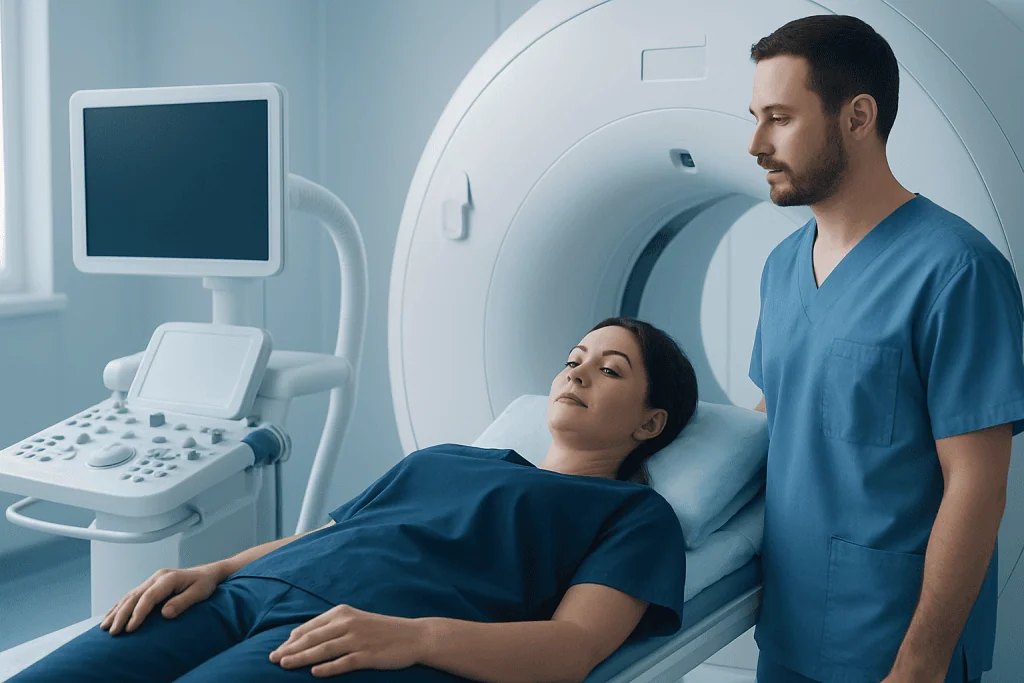
When the pattern suggests a neurological issue, the doctor may consider imaging or brain wave testing. For example, episodes with altered awareness, unusual movements, or strong sensory phenomena may require assessment for seizures or other conditions affecting the brain. In selected cases, MRI imaging can help rule out structural causes.
The most important part of diagnosis is context. Brief goosebumps during music or emotion, without other symptoms, usually need reassurance rather than extensive testing. Testing becomes more useful when symptoms do not fit the usual pattern of frission or when red flags are present.
Treatment and Self-Care
Typical frission does not need medical treatment. If a person experiences it during music, art, meaningful memories, or moments of awe, it can simply be understood as a normal mind-body response. Some people even seek out these experiences because they find them enjoyable, calming, or emotionally meaningful.
If a doctor identifies another cause for similar symptoms, treatment depends on that cause. For example, managing anxiety, correcting a thyroid disorder, treating infection, or addressing migraine may reduce the episodes. If the symptoms are related to a neurological disorder, treatment is guided by the specific diagnosis and may involve specialist follow-up, medication, or additional testing.
Helpful self-care measures include getting enough sleep, staying hydrated, eating regularly, limiting excess caffeine if it worsens physical jitteriness, and paying attention to triggers. A simple symptom diary can help separate emotional chills from episodes linked to stress, skipped meals, or illness.
If stress seems to intensify the symptoms, relaxation techniques may help. Slow breathing, mindfulness, moderate physical activity, and support for anxiety can reduce body hyperarousal. These steps do not “treat” normal frission, but they may help when similar sensations are mixed with tension or panic-like symptoms.
When to Seek Medical Care
Medical advice is recommended if frission-like sensations are new, occur often without an obvious emotional trigger, or interfere with daily life. An appointment is also sensible if a person is unsure whether the episodes are truly emotional chills or something else.
Urgent care is more important if the episodes happen with chest pain, severe shortness of breath, fainting, new weakness, confusion, severe headache, fever, or seizure-like activity. These features suggest a condition other than ordinary frission and should be assessed promptly.
Children, older adults, and people with known neurological, heart, or endocrine disorders may benefit from earlier evaluation if symptoms change. If there is concern about panic episodes, recurrent sensory symptoms, or unexplained shivers, a qualified clinician can help clarify the cause and advise on next steps.
Near the end of the diagnostic journey, some people may need coordinated care across specialties. Acibadem International’s multidisciplinary specialists and JCI-accredited hospitals evaluate and treat patients with neurological, cardiac, and general medical symptoms, especially when the cause is not immediately clear.
Frequently asked questions
Is frission the same as frisson?
In most everyday discussions, the two terms are used very similarly. Both describe a brief emotional thrill with physical sensations such as goosebumps, chills, or tingling.
Is frission dangerous?
Usually no. Frission is commonly a normal response to emotion, music, awe, or meaningful experiences. It becomes more important to assess when it happens with fainting, chest pain, confusion, or other unusual symptoms.
Why does music give some people chills?
Music can activate brain systems involved in anticipation, reward, and emotion. When a song builds tension and then resolves in a powerful way, the body may respond with goosebumps, tears, or a shiver.
Can anxiety cause sensations similar to frission?
Yes. Anxiety and panic can cause chills, tingling, trembling, a racing heart, and a wave-like body sensation. A doctor can help distinguish emotional frission from stress-related physical symptoms when the pattern is unclear.
Does frission mean there is a neurological problem?
Not usually. Most cases are not linked to disease. However, repeated episodes with altered awareness, unusual movements, weakness, or confusion should be evaluated to rule out neurological causes.
Should a person see a doctor for frission?
If the sensation is brief, predictable, and linked to emotion or music, medical care is often not needed. A doctor should be consulted if the episodes are new, frequent, unexplained, or associated with other concerning symptoms.
This article is for general information only and is not a substitute for professional medical advice. Please consult a qualified doctor about your individual situation.
Explore treatments in Turkey — costs, top hospitals & a free quote
JCI-accredited · board-certified surgeons · reply within 24h
Add us as a Preferred Source to see more of our trusted health content across Google Search, AI Overviews and Discover.
Check your numbers in seconds
BMI, calories, due date, blood pressure and 30+ more clinical calculators — free, instant, doctor-reviewed ranges.

More from the Health Library

Exposed Tooth Root — Explained by Medical Evidence, Not Myths

Jardiance Cost: What Patients Need to Know

Chilblains Toes: A Complete Medical Overview

Daily Fiber: An Evidence-Based Guide for Patients

Lump Inside the Stomach: An Evidence-Based Guide for Patients