Full body checkup Risks & Side Effects Explained by Surgeons

Most components of a full body checkup are low risk, but the testing plan should be individualized rather than routine for everyone. False-positive and incidental findings are among the most important potential downsides because they may lead to repeat tests or invasive procedures.
Key Takeaways
- Most components of a full body checkup are low risk, but the testing plan should be individualized rather than routine for everyone.
- False-positive and incidental findings are among the most important potential downsides because they may lead to repeat tests or invasive procedures.
- Imaging that uses ionizing radiation, such as CT scans and X-rays, should be used only when there is a clear clinical reason.
- Blood tests may cause brief pain, bruising, dizziness, or rarely infection at the needle site.
- A clinician can help select screening tests based on age, sex, medical history, family history, symptoms, and personal risk factors.
Full body checkup risks are generally low because most assessments involve consultations, blood tests, and noninvasive measurements. However, broad testing can lead to false-positive or incidental findings, unnecessary follow-up procedures, anxiety, radiation exposure from some scans, and small risks linked to blood draws or contrast materials.
Overview: Are Full Body Checkups Safe?
Full body checkups are usually safe when they are planned around a person’s age, health history, symptoms, and risk factors. Many elements, including a medical consultation, blood pressure measurement, physical examination, blood tests, and urine testing, have minimal physical risk. The most meaningful concerns often relate not to the checkup itself, but to results that are unclear, unexpectedly abnormal, or not clinically important.
A broad checkup may identify a health issue early, but more testing does not always mean better care. Tests can sometimes find harmless changes that would never cause symptoms, yet still require repeat imaging, specialist visits, or biopsies to clarify. A well-designed full body checkup therefore focuses on appropriate prevention and screening rather than performing every available test.
Surgeons and other specialists are often involved only when a checkup identifies a finding that needs further assessment. Their role is to determine whether an abnormality is likely to require observation, additional tests, medical treatment, or a procedure. Most unexpected findings do not automatically mean surgery is needed.
How a Full Body Checkup Works
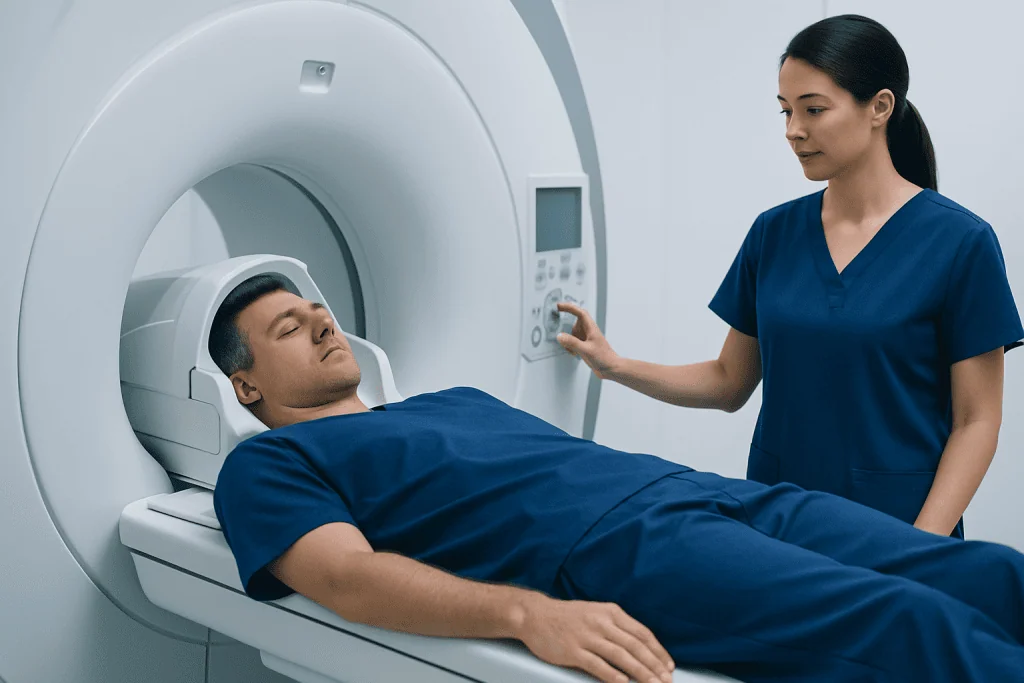
A full body checkup is not one single standardized procedure. It is a structured health assessment that may combine a review of medical and family history, lifestyle questions, vital signs, physical examination, laboratory tests, and selected screening tests. The exact components should vary according to the individual.
Depending on clinical needs, a plan may include cholesterol and blood sugar testing, kidney and liver function tests, urine analysis, heart assessment, cancer screening that is appropriate for age and sex, or imaging. Some programs also include consultations with relevant specialists. A doctor should explain why each test is being recommended and what the possible next steps would be if a result is abnormal.
Imaging is not automatically necessary in every checkup. Ultrasound uses sound waves and does not use ionizing radiation. CT scans and standard X-rays use radiation, while MRI uses a strong magnetic field and radio waves. Each test has different benefits, limitations, and safety considerations.
Who May Benefit and Who Needs a Tailored Plan?

Preventive health reviews can be useful for adults who have not had routine care, people with risk factors such as smoking, obesity, high blood pressure, diabetes, or a strong family history of certain diseases, and those who need age-appropriate screening. A personalized plan can also be helpful before starting a demanding exercise program or when planning pregnancy, depending on individual circumstances.
People with symptoms should not rely on a general checkup as a substitute for targeted medical assessment. New chest pain, unexplained weight loss, blood in stool or urine, persistent changes in bowel habits, a new breast lump, ongoing shortness of breath, or neurological symptoms require timely clinical evaluation. The relevant tests should be chosen to investigate the symptom rather than included as part of a generic package.
Pregnant people, individuals with kidney disease, those with implanted devices, and people with a previous contrast reaction may need special planning before particular imaging tests. For example, MRI may require device safety checks, and contrast-enhanced CT or MRI may require kidney function review. Sharing a full medical history and medication list helps the team reduce avoidable risks.
What Happens During the Checkup?
The process usually begins with registration and a detailed health questionnaire. A clinician may ask about current symptoms, prior illnesses, operations, medications, allergies, smoking, alcohol use, sleep, diet, exercise, and family history. This information is important because it guides which tests are likely to be useful.
Next, the clinical team may measure height, weight, body mass index, blood pressure, pulse, and sometimes waist circumference. A physical examination may include assessment of the heart, lungs, abdomen, skin, thyroid, and circulation. Blood and urine samples may then be collected; some blood tests require fasting, so patients should follow the instructions provided in advance.
If imaging or specialist assessments are recommended, they are performed according to the selected plan. Before an invasive test, contrast administration, sedation, or a scan involving radiation, patients should have the opportunity to discuss the reason for the test, expected benefit, alternatives, and possible risks. Results are ideally reviewed with a clinician who can put each finding into context rather than treating numbers or scan reports in isolation.
Full Body Checkup Risks and Side Effects
The most common physical side effects are related to blood sampling. These may include a brief sting, minor bruising, tenderness, light-headedness, or fainting in people who are prone to it. Infection and prolonged bleeding are uncommon, but people who take blood-thinning medicines or have a bleeding disorder should tell the staff before a sample is taken.
False-positive results are a key risk of wide-ranging screening. A false positive means a test appears abnormal even though the person does not have the suspected condition. It can cause understandable worry and may lead to repeat blood tests, scans, biopsies, or referrals. Conversely, a normal result does not guarantee that a disease is absent, especially if symptoms later develop.
Incidental findings are another consideration. These are unexpected changes found on a scan performed for another reason, such as a small cyst, nodule, or anatomical variation. Many are harmless, but some require monitoring or further evaluation. In a small number of cases, follow-up testing can lead to complications, including bleeding, infection, or injury, particularly if an invasive procedure such as a biopsy is needed.
CT scans and X-rays involve ionizing radiation. The amount depends on the test, and clinicians weigh this exposure against the likely value of the information obtained. Contrast agents used in some CT and MRI studies can occasionally cause allergic-like reactions; they may also be unsuitable for some people with significant kidney impairment. MRI does not use radiation, but it may be uncomfortable for people with severe claustrophobia and is not appropriate for every implanted device.
Benefits, Results, and Recovery Timeline
The main potential benefit of a carefully selected checkup is earlier recognition of modifiable risk factors or disease. It may identify high blood pressure, diabetes risk, high cholesterol, anemia, kidney concerns, or recommended cancer screening needs before complications arise. It can also provide an opportunity to discuss vaccination, nutrition, activity, sleep, smoking cessation, and mental wellbeing.
Recovery after most checkup components is immediate. After a routine blood draw, people can typically return to usual activities; applying gentle pressure to the site can help reduce bruising. After contrast imaging, the clinical team may advise hydration if appropriate and will provide individualized instructions. Sedation, if used for a specific test, may require a responsible adult to accompany the patient and may restrict driving or important decisions for the rest of the day.
Results may be available on the same day for some measurements, while laboratory and imaging reports can take longer. An abnormal result is not necessarily a diagnosis. It may reflect a temporary change, a test limitation, or a finding that needs comparison with prior results. Follow-up should be guided by the clinician who knows the patient’s overall health context.
Reducing Risk and Preparing Safely
The best way to reduce full body checkup risks is to choose tests with a clear purpose. Before attending, patients can ask which tests are recommended for them, why they are needed, whether an alternative is available, and what would happen if the result is positive or unclear. It is also helpful to bring previous medical reports and imaging, as comparison can prevent unnecessary repeat tests.
Patients should tell the care team about pregnancy or a possibility of pregnancy, allergies, kidney disease, diabetes, implanted medical devices, blood-thinning medicines, and prior reactions to contrast agents or anesthesia. They should also follow instructions about fasting, medications, exercise, and hydration. Medicines should not be stopped unless a qualified clinician specifically advises it.
Healthy daily habits remain central to prevention even when screening results are normal. Regular physical activity, a balanced eating pattern, adequate sleep, avoiding tobacco, moderating alcohol where relevant, and attending recommended routine screening can reduce long-term health risks. A checkup is most useful when it leads to practical, sustainable follow-up rather than one-off testing alone.
When to Seek Medical Care
Urgent medical care is important for symptoms such as severe or persistent chest pain, sudden weakness or trouble speaking, fainting, serious breathing difficulty, coughing or vomiting blood, black stools, severe abdominal pain, or signs of a severe allergic reaction after a test, including swelling of the face or throat or difficulty breathing. These symptoms should not wait for a scheduled checkup.
A person should arrange a prompt medical appointment for unexplained weight loss, persistent fever, a new lump, ongoing fatigue, blood in urine or stool, unusual bleeding, lasting changes in bowel or bladder habits, or symptoms that are new, worsening, or concerning. A clinician can arrange focused evaluation and avoid delays caused by relying on general screening alone.
For international patients seeking individualized preventive assessment or follow-up after abnormal screening results, Acibadem International’s multidisciplinary specialists and JCI-accredited hospitals can provide diagnostic evaluation and treatment planning. The appropriate next step depends on the specific finding, symptoms, and personal medical history.
Frequently asked questions
What are the most common full body checkup risks?
The most common physical effects are brief discomfort, bruising, or dizziness after a blood draw. More significant concerns include false-positive results, incidental findings, follow-up testing, and radiation exposure if CT scans or X-rays are included. The overall risk depends on the tests selected.
Can a full body checkup cause false-positive results?
Yes. A false-positive result occurs when a test suggests a possible health problem that later testing does not confirm. It can lead to anxiety and additional appointments, imaging, or procedures, which is why screening should be based on individual risk and evidence-based recommendations.
Are CT scans safe in a full body checkup?
CT scans can be very useful when there is a clear medical reason, but they use ionizing radiation. They should not be used routinely without considering the expected benefit, alternatives, age, health history, and any prior imaging. A doctor can explain whether CT is appropriate in an individual situation.
How long does recovery take after a full body checkup?
Most people can resume normal activities immediately after routine examination, blood tests, and noninvasive assessments. If contrast material, sedation, or an invasive follow-up procedure is used, recovery instructions may differ. The care team will give specific advice based on the test performed.
Should a person have a full body checkup if they have symptoms?
Symptoms should be assessed through a targeted medical appointment rather than a generic screening package. A clinician can select tests that address the likely causes and determine how urgently they are needed. Urgent or severe symptoms require prompt medical care.
How can patients make a checkup safer?
Patients can ask why each test is recommended and share their full medical history, medications, allergies, and previous test results. They should report pregnancy or possible pregnancy, kidney problems, implanted devices, and past contrast reactions. Following preparation instructions also helps reduce avoidable complications.
References
- World Health Organization
- U.S. Preventive Services Task Force
- Centers for Disease Control and Prevention
- U.S. Food and Drug Administration
- American College of Radiology
This article is for general information only and is not a substitute for professional medical advice. Please consult a qualified doctor about your individual situation.
Explore treatments in Turkey — costs, top hospitals & a free quote
JCI-accredited · board-certified surgeons · reply within 24h
Add us as a Preferred Source to see more of our trusted health content across Google Search, AI Overviews and Discover.
Check your numbers in seconds
BMI, calories, due date, blood pressure and 30+ more clinical calculators — free, instant, doctor-reviewed ranges.