Functional Movement Disorder: Symptoms, Triggers, and How Diagnosis Is Made

Functional movement disorder causes real and involuntary symptoms that can affect movement, walking, speech, or balance. Doctors diagnose it using positive clinical signs, together with a neurological examination and tests when needed to rule out other conditions.
Key Takeaways
- Functional movement disorder causes real and involuntary symptoms that can affect movement, walking, speech, or balance.
- Doctors diagnose it using positive clinical signs, together with a neurological examination and tests when needed to rule out other conditions.
- Symptoms may begin suddenly and can be influenced by stress, injury, illness, pain, or fatigue, but triggers vary from person to person.
- Treatment often combines education, physiotherapy, psychological support, and management of related symptoms such as pain, anxiety, or sleep problems.
- Many people improve with the right diagnosis, a clear explanation, and a personalized rehabilitation plan.
Functional movement disorder is a condition in which a person develops genuine movement symptoms such as tremor, jerks, weakness, or walking problems that are not explained by a degenerative or structural neurological disease. Diagnosis is based on specific clinical features and a careful neurological assessment, not on symptoms being “imagined” or “all in the mind.”
Overview
Functional movement disorder is a type of functional neurological disorder in which the brain has difficulty controlling normal movement patterns. This can lead to symptoms such as tremor, spasms, jerking, weakness, problems with walking, or unusual postures. The symptoms are real, distressing, and involuntary, meaning the person is not producing them on purpose.
Unlike movement problems caused by stroke, multiple sclerosis, Parkinson’s disease, or a nerve injury, functional movement disorder does not result from visible structural damage to the nervous system. Instead, specialists understand it as a problem in how the brain sends, organizes, or monitors signals for movement. This helps explain why symptoms can be severe even when scans or standard neurological tests do not show a clear lesion.
The condition can affect adults and children, and it may begin suddenly or develop over time. Some people notice symptoms after a physical injury, illness, migraine, panic attack, or period of emotional stress, while others do not identify a clear trigger. A thoughtful explanation from a neurologist is an important first step, because understanding the diagnosis often supports recovery.
Symptoms
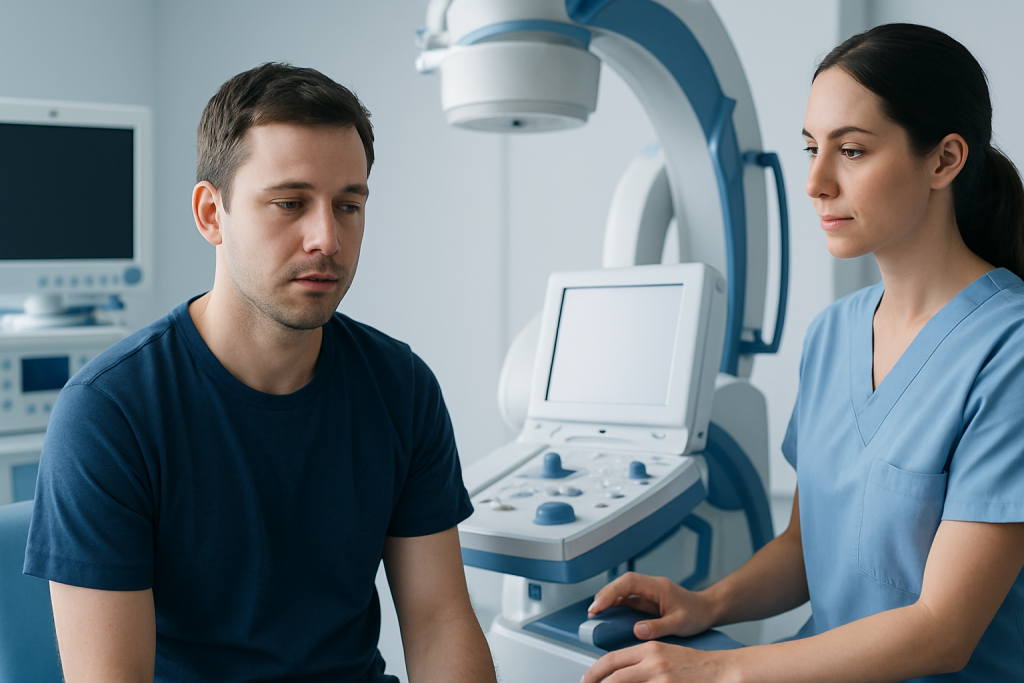
Symptoms of functional movement disorder vary widely from one person to another. Common examples include tremor, muscle jerks, spasms, episodes of shaking, gait changes, imbalance, dragging of a leg, fixed postures, or difficulty using an arm or hand normally. Some people also have changes in speech, swallowing, facial movements, or coordination.
A key feature is that symptoms may fluctuate. They can change in intensity during the day, improve with distraction, worsen when attention is focused on them, or appear inconsistent in certain examination tasks. This does not mean the symptoms are not genuine; rather, these patterns are typical and help doctors recognize the condition.
Functional movement disorder may occur along with other symptoms seen in functional neurological conditions. These can include fatigue, pain, dizziness, numbness, non-epileptic attacks, poor concentration, sleep disturbance, and sensitivity to stress. Some people also have another neurological disorder at the same time, which can make diagnosis more complex.
- Tremor that changes speed or rhythm
- Jerks or sudden movements
- Abnormal gait or balance problems
- Weakness or heaviness in a limb
- Muscle stiffness or fixed postures
- Speech or voice changes
Causes and Triggers

Functional movement disorder is best understood as a disorder of nervous system functioning rather than structure. Research suggests that networks in the brain involved in attention, movement planning, expectation, emotion, and the sense of voluntary control may interact differently in this condition. In simple terms, the brain is capable of movement, but the normal process that selects and controls movement is disrupted.
There is rarely one single cause. Instead, symptoms often develop through a combination of biological, psychological, and social factors. A person may have a recent infection, pain condition, concussion, surgery, panic episode, difficult life event, or prolonged stress around the time symptoms start. For others, fatigue, poor sleep, repeated focus on symptoms, or fear of movement can contribute to the problem continuing.
It is important to note that not everyone with functional movement disorder has anxiety, depression, or a history of trauma. These factors may be relevant in some people but are not required for the diagnosis. Doctors aim to understand each person’s symptom pattern, health background, and possible triggers without making assumptions or blaming the patient.
How Diagnosis Is Made
Diagnosis is made by a neurologist, often one with experience in movement disorders, using positive signs on the medical history and neurological examination. This means the diagnosis is not simply made because tests are normal. Instead, the doctor looks for specific features that are characteristic of functional symptoms, such as variability, distractibility, or inconsistency with recognized patterns of structural neurological disease.
For example, a functional tremor may change rhythm when the person copies a movement with another limb, and a walking problem may improve when attention is directed elsewhere. These examination findings can be very helpful. The doctor will also ask when symptoms began, whether they fluctuate, what seems to trigger them, and whether there are associated symptoms such as pain, fatigue, or episodes resembling seizures.
Tests such as blood work, MRI, or neurophysiological studies may be used when needed to exclude other causes or when the history is unclear. In some situations, specialists may recommend a detailed neurological examination, MRI scanning, or electromyography and related nerve tests to support the assessment. These tests do not diagnose functional movement disorder on their own, but they can help rule out conditions that may look similar.
Good diagnosis also includes clear communication. Many people benefit when the clinician explains why the symptoms fit a functional disorder, demonstrates the positive signs seen in the exam, and outlines how treatment can help. This approach can reduce uncertainty and build trust in the treatment plan.
Treatment Options
Treatment is usually multidisciplinary and tailored to the person’s symptoms and needs. The most important first step is a clear explanation of the diagnosis in supportive, practical language. Understanding that symptoms are real and potentially reversible can help reduce fear and improve engagement with treatment.
Specialized physiotherapy is often central, especially for gait problems, weakness, tremor, or abnormal postures. Therapy focuses on retraining normal movement patterns, reducing unhelpful attention to symptoms, and gradually rebuilding confidence with movement. Rehabilitation works best when exercises are individualized and linked to everyday goals such as walking, dressing, writing, or returning to work.
Psychological therapy may also be helpful, not because the symptoms are imagined, but because thoughts, stress responses, coping patterns, and symptom-related fear can influence the nervous system. Approaches such as cognitive behavioral therapy can support symptom management, especially when anxiety, low mood, trauma-related symptoms, or health-related distress are also present. Some patients may also benefit from structured rehabilitation programs.
Doctors may treat related symptoms such as chronic pain, migraine, poor sleep, or depression alongside the movement disorder. When another neurological condition is present as well, both problems should be managed together. Near the end of the care pathway, some patients seek coordinated specialist assessment at centers such as Acibadem International, where multidisciplinary teams in JCI-accredited hospitals evaluate and treat neurological conditions for international patients.
Self-care and Recovery
Recovery often begins with practical self-management strategies used alongside professional treatment. Learning about the diagnosis from reliable sources can make symptoms feel less mysterious and reduce fear. Keeping a simple diary of triggers, better periods, sleep quality, pain, and activity levels may help identify patterns without becoming overly focused on symptoms.
Regular routines are usually helpful. Gentle activity, paced exercise, good sleep habits, and gradual return to normal tasks can support nervous system regulation. Many specialists encourage patients to avoid long periods of bed rest when possible, since inactivity can increase weakness, fatigue, and movement-related fear.
Stress reduction can also play a role. Techniques such as breathing exercises, relaxation training, mindfulness, or counseling may be useful, especially if symptoms worsen during stressful periods. Family support matters too, and loved ones may benefit from understanding that encouragement, calm reassurance, and support for normal activity are often more helpful than repeated checking of symptoms.
When to See a Doctor
Any new tremor, weakness, walking difficulty, muscle jerking, or sudden change in movement should be assessed by a doctor. Although functional movement disorder is a recognized cause of these symptoms, similar problems can also occur with other neurological or medical conditions that need prompt care. A medical evaluation is especially important if symptoms are rapidly worsening or are interfering with safety, mobility, speech, eating, or daily life.
Urgent medical attention is needed if movement symptoms occur with severe headache, loss of consciousness, chest pain, high fever, new confusion, one-sided numbness, facial drooping, or sudden trouble speaking, as these can suggest another emergency condition. If symptoms are ongoing, referral to a neurologist can help clarify the diagnosis and guide treatment.
Follow-up is also important after diagnosis. If symptoms change significantly, if treatment is not helping, or if new neurological signs appear, the care plan may need to be reviewed. Early, compassionate care can make a meaningful difference and helps patients move toward recovery with confidence.
Frequently asked questions
Is functional movement disorder a real neurological condition?
Yes. Functional movement disorder is a real condition that affects how the brain controls movement. The symptoms are involuntary and can be as disabling as symptoms caused by structural neurological diseases.
What can trigger functional movement disorder?
Triggers vary and may include physical injury, illness, pain, migraine, fatigue, emotional stress, or panic symptoms. Some people do not identify a clear trigger, and that does not make the diagnosis less valid.
Can scans and blood tests be normal in functional movement disorder?
Yes. Standard tests are often normal because the condition usually does not involve structural damage visible on scans. Diagnosis is based mainly on the clinical history and positive signs found during the neurological examination.
Is functional movement disorder the same as Parkinson’s disease?
No. Parkinson’s disease is a neurodegenerative disorder with a different underlying mechanism. Functional movement disorder affects movement control in a different way and is diagnosed using its own characteristic clinical features.
Can functional movement disorder get better?
Many people improve, especially when they receive a clear explanation, early diagnosis, and treatment tailored to their symptoms. Recovery may be gradual, and progress often involves rehabilitation, self-management, and support for related problems such as pain or anxiety.
Does treatment always include psychological therapy?
Not always, but it can be helpful for some patients. Treatment is individualized and may include physiotherapy, education, rehabilitation, and support for sleep, pain, stress, or mood depending on the person’s needs.
References
- National Institute of Neurological Disorders and Stroke
- NHS
- American Academy of Neurology
- FND Hope International
- MedlinePlus
This article is for general information only and is not a substitute for professional medical advice. Please consult a qualified doctor about your individual situation.
Joint and spine care in Turkey — expert assessment & treatment
JCI-accredited · board-certified surgeons · reply within 24h
Add us as a Preferred Source to see more of our trusted health content across Google Search, AI Overviews and Discover.

Neurology
Diagnosis and treatment of disorders of the brain, spinal cord, nerves and muscles.
51 specialists in this unitMore from the Health Library



Related Specialists

Dyt. Gamze Gültekin
Nutrition & Diet
Prof. Dr. Mitat Bahçeci
Endocrinology
Prof. Dr. Fatih Ata Genç
General Surgery
Prof. Dr. Reyhan Çeliker
Physical Medicine & Rehabilitation