Fundus of Stomach — Explained by Medical Evidence, Not Myths
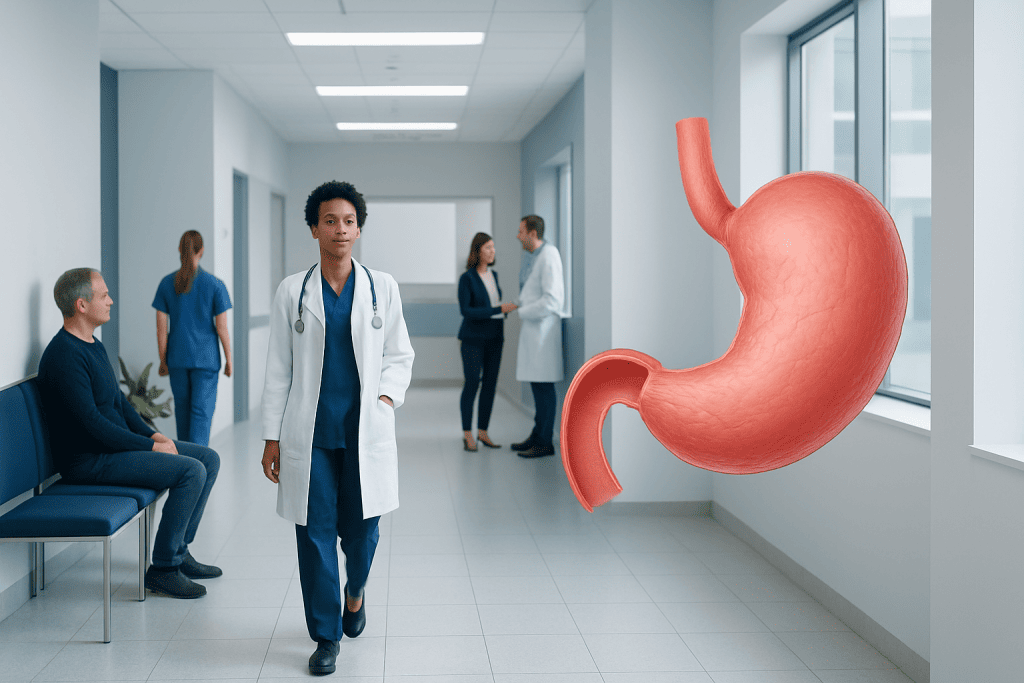
The fundus is the upper rounded portion of the stomach, above the gastroesophageal junction. Its main roles are temporary food storage, gas accommodation, and support of normal digestive movement.
Key Takeaways
- The fundus is the upper rounded portion of the stomach, above the gastroesophageal junction.
- Its main roles are temporary food storage, gas accommodation, and support of normal digestive movement.
- The fundus itself is not a disease, but disorders such as gastritis, reflux, ulcers, or hiatal hernia can involve this region.
- Persistent upper abdominal pain, vomiting, swallowing difficulty, bleeding, or unexplained weight loss need medical assessment.
- Evaluation may include medical history, examination, endoscopy, imaging, and testing for infection or inflammation.
The fundus of stomach is the dome-shaped upper part of the stomach, located above the entry point of the esophagus. It mainly helps store swallowed food and gas, supports normal stomach movement, and plays a role in digestion, but symptoms linked to this area usually come from broader stomach conditions rather than the fundus alone.
Overview: what the fundus of stomach means
The fundus of stomach is the rounded upper portion of the stomach, sitting above the point where the esophagus joins the stomach. In simple terms, it acts like a flexible reservoir. After a person swallows, the fundus relaxes to make space for food and air without creating a large pressure increase.
This structure is a normal part of stomach anatomy, not a diagnosis. People often search for the term after seeing it in an endoscopy, imaging report, or anatomy discussion. In many cases, the report is simply describing location rather than identifying a serious problem.
The fundus works together with the body and antrum of the stomach to begin digestion. It helps hold food briefly, mixes stomach contents through coordinated movement, and contributes to the environment needed for proper digestive function. When symptoms arise, they are usually related to conditions affecting the stomach or nearby structures, not to the fundus alone.
Where it is and how it works
Anatomically, the fundus lies in the upper left part of the abdomen, just beneath the diaphragm. It is positioned above the cardia, the area where the esophagus enters the stomach. Because of this location, the fundus often contains a small pocket of swallowed air, which can be seen on imaging and is usually normal.
One of the fundus’s most important functions is called receptive relaxation. When food is swallowed, the upper stomach relaxes to receive it. This lets the stomach store a meal temporarily while avoiding excess pressure that could otherwise contribute to discomfort or regurgitation.
The lining of the fundus also contains glands that help support digestion. These glands contribute to stomach secretions involved in breaking down food. The exact activity varies across different parts of the stomach, but the fundus is part of the coordinated system that prepares food for movement into the small intestine.
If this normal function is disrupted, a person may notice early fullness, bloating, pressure in the upper abdomen, belching, or nausea. These symptoms can occur in disorders of stomach motility or inflammation and may overlap with gastritis or gastroesophageal reflux disease rather than pointing to a problem unique to the fundus.
Symptoms that may involve the fundus region

The fundus itself does not usually create a distinct symptom pattern, so doctors look at the whole digestive picture. Symptoms that may be felt in the upper stomach region include discomfort under the ribs on the left or center, bloating after eating, nausea, burping, a feeling of pressure, or early satiety, meaning a person feels full sooner than expected.
Some people also report heartburn, sour taste in the mouth, regurgitation, or chest discomfort, especially when reflux is present. Others may have indigestion-like symptoms that come and go, often after large meals, alcohol intake, or use of certain medicines such as anti-inflammatory pain relievers.
Symptoms need careful interpretation because nearby organs can cause similar complaints. The esophagus, lower chest, gallbladder, pancreas, and even the heart can produce upper abdominal or chest symptoms. For this reason, recurring or unexplained symptoms should not be self-diagnosed based only on anatomy terms.
- Upper abdominal pain or burning
- Bloating or excessive belching
- Early fullness after meals
- Nausea or occasional vomiting
- Heartburn or acid regurgitation
- Loss of appetite
Common conditions that can affect this area
Several digestive conditions may involve the fundus region. Gastritis, or inflammation of the stomach lining, can affect any part of the stomach and may cause pain, burning, nausea, and poor appetite. Peptic ulcers can also develop in the stomach and may lead to persistent discomfort or bleeding.
Hiatal hernia is another relevant condition because the upper part of the stomach may move upward through the diaphragm. This can be associated with reflux symptoms, pressure, or discomfort after meals. Functional dyspepsia, a common cause of upper abdominal symptoms without a visible structural explanation, may also involve impaired fundic relaxation and abnormal sensitivity.
Less commonly, doctors assess the fundus when investigating polyps, masses, bleeding, or changes seen on imaging or endoscopy. These findings are not always dangerous, but they do require proper evaluation. Depending on the situation, specialists may recommend endoscopy to examine the lining directly and, if needed, take biopsies.
In some patients with long-standing reflux or anatomical changes, treatment may focus on the underlying cause rather than on the fundus itself. For example, careful assessment may identify a structural issue that is treated with reflux treatment or support for a hiatal hernia repair when conservative measures are not enough.
How doctors diagnose problems related to the upper stomach
Diagnosis begins with a detailed medical history. A doctor will ask where the discomfort is felt, when it started, how it relates to meals, and whether symptoms include vomiting, black stools, weight loss, swallowing difficulty, or anemia. Medication use, alcohol intake, smoking, and prior digestive disease are also important.
The physical examination may help identify tenderness, abdominal distension, or signs of a broader digestive problem. However, symptoms alone cannot reliably show whether the fundus is involved, so tests are chosen based on the overall pattern and the person’s age, risk factors, and severity of symptoms.
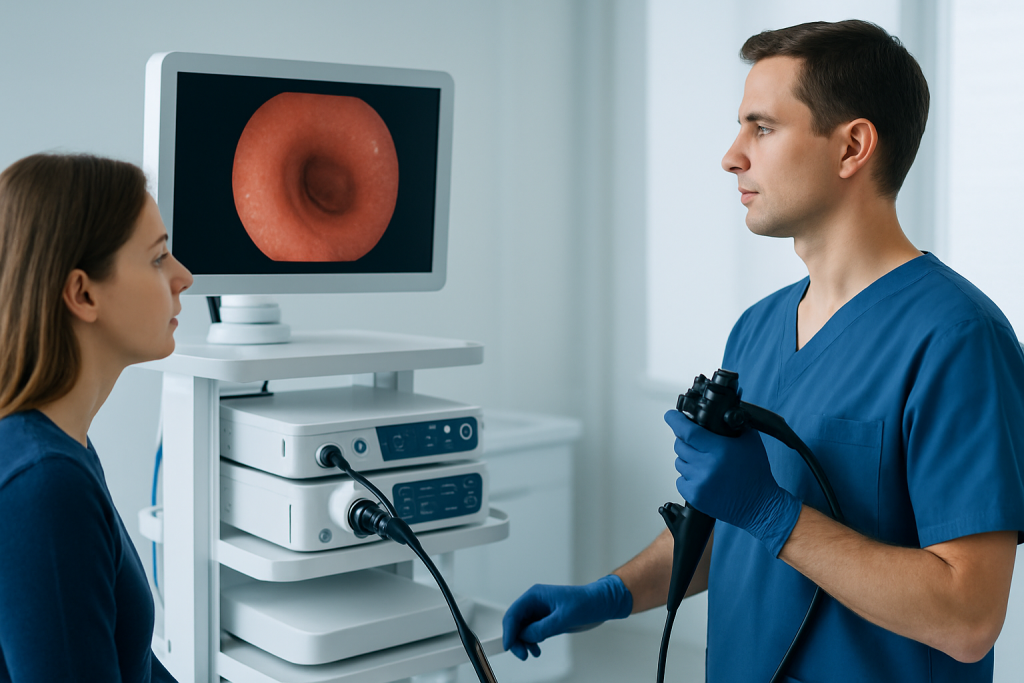
Upper endoscopy is one of the most useful tools because it allows direct visualization of the esophagus, stomach, and duodenum. It can detect inflammation, ulcers, bleeding, polyps, or suspicious lesions and allows biopsies when needed. Doctors may also use tests for Helicobacter pylori infection, blood tests, stool tests, ultrasound, or CT imaging depending on the case.
When symptoms suggest delayed emptying or abnormal stomach function, additional motility-related studies may be considered. The goal is not only to identify disease but also to distinguish structural problems from functional disorders, which often need different treatment approaches.
Treatment options and symptom relief
Treatment depends on the cause. If symptoms come from gastritis, reflux, ulcer disease, infection, or medication irritation, doctors usually begin by addressing the underlying trigger. This may include short-term acid suppression, changes in medicines, treatment for Helicobacter pylori when present, and guidance on food and lifestyle habits.
For functional upper stomach symptoms such as early fullness or bloating, treatment may focus on meal pattern changes, slower eating, avoidance of large high-fat meals, and management of reflux triggers. Some people benefit from therapies directed at stomach motility or sensitivity, but these decisions should be individualized by a clinician.
If tests show ulcers, significant inflammation, bleeding, or concerning tissue changes, more specific treatment is needed. Endoscopic therapy may sometimes be used, and surgery is reserved for selected cases such as complications, severe structural problems, or tumors. A person’s age, overall health, and test findings guide the next step.
Near the end of the care pathway, multidisciplinary evaluation can be helpful when symptoms are complex or persistent. Acibadem International’s multidisciplinary specialists and JCI-accredited hospitals diagnose and treat digestive conditions for international patients, especially when coordinated gastroenterology, imaging, and surgical assessment is needed.
Prevention and self-care for upper stomach health
Not every stomach problem can be prevented, but everyday habits can reduce irritation and support normal digestion. Smaller meals, regular eating times, thorough chewing, and avoiding lying down soon after eating may help reduce pressure in the upper stomach and lower the chance of reflux symptoms.
People who notice recurring discomfort may benefit from limiting triggers such as excess alcohol, smoking, frequent anti-inflammatory pain medicines, and very heavy or late evening meals. Weight management, when appropriate, can also improve pressure-related symptoms in the upper abdomen and reduce reflux.
Self-care should not replace medical evaluation when symptoms are persistent, worsening, or associated with alarm features. It is reasonable to track when symptoms happen, which foods seem related, and whether there are linked symptoms such as heartburn, belching, nausea, or bowel changes. This information can help a doctor make a more accurate diagnosis.
- Eat smaller, more frequent meals if large meals worsen symptoms
- Avoid lying flat for two to three hours after eating
- Limit smoking and alcohol
- Use pain medicines carefully and only as advised
- Seek review for long-lasting indigestion rather than repeatedly self-treating
When to seek medical care
Medical review is appropriate if upper abdominal symptoms last more than a few weeks, recur often, or interfere with eating and daily life. Evaluation is also important if over-the-counter remedies do not help or if symptoms begin after starting a new medicine. A clinician can decide whether the issue is likely reflux, gastritis, ulcer disease, a motility problem, or another condition entirely.
Urgent assessment is needed for vomiting blood, black or tarry stools, severe or sudden abdominal pain, persistent vomiting, trouble swallowing, chest pain, fainting, or unexplained weight loss. These signs do not always mean a serious disease, but they should be checked promptly because they may indicate bleeding, obstruction, significant inflammation, or another problem requiring timely care.
People over a certain age, those with a strong family history of upper digestive cancers, and those with anemia or ongoing appetite loss may need earlier endoscopic assessment. Prompt diagnosis often makes treatment more straightforward and can help prevent complications.
Frequently asked questions
What is the fundus of stomach in simple terms?
It is the rounded upper part of the stomach, located above where the esophagus enters. Its main job is to hold swallowed food and air temporarily and help the stomach adjust during a meal.
Is the fundus of stomach the same as a disease?
No. The term describes a normal anatomical part of the stomach. Symptoms in that area are usually caused by broader digestive conditions such as reflux, gastritis, ulcers, or motility problems.
Can pain come directly from the fundus?
Pain felt in the upper stomach region can involve the fundus area, but the fundus itself is rarely the only explanation. Doctors usually look for inflammation, reflux, ulcers, hernia, or nearby organ problems before linking symptoms to this region.
Why might a report mention the fundus after an endoscopy or scan?
Medical reports often name the exact location of a finding. If the fundus is mentioned, it may simply mean the doctor is describing where the stomach looked normal or where a change such as redness, a polyp, or retained food was seen.
What symptoms should not be ignored?
Symptoms that need prompt attention include vomiting blood, black stools, severe pain, persistent vomiting, trouble swallowing, chest pain, or unexplained weight loss. Ongoing indigestion, poor appetite, or anemia also deserve medical review.
How are problems in the fundus area usually treated?
Treatment depends on the cause rather than the anatomical location alone. Doctors may recommend acid-reducing medicines, treatment for infection, diet and lifestyle changes, endoscopy, or occasionally surgery if there is a structural problem.
This article is for general information only and is not a substitute for professional medical advice. Please consult a qualified doctor about your individual situation.
Persistent digestive symptoms? Get evaluated in Turkey
JCI-accredited · board-certified surgeons · reply within 24h
Add us as a Preferred Source to see more of our trusted health content across Google Search, AI Overviews and Discover.

More from the Health Library

Trendelenburg Gait — Explained by Medical Evidence, Not Myths

Cats Claw: An Evidence-Based Guide for Patients

Joint Effusion: What Patients Need to Know

Reflux in Babies: What Patients Need to Know

Hematocrit Pcv Low: An Evidence-Based Guide for Patients