G Tube Surgery: Procedure, Recovery and Results
A gastrostomy tube, often called a G tube, delivers food, fluids and medicines directly into the stomach. Placement may be performed endoscopically, radiologically or through surgery, depending on the person’s health and anatomy.
Key Takeaways
- A gastrostomy tube, often called a G tube, delivers food, fluids and medicines directly into the stomach.
- Placement may be performed endoscopically, radiologically or through surgery, depending on the person’s health and anatomy.
- Most people begin using the tube soon after placement when the clinical team confirms it is safe.
- Skin care, correct tube handling and individualized nutrition plans help prevent many complications.
- Tube removal is usually simple when it is no longer needed, but the timing and aftercare should be guided by the treating team.
G tube surgery creates a direct route to the stomach for nutrition, hydration and medication when eating or swallowing cannot meet a person’s needs. The tube may be temporary or long term, and recovery usually involves learning tube care, feeding routines and signs that need medical attention.
Overview: What Is G Tube Surgery?
G tube surgery is a procedure that places a gastrostomy tube through the abdominal wall and into the stomach. It provides a reliable way to give nutrition, water and prescribed medicines when a person cannot swallow safely, cannot eat enough, or needs nutritional support for a prolonged period. A G tube does not necessarily mean that a person can never eat by mouth; some people continue eating or drinking safely while using tube feeding to supplement their intake.
The term may describe several placement methods. A percutaneous endoscopic gastrostomy (PEG) uses an endoscope passed through the mouth into the stomach, while radiologic placement uses imaging guidance. Open or laparoscopic surgery may be considered when these approaches are not suitable. The healthcare team selects the method based on the person’s condition, anatomy, previous operations and overall medical needs.
A gastrostomy can be temporary or long term. Its purpose is to support comfort, hydration and nutritional status while the underlying cause of feeding difficulty is treated, managed or assessed over time.
How a G Tube Works and Who May Benefit
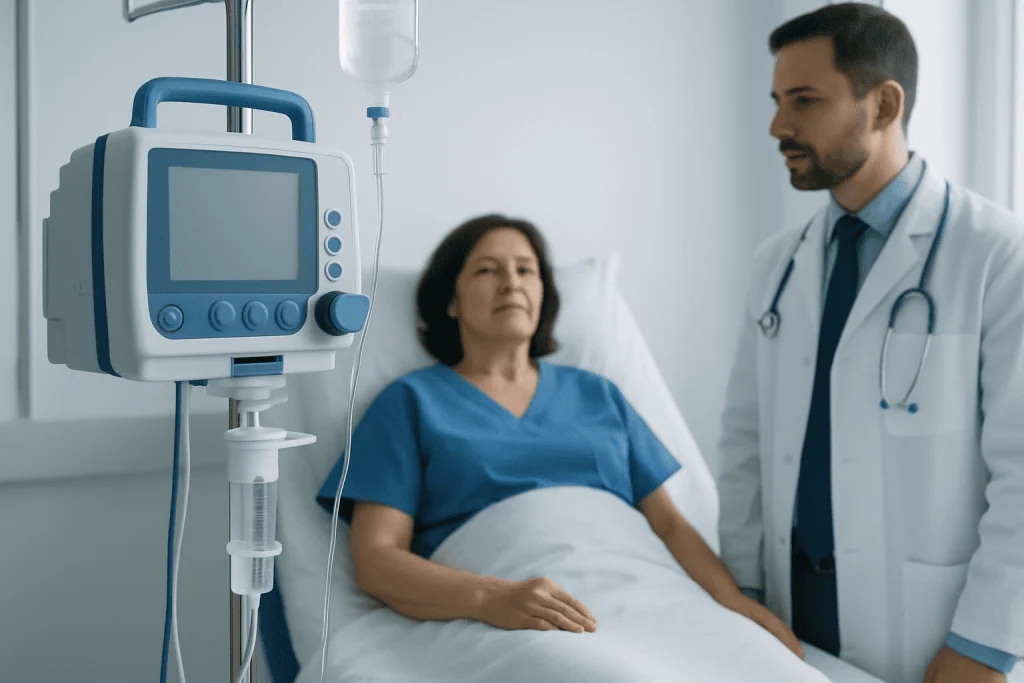
The external end of a G tube sits on the abdomen and connects to a feeding set, syringe or extension device. The internal end is held in the stomach by a soft bumper or a water-filled balloon, depending on the tube type. Formula, fluids and medicines can be delivered in measured amounts prescribed by a clinician and dietitian.
G tube surgery may be considered for adults or children with conditions that interfere with swallowing, appetite, nutrition absorption or safe eating. Examples include neurological conditions, recovery after major head and neck treatment, certain digestive disorders, severe illness, or an anticipated need for enteral feeding that is likely to last more than a few weeks. People with swallowing problems may also need an assessment by a speech and language therapist to determine whether oral intake is safe.
Before recommending a tube, the clinical team considers the person’s goals of care, expected duration of support, digestive function, nutritional needs, medicines and ability to manage tube care at home. A feeding tube is not appropriate for every situation, especially if the stomach or intestines cannot safely process feeds. Decisions should be individualized and made with the patient, family or caregivers whenever possible.
What Happens During the Procedure
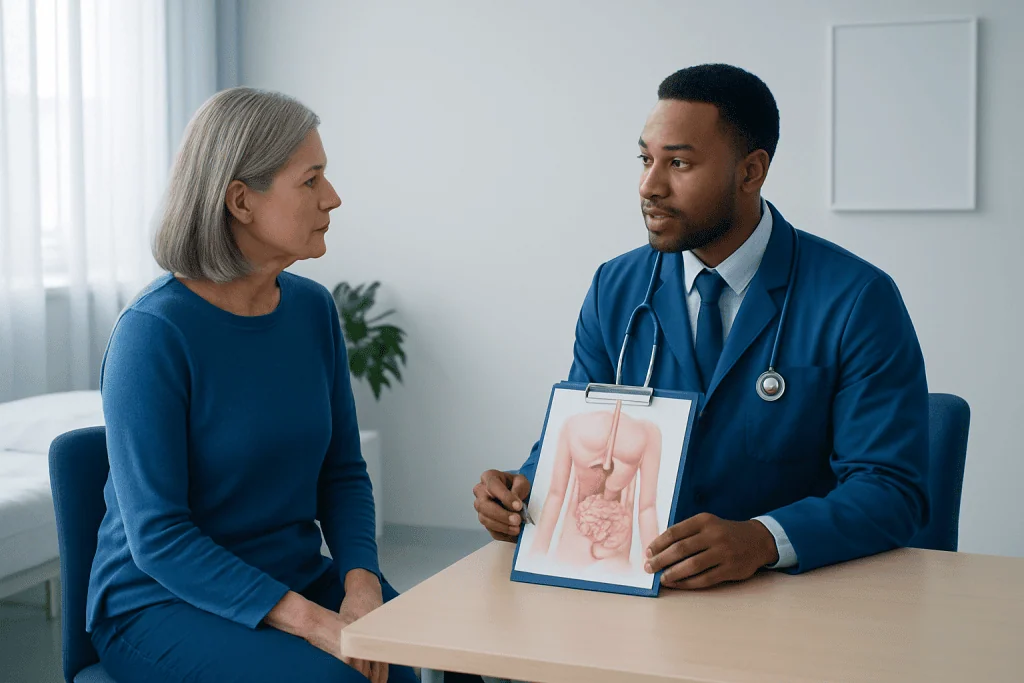
Preparation commonly includes a medical review, blood tests when needed, and instructions about fasting and regular medicines. The person may receive sedation, anesthesia or pain-relieving medicines depending on the placement method and their health. Antibiotics may be given in some circumstances to reduce infection risk.
During endoscopic placement, a clinician passes a flexible camera through the mouth to view the stomach. The stomach is positioned against the abdominal wall, a small opening is made in the skin, and the tube is guided into place. Radiologically inserted tubes are placed with X-ray or other imaging guidance. Surgical placement involves small incisions with laparoscopy or, less commonly, a larger incision when another approach is necessary.
After insertion, the tube is secured and the position is checked. The team will explain when feeds, water and medicines can begin. This is often within hours to a day, but timing differs according to the technique used and the person’s clinical condition. Before discharge, patients and caregivers are taught basic feeding, flushing, skin care and troubleshooting steps.
Nutrition care is usually coordinated by gastroenterology, surgery or interventional radiology, dietetics, nursing, speech and language therapy, and the clinician managing the underlying illness. This shared approach helps ensure that feeding plans are safe, practical and suited to daily life.
G Tube Surgery Recovery Time and Daily Care
G tube surgery recovery varies by the placement method and the person’s health. Mild soreness, abdominal tenderness and a small amount of drainage around the site can occur in the first few days. Many people are able to return home within a short time once pain is controlled, feeds are tolerated and caregivers feel comfortable with the instructions.
The skin opening and tissue tract around a new tube generally take several weeks to mature. During this period, it is important not to pull, rotate or replace the tube unless the treating team has specifically advised it. Keep the site clean and dry as instructed, check the external tube length or position marker, and flush the tube according to the nutrition plan to reduce blockage risk.
G tube recovery time also includes adjusting to feeding schedules. Some people use slow pump feeds, while others use syringe or gravity feeds. A dietitian can help manage formula choice, fluid needs, bowel changes and weight goals. Medicines should be discussed with a pharmacist or prescribing clinician because not all tablets can be safely crushed or given through a feeding tube.
- Wash hands before handling the tube or feeding equipment.
- Inspect the skin daily for increasing redness, swelling, pain, leaking or unusual discharge.
- Use only the feeding, water and medication instructions provided by the clinical team.
- Secure the tube during movement and follow guidance about bathing, clothing and activity.
Benefits, Risks and Possible Complications
The principal benefit of a G tube is dependable access to nutrition, fluids and medicines. It may help reduce dehydration, support weight maintenance or recovery, and make medication administration easier for people who cannot swallow reliably. It can also reduce the stress and time associated with trying to meet nutritional needs solely by mouth when this is not possible.
Like all procedures, G tube placement has risks. Short-term concerns can include pain, bleeding, infection, reaction to sedation or anesthesia, and leakage around the tube. Less common but more serious complications include injury to nearby organs, inflammation of the abdominal lining, aspiration, or significant bleeding. The care team reviews individual risks before the procedure.
Later issues can include skin irritation, granulation tissue, tube blockage, accidental dislodgement, leakage, balloon failure or feeding intolerance such as nausea, bloating, diarrhea or constipation. Many problems can be addressed by adjusting care techniques or the feeding plan, but a tube that falls out, becomes damaged or appears displaced needs prompt clinical advice. Do not force a tube back into a new or immature tract unless a trained clinician has instructed this.
Feeding through a G tube does not remove the need for ongoing mouth care. Good oral hygiene remains important even when a person is not eating or drinking by mouth.
G Tube Surgery Removal and Recovery
G tube surgery removal is considered when the person can safely meet their nutrition, fluid and medicine needs without the tube, or when the treatment plan changes. The decision is made by the treating clinician, often with input from dietitians and swallowing specialists. It is important not to remove a tube at home without medical guidance.
For many balloon-retained tubes, removal can be performed in a clinic by deflating the internal balloon and gently withdrawing the tube. Some internally secured tubes require endoscopic removal or a different technique. The opening often begins closing quickly after removal and usually heals over days to a few weeks, although healing varies with how long the tube was in place and the person’s health.
G tube removal recovery time is usually short. A small dressing may be used while the opening closes, and the skin should be kept clean and observed for leakage or irritation. Persistent drainage, worsening pain, fever, spreading redness or failure of the opening to close should be assessed by a clinician. People who have had the tube for a long time may occasionally need a procedure to close a persistent opening.
When to Seek Medical Care
Contact the healthcare team promptly if there is increasing pain, spreading redness, swelling, pus-like discharge, fever, persistent leaking, repeated vomiting, abdominal swelling, inability to flush the tube, or feeding intolerance that does not settle. These symptoms do not always indicate a serious problem, but early assessment can prevent complications.
Urgent medical care is needed if a newly placed tube comes out, if there is severe abdominal pain, heavy bleeding, trouble breathing, confusion, fainting, or signs of a severe allergic reaction. A displaced tube should not be used for feeds or medicines until its position has been assessed.
Acibadem International’s multidisciplinary specialists and JCI-accredited hospitals assess feeding difficulties and provide gastrostomy care for international patients. Ongoing follow-up with a qualified doctor and dietitian is important for safe, effective nutrition support.
Frequently asked questions
How long does G tube surgery take?
The placement procedure commonly takes less than an hour, although preparation, recovery from sedation and monitoring take additional time. The overall duration depends on the placement method and the person’s medical needs.
Is G tube surgery painful?
Sedation, anesthesia and pain relief are used to keep the procedure as comfortable as possible. Mild pain or tenderness around the abdomen is common for several days afterward and can usually be managed with the care team’s recommended plan.
How long is the recovery after G tube surgery?
Many people start using the tube soon after placement and may leave hospital within a short period if they are otherwise stable. The site typically takes several weeks to form a mature tract, and learning daily tube care may take time for patients and caregivers.
Can someone eat normally with a G tube?
Some people can continue eating and drinking by mouth, while others need to avoid oral intake because of swallowing or medical safety concerns. A doctor and swallowing specialist can advise what is safe for each person.
What happens if a G tube becomes blocked or falls out?
A blocked tube should not be forced, as this can damage the tube or cause complications. If it falls out, especially within the first few weeks after placement, it requires prompt medical assessment because the opening can close quickly and the tract may not be mature.
How is a G tube removed?
Removal depends on the tube design. Many balloon tubes can be removed in a clinic after the balloon is deflated, while other tubes may require endoscopic removal. The treating team will provide site-care instructions while the opening heals.
References
- American Society for Parenteral and Enteral Nutrition
- European Society for Clinical Nutrition and Metabolism
- National Institute of Diabetes and Digestive and Kidney Diseases
- National Health Service
- Mayo Clinic
This article is for general information only and is not a substitute for professional medical advice. Please consult a qualified doctor about your individual situation.
Persistent digestive symptoms? Get evaluated in Turkey
JCI-accredited · board-certified surgeons · reply within 24h
Add us as a Preferred Source to see more of our trusted health content across Google Search, AI Overviews and Discover.