Gall Bladder Symptoms Explained: Common Triggers and Red Flags
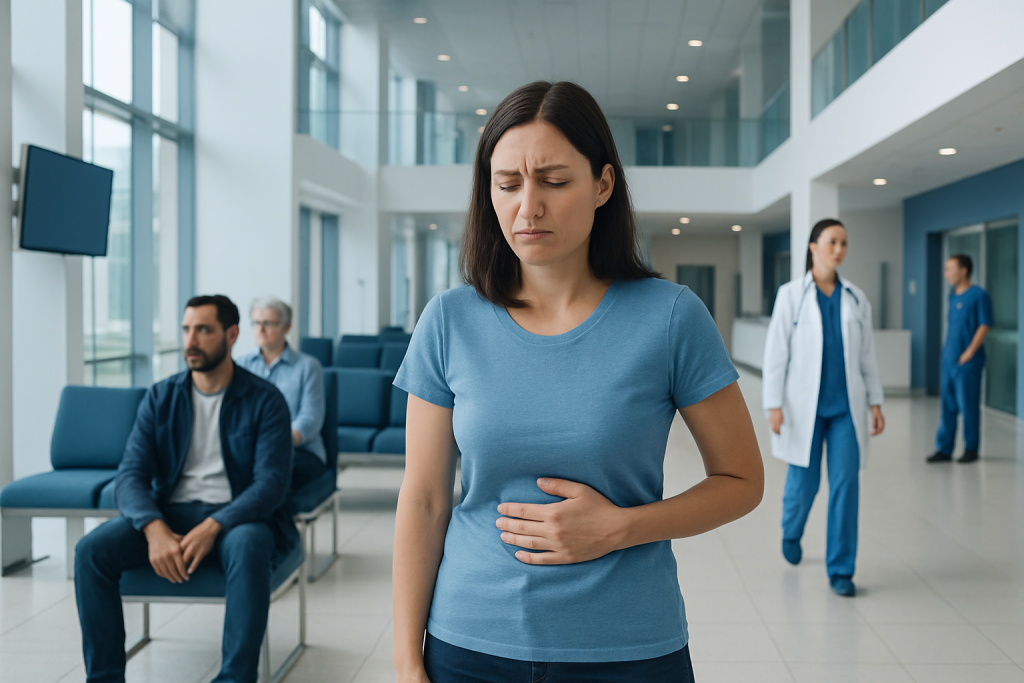
Typical gall bladder symptoms include right upper abdominal pain, nausea, bloating, and discomfort after meals. Pain may spread to the back or right shoulder and can come in episodes, especially after fatty foods.
Key Takeaways
- Typical gall bladder symptoms include right upper abdominal pain, nausea, bloating, and discomfort after meals.
- Pain may spread to the back or right shoulder and can come in episodes, especially after fatty foods.
- Gallstones are a common cause, but inflammation, infection, or blocked bile ducts can also trigger symptoms.
- Red flags include fever, yellowing of the skin or eyes, persistent vomiting, dark urine, pale stools, or severe pain lasting more than a few hours.
- Doctors diagnose the cause with a medical history, physical exam, blood tests, and imaging such as ultrasound.
- Treatment depends on the cause and may range from diet changes and monitoring to surgery.
Gall bladder symptoms most often involve pain in the upper right abdomen, especially after eating fatty foods, sometimes with nausea, bloating, or pain that spreads to the back or right shoulder. While many episodes are temporary, fever, jaundice, vomiting, or severe ongoing pain can signal a problem that needs prompt medical attention.
Overview: What gall bladder symptoms usually feel like
Gall bladder symptoms usually mean discomfort linked to the small organ under the liver that stores bile. The most common symptom is pain in the upper right side of the abdomen, often starting after a heavy or fatty meal. Some people describe it as a steady ache, while others feel a sharp gripping pain that builds over minutes and may last for several hours.
Gall bladder symptoms are not limited to pain alone. Nausea, bloating, indigestion-like discomfort, early fullness, and pain that spreads to the back or right shoulder blade can also occur. These symptoms can overlap with other digestive problems, so the pattern matters: pain after eating, especially fatty foods, is a classic clue.
Many people use the terms “gall bladder symptoms” and “gallstones” interchangeably, but symptoms can result from several related conditions. Gallstones are common and may block the flow of bile, but inflammation of the gallbladder or bile ducts can cause similar complaints. A person can also have gallstones without any symptoms at all.
Common symptoms and how they can vary
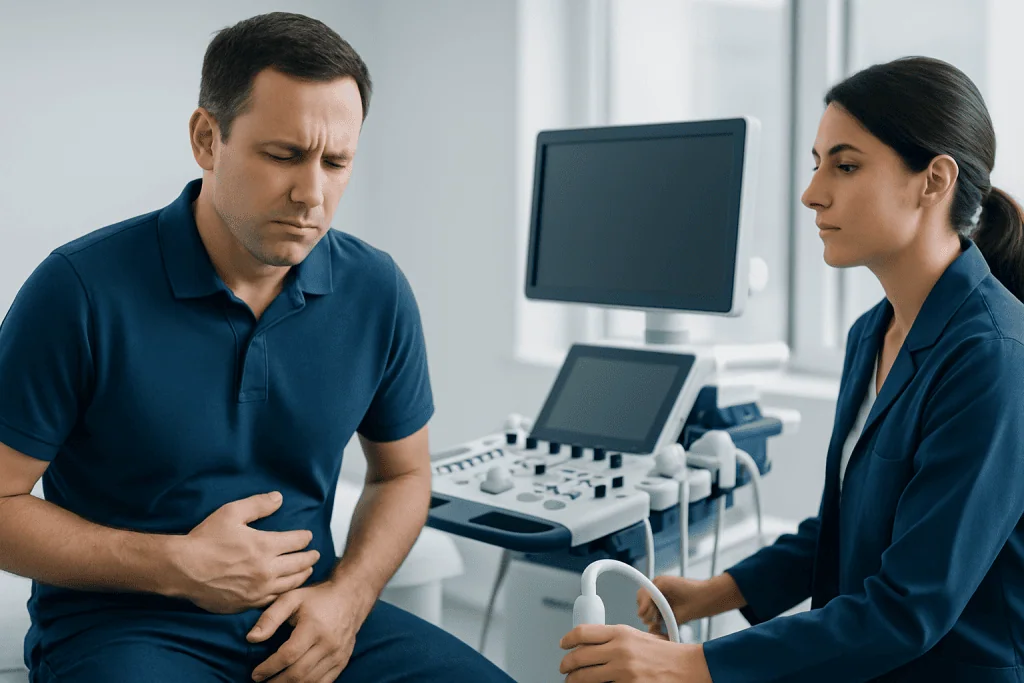
The hallmark symptom is pain in the right upper abdomen, just under the ribs. It may begin suddenly, often after eating, and may remain steady rather than coming and going like intestinal cramps. Some episodes are mild, while others are intense enough to make a person stop normal activities and seek urgent care.
Common associated symptoms include:
- Nausea or vomiting
- Bloating or a feeling of fullness
- Indigestion after meals
- Pain that radiates to the back or right shoulder
- Burping or discomfort after rich foods
Not everyone has the same pattern. Some people mainly notice repeated attacks after fatty meals. Others have vague upper abdominal discomfort for weeks before a more typical painful episode appears. In older adults, symptoms may be less obvious, and weakness, poor appetite, or confusion can sometimes overshadow abdominal pain.
Symptoms also differ depending on whether the problem is a brief blockage, ongoing inflammation, or a more serious bile duct obstruction. Short attacks that settle can happen with gallstones. Pain that keeps worsening, especially with fever or jaundice, deserves quicker evaluation because it may point to a complication rather than simple biliary colic.
Common triggers and what causes symptoms
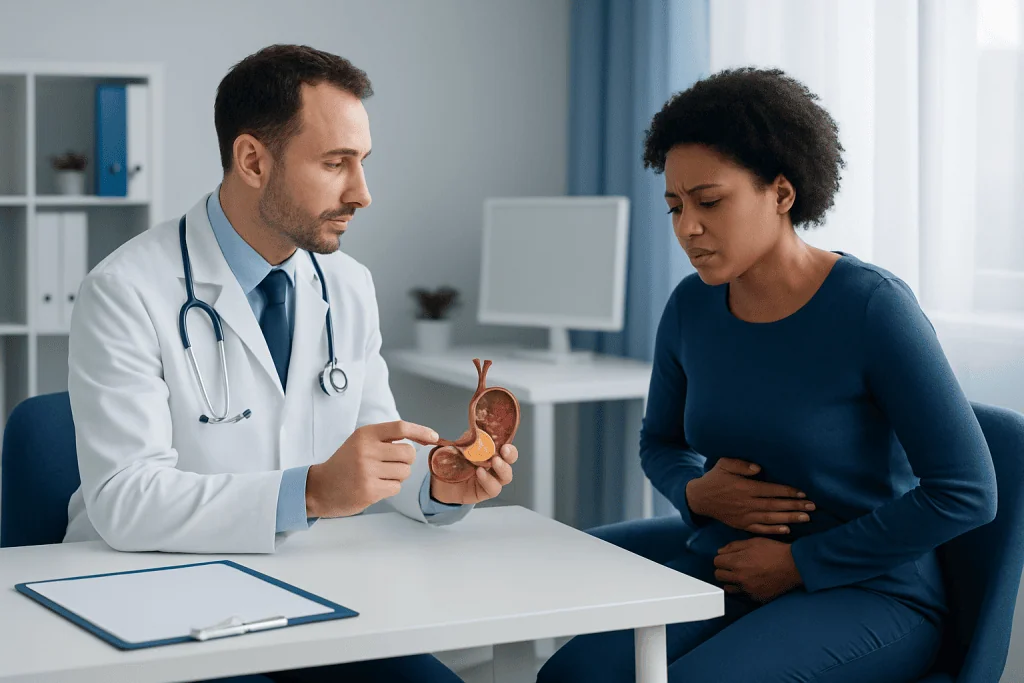
Gall bladder symptoms are often triggered when the gallbladder contracts after a meal. Fatty or fried foods are a well-known trigger because they stimulate the release of bile. If a gallstone blocks the gallbladder outlet or bile duct, pressure can build up and cause pain. This is why symptoms often start within a few hours of eating.
The most common underlying cause is gallstones, but they are not the only one. Inflammation of the gallbladder, called cholecystitis, may develop if a stone stays stuck and causes swelling or infection. Less commonly, problems in the bile ducts, pancreas, or liver can create similar symptoms and need to be considered.
Risk factors for gallbladder problems include increasing age, female sex, pregnancy, obesity, rapid weight loss, diabetes, certain medications, and a family history of gallstones. Diet may influence symptoms, but it is not the only reason gallstones form. Some people with healthy eating habits still develop them, while others with risk factors never have symptoms.
Because upper abdominal pain can have many causes, doctors also think about stomach ulcers, acid reflux, liver disease, pancreatic disorders, kidney stones, and even heart-related pain. This is one reason repeated or severe symptoms should not be self-diagnosed based on food triggers alone.
Red flags: when symptoms may signal a more serious problem
Most people want to know which gall bladder symptoms are expected and which ones should not be ignored. Mild symptoms that settle may still need medical review, but some signs suggest inflammation, infection, or blockage that could become more serious without treatment.
Seek prompt medical care if gall bladder symptoms occur with:
- Severe pain lasting more than a few hours
- Fever or chills
- Yellowing of the skin or eyes (jaundice)
- Persistent vomiting or inability to keep fluids down
- Dark urine or pale, clay-colored stools
- Marked tenderness of the abdomen or pain with breathing in
These features can be seen in acute cholecystitis, a blocked bile duct, or infection in the biliary system. In some people, gallstones can also contribute to pancreatitis, which may cause intense upper abdominal pain, nausea, and vomiting. A doctor may need blood tests and imaging quickly to distinguish these possibilities.
It is also wise to seek urgent advice if a person has a weakened immune system, is pregnant, is older, or has significant medical conditions such as diabetes. In these situations, infections and complications can be harder to recognize early and may progress faster.
How doctors diagnose the cause
Diagnosis starts with the story of the symptoms. A doctor will ask where the pain is felt, how long it lasts, what foods seem to trigger it, and whether there is fever, jaundice, or vomiting. The physical examination may reveal tenderness in the right upper abdomen, especially when pressure is applied under the ribcage.
Blood tests are often used to look for inflammation, infection, liver problems, or pancreatic involvement. These may include markers of infection and tests that show whether bile flow is obstructed. Blood work alone usually cannot confirm the cause, but it helps show how urgent the problem may be and whether nearby organs are affected.
Ultrasound is commonly the first imaging test because it can detect gallstones, gallbladder wall thickening, and signs of inflammation without radiation. If the diagnosis remains unclear, other imaging may be recommended, including MRI-based bile duct imaging, CT, or a functional scan. These tests help doctors tell apart gallbladder disease from other abdominal conditions.
When bile duct stones are suspected, a specialist may consider ERCP as both a diagnostic and therapeutic procedure in selected cases. This is generally reserved for situations where a blocked duct is likely, rather than for routine diagnosis of simple gallbladder pain.
Treatment options and what recovery may involve
Treatment depends on the cause, severity, and whether symptoms keep coming back. For isolated mild episodes, a doctor may advise short-term symptom control, dietary adjustments, and follow-up evaluation. However, repeated attacks often mean the underlying problem is still present, especially if gallstones are involved.
If imaging confirms symptomatic gallstones or gallbladder inflammation, surgery to remove the gallbladder is often the definitive treatment. This procedure is commonly performed with minimally invasive techniques, and many people recover well without long-term digestive problems. When appropriate, a doctor may discuss gallbladder surgery and whether timing should be urgent or planned.
If a stone has moved into the bile duct, treatment may focus first on clearing the blockage. In some cases, this is followed by surgery to prevent future episodes. If there is concern about nearby organs, a specialist may also assess the pancreas and surrounding structures, particularly if symptoms overlap with pancreatitis.
Care is individualized. People who are not good candidates for immediate surgery may need alternative planning, close monitoring, or treatment of infection and dehydration first. Near the end of the care pathway, some international patients choose evaluation at Acibadem International, where multidisciplinary specialists in JCI-accredited hospitals diagnose and treat gallbladder and biliary conditions.
Prevention, self-care, and when to seek medical care
Self-care cannot remove gallstones, but it may reduce symptom triggers while a person is waiting for medical review. Many people feel better when they avoid large, heavy, or greasy meals and choose smaller, balanced meals instead. Staying hydrated and maintaining a steady, healthy weight may also support digestive health, while very rapid weight loss should be avoided unless medically supervised.
It helps to keep a simple symptom diary. Recording when pain starts, what was eaten beforehand, how long it lasts, and whether nausea, fever, or yellowing of the eyes occurs can give a doctor useful clues. Over-the-counter remedies may mask symptoms but should not replace evaluation if attacks are recurring.
A person should arrange medical assessment if gall bladder symptoms happen more than once, interfere with eating, disturb sleep, or are becoming stronger over time. Immediate care is appropriate for severe pain, fever, jaundice, ongoing vomiting, or signs of dehydration. Early evaluation can help confirm the cause and prevent complications rather than waiting for symptoms to become urgent.
If symptoms are unclear or overlap with other digestive conditions, a doctor may also evaluate the stomach, liver, pancreas, or intestines. For some patients, broader digestive assessment such as endoscopy may be considered if the pattern does not fit gallbladder disease alone.
Frequently asked questions
Where is gallbladder pain usually felt?
Gallbladder pain is most commonly felt in the upper right part of the abdomen under the ribs. It may also spread to the back or the right shoulder blade. Some people feel it after meals, especially meals that are fatty or heavy.
Can gall bladder symptoms come and go?
Yes. Symptoms can occur in episodes, particularly if a gallstone temporarily blocks the gallbladder outlet and then moves away. Even if the pain stops, repeated attacks should still be discussed with a doctor because the problem may return or become more serious.
Do all people with gallstones have symptoms?
No. Many people have gallstones without ever knowing it because they cause no symptoms. Treatment is usually based on symptoms and complications rather than on the presence of stones alone.
What foods can trigger gall bladder symptoms?
Fatty, fried, creamy, or very rich foods are common triggers because they stimulate the gallbladder to release bile. Large meals may also bring on symptoms. Not everyone reacts the same way, so keeping track of personal triggers can be helpful.
When should someone go to the emergency department for gall bladder symptoms?
Emergency care is important if there is severe pain that does not ease, fever, chills, yellowing of the skin or eyes, repeated vomiting, or signs of dehydration. These symptoms may suggest inflammation, infection, or a blocked bile duct. Prompt treatment can prevent complications.
Can a person live normally without a gallbladder?
Yes, most people can live normally without a gallbladder. The liver still makes bile, but instead of being stored in the gallbladder, it flows more directly into the intestine. Some people notice temporary digestive changes after surgery, but many recover well.
References
- National Institute of Diabetes and Digestive and Kidney Diseases
- American College of Gastroenterology
- Mayo Clinic
- National Health Service
- Society of American Gastrointestinal and Endoscopic Surgeons
This article is for general information only and is not a substitute for professional medical advice. Please consult a qualified doctor about your individual situation.
Persistent digestive symptoms? Get evaluated in Turkey
JCI-accredited · board-certified surgeons · reply within 24h
Add us as a Preferred Source to see more of our trusted health content across Google Search, AI Overviews and Discover.