Gallbladder Diet: Benefits, Risks, and Safe Use

A gallbladder diet typically emphasizes lower-fat, balanced meals that are easier to digest. It may help reduce symptoms, especially after gallbladder attacks, surgery, or during flare-prone periods.
Key Takeaways
- A gallbladder diet typically emphasizes lower-fat, balanced meals that are easier to digest.
- It may help reduce symptoms, especially after gallbladder attacks, surgery, or during flare-prone periods.
- Diet alone does not reliably treat gallstones, infection, or bile duct blockage.
- Very restrictive diets and rapid weight loss can sometimes worsen gallbladder problems.
- Persistent pain, fever, jaundice, or vomiting need prompt medical evaluation.
A gallbladder diet usually means choosing foods that are easier to digest and lower in fat to help reduce symptoms such as pain, nausea, bloating, or diarrhea. It may support comfort and recovery in some people, but it does not dissolve gallstones or treat serious gallbladder disease on its own.
Overview: What a Gallbladder Diet Means
A gallbladder diet is not one single medical diet plan. In practice, it usually refers to an eating pattern designed to reduce digestive strain on the gallbladder, most often by limiting high-fat, fried, or very heavy meals and choosing foods that are easier to tolerate. For many people, this approach can help reduce symptoms such as upper abdominal discomfort, nausea, bloating, or diarrhea.
The gallbladder stores bile, which helps digest fats. When a meal is very high in fat, the gallbladder contracts more strongly to release bile into the small intestine. If a person has gallstones, gallbladder inflammation, or is recovering from gallbladder surgery, these stronger contractions may contribute to pain or digestive upset.
Clinical evidence supports a sensible, balanced, lower-fat eating pattern for symptom control and general digestive health. However, current evidence does not support a gallbladder diet as a cure for gallstones, gallbladder inflammation, or bile duct obstruction. Those conditions may need medical treatment, imaging, medicines, or surgery depending on the cause and severity.
The best approach is usually individualized. Some people tolerate a wide variety of foods with only minor adjustments, while others need a temporary simplified diet during symptom flare-ups or after procedures. A doctor or dietitian can help tailor the plan to symptoms, overall health, and whether a person has gallstones or another digestive condition.
Potential Benefits and What It Can and Cannot Do
The main benefit of a gallbladder diet is symptom management. Lower-fat meals may lead to fewer gallbladder contractions, which can make eating more comfortable for some people. Smaller, regular meals may also reduce nausea, fullness, bloating, and urgent bowel movements, especially in people who notice symptoms after large or greasy meals.
After gallbladder removal, some people develop temporary diarrhea or difficulty tolerating rich foods while the digestive system adjusts to the continuous flow of bile. In that setting, a lower-fat, gradual return to a normal diet can be helpful. Many people can later broaden their diet over time, although individual tolerance varies.
What a gallbladder diet cannot do is equally important. It does not reliably dissolve gallstones, clear an infected gallbladder, or treat a blocked bile duct. It also does not replace medical evaluation if symptoms suggest complications. Relying on diet alone when there is severe pain, fever, jaundice, or persistent vomiting can delay appropriate care.
There is also limited evidence for extreme food rules often promoted online. Completely avoiding all fats is not usually necessary or healthy, because the body still needs some dietary fat for nutrient absorption and overall nutrition. The goal is moderation, not unnecessary restriction.
Foods Often Better Tolerated and Foods That May Trigger Symptoms
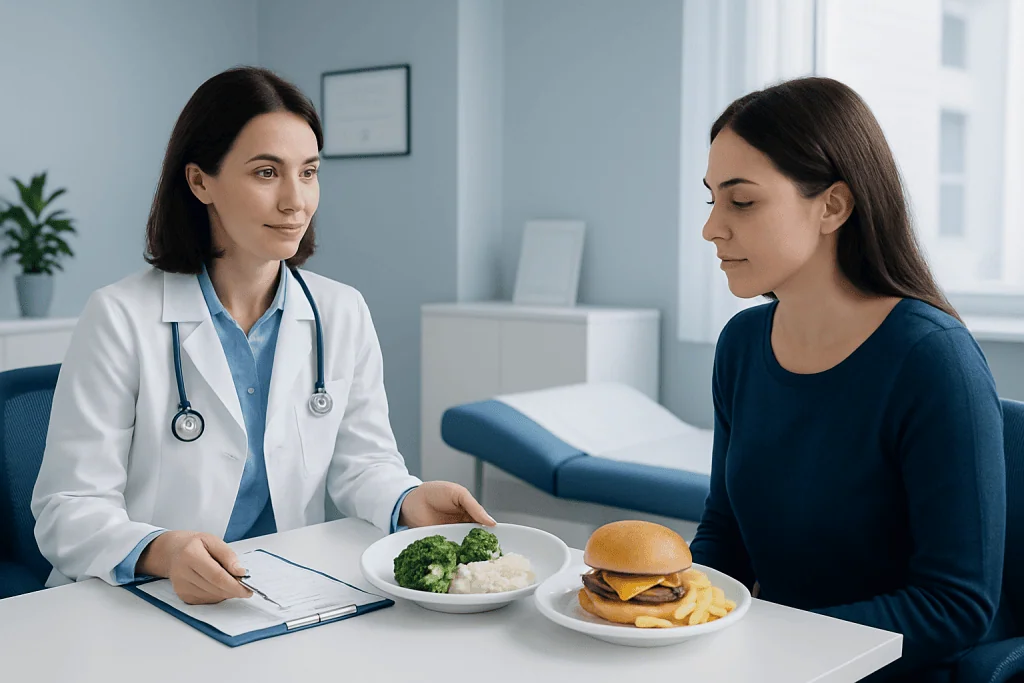
Many people with gallbladder symptoms do better with meals that are lower in fat, less greasy, and not overly large. Better-tolerated choices often include cooked vegetables, fruits, oatmeal, rice, potatoes, whole grains, beans if tolerated, lean poultry, fish, egg whites, low-fat dairy, soups, and simple home-cooked meals. Drinking enough water and spacing meals evenly through the day may also help.
Foods that commonly trigger symptoms vary from person to person, but often include fried foods, fatty cuts of meat, high-fat dairy products, creamy sauces, pastries, fast food, processed meats, and very rich desserts. Some people also notice symptoms after spicy meals, caffeine, or gas-forming foods, although these are not universal triggers.
A practical strategy is to keep a brief food and symptom diary for one to two weeks. This may help identify individual patterns without removing too many foods at once. If several foods seem to cause problems, a dietitian can help maintain nutritional balance while avoiding unnecessary restrictions.
- Choose grilling, baking, steaming, or boiling instead of frying.
- Prefer smaller meals over very large meals.
- Select lean protein sources and moderate portions.
- Reintroduce foods gradually after symptoms improve or after surgery.
Risks, Side Effects, and Who Should Be Careful
A well-planned gallbladder diet is generally safe, but an overly restrictive version can create problems. Cutting out too many foods may lead to low calorie intake, poor protein intake, constipation, fatigue, or inadequate vitamins and minerals. This is especially important for older adults, people with chronic illness, and those who are already underweight.
Very low-calorie diets and rapid weight loss deserve special caution. They may increase the risk of gallstone formation in some people because they can change bile composition and gallbladder emptying. For that reason, aggressive fasting plans, detox diets, and crash diets are not considered a safe strategy for gallbladder health.
People with diabetes, inflammatory bowel disease, chronic pancreatitis, liver disease, or malabsorption should not make major dietary changes without medical guidance. Symptoms that seem related to the gallbladder can overlap with pancreatitis, peptic ulcer disease, reflux, irritable bowel syndrome, or liver and bile duct disorders.
Anyone recovering from surgery or repeated vomiting may also need a more structured plan to prevent dehydration and poor nutrition. If a person has been advised to follow a post-procedure diet after gallbladder surgery, it is best to follow the surgeon’s instructions and advance foods gradually as recommended.
Evidence, Diagnosis, and the Role of Medical Evaluation
Research supports dietary modification as a symptom-management tool, but not as a stand-alone treatment for confirmed gallbladder disease. Doctors usually look at the whole clinical picture: the type of pain, relation to meals, nausea, fever, vomiting, jaundice, stool and urine color changes, and the duration and pattern of symptoms.
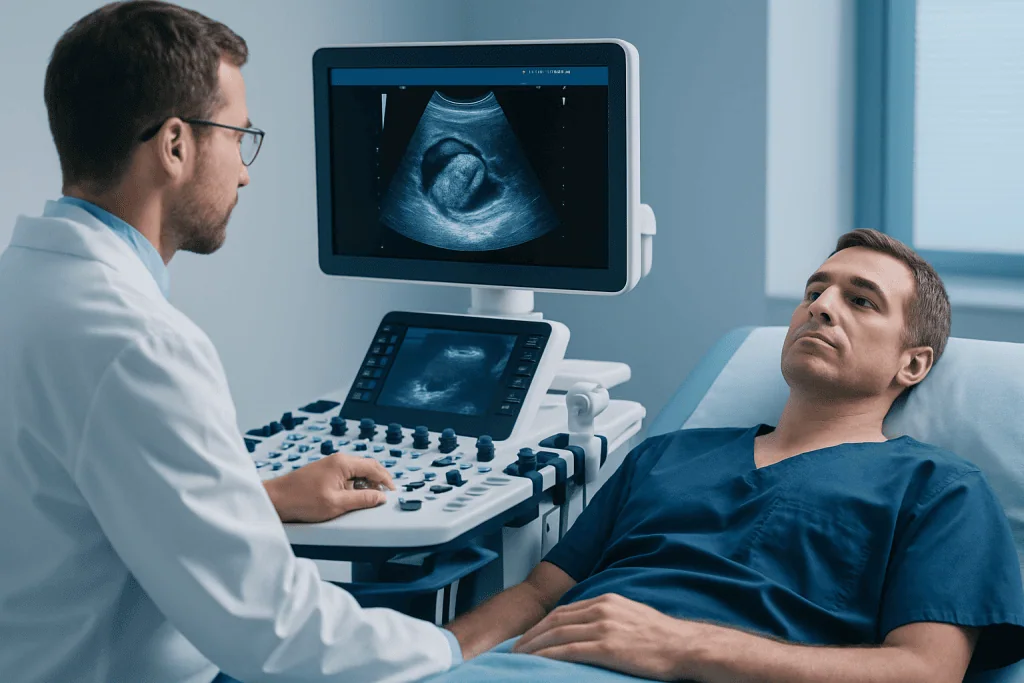
Diagnosis often involves a physical examination, blood tests, and imaging. Ultrasound is commonly used to look for gallstones, inflammation, thickening of the gallbladder wall, or bile duct changes. In some situations, a clinician may recommend more advanced evaluation through gastroenterology care or additional imaging to clarify the cause of symptoms.
It is also important to separate discomfort after heavy meals from urgent conditions. Gallbladder pain often occurs in the upper right abdomen or center of the upper abdomen and may radiate to the back or right shoulder. But pain in these areas can have many causes, so self-diagnosis is not reliable.
If symptoms are recurring, a doctor may confirm gallbladder inflammation or another biliary disorder and recommend the most appropriate treatment plan. Diet can be part of that plan, but it should be based on a clear diagnosis whenever symptoms are ongoing or severe.
Treatment Options Beyond Diet
Treatment depends on the condition causing symptoms. If there are mild digestive symptoms without complications, a clinician may advise dietary adjustments, hydration, and observation while arranging follow-up. However, repeated gallbladder attacks, confirmed gallstones with symptoms, acute inflammation, infection, or bile duct blockage may require more active treatment.
Gallbladder removal is a common treatment for recurrent symptomatic gallstones or cholecystitis. Surgery is not needed for everyone with gallstones, especially if they are found incidentally and cause no symptoms. When surgery is recommended, the decision is based on symptoms, imaging findings, overall health, and risk of complications.
Some people may need endoscopic or hospital-based care if a stone moves into the bile duct or if there are signs of infection or pancreatitis. Medications may be used for pain control, nausea, or infection when appropriate, but these do not replace treatment of the underlying problem when complications are present.
Near the end of the care pathway, many patients benefit from coordinated follow-up that includes surgery, digestive medicine, and nutrition advice. Acibadem International’s multidisciplinary specialists at JCI-accredited hospitals diagnose and treat gallbladder conditions for international patients, including evaluation by general surgery specialists when needed.
Safe Self-care and Practical Daily Tips
For day-to-day self-care, the safest approach is usually moderation and consistency rather than strict elimination. Eating smaller meals at regular times may be easier to tolerate than skipping meals and then eating a large dinner. A balanced plate with lean protein, grains or starches, vegetables, and a modest amount of healthy fat is often more sustainable than a highly restrictive regimen.
During periods of active symptoms, simple foods may be easier to tolerate for a short time. Examples include toast, rice, bananas, applesauce, soup, plain potatoes, oatmeal, or low-fat yogurt if dairy is tolerated. Once symptoms settle, foods can be reintroduced gradually so the diet does not remain unnecessarily limited.
General lifestyle measures may also support overall digestive health. These include maintaining a steady body weight, avoiding rapid weight-loss programs, staying physically active as appropriate, limiting alcohol if advised by a doctor, and discussing all supplements with a clinician. Many supplements marketed for the liver or gallbladder have limited evidence and may interact with medicines or worsen symptoms.
If symptoms continue despite careful eating, repeated food avoidance alone is not the answer. Ongoing pain or nausea should prompt a medical review to identify whether the issue is the gallbladder, the pancreas, the stomach, or another digestive organ.
When to Seek Medical Care
Medical care is important if abdominal symptoms are severe, persistent, or repeatedly triggered by meals. A doctor should assess pain in the upper right abdomen or upper middle abdomen, especially if it lasts more than a few hours, comes back often, or interferes with eating and daily activities.
Urgent evaluation is needed if symptoms are accompanied by fever, chills, yellowing of the skin or eyes, dark urine, pale stools, persistent vomiting, confusion, fainting, or signs of dehydration. These may suggest infection, bile duct blockage, pancreatitis, or another condition that should not be managed with diet alone.
People who are pregnant, older, immunocompromised, or living with chronic diseases should seek advice earlier because complications may be harder to recognize. Anyone who has had recent abdominal surgery or known gallstones and develops worsening pain should contact a healthcare professional promptly.
A short trial of a gentler, lower-fat diet can be reasonable for mild symptoms, but it should not delay diagnosis when warning signs are present. If there is uncertainty, seeking medical guidance is the safest step.
Frequently asked questions
What is the best gallbladder diet?
There is no single best gallbladder diet for everyone. In general, a balanced eating pattern with smaller meals and less fried or high-fat food is often easier to tolerate. The best plan depends on symptoms, overall nutrition, and whether there is a diagnosed gallbladder condition.
Can a gallbladder diet get rid of gallstones?
Diet may help reduce symptoms in some people, but it does not reliably remove gallstones. Gallstones that cause repeated pain, inflammation, or blockage often need medical evaluation and sometimes procedural or surgical treatment. A clinician can explain the safest option based on imaging and symptoms.
Which foods should usually be avoided with gallbladder problems?
Common triggers include fried foods, fatty meats, high-fat dairy, creamy sauces, fast food, and very rich desserts. Not everyone reacts to the same foods, so individual tolerance matters. A food diary can help identify personal triggers without over-restricting the diet.
Is a very low-fat diet necessary?
Usually not for the long term. Some fat is important for normal nutrition and vitamin absorption, so the aim is usually moderate fat intake rather than complete avoidance. A very low-fat or highly restrictive diet may be hard to sustain and may not be medically necessary.
What should someone eat after gallbladder surgery?
After surgery, many people do well starting with simple, lower-fat foods and increasing variety gradually as tolerated. Temporary diarrhea, bloating, or sensitivity to rich meals can happen while digestion adjusts. The surgeon's or dietitian's instructions should guide the pace of returning to a regular diet.
Can rapid weight loss affect the gallbladder?
Yes. Rapid weight loss and very low-calorie diets can increase the risk of gallstones in some people. Slow, steady weight management is generally considered safer for gallbladder health.
This article is for general information only and is not a substitute for professional medical advice. Please consult a qualified doctor about your individual situation.
Persistent digestive symptoms? Get evaluated in Turkey
JCI-accredited · board-certified surgeons · reply within 24h
Add us as a Preferred Source to see more of our trusted health content across Google Search, AI Overviews and Discover.

More from the Health Library

L Lysine Supplementation: Benefits, Risks, and Safe Use

High Protein Foods for Muscle Building: What the Clinical Research Actually Says

Nutritional Content of Paneer: What the Clinical Research Actually Says

Vitamin B C D: Evidence-Based Benefits, Risks, and Practical Guidance

Best Glutathione Supplement: Evidence-Based Benefits, Risks, and Practical Guidance