Gallbladder Removal Recovery: Hospital Stay, Diet, and Return to Normal Activity

Most people go home the same day or within 24 hours after laparoscopic gallbladder removal. A light, low-fat diet is often easiest at first, then foods can usually be added back gradually.
Key Takeaways
- Most people go home the same day or within 24 hours after laparoscopic gallbladder removal.
- A light, low-fat diet is often easiest at first, then foods can usually be added back gradually.
- Walking soon after surgery supports circulation, bowel function, and overall recovery.
- Recovery is generally quicker after laparoscopic surgery than after open surgery.
- Fever, worsening pain, jaundice, or persistent vomiting should be assessed by a doctor promptly.
Gallbladder removal recovery is usually straightforward, especially after keyhole surgery, but healing time can vary from person to person. Knowing what to expect with hospital stay, diet, pain control, wound care, and activity can help recovery feel more comfortable and predictable.
Overview of Gallbladder Removal Recovery
Gallbladder removal, also called cholecystectomy, is a common operation performed to treat problems such as gallstones, inflammation, or gallbladder attacks. Recovery depends partly on whether the procedure was done laparoscopically through small incisions or as open surgery through a larger incision. In most cases, laparoscopic surgery allows a faster return to daily life.
Many people are relieved to find that living without a gallbladder is usually very manageable. The liver continues to make bile, but instead of being stored in the gallbladder, bile flows directly into the small intestine. The body often adapts well to this change, although some people notice temporary digestive changes during the first days or weeks.
Early recovery focuses on pain control, gentle movement, wound care, hydration, and gradually restarting eating. It is also normal to feel tired for a short time after anesthesia and surgery. Clear instructions from the surgical team help make the process safer and more comfortable.
Hospital Stay and the First 24 Hours
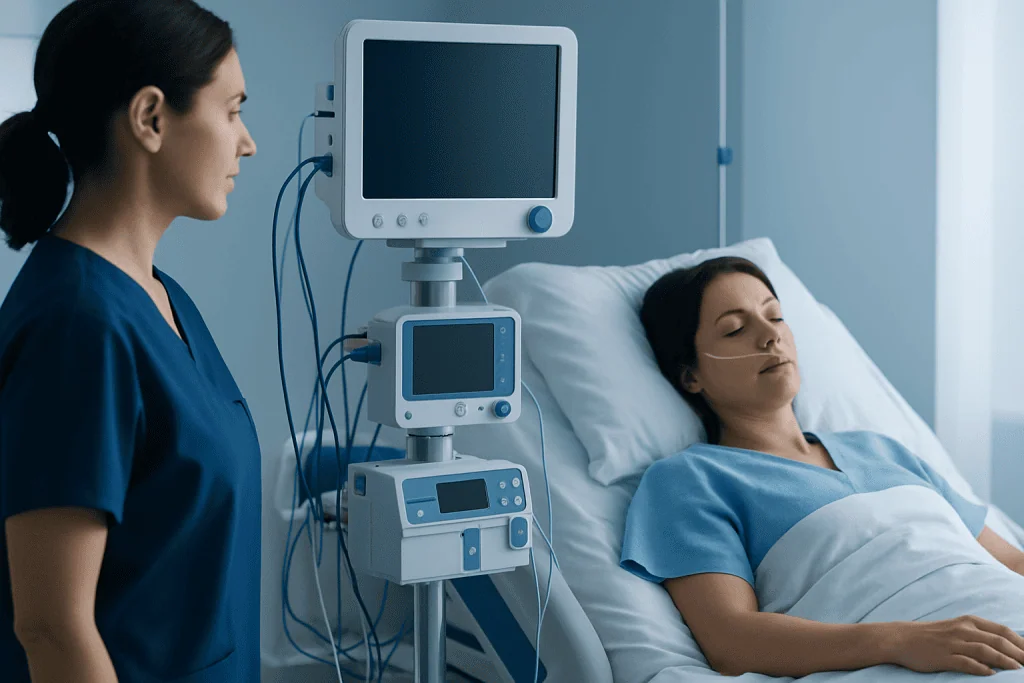
After gallbladder surgery, the patient is monitored in a recovery area until fully awake and stable. Nurses check pain, breathing, blood pressure, and the surgical wounds. Some shoulder-tip discomfort can happen after laparoscopic surgery because of the gas used during the procedure. This usually improves over a day or two.
For laparoscopic cholecystectomy, many patients go home the same day. Others stay overnight, especially if surgery was later in the day, symptoms were severe before surgery, or there are other medical conditions that need closer observation. Open surgery often requires a longer hospital stay because the incision is larger and recovery is slower.
During the first 24 hours, the care team usually encourages getting out of bed and walking with assistance as soon as it is safe. Early movement helps reduce the risk of blood clots, supports lung function, and can help the bowels start working again. Small sips of water are often started first, followed by light foods if nausea is under control.
Pain, Incision Care, and Common Early Symptoms
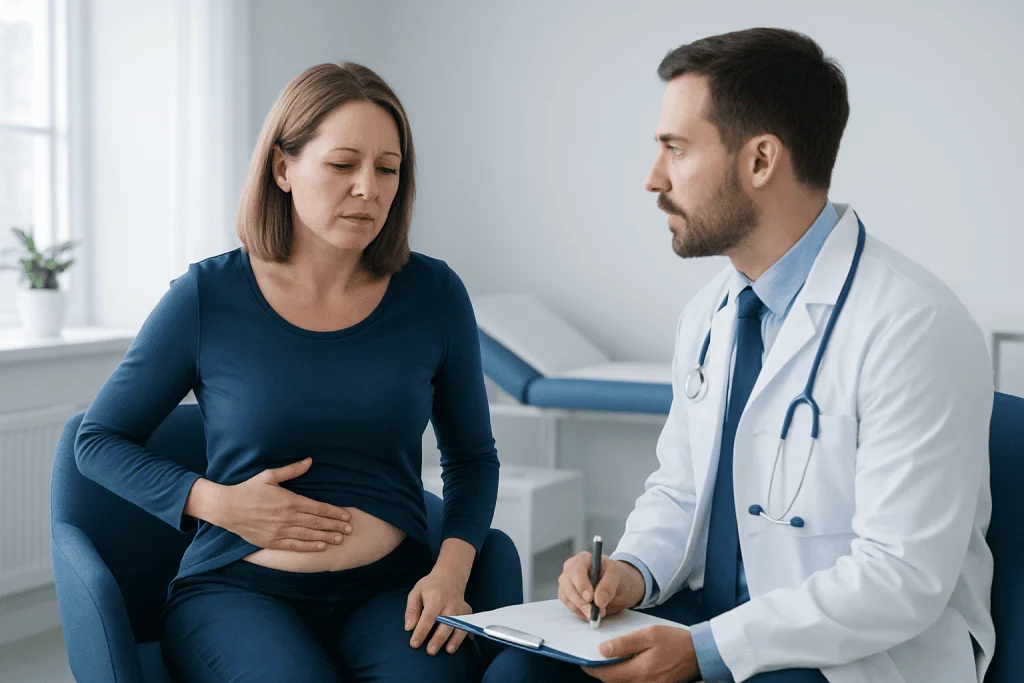
Mild to moderate pain, soreness around the incisions, tiredness, bloating, and temporary nausea are all common in the early recovery period. Pain is usually strongest in the first few days and then gradually improves. The surgeon may recommend pain relief medicine, and many people find it easier to move, breathe deeply, and sleep when discomfort is well controlled.
Incision care is an important part of healing. Dressings should be managed exactly as advised by the surgical team, and the wounds should be kept clean and dry. It is usually possible to shower after a short time, depending on the type of closure used, but soaking in baths, pools, or hot tubs is often delayed until the wounds have sealed well.
It is also common to have constipation after surgery, especially if pain medicines are used. Drinking fluids, walking, and following medical advice about bowel care can help. Some loose stools or urgency after eating may also occur temporarily as the digestive system adjusts to the absence of the gallbladder.
- Expected early symptoms may include mild pain, bloating, fatigue, nausea, and reduced appetite.
- Medical review is important if there is increasing redness, pus, severe swelling, or opening of the wound.
- Any medicines should be taken exactly as prescribed or recommended by the treating doctor.
Diet After Gallbladder Removal
Eating after gallbladder removal is usually a gradual process. In the first day or two, small, simple meals are often easiest. Bland foods such as toast, rice, soup, bananas, yogurt, or crackers may be better tolerated while the stomach and intestines settle after anesthesia and surgery. Drinking enough water is also important.
A low-fat diet is commonly recommended at the beginning because large or greasy meals can trigger cramping, bloating, nausea, or diarrhea. Since bile is no longer stored and released in larger amounts during meals, the body may digest fatty foods less comfortably for a while. Choosing smaller, more frequent meals can sometimes help.
Most people can slowly reintroduce a wider range of foods over days to weeks, based on how they feel. It may help to limit fried foods, very spicy meals, rich desserts, and alcohol at first. If ongoing digestive symptoms continue, a doctor or dietitian may suggest practical dietary adjustments. In some cases, gallbladder removal is part of treatment planning within broader gastroenterology care.
- Start with light meals and increase variety gradually.
- Choose lower-fat options in the early recovery period.
- Eat smaller portions if full meals cause discomfort.
- Keep note of foods that seem to trigger diarrhea or bloating.
Return to Normal Activity and Work
Gentle activity is encouraged soon after surgery, and walking is one of the best early exercises. Short walks around the home or corridor can improve circulation, reduce stiffness, and support bowel function. Rest is still important, but complete bed rest is usually not recommended unless a doctor has advised it for a specific reason.
The timeline for returning to normal activity depends on the type of surgery, overall health, and the physical demands of daily life. After laparoscopic surgery, many people resume light routine tasks within several days and return to desk-based work within about one to two weeks. Recovery after open surgery is usually longer, and physically demanding work may need to wait several weeks more.
Lifting restrictions are common after surgery to protect the healing abdominal wall. Driving should usually wait until the patient is no longer taking sedating pain medicine and can move comfortably enough to react safely. It is best to follow the surgeon’s exact guidance about exercise, lifting, travel, work, and intimacy, especially if recovery is slower than expected or if the operation was more complex.
Possible Digestive Changes and Follow-Up
Many people have no long-term digestive problems after gallbladder removal, but some notice temporary changes as the body adjusts. Loose stools, more frequent bowel movements, gas, or sensitivity to high-fat meals can occur. These issues often improve over time, especially with dietary adjustments and gradual return to normal eating habits.
If symptoms persist, the doctor may review whether there is another digestive issue involved, such as reflux, irritable bowel symptoms, or a problem unrelated to the gallbladder. Follow-up visits are important because they allow the surgical team to check healing, review pathology if relevant, and address any ongoing concerns about pain, digestion, or energy levels. Some patients undergoing evaluation for abdominal pain may also have tests within endoscopy services if their doctors think another upper digestive condition is contributing.
In a smaller number of cases, persistent symptoms after surgery may need additional assessment. Doctors may consider whether symptoms relate to the bile ducts, retained stones, or another condition affecting the digestive system. This is why new or ongoing pain should not be ignored, even if the surgery itself went well.
When to Contact a Doctor
Although recovery is usually smooth, some warning signs should be assessed promptly. A doctor should be contacted if there is fever, worsening rather than improving pain, repeated vomiting, yellowing of the skin or eyes, swelling of the abdomen, chest pain, shortness of breath, or inability to keep fluids down. These symptoms do not always mean a serious problem, but they do need medical review.
Concerns about the wound also matter. Increasing redness, warmth, pus, a bad smell, or significant bleeding from the incision can suggest infection or poor healing. Severe diarrhea, dehydration, or constipation that does not improve should also be discussed with a healthcare professional.
If gallbladder removal was done because of complications from gallstones or inflammation, recovery may need closer follow-up. Conditions such as gallstones or pancreatitis can sometimes be part of the wider picture before or after surgery. Near the end of recovery planning, some international patients choose care at Acibadem International, where multidisciplinary specialists in JCI-accredited hospitals diagnose and treat digestive conditions and support postoperative follow-up.
Frequently asked questions
How long does gallbladder removal recovery usually take?
Recovery after laparoscopic gallbladder surgery is often measured in days to a couple of weeks for light daily activities. Open surgery usually takes longer because the incision is larger and the abdominal wall needs more time to heal. The exact timeline depends on overall health, the reason for surgery, and whether there were any complications.
How long is the hospital stay after gallbladder removal?
Many people who have laparoscopic surgery go home the same day or after one night in hospital. Open surgery more often requires a longer stay for pain control, monitoring, and support with movement and eating. The surgeon decides discharge based on comfort, stability, and recovery progress.
What can a person eat after gallbladder removal?
It is usually best to begin with light, simple foods and adequate fluids. Lower-fat meals are often easier to digest in the first days or weeks, and larger greasy meals may trigger bloating or diarrhea. Most people can gradually return to a more normal diet as symptoms settle.
Is diarrhea normal after gallbladder surgery?
Some people do have temporary diarrhea or more frequent bowel movements after gallbladder removal. This can happen because bile flows more continuously into the intestine instead of being stored in the gallbladder. Symptoms often improve with time, smaller meals, and limiting high-fat foods early on.
When can normal exercise and work resume?
Walking is usually encouraged soon after surgery, but strenuous exercise and heavy lifting often need to wait until the surgeon says it is safe. Desk work may be possible within one to two weeks after laparoscopic surgery, while physically demanding jobs may require more time. Open surgery generally involves a longer recovery before full activity.
What symptoms after surgery should not be ignored?
A doctor should be contacted for fever, worsening pain, persistent vomiting, jaundice, increasing wound redness, or trouble breathing. Severe abdominal swelling, inability to drink fluids, or symptoms that are getting worse instead of better also need prompt attention. Early medical advice can help identify whether healing is normal or if treatment is needed.
References
- National Institute of Diabetes and Digestive and Kidney Diseases
- National Health Service
- American College of Surgeons
- Society of American Gastrointestinal and Endoscopic Surgeons
This article is for general information only and is not a substitute for professional medical advice. Please consult a qualified doctor about your individual situation.
Explore treatments in Turkey — costs, top hospitals & a free quote
JCI-accredited · board-certified surgeons · reply within 24h
Add us as a Preferred Source to see more of our trusted health content across Google Search, AI Overviews and Discover.
Check your numbers in seconds
BMI, calories, due date, blood pressure and 30+ more clinical calculators — free, instant, doctor-reviewed ranges.