Galleri Test Cost: What Patients Really Pay
The Galleri test is a blood-based multi-cancer early detection test that looks for a cancer-associated signal. Its price and insurance coverage can vary, and many people may face out-of-pocket costs.
Key Takeaways
- The Galleri test is a blood-based multi-cancer early detection test that looks for a cancer-associated signal.
- Its price and insurance coverage can vary, and many people may face out-of-pocket costs.
- A positive result does not diagnose cancer; imaging, specialist assessment, and sometimes biopsy are needed.
- A negative result does not rule out cancer and does not replace routine screening such as mammography, cervical screening, colorectal screening, or lung screening when eligible.
- The test may be considered for selected adults after an individual discussion with a qualified clinician.
Galleri test cost is not fixed and may vary by clinic, laboratory arrangements, consultation fees, and the follow-up investigations needed after an abnormal result. The test is generally not a substitute for recommended cancer screening and should be considered with a clinician who can explain its possible benefits, limitations, and financial implications.
Galleri Test Cost: What Patients Really Pay
Galleri test cost varies because it may include more than the blood test itself. A patient may be charged separately for a medical consultation, blood collection, result review, and any follow-up imaging or specialist visits if the result detects a cancer-associated signal. Coverage also differs between health plans, regions, and clinical settings.
The Galleri test is a multi-cancer early detection blood test. It analyzes fragments of DNA in the bloodstream for patterns that may be associated with cancer and, if a signal is found, estimates the body area where it may have started. It is not a diagnostic test, and it is not designed to replace established screening programs.
Before arranging the test, patients can ask the ordering clinic for a written estimate that separates the test fee from consultation and follow-up costs. It is also sensible to ask the insurance provider directly about benefits, prior authorization requirements, exclusions, and whether diagnostic tests prompted by an abnormal result are covered.
How the Galleri Test Works
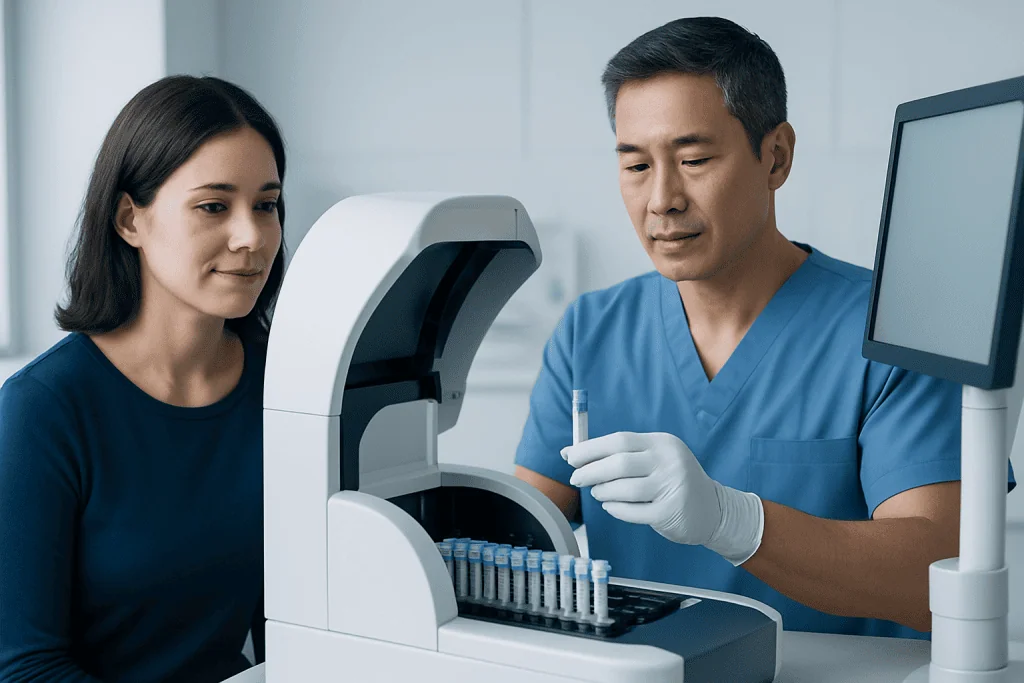
Cancer cells can release small fragments of DNA into the bloodstream. The Galleri test evaluates patterns of DNA methylation, which are chemical changes that can help distinguish cancer-associated DNA patterns from typical patterns. When the test identifies a cancer signal, its report may suggest a cancer signal origin, meaning the tissue or organ system most likely to require further evaluation.
A blood sample is collected and sent to a specialized laboratory. The laboratory analyzes the sample and reports either that no cancer signal was detected or that a cancer signal was detected. A detected signal is not confirmation of cancer. It indicates that timely diagnostic assessment is needed to determine whether cancer is present and, if so, where it is located.
Like all screening tests, the Galleri test can produce false-positive and false-negative results. A false positive can lead to anxiety and additional tests, while a false negative may provide reassurance even though cancer is present. For these reasons, results should be reviewed in the context of symptoms, medical history, family history, and routine screening needs.
Who May Be a Candidate and What the Procedure Involves
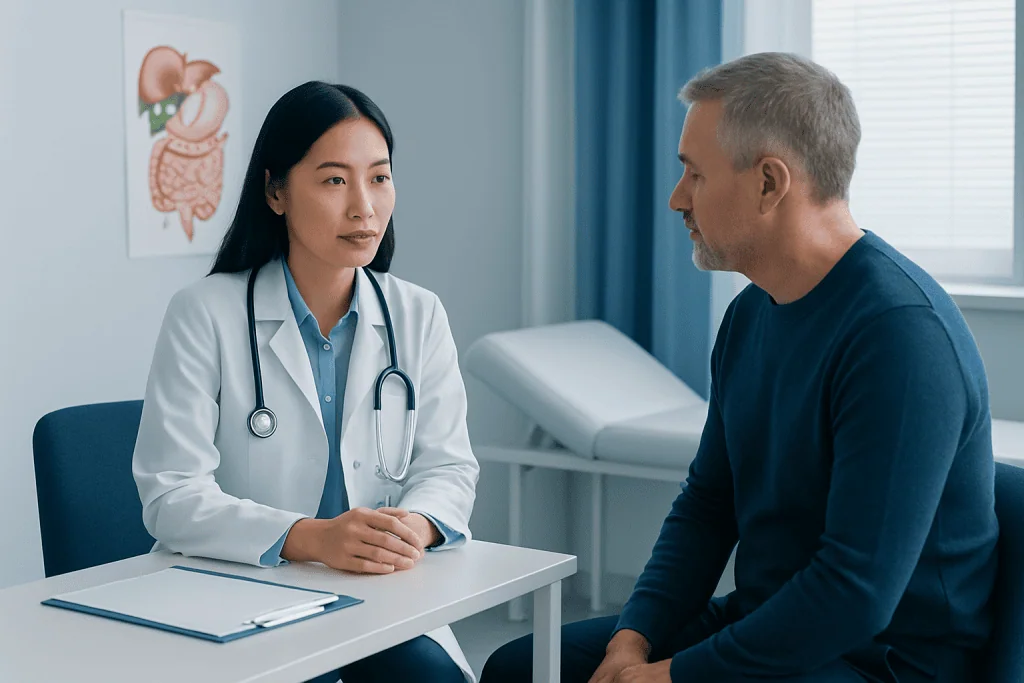
Galleri is intended for adults who have an increased likelihood of developing cancer with age, often those aged 50 years or older. Whether it is appropriate depends on the individual. A clinician may consider current health, prior cancer history, inherited cancer risk, smoking history, symptoms, life expectancy, and the person’s ability and willingness to complete follow-up testing if needed.
The procedure itself is straightforward. After a clinician discusses the test and obtains consent, a healthcare professional draws blood from a vein in the arm. The sample is labeled, processed, and sent to the laboratory. The blood draw commonly takes only a few minutes, although the overall appointment may be longer if it includes counseling and planning.
There is no special recovery period after the blood draw. Most people can return to normal activities immediately. Mild bruising, tenderness, lightheadedness, or a small amount of bleeding at the needle site can occur and usually settles quickly. Patients who take blood-thinning medication or have a bleeding condition should tell the healthcare team before blood is drawn.
People with warning symptoms should not rely on a screening blood test instead of medical assessment. Unexplained bleeding, a persistent new lump, ongoing changes in bowel or bladder habits, unintended weight loss, or a cough that does not improve deserve prompt clinical evaluation.
Benefits, Limits, and Follow-Up After Results
A potential benefit of multi-cancer early detection testing is the possibility of identifying a cancer-associated signal for cancers that do not have widely recommended population screening tests. Earlier diagnosis can sometimes expand treatment options, but research is still continuing to clarify how these tests affect outcomes such as cancer mortality in routine care.
If a cancer signal is detected, the next step is not treatment but diagnostic investigation. Depending on the suggested signal origin and the person’s symptoms, this may include physical examination, blood tests, targeted imaging, endoscopy, or tissue sampling. Cancer is diagnosed through appropriate clinical assessment, often including a biopsy when an abnormal area is found.
If no cancer signal is detected, patients should continue standard preventive care. This includes age- and risk-appropriate breast, cervical, colorectal, lung, prostate, and skin assessments as advised by a clinician. A negative Galleri result does not exclude all cancers, including cancers that are small, early, or do not release enough detectable DNA into the blood.
When cancer is suspected or confirmed, care is usually coordinated across oncology, radiology, pathology, surgery, and other specialties. Medical oncology care can help patients understand diagnostic findings, treatment choices, and supportive care needs.
What Do Doctors Say About Galleri Test?
Doctors generally view the Galleri test as an emerging screening technology rather than a replacement for standard cancer screening. Some clinicians may discuss it with selected patients, particularly adults who want to explore additional screening after understanding the uncertainty, potential out-of-pocket expense, and possibility of further testing.
Professional discussions commonly emphasize informed decision-making. Patients should understand that a positive result needs diagnostic follow-up and that a negative result cannot guarantee that cancer is absent. Clinicians also consider whether a patient is likely to benefit from early detection and whether they can safely undergo the investigations that may follow an abnormal result.
Established screening remains essential because it has specific evidence and care pathways for certain cancers. Examples include mammography for breast cancer, cervical screening, colorectal cancer screening, and low-dose CT screening for eligible people at high risk of lung cancer. A clinician can help integrate a multi-cancer test into, rather than substitute it for, an individualized prevention plan.
Is the Galleri Test Worth the Money?
Whether the Galleri test is worth the money is a personal and clinical decision, not a question with one answer for everyone. The value a person places on additional screening may differ depending on age, cancer risk factors, family history, access to routine screening, personal finances, and comfort with the possibility of inconclusive or false-positive findings.
It is helpful to consider the total financial picture rather than only the initial test charge. A detected signal can lead to imaging, consultations, repeat testing, procedures, travel, time away from work, and possible biopsy. Some of these services may be covered differently from the test itself, so discussing the pathway in advance can reduce unexpected costs.
Patients can ask a clinician what information the test is likely to add to their current screening plan, what follow-up would be recommended for an abnormal result, and whether there are more evidence-based screening tests they have not yet completed. For people with a strong family history of cancer, genetic counseling may also be more informative than broad blood-based screening alone.
What Insurance Companies Cover Galleri Tests?
Insurance coverage for the Galleri test is not universal and can change over time. Some insurance plans may not cover multi-cancer early detection testing as a routine preventive service, meaning patients may need to pay for the test themselves. Coverage policies can differ even within the same insurer according to the plan type, employer benefits, location, and clinical indication.
Patients should contact their insurer before testing and ask whether the test is covered, whether prior authorization is required, and what documentation is needed. They should also ask how the plan handles diagnostic follow-up after an abnormal screening result, since coverage for imaging or procedures may depend on medical necessity and network requirements.
An ordering clinic can often explain its own billing process, but it cannot guarantee an insurer’s final payment decision. Keeping records of preauthorization conversations, written estimates, referral requirements, and explanation-of-benefits documents may help patients understand their responsibility for charges.
What Cancers Does Galleri Not Test For?
Galleri is designed to look for a shared cancer-associated DNA signal rather than to perform a separate, definitive test for every cancer type. It may detect signals associated with many cancers, but it does not reliably identify every cancer in every person. Some cancers may be missed because they are early, small, slow-growing, or do not release enough detectable DNA into the bloodstream.
A no-signal result should therefore not be interpreted as proof that a person does not have cancer. It does not replace screening for breast, cervical, colorectal, or lung cancer when a person meets screening criteria. It also does not remove the need to investigate new or persistent symptoms.
In addition, the test may suggest an organ system but may not precisely locate a tumor. Diagnostic imaging and, when needed, pathology remain necessary to confirm a diagnosis. Patients concerned about a particular cancer risk should discuss targeted screening and risk assessment with a clinician.
When to Seek Medical Care
Patients should seek medical advice promptly if they have symptoms that could indicate cancer or another important health problem, whether or not they have had a Galleri test. Examples include unexplained vaginal, rectal, urinary, or coughing-up blood; a new or enlarging lump; persistent difficulty swallowing; ongoing abdominal pain; persistent hoarseness; or unexplained weight loss.
A positive Galleri result should be reviewed with the clinician who ordered the test without delay so that appropriate follow-up can be organized. A negative result should not delay care for concerning symptoms. Urgent evaluation is appropriate for severe symptoms such as significant bleeding, sudden severe pain, fainting, trouble breathing, or neurological changes.
Acibadem International’s multidisciplinary specialists and JCI-accredited hospitals support international patients who need cancer evaluation and treatment planning. Depending on the findings, care may include oncology evaluation, PET-CT imaging, or assessment for lung cancer and other suspected conditions.
Frequently asked questions
How much does the Galleri test cost?
The Galleri test cost can vary by provider, location, clinical consultation, and laboratory arrangement. Patients should also consider possible charges for result review and diagnostic follow-up if a cancer signal is detected. Asking for a written estimate before testing can clarify the expected costs.
Does a positive Galleri test mean someone has cancer?
No. A positive result means that the test detected a cancer-associated signal and recommends diagnostic follow-up. Imaging, examinations, and sometimes a biopsy are needed to determine whether cancer is actually present.
Can the Galleri test replace a mammogram or colonoscopy?
No. It should not replace recommended screening such as mammography, cervical screening, colorectal screening, or lung screening for eligible people. These established tests remain important even when a multi-cancer blood test shows no cancer signal.
How long does recovery take after the Galleri test?
The test involves a standard blood draw, so there is usually no recovery time. Most people return to their normal routine immediately. Minor bruising or soreness at the collection site may occur briefly.
Who should not rely on the Galleri test?
People with concerning symptoms should seek medical assessment rather than relying on a screening blood test. The test also may not be suitable for everyone, including people whose circumstances make follow-up investigations inappropriate or unlikely to be beneficial. A clinician can help determine whether testing is reasonable.
What happens if the Galleri test finds no cancer signal?
A no-signal result means the test did not detect a cancer-associated signal in that blood sample. It does not rule out cancer, so routine screening and medical evaluation of symptoms should continue. Patients should discuss how the result fits their personal screening plan with a clinician.
References
- American Cancer Society
- National Cancer Institute
- U.S. Food and Drug Administration
- GRAIL, LLC
- National Comprehensive Cancer Network
This article is for general information only and is not a substitute for professional medical advice. Please consult a qualified doctor about your individual situation.
Oncology care in Turkey — second opinion and treatment plan
JCI-accredited · board-certified surgeons · reply within 24h
Add us as a Preferred Source to see more of our trusted health content across Google Search, AI Overviews and Discover.