Galvanic Response: A Complete Medical Overview

Galvanic response is a physiological measurement, not a diagnosis or a lie-detection test. It changes when sweat glands become more active, including during heat, exercise, pain, surprise, concentration, or emotion.
Key Takeaways
- Galvanic response is a physiological measurement, not a diagnosis or a lie-detection test.
- It changes when sweat glands become more active, including during heat, exercise, pain, surprise, concentration, or emotion.
- Wearables and laboratory devices can estimate skin conductance, but readings are affected by many everyday factors.
- A high or changing reading does not prove that a person has anxiety or another health problem.
- Persistent symptoms such as palpitations, sweating, tremor, or panic should be assessed clinically rather than interpreted through a device alone.
Galvanic response, also called galvanic skin response or electrodermal activity, measures small changes in the skin’s ability to conduct electricity. It commonly reflects sweat gland activity associated with physical or emotional arousal, but it cannot diagnose stress, anxiety, or any medical condition on its own.
What Is Galvanic Response?
Galvanic response is a change in the electrical properties of the skin. It is most often measured as skin conductance: how readily a tiny, harmless electrical signal passes across the skin. The measurement rises or falls mainly because the eccrine sweat glands, especially those on the palms and soles, alter the moisture at the skin surface.
The term is often used interchangeably with galvanic skin response (GSR), electrodermal activity (EDA), and skin conductance response (SCR). These terms are related, although researchers may use them more precisely depending on the method and the type of signal being measured.
Galvanic response can indicate that the body’s sympathetic nervous system is more active. This system contributes to the “fight-or-flight” response. However, it does not identify the reason for that activation. A response may occur with excitement, attention, effort, warm weather, exercise, discomfort, fear, or many other normal experiences.
How the Measurement Works
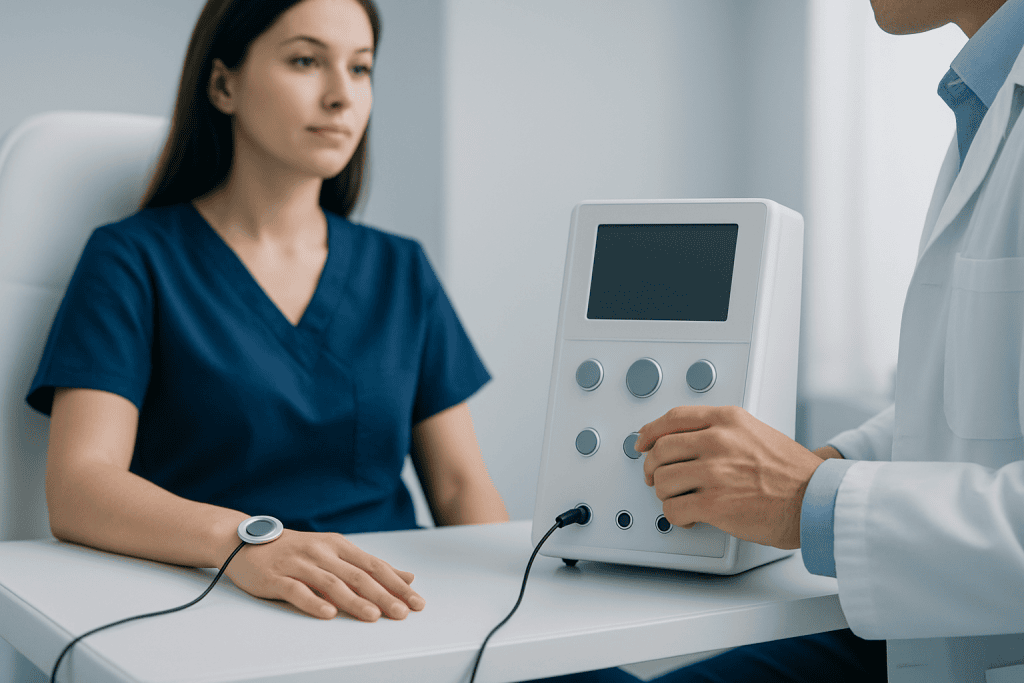
A galvanic response device uses sensors placed against the skin, commonly on the fingers, palm, wrist, or foot. The device detects small changes in electrical conductance or resistance. In general, when sweat gland activity increases, skin conductance increases and electrical resistance decreases.
Measurements may describe a steady background level, called tonic activity, and brief peaks that occur after a stimulus, called phasic activity. For example, a sudden loud sound, an unexpected question, or a challenging task may be followed by a short-lived change in skin conductance.
The signal is very sensitive. Sensor contact, body movement, room temperature, skin products, hydration, and the device’s algorithm can all influence results. For this reason, readings are most informative when collected consistently and interpreted in context, particularly in research or clinical settings.
What Can Affect Galvanic Response?

Emotional arousal is one influence on galvanic response, but it is far from the only one. A person may show increased electrodermal activity when they are interested, focused, startled, frustrated, excited, tired, uncomfortable, or worried. The response does not label an emotion as positive or negative.
Physical factors also matter. Heat, humidity, fever, exercise, caffeine, nicotine, alcohol, dehydration, recent handwashing, lotions, and naturally sweaty hands can affect the signal. Some medicines and health conditions that influence sweating or the autonomic nervous system may also change electrodermal activity.
Differences between people are expected. Some individuals naturally have stronger or weaker skin conductance signals, and some may have little measurable response on a particular day. Comparing a person’s measurement with their own usual pattern is generally more meaningful than comparing it directly with another person’s reading.
- Environment: temperature, humidity, and sensor placement
- Activity: movement, exercise, breathing pattern, and sleep
- Skin factors: moisture, lotions, calluses, and contact pressure
- Substances and medicines: caffeine, nicotine, alcohol, and some prescribed treatments
- Physical and emotional state: pain, illness, attention, stress, and excitement
Galvanic Response in Research, Medicine and Wearables
In scientific research, galvanic response is used to study attention, learning, emotional processing, sleep, pain, and autonomic nervous system activity. It may be recorded alongside heart rate, breathing, brain activity, or questionnaires to provide a broader view of a person’s response to a task or situation.
Some wearable devices use electrodermal activity sensors as part of wellness or stress-tracking features. These tools may help a person notice possible patterns over time, such as whether readings tend to change during meetings, workouts, poor sleep, or relaxation practices. They should be viewed as supportive information rather than a medical assessment.
In healthcare, autonomic testing may include measures related to sweating and nervous system function for selected patients. These tests are carried out and interpreted by trained clinicians, usually with other medical information. A consumer device cannot replace an evaluation for symptoms that may involve the heart, thyroid, nervous system, medication effects, or mental health.
What Galvanic Response Cannot Tell You
Galvanic response does not measure stress hormones directly, and it cannot determine whether someone has anxiety, depression, panic disorder, trauma-related symptoms, or another mental health condition. It also cannot identify whether a person is being truthful. Although electrodermal measurements have been included in polygraph testing, they are not a reliable standalone method for detecting deception.
A rise in skin conductance means the body may be more physiologically activated at that moment. It cannot explain why. A person might be calm but warm, anxious but have a low reading, or deeply focused without appearing distressed. Interpretation requires the person’s symptoms, circumstances, health history, and the quality of the measurement.
It is also important not to let device data increase worry. Repeatedly checking a wearable score can sometimes make normal body changes feel threatening. If tracking is causing distress, it may be helpful to pause use, discuss concerns with a healthcare professional, and focus on symptoms and daily functioning rather than a single number.
Using Wearable Data Safely
For people who choose to use a wearable with a galvanic response sensor, the most useful approach is to look for broad trends rather than reacting to individual readings. Measurements should be taken under similar conditions when possible, such as at the same time of day and with the device properly fitted.
A person can pair observations with practical context: sleep duration, exercise, caffeine intake, illness, workload, and emotional events. This may reveal useful personal patterns, but it should not be used to self-diagnose. A score that seems unusual is not necessarily dangerous, particularly if there are no concerning symptoms.
General measures that support well-being include regular sleep, balanced meals, hydration, physical activity suited to the individual, and time for relaxation or social support. If stress feels persistent or interferes with work, relationships, sleep, or daily activities, speaking with a qualified mental health professional can provide more reliable guidance than wearable data alone.
When to Seek Medical Care
A galvanic response reading by itself is not a reason for urgent medical care. Medical advice is appropriate when a person has symptoms that are persistent, unexplained, worsening, or affecting quality of life. These may include excessive sweating, shaking, racing heartbeat, dizziness, fainting, chest discomfort, severe sleep disruption, or repeated episodes of intense fear.
Emergency care is needed for chest pain, trouble breathing, fainting, new weakness, confusion, or symptoms that could indicate a serious medical problem. These symptoms should not be attributed to “stress” or a wearable result without prompt professional assessment.
A clinician may review medical history, medicines, substance use, sleep, mood, and physical symptoms. Depending on the situation, assessment may include checks for conditions that can contribute to sweating or palpitations, such as thyroid disorders, heart rhythm problems, infection, or medication effects. Acibadem International’s multidisciplinary specialists and JCI-accredited hospitals can assess symptoms and coordinate appropriate care for international patients.
Frequently asked questions
Is galvanic response the same as stress?
No. Galvanic response reflects changes in sweat gland activity and can occur during stress, but also during exercise, heat, excitement, concentration, pain, or surprise. It cannot determine whether a person is stressed or diagnose an anxiety-related condition.
What is a normal galvanic skin response reading?
There is no single normal number that applies to everyone. Readings vary with the device, sensor placement, environment, skin condition, and individual physiology. Trends within the same person, measured under similar conditions, are generally more useful than a universal target value.
Can a smartwatch diagnose anxiety using galvanic response?
No. A smartwatch may detect patterns consistent with increased physiological arousal, but it cannot diagnose anxiety or determine its cause. Diagnosis requires a clinical conversation that considers symptoms, duration, daily impact, physical health, and other relevant factors.
Why does galvanic response increase during emotions?
Emotions can activate the sympathetic nervous system, which can stimulate sweat glands in areas such as the palms. Even a very small increase in skin moisture can change electrical conductance. The same bodily response can occur with both pleasant and unpleasant emotions.
Can medications affect skin conductance?
Yes. Medicines that affect sweating, the nervous system, heart rate, or hydration may influence electrodermal readings. A person should not stop or change prescribed medicine because of wearable data, but can discuss questions with their clinician or pharmacist.
Are galvanic response tests painful or unsafe?
Standard skin conductance testing is usually painless and noninvasive. Sensors detect electrical properties of the skin using a very small signal. The main limitations are measurement accuracy and interpretation, not physical discomfort.
References
- National Institute of Mental Health
- National Institute of Neurological Disorders and Stroke
- American Psychological Association
- Society for Psychophysiological Research
This article is for general information only and is not a substitute for professional medical advice. Please consult a qualified doctor about your individual situation.
Explore treatments in Turkey — costs, top hospitals & a free quote
JCI-accredited · board-certified surgeons · reply within 24h
Add us as a Preferred Source to see more of our trusted health content across Google Search, AI Overviews and Discover.
Check your numbers in seconds
BMI, calories, due date, blood pressure and 30+ more clinical calculators — free, instant, doctor-reviewed ranges.