Does Peanut Butter Raise Blood Sugar? Causes, Explanations, and Next Steps

Natural peanut butter is low in carbohydrate and contains fat, protein, and fiber, which can slow digestion. Sweetened peanut butter and large portions can add more carbohydrate and calories than expected.
Key Takeaways
- Natural peanut butter is low in carbohydrate and contains fat, protein, and fiber, which can slow digestion.
- Sweetened peanut butter and large portions can add more carbohydrate and calories than expected.
- The bread, crackers, fruit, cereal, or other foods eaten with peanut butter often have a greater effect on blood glucose.
- People with diabetes can usually include peanut butter in a balanced eating plan, with attention to portions and label reading.
- Repeated unexpected high glucose readings, especially with symptoms, should be discussed with a healthcare professional.
Peanut butter usually does not cause a large or rapid rise in blood sugar when eaten in a moderate portion, especially if it contains little or no added sugar. Individual responses can vary, and blood glucose may rise more when peanut butter is sweetened or eaten with carbohydrate-rich foods.
Does peanut butter raise blood sugar?
For most people, peanut butter does not cause a major or rapid increase in blood sugar when it is eaten in a moderate portion. Unsweetened or natural peanut butter contains relatively little carbohydrate and provides protein, fat, and some fiber. These nutrients generally slow digestion, so its effect on blood glucose is often modest compared with foods such as sugary drinks, white bread, sweets, or refined breakfast cereals.
The answer can differ depending on the product, portion size, and the foods eaten alongside it. Peanut butter with added sugar, honey, chocolate, or other sweeteners may contain more carbohydrate. A peanut butter sandwich, for example, may raise blood glucose mainly because of the bread, while peanut butter itself may help make the meal more filling and slow the glucose rise.
A single higher reading after a meal is commonly not an emergency and can be influenced by many factors, including meal composition, stress, sleep, illness, physical activity, and timing of the test. However, recurrent high readings or symptoms of high blood sugar deserve medical review so that the underlying cause can be assessed.
Why the effect on glucose can vary
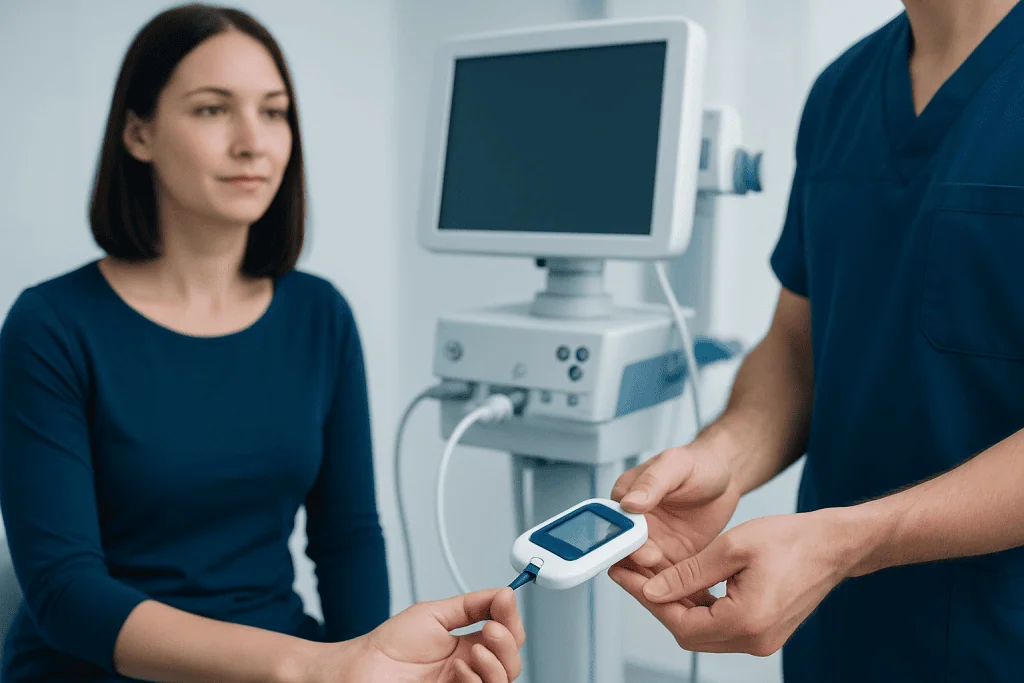
Blood sugar, also called blood glucose, rises as carbohydrate-containing foods are digested and absorbed. Peanut butter is typically lower in carbohydrate than many snack foods, but it is energy-dense. A larger serving can contribute more total calories and, in some varieties, more carbohydrate than a person may realize.
Fat and protein can delay stomach emptying and may make the glucose response more gradual. This does not mean that peanut butter can prevent a rise caused by a high-carbohydrate meal. It is best viewed as one component of a meal or snack rather than a treatment for high blood sugar.
People respond differently to the same food. Insulin resistance, diabetes medicines, the amount of exercise before or after eating, and the time of day can all affect readings. Some people also notice that a higher-fat meal produces a delayed change in blood glucose rather than an immediate one, particularly when it includes a substantial amount of carbohydrate.
- Product type: Natural, unsweetened varieties generally have fewer added carbohydrates.
- Portion: A modest serving is different from several large spoonfuls.
- Meal pairing: Bread, sweet spreads, cookies, granola, and sweetened drinks may be the larger glucose contributors.
- Personal health factors: Diabetes, prediabetes, illness, stress, and medication changes can alter glucose responses.
Choosing peanut butter with blood sugar in mind

Nutrition labels can help people make an informed choice. Check the serving size first, then look at total carbohydrate, added sugars, fiber, protein, and ingredients. A product made primarily from peanuts, with little or no added sugar, is often a practical choice for people who are monitoring glucose.
Words such as “natural” do not automatically mean a product is free of added sugar or lower in calories. Ingredients may include sugar, syrup, honey, chocolate, or sweetened flavorings. Salt content can also be relevant for people who have been advised to limit sodium because of high blood pressure or kidney disease.
Pairing peanut butter with foods that contain fiber and minimally processed carbohydrate may support a steadier overall meal pattern. Examples may include vegetables, plain yogurt, or a small portion of whole-grain toast, depending on a person’s nutritional needs. Those using insulin or medicines that can lower glucose should follow their own individualized carbohydrate plan rather than relying on general serving suggestions.
Peanut butter is not suitable for anyone with a peanut allergy. Symptoms such as hives, swelling of the lips or throat, wheezing, faintness, or trouble breathing after eating peanuts require urgent medical attention.
Peanut butter and diabetes
Many people with diabetes can include peanut butter in a balanced diet. Its protein, unsaturated fats, and fiber can make it a satisfying addition to meals or snacks. Still, it should be counted within the person’s overall nutrition plan, since portion size and the carbohydrate content of the rest of the meal matter.
Diabetes management is not based on one food alone. Regular meals, carbohydrate awareness, physical activity when appropriate, prescribed medication, sleep, and routine follow-up all contribute to glucose control. A registered dietitian or diabetes care professional can help tailor eating patterns to an individual’s medical history, preferences, glucose targets, and medicines.
People who use a glucose meter or continuous glucose monitor may notice patterns by checking readings as instructed by their clinician and recording what they ate, their activity, and medication timing. This information can be more useful than judging a food from one isolated reading. It may also help clinicians evaluate diabetes or related glucose concerns in a more complete way.
Peanut butter should not be used to self-treat persistently high blood sugar. If glucose is repeatedly above a person’s target range, medication, meal planning, illness, or another health issue may need attention from a qualified clinician.
What else can cause higher blood sugar readings?
Unexpected high glucose is not always caused by a particular meal. Stress, infection, fever, pain, dehydration, reduced activity, poor sleep, and hormonal changes can raise blood glucose. Some medicines, including corticosteroids, may also affect glucose levels. In people with known diabetes, missed doses or changes in the effectiveness of treatment can be important considerations.
Testing factors can matter as well. Glucose readings may be inaccurate if hands have food residue, if test strips are expired or stored incorrectly, or if measurement is taken at a different time than usual. Washing and drying hands before finger-stick testing and using equipment according to its instructions can reduce avoidable variation.
When higher readings are persistent, a doctor may ask about symptoms, food intake, activity, family history, medicines, and health conditions. They may review home glucose data and order tests such as fasting blood glucose or hemoglobin A1C, which reflects average glucose exposure over the previous few months. This approach helps distinguish a temporary fluctuation from prediabetes, diabetes, or another cause.
Practical next steps for steadier glucose
For someone wondering whether peanut butter is affecting blood sugar, a calm and structured approach is usually helpful. Choose a product with no or low added sugar, use a consistent modest portion, and consider the carbohydrate-containing foods eaten with it. Keeping meals balanced and avoiding frequent large portions of highly refined or sugary foods can support overall metabolic health.
People who monitor glucose can discuss with their clinician when and how often to test. Recording several days of patterns is often more informative than changing the diet after a single reading. It is important not to stop diabetes medication, change insulin doses, or restrict food excessively without professional guidance.
Regular movement, adequate sleep, hydration, and attending scheduled diabetes appointments may also help support blood glucose management. For personalized nutritional advice, particularly during pregnancy or for people with kidney disease, eating disorders, diabetes, or complex medical needs, consultation with a doctor or registered dietitian is recommended.
Acibadem International’s multidisciplinary specialists and JCI-accredited hospitals can assess and manage diabetes and related metabolic concerns for international patients when individualized medical care is needed.
When to seek medical care
Medical advice should be sought if high blood glucose readings occur repeatedly, if a person has new symptoms such as increased thirst, frequent urination, unexplained weight loss, blurred vision, unusual fatigue, or recurrent infections, or if they are concerned about a change in their diabetes control. These symptoms do not always mean diabetes, but they should be evaluated rather than attributed to peanut butter or another single food.
People with diabetes should follow the sick-day and high-glucose instructions provided by their care team. Urgent assessment is important for very high glucose readings that do not improve as directed, especially if they occur with vomiting, stomach pain, rapid or deep breathing, confusion, marked drowsiness, or signs of dehydration. These can be signs of a serious diabetes-related complication.
Someone without diagnosed diabetes who repeatedly has elevated readings on home testing should arrange a routine medical appointment. A clinician can confirm results with appropriate laboratory testing, consider other risk factors, and recommend a safe, individualized plan.
Frequently asked questions
Is peanut butter a good snack for people with diabetes?
Peanut butter can be part of a balanced snack for many people with diabetes because it is relatively low in carbohydrate and contains protein and fat. The best choice is usually one with little or no added sugar, eaten in a moderate portion. The carbohydrate content of foods paired with it should also be considered.
Can natural peanut butter lower blood sugar?
Peanut butter is not a treatment for high blood sugar and should not be used to lower glucose. Its nutrient profile may result in a smaller glucose effect than high-sugar snacks, but it cannot replace prescribed medication, regular meals, or diabetes care.
Why did my blood sugar rise after a peanut butter sandwich?
The bread and any sweetened spread may have contributed more carbohydrate than the peanut butter. Portion size, the type of bread, meal timing, activity level, stress, and individual insulin response can also influence the result. Looking at several readings over time is more helpful than drawing conclusions from one test.
Does sugar-free peanut butter affect blood glucose?
Sugar-free peanut butter may still contain carbohydrates, calories, and sometimes sugar alcohols or other ingredients that affect digestion differently between individuals. Checking the nutrition label and serving size remains important. A product without added sugar is not automatically carbohydrate-free.
How much peanut butter is reasonable at one time?
A reasonable amount depends on a person’s energy needs, glucose plan, and other health conditions. Many labels list a serving as about two tablespoons, but an individual’s appropriate portion may differ. A registered dietitian can provide personalized guidance.
When should high blood sugar after eating be checked by a doctor?
A doctor should be contacted when elevated readings are recurrent, above the targets set by the person’s care team, or accompanied by symptoms such as excessive thirst, frequent urination, blurred vision, or unexplained weight loss. Urgent care is needed for severe illness symptoms such as vomiting, confusion, breathing changes, or dehydration, particularly in people with diabetes.
References
- American Diabetes Association
- National Institute of Diabetes and Digestive and Kidney Diseases
- Centers for Disease Control and Prevention
- Academy of Nutrition and Dietetics
This article is for general information only and is not a substitute for professional medical advice. Please consult a qualified doctor about your individual situation.
Explore treatments in Turkey — costs, top hospitals & a free quote
JCI-accredited · board-certified surgeons · reply within 24h
Add us as a Preferred Source to see more of our trusted health content across Google Search, AI Overviews and Discover.
Check your numbers in seconds
BMI, calories, due date, blood pressure and 30+ more clinical calculators — free, instant, doctor-reviewed ranges.