Lumbar Board: What Patients Need to Know

A lumbar board may refer to different devices, including a lower-back support or a rigid transfer board. It should not be confused with a spinal backboard used in emergency care.
Key Takeaways
- A lumbar board may refer to different devices, including a lower-back support or a rigid transfer board.
- It should not be confused with a spinal backboard used in emergency care.
- For ordinary low back pain, prolonged rigid support is usually not recommended without clinical advice.
- A healthcare professional can help identify the cause of back symptoms and recommend appropriate treatment.
- New weakness, numbness in the groin area, or bladder or bowel changes require urgent medical assessment.
A lumbar board is a firm, flat support placed behind the lower back or used as part of a transfer or positioning system. Its purpose, safety, and usefulness depend on the setting; it is not a standard treatment for most cases of low back pain.
What Is a Lumbar Board?
A lumbar board is a broad term that can describe a firm support designed for the lower back, or a rigid board used to help position or transfer a person safely. In some contexts, it is placed behind the lumbar curve while sitting or lying down. In others, it may be part of equipment used by healthcare teams for mobility support.
The word lumbar refers to the lower portion of the spine, between the rib cage and pelvis. The normal lumbar spine has a gentle inward curve. A support board may aim to limit slouching, create a stable surface, or help maintain a more neutral position during a specific activity.
A lumbar board is not the same as an emergency spinal backboard. Emergency boards are rigid devices used for carefully selected trauma situations and are generally intended for short-term use. They are not designed to treat routine back discomfort or improve posture over long periods.
Because the term is used differently by manufacturers, caregivers, and clinicians, patients should check the device instructions and ask a healthcare professional what a particular board is intended to do. The most helpful option depends on the person’s symptoms, mobility, medical history, and environment.
When Might a Lumbar Board Be Used?
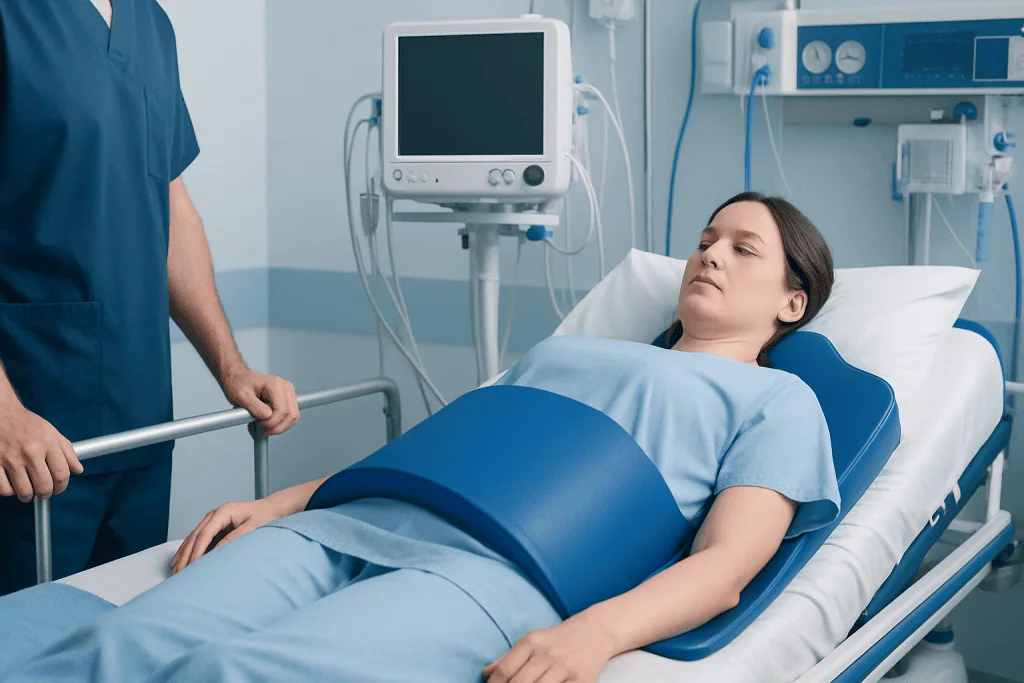
A lower-back support board may be used temporarily by a person who finds that a firm surface helps them sit more comfortably. It may also be incorporated into seating, cushions, or positioning equipment for people who spend long periods sitting. However, comfort alone does not confirm that a device is medically necessary or appropriate for a particular spine condition.
In hospitals, rehabilitation settings, or home care, a rigid board may be used for assisted movement between beds, wheelchairs, examination tables, or other surfaces. These transfer aids are selected and used by trained staff or caregivers to reduce strain and support safe handling. They are different from supports intended to be worn or placed behind the back.
Some people seek a lumbar board because of persistent stiffness or pain. Low back pain can arise from muscle strain, reduced activity, age-related changes in spinal discs or joints, nerve irritation, inflammatory disorders, or other causes. Rather than relying on a support device alone, it is important to understand the cause when pain is severe, long-lasting, recurrent, or associated with neurological symptoms.
For symptoms related to a disc problem or nerve compression, evaluation may be needed. Information about herniated disc can help patients understand one potential cause of back pain that travels into the leg, although only a clinician can make the diagnosis.
Potential Benefits and Important Limitations
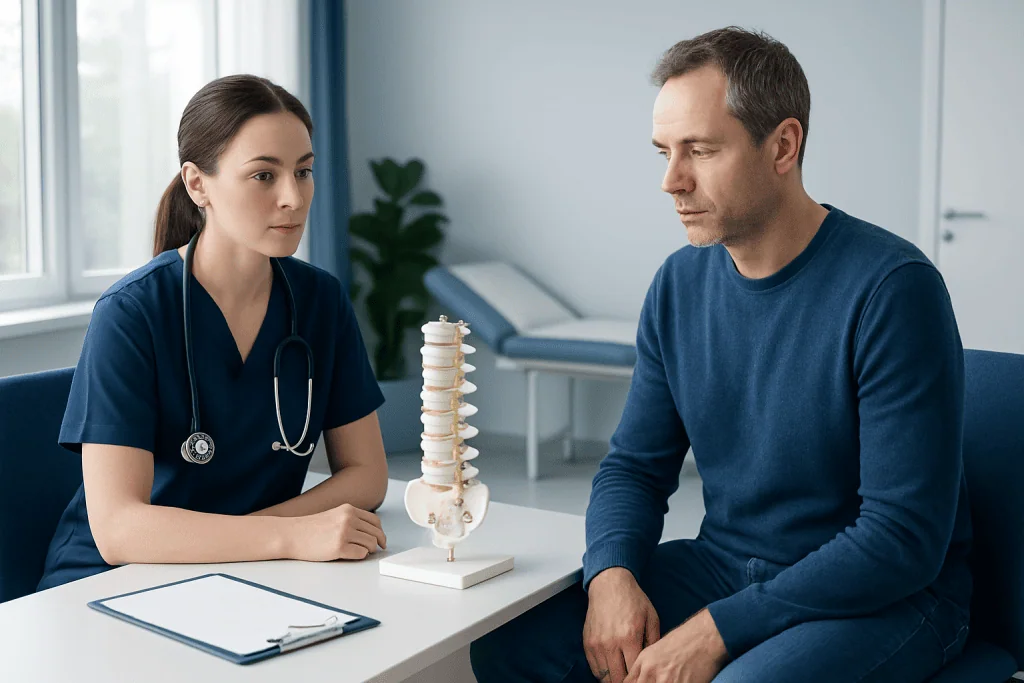
When used for a suitable purpose, a lumbar board or firm support may help some people feel steadier while seated or encourage awareness of posture. A temporary support can also make it easier to tolerate travel, desk work, or recovery from a short-lived episode of back strain. Benefits are individual and should be judged by comfort, function, and whether symptoms improve rather than worsen.
Rigid support is not a cure for back pain. Most uncomplicated low back pain improves with time, gentle movement, and a gradual return to usual activities. Remaining in one position for long periods, including on a hard board, can lead to stiffness, pressure discomfort, and reduced movement.
Devices that force the back into an uncomfortable position may aggravate symptoms. This is especially relevant for people with osteoporosis, spinal deformity, recent surgery, skin fragility, reduced sensation, or conditions affecting balance and mobility. A person should stop using a device and seek advice if it causes increasing pain, numbness, skin redness, or pressure sores.
People should also be cautious of claims that a board can permanently correct posture, realign the spine, or prevent all back problems. Back health is influenced by many factors, including activity level, muscle strength, work demands, sleep, overall health, and the underlying cause of symptoms.
How to Use Lower-Back Support Safely
If a clinician recommends a lumbar support board, it should be positioned according to the device instructions and the person’s comfort. It is usually better to begin with short periods of use rather than relying on it continuously. The aim is generally to support comfortable, functional movement—not to immobilize the back.
When sitting, the feet should rest securely on the floor or a footrest, the hips should be supported, and the screen or work surface should be arranged to avoid prolonged bending or twisting. A lumbar support may be useful as one part of this setup, but regular posture changes are equally important.
People with reduced sensation, circulation concerns, limited ability to reposition independently, or fragile skin should seek professional guidance before using a rigid support. Caregivers using transfer boards should receive training, as unsafe transfers can cause falls, shoulder injuries, or skin shear.
- Change position regularly and avoid extended periods of rigid support.
- Use a board only on a stable surface and as instructed.
- Check the skin for persistent redness, soreness, or pressure marks.
- Stop use if pain increases or new tingling, numbness, or weakness develops.
- Seek individualized advice after spinal surgery or significant injury.
Back Pain Assessment and Treatment Options
Back pain is assessed by considering where it hurts, how long it has lasted, what makes it better or worse, and whether symptoms spread to the buttock or leg. A clinician may examine posture, movement, strength, sensation, reflexes, and walking. Imaging tests are not needed for every episode of low back pain, but they may be appropriate when symptoms suggest a serious cause or do not improve as expected.
For many people, first-line care includes staying gently active, modifying aggravating activities for a short time, using heat or cold if helpful, and participating in individualized exercise or physical therapy. A clinician may discuss pain-relief medicines when appropriate, taking into account other medical conditions and current medications.
Rehabilitation can help restore mobility, strengthen supportive muscles, and build confidence with everyday activities. Physical therapy and rehabilitation may include education on movement, guided exercises, and practical strategies for work, travel, or home routines.
When pain is caused by a confirmed structural problem and does not respond to appropriate conservative care, specialist assessment may be considered. Some patients may benefit from targeted procedures or spine surgery, but surgery is not needed for most people with low back pain and should be based on an individualized evaluation.
Supporting Long-Term Back Health
Regular movement is one of the most effective ways to support back health. Walking, swimming, cycling, and appropriately guided strengthening exercises can improve endurance and function. The best activity is one a person can perform safely and continue consistently.
Workstations and daily routines can also be adjusted. Taking brief movement breaks, varying sitting and standing positions, keeping frequently used items within reach, and using safe lifting techniques may reduce repeated strain. When lifting, it is generally helpful to keep the load close to the body, avoid twisting, and ask for help with heavy or awkward objects.
Sleep, stress, and general health may affect how back pain is experienced. A supportive sleep surface, a regular sleep routine, not smoking, and maintaining an appropriate body weight can all contribute to overall musculoskeletal health. These measures are supportive rather than replacements for medical care when symptoms are concerning.
Acibadem International’s multidisciplinary specialists and JCI-accredited hospitals assess and treat spine-related symptoms for international patients, with care plans based on clinical findings and individual needs.
When to Seek Medical Care
Medical assessment is appropriate for back pain that is severe, follows an injury, lasts longer than expected, repeatedly returns, or interferes with work, sleep, walking, or everyday activities. A doctor can help determine whether a lumbar board is suitable and whether a different treatment approach is more likely to help.
Urgent medical care is needed for new or worsening leg weakness, numbness around the genitals or anus, or difficulty controlling bladder or bowel function. These symptoms can indicate significant nerve involvement and should not be managed with a support device at home.
Prompt assessment is also important when back pain occurs with fever, unexplained weight loss, a history of cancer, immune suppression, intravenous drug use, or pain that is constant and worsening at rest. These features do not always indicate a serious condition, but they need timely evaluation.
Children, older adults with a possible fracture risk, and people who have recently had spinal surgery should obtain professional advice before using rigid back supports. If there is uncertainty about the type or purpose of a lumbar board, a doctor, physiotherapist, occupational therapist, or trained rehabilitation professional can provide practical guidance.
Frequently asked questions
Is a lumbar board good for low back pain?
A lumbar board may provide temporary comfort for some people, but it is not a standard treatment for most low back pain. Staying gently active, adjusting aggravating activities, and following clinical advice are usually more important. A doctor or physiotherapist can advise whether a support is appropriate.
Is a lumbar board the same as a backboard?
Not always. A lumbar board may refer to a lower-back support or positioning aid, while a backboard often refers to a rigid emergency device used in selected trauma situations. The intended purpose and safe duration of use are very different.
Can a lumbar board correct posture permanently?
No device can reliably and permanently correct posture on its own. A support may increase comfort or awareness while it is being used, but movement habits, strength, work setup, and underlying health factors also matter. A physiotherapist can suggest practical posture and exercise strategies.
How long should a lumbar board be used?
The appropriate duration depends on the specific device and the reason for use. In general, prolonged use of rigid supports without guidance is not advisable because it can increase pressure and stiffness. Follow professional and manufacturer instructions, and change positions regularly.
Should a person use a lumbar board after back surgery?
Only if it has been recommended by the surgical or rehabilitation team. Recovery plans differ according to the procedure, healing stage, and individual health needs. Using an unsuitable support could be uncomfortable or interfere with safe movement.
What symptoms with back pain need urgent care?
Urgent assessment is needed for new leg weakness, numbness in the groin or saddle area, or loss of bladder or bowel control. Prompt care is also important after significant trauma or when pain is accompanied by fever or other concerning symptoms. These signs should not be managed by using a lumbar board at home.
References
- National Institute of Neurological Disorders and Stroke
- National Institute for Health and Care Excellence
- American Academy of Orthopaedic Surgeons
- World Health Organization
This article is for general information only and is not a substitute for professional medical advice. Please consult a qualified doctor about your individual situation.
Joint and spine care in Turkey — expert assessment & treatment
JCI-accredited · board-certified surgeons · reply within 24h
Add us as a Preferred Source to see more of our trusted health content across Google Search, AI Overviews and Discover.

More from the Health Library


Related Specialists

Dr. Cihangir Görgülü
Radiology
Prof. Dr. Solmaz Balcı Akar
Ophthalmology
Assoc. Prof. Dr. Burcu Bulum Akbulut
Pediatric Nephrology
Prof. Dr. Mehmet Cıncık
Vitro Fertilization and Reproductive Medicine Center