Gas Leak Symptoms: Possible Causes and When to Seek Care

Common gas leak symptoms include headache, dizziness, nausea, fatigue, and irritation of the eyes, nose, or throat. Symptoms that improve after leaving a building can suggest indoor gas exposure.
Key Takeaways
- Common gas leak symptoms include headache, dizziness, nausea, fatigue, and irritation of the eyes, nose, or throat.
- Symptoms that improve after leaving a building can suggest indoor gas exposure.
- Natural gas itself is not the same as carbon monoxide, but faulty gas appliances can lead to carbon monoxide exposure.
- Anyone with severe shortness of breath, chest pain, confusion, fainting, or possible carbon monoxide exposure needs urgent medical care.
- Medical evaluation may include oxygen level checks, a physical exam, and tests based on the type and severity of exposure.
Gas leak symptoms often include headache, dizziness, nausea, fatigue, eye or throat irritation, and trouble breathing, especially when symptoms improve after leaving the area. Because gas exposure can also occur with dangerous carbon monoxide buildup, suspected leaks should be taken seriously and assessed promptly.
Overview
Gas leak symptoms can range from mild irritation to urgent medical problems. People may notice headache, dizziness, nausea, unusual tiredness, trouble concentrating, eye or throat irritation, or shortness of breath. If symptoms start indoors and improve after going outside, that pattern can raise concern for a gas-related exposure.
In homes and workplaces, the word “gas leak” may refer to different situations. A leak of natural gas or propane can reduce air quality and, in an enclosed space, lower oxygen levels. Gas-powered appliances such as stoves, heaters, water heaters, and furnaces can also create carbon monoxide if they are damaged, poorly ventilated, or not working properly. Carbon monoxide is especially dangerous because it cannot be seen or smelled.
It is also important to know that a “rotten egg” smell often comes from a chemical added to natural gas so leaks are easier to detect. However, not every harmful gas exposure has a noticeable odor. For this reason, symptoms should be taken seriously even if a person is unsure whether a leak is present.
What gas leak symptoms can feel like
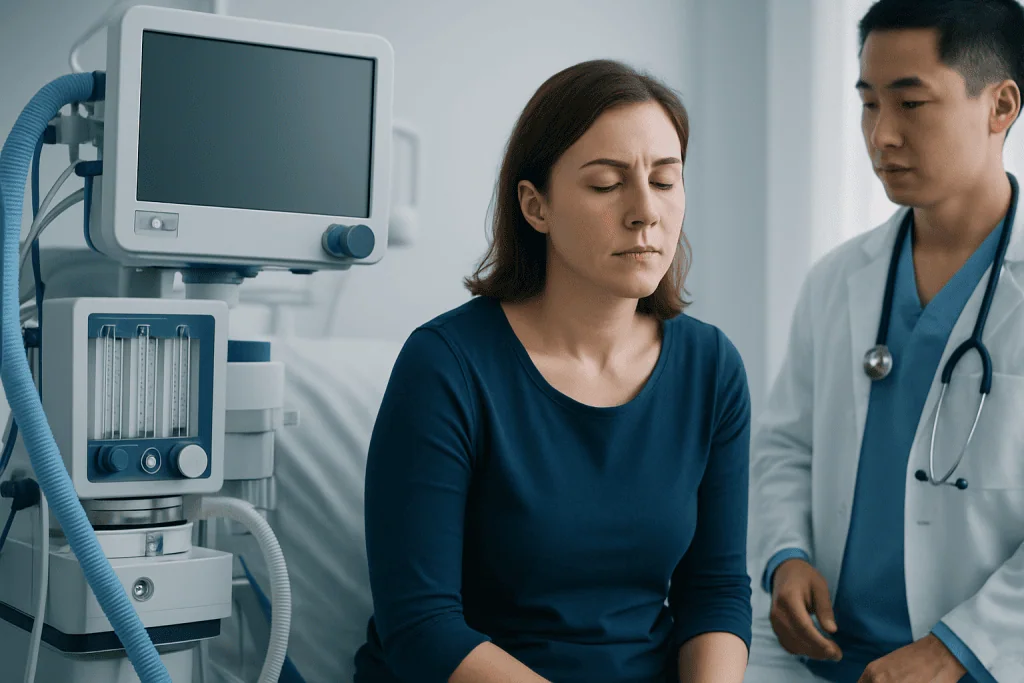
The most commonly reported gas leak symptoms are nonspecific, which means they can overlap with many other illnesses. People often describe headache, dizziness, nausea, fatigue, lightheadedness, brain fog, and weakness. Some also notice eye watering, burning in the nose or throat, cough, or a feeling of chest tightness.
Symptoms may affect more than one person in the same home or building at the same time. Pets may also seem unwell. Another clue is timing: symptoms that begin or worsen in a particular room, around a certain appliance, or at night when windows are closed may point to indoor exposure.
More serious symptoms can include vomiting, worsening shortness of breath, poor balance, confusion, fainting, chest pain, or seizures. These symptoms need prompt medical attention because they may signal significant gas exposure, oxygen deprivation, or carbon monoxide poisoning.
- Common symptoms: headache, dizziness, nausea, fatigue
- Airway irritation: burning eyes, sore throat, cough
- Breathing-related symptoms: shortness of breath, chest tightness
- Neurologic warning signs: confusion, fainting, severe weakness
Possible causes and why symptoms happen

Natural gas and propane are fuels used for heating, cooking, and hot water. A leak can happen if there is a problem with a pipe, connector, valve, appliance, or ventilation system. In a poorly ventilated space, leaked gas can displace oxygen, which may lead to headache, dizziness, and weakness. Direct irritation of the eyes and airways can also occur.
Faulty gas appliances may create carbon monoxide during incomplete combustion. Carbon monoxide exposure is medically distinct from simply smelling gas, but people often use the same term for both situations. Carbon monoxide binds to hemoglobin in the blood and reduces oxygen delivery to tissues, which can cause headache, nausea, confusion, and in severe cases collapse or death. Readers looking for more information on carbon monoxide poisoning should know it is a medical emergency.
Other causes of similar symptoms should also be considered. Viral infections, dehydration, migraine, anxiety, medication side effects, and respiratory conditions may feel similar at first. However, if symptoms cluster around a location or exposure, a gas-related cause becomes more likely and should be assessed both medically and for environmental safety.
Who may be at higher risk
Anyone can be affected by indoor gas exposure, but some groups may be more vulnerable. Infants, young children, older adults, pregnant people, and those with heart or lung disease may develop symptoms sooner or have more serious effects. People with anemia or chronic respiratory illness may also tolerate reduced oxygen levels less well.
Risk may be higher in homes with older appliances, recently installed gas equipment, blocked vents, poor maintenance, or attached garages. Winter months can increase risk because windows stay closed and heating systems are used more often. In workplaces, exposure can occur around industrial equipment, heaters, kitchens, or enclosed areas with poor airflow.
Individuals with asthma or other chronic breathing conditions may notice flare-ups with irritant exposure. In some cases, symptoms such as wheezing or persistent cough can overlap with asthma, making medical evaluation helpful when it is not clear whether the main issue is an environmental exposure, a lung condition, or both.
How doctors evaluate suspected gas exposure
Medical assessment starts with the exposure history. A clinician will usually ask where the person was when symptoms started, whether others nearby were affected, whether there was an unusual smell, and whether gas appliances, heaters, or generators were in use. Improvement after leaving the area is an important clue.
The physical exam focuses on breathing, heart rate, blood pressure, mental status, and oxygenation. Depending on symptoms, testing may include pulse oximetry, blood tests, electrocardiogram, chest imaging, or specific tests for carbon monoxide exposure. If symptoms include cough, wheezing, or ongoing breathing difficulty, doctors may evaluate lung function and consider bronchoscopy in selected situations to look more closely at the airways.
Diagnosis is not based on symptoms alone. Doctors also consider other conditions that can cause similar complaints, such as infection, dehydration, migraine, or cardiovascular problems. The medical visit addresses the person’s health, while the building or appliance itself should be evaluated separately by emergency services, the gas utility, or a qualified technician.
Treatment options and immediate self-care
If a gas leak is suspected, the first priority is safety: leave the area and get to fresh air. Once away from the building, emergency services or the gas provider should be contacted according to local guidance. A person should not re-enter until the area has been declared safe by professionals.
Medical treatment depends on the type and severity of exposure. Mild symptoms may improve with fresh air, rest, and observation, but persistent or worsening symptoms should be checked by a doctor. In healthcare settings, treatment may include oxygen, airway support, breathing treatments, monitoring of the heart and oxygen levels, and care for complications such as dehydration or chest symptoms.
When carbon monoxide poisoning is suspected, urgent treatment with oxygen is often needed. If breathing symptoms continue after exposure, doctors may evaluate for irritation or injury to the lungs. In more complex cases involving chest symptoms or concern about lung damage, tests such as chest X-ray or pulmonary function testing may be used to guide care.
When to seek medical care
Medical care should be sought promptly if gas leak symptoms do not improve soon after getting fresh air, or if they return when re-entering the same place. Medical evaluation is also appropriate for children, older adults, pregnant people, and anyone with heart or lung disease, even when symptoms seem mild.
Urgent or emergency care is needed for severe shortness of breath, chest pain, confusion, blue lips, fainting, seizures, or if carbon monoxide exposure may be involved. The same is true if more than one person in a home develops unexplained headache, dizziness, nausea, or sleepiness. These patterns can signal a dangerous indoor exposure.
Near the end of evaluation and follow-up, patients may need coordinated care across emergency medicine, pulmonology, internal medicine, and imaging. Acibadem International’s multidisciplinary specialists in JCI-accredited hospitals evaluate and treat patients with suspected inhalation-related illness, including respiratory complications when they occur.
Prevention and reducing future risk
Prevention focuses on both appliances and indoor air safety. Gas stoves, heaters, furnaces, fireplaces, and water heaters should be installed correctly and serviced regularly by qualified professionals. Vents and exhaust systems should be kept clear, and portable generators or charcoal grills should never be used indoors or in enclosed spaces such as garages.
Working carbon monoxide detectors are one of the most important safety steps in any home with fuel-burning appliances. Natural gas detectors may also be recommended in some settings. Batteries should be checked regularly, and alarms should never be ignored, even if no one feels sick yet.
It also helps to know the signs of trouble: a sulfur-like smell, unusual appliance behavior, soot around vents, frequent pilot light problems, or symptoms that happen repeatedly in the same setting. Prevention is not only about avoiding leaks; it is also about reducing the chance of indoor air problems that can worsen existing lung issues such as chronic obstructive pulmonary disease (COPD).
Frequently asked questions
What are the first signs of a gas leak?
Early gas leak symptoms often include headache, dizziness, nausea, tiredness, and trouble concentrating. Some people also notice burning eyes, a sore throat, cough, or shortness of breath. A sulfur or rotten egg smell can be a warning sign for natural gas, but harmful exposure does not always have a noticeable odor.
Can a gas leak make a person feel sick without causing obvious breathing problems?
Yes. Many people first notice nonspecific symptoms such as headache, nausea, weakness, or brain fog rather than severe breathing difficulty. That is one reason indoor gas exposure can be overlooked at first.
Is natural gas the same as carbon monoxide?
No. Natural gas and carbon monoxide are different. Natural gas leaks may be smelled because of added odorants, while carbon monoxide has no smell and can be produced by malfunctioning fuel-burning appliances.
How long do gas leak symptoms last?
Mild symptoms may improve after moving to fresh air, but the time varies depending on the type and amount of exposure and the person’s overall health. Symptoms that persist, worsen, or return in the same place should be medically evaluated.
When should someone go to the emergency room for gas exposure?
Emergency care is appropriate for chest pain, severe shortness of breath, confusion, fainting, seizures, or suspected carbon monoxide exposure. It is also important to get urgent help if several people in the same building develop similar symptoms at once.
Can a gas leak trigger asthma or other lung conditions?
Yes. Airway irritation from gas exposure can worsen asthma and other chronic lung conditions in some people. Anyone with wheezing, persistent cough, or increased shortness of breath after exposure should be assessed by a clinician.
References
- Centers for Disease Control and Prevention
- U.S. Environmental Protection Agency
- National Institute for Occupational Safety and Health
- American Lung Association
- Mayo Clinic
This article is for general information only and is not a substitute for professional medical advice. Please consult a qualified doctor about your individual situation.
Persistent digestive symptoms? Get evaluated in Turkey
JCI-accredited · board-certified surgeons · reply within 24h
Add us as a Preferred Source to see more of our trusted health content across Google Search, AI Overviews and Discover.

More from the Health Library


Related Specialists

Dt. Mutlu Keskin
Oral & Dental Health
Dr. Çağla Su Doğangün Ayduk
Oral & Dental Health
Dt. Türkan Subaşıoğlu
Oral & Dental Health
Dr. Emel Çolakoğlu
Ophthalmology