Gastric balloon Before & After: What Realistic Results Look Like

A gastric balloon is a temporary, non-surgical weight-loss device placed in the stomach to help a person feel full sooner. Before-and-after results are most realistic when viewed as progress in weight, eating habits, fitness and health markers—not weight alone.
Key Takeaways
- A gastric balloon is a temporary, non-surgical weight-loss device placed in the stomach to help a person feel full sooner.
- Before-and-after results are most realistic when viewed as progress in weight, eating habits, fitness and health markers—not weight alone.
- The first days after placement may involve nausea, cramping, reflux or vomiting, which usually improve with medical support.
- A gastric balloon is removed after a defined treatment period and is not a permanent solution on its own.
- Long-term weight maintenance requires an individualized nutrition, movement and behavioral plan after removal.
Gastric balloon before and after changes are usually gradual rather than dramatic overnight: the device can support portion control and weight loss while it is in place, but lasting results depend on continued eating, activity and follow-up habits. Results vary by the type of balloon, starting health, adherence to the care plan and what happens after the balloon is removed.
Gastric Balloon Before and After: What Changes to Expect
Gastric balloon before and after results commonly show gradual weight loss while the balloon is in place, along with changes in meal size, hunger awareness and daily routines. A gastric balloon takes up space in the stomach, helping a person feel full with smaller portions. It is a temporary tool, so the most meaningful outcome is developing habits that can continue after it is removed.
There is no single “typical” before-and-after image or number that applies to everyone. Some people see steady changes over several months, while others lose less weight than hoped despite treatment. Starting weight, medical conditions, medication use, food choices, physical activity, emotional eating patterns and regular follow-up all influence outcomes.
It can also be helpful to look beyond the scale. Before treatment, a person may be struggling with large portions, frequent snacking, limited mobility or weight-related health concerns. After treatment, realistic improvements may include greater comfort with activity, more structured meals, better confidence in managing appetite and improvement in selected health measures when clinically appropriate.
How a Gastric Balloon Works
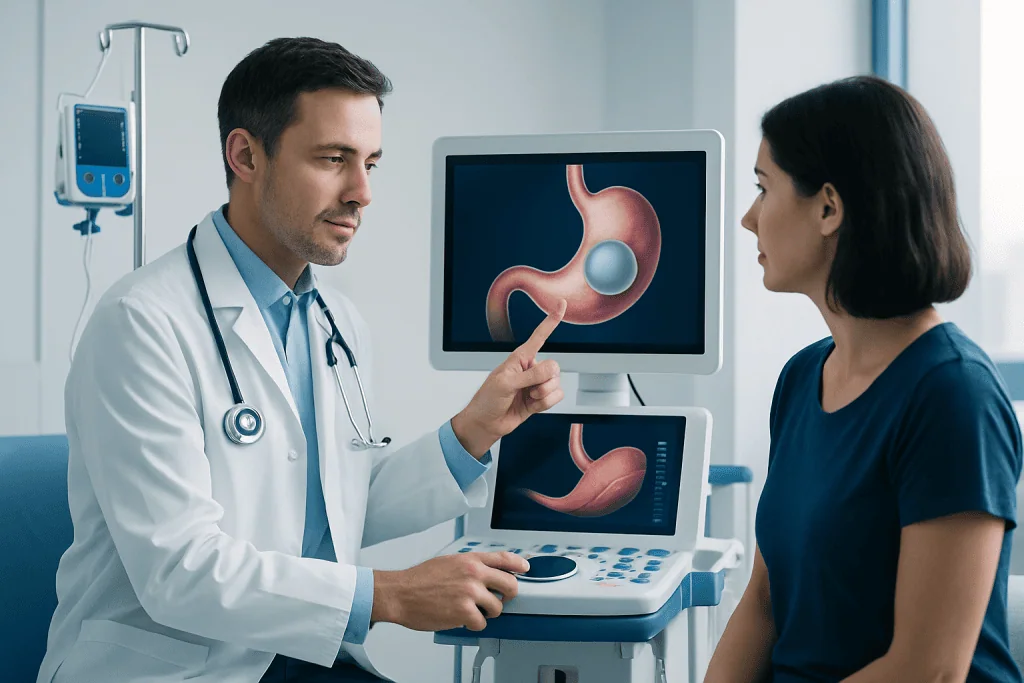
A gastric balloon, also called an intragastric balloon, is a soft device placed inside the stomach to reduce the available space for food. Depending on the system used, it may be filled with saline or gas. The balloon is designed to support earlier fullness and help patients practise smaller, balanced meals.
Most gastric balloon systems are placed using endoscopy, a procedure in which a flexible camera is passed through the mouth into the stomach. Some systems may be swallowed and filled without endoscopy. The approach, treatment duration and removal method depend on the specific balloon and the person’s clinical needs. A specialist can explain the process in detail through gastric balloon treatment.
A balloon does not change the anatomy of the digestive tract and does not permanently alter digestion. It works best as part of a structured programme that includes nutritional counselling, gradual physical activity and support for behaviors that affect eating. It is different from surgical bariatric procedures, which may be considered for some people with higher body weight or certain obesity-related conditions.
Who May Be a Candidate?
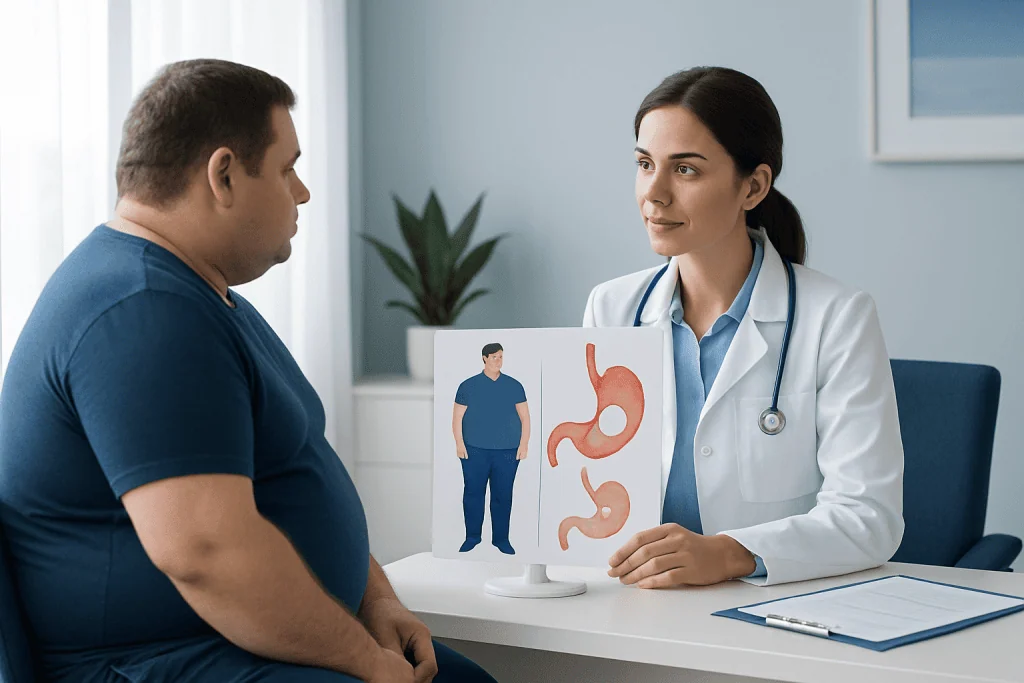
Gastric balloons may be considered for adults who have excess weight and have not achieved sufficient results with lifestyle changes alone. They can be an option for people seeking a temporary, less invasive intervention, or for selected patients who need weight reduction before another planned treatment. Eligibility is assessed individually rather than based on appearance or a single goal weight.
Before proceeding, the clinical team reviews body mass index, previous weight-management efforts, medical history, medications, eating patterns and readiness to participate in follow-up. Assessment may include blood tests, evaluation of digestive symptoms and discussion of mental and emotional wellbeing. The aim is to choose an approach that is safe and workable for the individual.
A gastric balloon may not be suitable for everyone. Active stomach or intestinal disease, certain previous gastrointestinal operations, large hiatal hernia, bleeding disorders, pregnancy, untreated alcohol or substance dependence, or an inability to attend follow-up appointments may affect suitability. People with problematic eating behaviors benefit from careful assessment and appropriate psychological support alongside weight-management care.
The Procedure and Recovery Timeline
For endoscopic placement, patients are usually asked to follow instructions about fasting and medication adjustments beforehand. Sedation is commonly used. During the procedure, the clinician examines the upper digestive tract, places the deflated balloon in the stomach and fills it to the planned volume. The procedure itself is usually brief, but patients need observation until sedation has worn off and should arrange for support getting home.
The first few days are often the most challenging part of the gastric balloon before-and-after journey. Nausea, vomiting, abdominal cramping, bloating and reflux can occur as the stomach adjusts. The care team may prescribe medicines to reduce nausea and stomach acid. Patients generally begin with fluids, progress to soft foods as advised and then return gradually to balanced solid meals.
During the following weeks, regular contact with the bariatric team helps patients adjust eating patterns, manage symptoms and build activity safely. Many people can return to light daily activities within a few days, but recovery varies. The balloon is removed at the planned time; removal should not be delayed because leaving a temporary device in place longer than intended can increase complications.
- Before placement: medical assessment, nutrition planning and instructions for fasting and medications.
- Days 1 to 7: adjustment symptoms may be most noticeable; follow the prescribed fluid and food progression.
- Weeks 2 onward: focus shifts toward portion awareness, nutritious meals, activity and scheduled follow-up.
- After removal: continue the maintenance plan, as appetite and eating capacity can change again.
Benefits, Risks and Realistic Before-and-After Outcomes
The potential benefit of a gastric balloon is that it can provide a period of structured support for weight loss without surgery. For some people, reduced meal capacity makes it easier to establish consistent meal timing, choose nutrient-dense foods and become more active. Weight reduction may also support management of some weight-related health concerns, although this varies and should be monitored by a doctor.
Results should be viewed realistically. A balloon is not a cure for obesity and cannot ensure a particular amount of weight loss. Some weight regain after removal is possible, especially if previous patterns return. A sustainable plan addresses sleep, stress, food environment, emotional triggers, medications and activity levels as well as calorie intake.
Common early side effects include nausea, vomiting, reflux, stomach discomfort and bloating. Less common but important complications can include dehydration, persistent vomiting, ulceration, balloon deflation, bowel blockage if a deflated balloon migrates, pancreatitis or injury related to endoscopy or sedation. These events require prompt medical assessment. The treating team should explain device-specific risks and provide clear contact instructions before placement.
When reviewing progress, clinicians may compare more than body weight. They may discuss waist measurement, blood pressure, blood sugar or lipid results where relevant, mobility, sleep, energy levels and the patient’s ability to maintain practical eating habits. These wider measures offer a more balanced view of treatment response.
Making Results Last After Balloon Removal
The period after balloon removal is an important part of the before-and-after story. Without the device in the stomach, it may be easier to eat larger portions again. Continuing the routines practised during treatment can help reduce the chance of regaining weight. This includes regular meals, adequate protein and fiber, hydration, mindful eating and planned movement suited to the person’s health and ability.
Follow-up with a dietitian, physician and, when useful, a mental health professional can help identify challenges early. Some people need ongoing medical weight-management treatment or discussion of other options. The right next step depends on health needs, treatment response and personal preferences, not on a comparison with someone else’s results.
Simple tracking can be useful when it is supportive rather than stressful. Patients may record meal patterns, symptoms, activity, sleep or weight at intervals recommended by their team. The goal is to notice trends and make manageable adjustments, rather than to pursue perfection or rapid change.
Acibadem International’s multidisciplinary specialists and JCI-accredited hospitals assess and treat weight-management needs for international patients, including follow-up planning around gastric balloon care.
When to Seek Medical Care
Patients should contact their treatment team promptly if nausea, vomiting, reflux or abdominal discomfort is difficult to control, prevents fluid intake or is getting worse. Dehydration can develop when vomiting continues, so early advice is important. New symptoms should not be managed by simply stopping food or fluids for an extended period without medical guidance.
Urgent medical care is needed for severe or persistent abdominal pain, chest pain, fever, fainting, vomiting blood, black stools, trouble breathing, a markedly swollen abdomen, or signs of dehydration such as very little urine, severe dizziness or confusion. A sudden change in urine colour may also be relevant with certain balloon systems and should be reported according to the device instructions.
Anyone considering a gastric balloon should seek assessment from a qualified bariatric or gastroenterology team rather than relying on before-and-after photographs or social media accounts. Individual evaluation helps ensure that expectations, safety considerations and longer-term plans are appropriate.
Frequently asked questions
How much weight can a person realistically lose with a gastric balloon?
Weight loss varies considerably between individuals and balloon systems. It is more realistic to expect gradual progress during a structured programme than a guaranteed target. Nutrition, activity, follow-up attendance, medical conditions and habits after removal all affect the result.
Are gastric balloon before-and-after photos reliable?
Photos can show that change is possible, but they cannot predict an individual outcome. They may not show the treatment duration, starting health, complications, follow-up support or what happened after the balloon was removed. A clinician can provide a more personalized discussion of likely benefits and limitations.
Is gastric balloon placement painful?
Endoscopic placement is usually performed with sedation, so patients should not feel pain in the same way as during an awake procedure. Afterward, cramping, nausea, bloating and reflux are common while the stomach adapts. The team can provide medicines and dietary guidance to help manage these symptoms.
How long does recovery after a gastric balloon take?
Many people return to light routine activities within a few days, although the first week may be uncomfortable due to nausea or vomiting. Food is reintroduced gradually, beginning with fluids and progressing as advised. Recovery can take longer if symptoms are more intense or other health conditions are present.
Will weight return after the gastric balloon is removed?
Weight regain can occur after removal because the balloon no longer limits stomach space. Continued nutrition, activity and behavioral support are therefore important. Some patients may benefit from ongoing medical weight management or discussion of other treatments with their clinician.
Who should not have a gastric balloon?
A gastric balloon may be unsuitable for people with certain stomach or intestinal conditions, some prior gastrointestinal surgeries, pregnancy, untreated substance dependence or circumstances that prevent safe follow-up. Suitability also depends on the type of balloon being considered. A full medical assessment is needed before treatment.
References
- National Institute of Diabetes and Digestive and Kidney Diseases
- American Society for Metabolic and Bariatric Surgery
- Mayo Clinic
- U.S. Food and Drug Administration
This article is for general information only and is not a substitute for professional medical advice. Please consult a qualified doctor about your individual situation.
Gastric Balloon in Turkey — costs, top hospitals & a free quote
JCI-accredited · board-certified surgeons · reply within 24h
Add us as a Preferred Source to see more of our trusted health content across Google Search, AI Overviews and Discover.
Check your numbers in seconds
BMI, calories, due date, blood pressure and 30+ more clinical calculators — free, instant, doctor-reviewed ranges.

Bariatric & Metabolic Surgery
Surgical and endoscopic treatments for obesity and metabolic conditions.
More from the Health Library



Related Specialists

Dr. Funda Helvacıoğlu
Cardiology
Dr. Mahmoud Aljobbeh
Emergency Service
Fzt. Merve Güvendi
Physical Medicine & Rehabilitation
Prof. Dr. Tolga Tüzüner
Orthopedic Surgery & Traumatology