Gastric Cancer Natural Treatment: How It Works, Results and What to Expect
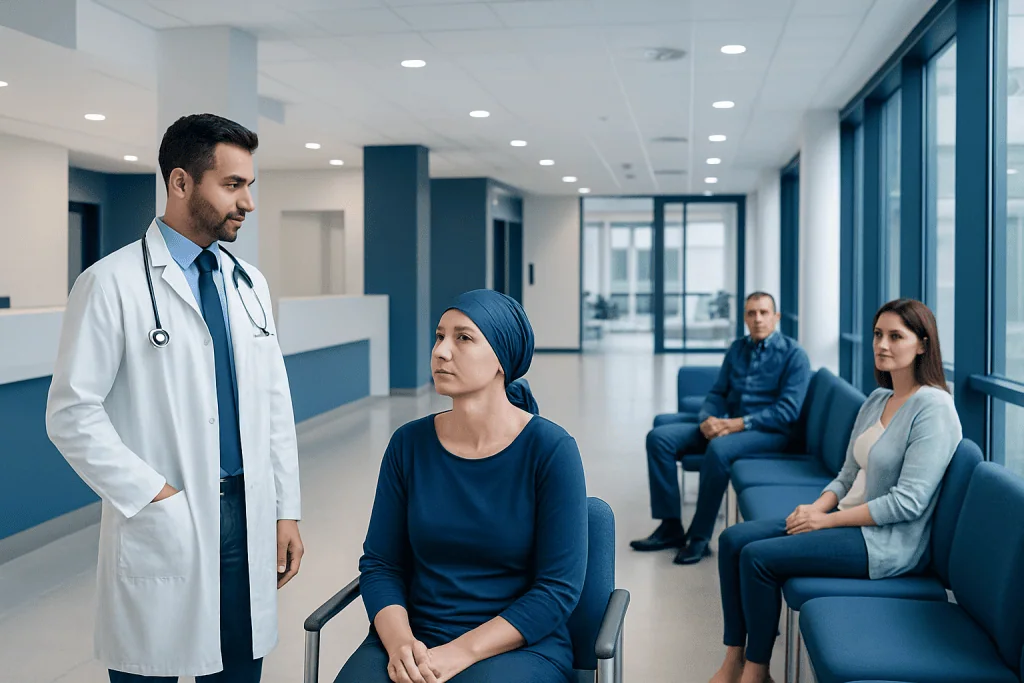
Natural and complementary approaches may help manage symptoms, nutrition, stress, and treatment side effects, but they do not cure gastric cancer. Surgery, chemotherapy, radiation therapy, targeted therapy, and immunotherapy are used to kill or control stomach cancer cells, depending on the cancer stage and biology.
Key Takeaways
- Natural and complementary approaches may help manage symptoms, nutrition, stress, and treatment side effects, but they do not cure gastric cancer.
- Surgery, chemotherapy, radiation therapy, targeted therapy, and immunotherapy are used to kill or control stomach cancer cells, depending on the cancer stage and biology.
- Some herbs, supplements, and restrictive diets can interfere with cancer treatment or worsen malnutrition; patients should discuss them with their oncology team.
- Gastric cancer may grow differently from person to person, so prompt assessment and individualized staging are essential.
- Early diagnosis and coordinated treatment can improve the chance of long-term control or cure for some patients.
Gastric cancer natural treatment generally refers to complementary approaches such as nutrition support, physical activity, stress management, and symptom relief. These measures can improve wellbeing during care, but they do not eliminate gastric cancer and should not replace treatment planned by an oncology team.
Overview: What Gastric Cancer Natural Treatment Can and Cannot Do
Gastric cancer natural treatment may help a person feel more comfortable, maintain strength, manage stress, and address symptoms such as poor appetite, nausea, fatigue, or digestive changes. However, natural therapies have not been shown to cure stomach cancer or reliably stop its growth. They are best considered complementary care used alongside, not instead of, medical treatment.
Gastric cancer begins when abnormal cells develop in the lining of the stomach and grow out of control. Treatment is selected according to the cancer’s location, stage, cell type, molecular features, overall health, and personal goals. For many people, treatment may include surgery, systemic medicines such as chemotherapy or immunotherapy, radiation therapy, or a combination of approaches.
It is important not to delay evaluation or recommended cancer treatment while trying supplements, fasting plans, or unproven remedies. A cancer specialist can help patients use supportive approaches safely while creating an evidence-based plan for gastric cancer.
How Complementary Natural Approaches Work
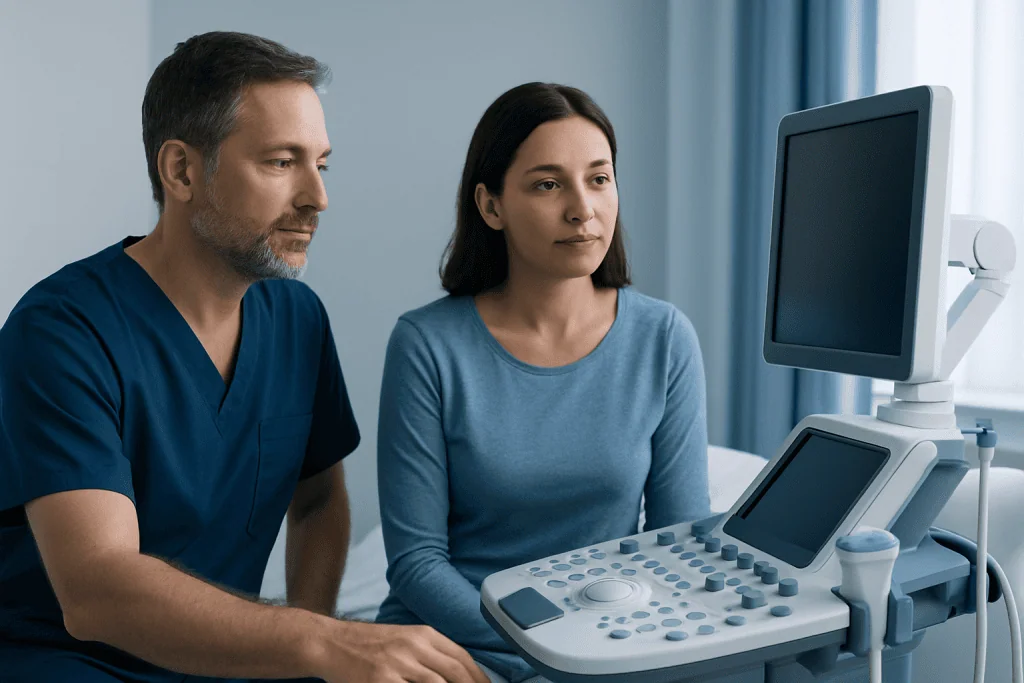
Complementary care works by supporting the person rather than directly destroying the cancer. A registered dietitian may help prevent weight loss and nutrient deficiencies, while gentle physical activity may support energy, sleep, mood, and muscle function. Psychological support, relaxation techniques, mindfulness, and breathing exercises can also help some people cope with uncertainty and treatment-related stress.
Nutrition is often especially important because stomach cancer and its treatments can affect appetite, digestion, and the ability to eat enough. Patients may benefit from small, frequent meals; protein-rich foods; calorie-dense foods when needed; and individualized advice for nausea, reflux, early fullness, diarrhea, or constipation. Nutritional recommendations should be adjusted to symptoms and treatment plans rather than based on restrictive “anti-cancer” diets.
Herbal products, high-dose vitamins, antioxidants, and traditional remedies require particular caution. Even products described as natural can cause liver or kidney problems, increase bleeding risk, affect anesthesia, or change how chemotherapy and other medicines work. Patients should bring a complete list of supplements, teas, powders, and over-the-counter products to their oncology appointment.
Who May Benefit From Supportive Care and How Treatment Is Planned
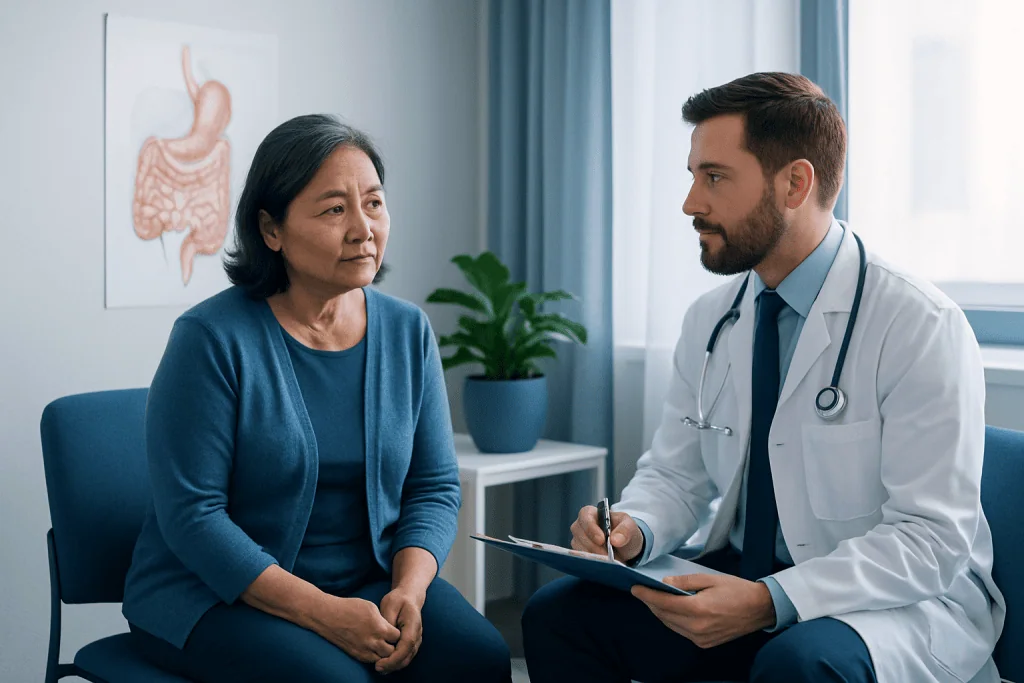
Nearly every person with gastric cancer can benefit from supportive care, whether the goal of treatment is cure, long-term disease control, or symptom relief. This care may include nutrition assessment, pain and nausea management, emotional support, rehabilitation, dental care before some treatments, and help with practical concerns. It should begin at diagnosis rather than only after treatment has finished.
Before recommending treatment, clinicians usually confirm the diagnosis with a biopsy obtained during upper endoscopy. Imaging scans and sometimes additional procedures help determine whether the cancer is limited to the stomach, has reached nearby lymph nodes, or has spread elsewhere. Tumor testing may identify features that make targeted therapy or immunotherapy appropriate.
Patients who are medically fit and have cancer that can be removed may be candidates for surgery combined with systemic treatment before or after surgery. Advanced cancer may be treated with medicines designed to slow growth, reduce symptoms, and extend control of the disease. A multidisciplinary team can explain the role of gastric cancer treatment in an individual situation.
What Happens During Gastric Cancer Treatment
There is no single procedure for all gastric cancers. The treatment pathway is planned step by step after staging and discussion among specialists in surgical oncology, medical oncology, gastroenterology, pathology, radiology, nutrition, and supportive care. Patients may also be offered clinical trials when appropriate.
For early cancers confined to the surface layers of the stomach, selected patients may have endoscopic treatment. During this procedure, a specialist passes a flexible camera through the mouth and removes the cancer through the endoscope without an external incision. More advanced localized cancers commonly require removal of part or all of the stomach, often together with nearby lymph nodes.
Systemic treatment is given through the bloodstream and may be used before surgery to shrink or control cancer, after surgery to lower the chance of recurrence, or for cancer that has spread. Depending on tumor testing, this may involve chemotherapy, targeted medicines, or immunotherapy. Radiation therapy is sometimes used in selected circumstances, often as part of combined treatment planning.
- Assessment: biopsy review, staging scans, blood tests, nutrition screening, and tumor biomarker testing.
- Planning: discussion of treatment goals, expected benefits, side effects, fertility or family considerations when relevant, and supportive needs.
- Active treatment: surgery, systemic therapy, radiation, or a tailored combination.
- Follow-up: recovery support, surveillance, symptom review, and treatment adjustments if needed.
Recovery Timeline, Benefits and Risks
Recovery differs substantially according to the treatment used and a person’s general health. After endoscopic treatment, some patients return to usual light activities relatively soon, while recovery after stomach surgery often takes weeks to months. Appetite, meal size, bowel habits, and energy levels may change during healing, and ongoing dietitian support can be valuable.
Chemotherapy, targeted therapy, and immunotherapy are typically delivered in cycles or at scheduled intervals. Side effects vary by medicine and may include tiredness, nausea, appetite changes, infections due to low blood counts, numbness or tingling, diarrhea, skin reactions, or inflammation caused by immune activation. The oncology team monitors for side effects and can adjust treatment or provide supportive medicines when necessary.
The central benefit of evidence-based treatment is that it can remove localized cancer, reduce the risk of recurrence, slow cancer growth, relieve symptoms, or help people live longer, depending on the setting. Risks are balanced against these potential benefits individually. Complementary approaches may improve quality of life, but they should be selected carefully and never used as a substitute for treatments that target cancer cells.
How Long Can You Live With Gastric Cancer Without Treatment?
There is no reliable single timeframe for how long someone can live with gastric cancer without treatment. The outlook depends on the stage, how quickly the particular cancer is growing, whether it has spread, a person’s nutrition and overall health, and complications such as bleeding or blockage. Some early cancers may cause few symptoms for a time, while advanced cancer can become serious more quickly.
Without cancer-directed treatment, gastric cancer generally has the potential to progress. Supportive care can still treat pain, nausea, bleeding, nutritional difficulties, and other symptoms, but it does not remove or control the underlying cancer in the same way as surgery, systemic therapy, or radiation in appropriate cases.
Anyone diagnosed with gastric cancer should speak promptly with an oncology team about the likely course in their individual circumstances. Even when cure is not possible, treatment and palliative care can often help preserve comfort, function, and quality of life.
How Quickly Does Gastric Cancer Grow? Can You Beat Gastric Cancer? What Kills Stomach Cancer Cells?
How quickly does gastric cancer grow? Gastric cancer does not grow at the same rate in every person. Some types develop gradually over years from earlier changes in the stomach lining, while established cancers can progress at different speeds depending on their biology and stage. Because it is not possible to predict growth accurately from symptoms alone, timely diagnosis, staging, and follow-up are important.
Can you beat gastric cancer? Some people with gastric cancer can be cured, especially when it is found before it has spread and can be completely removed or treated effectively. For later-stage disease, treatment may still control the cancer for meaningful periods and improve symptoms. Outcomes are personal, and an oncology team can explain realistic goals based on stage, pathology results, and response to treatment.
What kills stomach cancer cells? Treatments that directly target or destroy cancer cells include surgery, chemotherapy, radiation therapy, targeted therapy, and immunotherapy. Which treatment is most effective depends on the cancer’s extent and molecular characteristics. Nutrition, exercise, and mind-body practices can support the patient through treatment, but they do not replace cancer-directed therapies.
When to Seek Medical Care
A person should arrange medical assessment for persistent indigestion, difficulty swallowing, ongoing nausea or vomiting, feeling full after eating small amounts, unexplained weight loss, persistent upper abdominal discomfort, or fatigue that may be related to anemia. These symptoms are common and often have causes other than cancer, but they should not be ignored when they are persistent, worsening, or unexplained.
Urgent medical care is needed for vomiting blood, black or tar-like stools, severe or worsening abdominal pain, inability to keep fluids down, fainting, new confusion, or signs of severe dehydration. These symptoms can have several causes and need prompt evaluation.
Patients may discuss multidisciplinary assessment with Acibadem International, where specialists in JCI-accredited hospitals diagnose and treat gastric cancer for international patients. The care team can also advise on safe nutrition support and symptom management during treatment.
Frequently asked questions
Can natural remedies cure gastric cancer?
No natural remedy has been proven to cure gastric cancer or replace surgery, chemotherapy, radiation therapy, targeted therapy, or immunotherapy. Some complementary measures may support nutrition, stress management, sleep, or symptom control when used with medical care. A doctor should review any supplement or herbal product before it is used.
Is a special diet able to shrink stomach cancer?
There is no specific diet proven to shrink gastric cancer. A personalized eating plan can help maintain weight, strength, hydration, and nutrient intake during treatment. Restrictive diets may be harmful if they lead to inadequate calorie or protein intake.
Can turmeric, green tea, or vitamins be used during gastric cancer treatment?
These products should be discussed with the oncology team before use. Laboratory findings do not prove that a product treats cancer in people, and concentrated supplements can interact with medicines or affect bleeding, anesthesia, and organ function. Foods and beverages in usual dietary amounts are often different from high-dose extracts.
What are the first tests for suspected gastric cancer?
Upper endoscopy with biopsy is commonly used to examine the stomach lining and confirm whether cancer is present. If cancer is diagnosed, imaging and pathology testing help determine the stage and guide treatment. Additional tests may be recommended based on the individual situation.
Can gastric cancer come back after treatment?
Gastric cancer can recur after treatment, particularly when it was more advanced at diagnosis. Follow-up visits are used to monitor symptoms, nutritional status, recovery, and signs that further testing may be needed. The follow-up schedule is individualized by the treating team.
Why is nutrition support important with gastric cancer?
Gastric cancer can reduce appetite, cause early fullness, and interfere with normal digestion. Treatment, especially stomach surgery, may also change how much and how often a person can eat. Early input from a dietitian can help prevent or address weight loss and support recovery.
References
- World Health Organization
- National Cancer Institute
- American Cancer Society
- European Society for Medical Oncology
- National Comprehensive Cancer Network
This article is for general information only and is not a substitute for professional medical advice. Please consult a qualified doctor about your individual situation.
Persistent digestive symptoms? Get evaluated in Turkey
JCI-accredited · board-certified surgeons · reply within 24h
Add us as a Preferred Source to see more of our trusted health content across Google Search, AI Overviews and Discover.
Check your numbers in seconds
BMI, calories, due date, blood pressure and 30+ more clinical calculators — free, instant, doctor-reviewed ranges.

More from the Health Library



Related Specialists

Dr. Mehmet Fatih Özkan
Emergency Service
Asst. Prof. Dr. Altuğ Özagar
Otorhinolaryngology
Ody. Şevval Sarioğlu Özcan
Audiology
Dr. Emre Çengelli
Oral Dental & Maxillofacial Surgery