Gastric Sleeve: A Complete Medical Overview
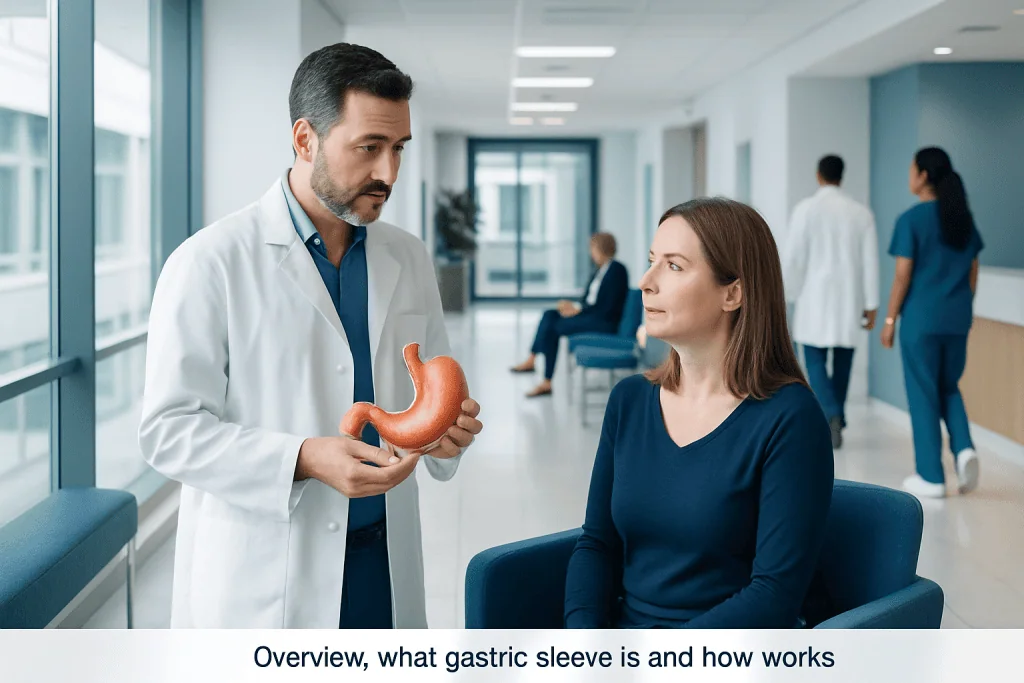
Gastric sleeve permanently reduces stomach size and helps limit food intake. It may improve conditions linked to obesity, such as type 2 diabetes, sleep apnea, and high blood pressure.
Key Takeaways
- Gastric sleeve permanently reduces stomach size and helps limit food intake.
- It may improve conditions linked to obesity, such as type 2 diabetes, sleep apnea, and high blood pressure.
- Not everyone is a candidate; careful medical, nutritional, and psychological evaluation is important.
- Long-term success depends on regular follow-up, balanced eating, physical activity, and vitamin supplementation.
- Like any operation, gastric sleeve has risks, including leaks, reflux, and nutrient deficiencies.
Gastric sleeve is a bariatric surgery that removes a large portion of the stomach, helping people feel full sooner and eat smaller meals. It can support substantial weight loss and improve obesity-related conditions, but it also requires lifelong nutrition, follow-up, and lifestyle changes.
Overview: what gastric sleeve is and how it works
Gastric sleeve, also called sleeve gastrectomy, is a type of weight-loss surgery in which surgeons remove a large part of the stomach and create a narrow, tube-shaped stomach. This smaller stomach holds much less food, so a person usually feels full sooner and is able to eat smaller portions. The procedure does not reroute the intestines, which makes it different from some other forms of bariatric surgery.
Beyond reducing stomach volume, gastric sleeve also changes hormones involved in hunger, fullness, and blood sugar regulation. Many people notice less appetite after surgery, especially in the early months. For this reason, the operation can support weight loss not only by limiting portion size but also by affecting the body’s metabolic signals.
Gastric sleeve is most often considered for people living with obesity when structured efforts such as dietary changes, exercise, and medical management have not led to enough weight loss or lasting health improvement. It is a major surgery rather than a cosmetic procedure, and its goal is to reduce obesity-related health risks and improve quality of life.
Who may be a candidate for gastric sleeve
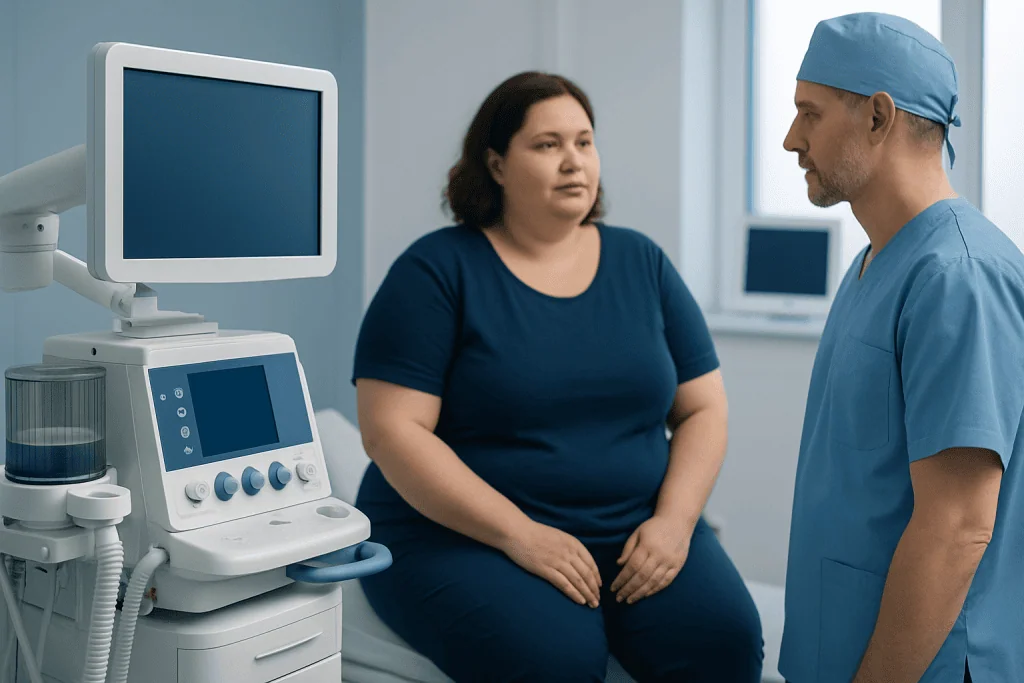
Doctors usually consider gastric sleeve for adults with obesity, especially when excess weight is affecting overall health. Eligibility often depends on body mass index, obesity-related conditions, and whether previous non-surgical approaches have been tried. Common associated conditions include type 2 diabetes, high blood pressure, fatty liver disease, joint strain, and sleep apnea.
Candidacy is not based on weight alone. A bariatric team typically looks at eating habits, physical health, mental health, medications, and readiness for long-term changes. People need to understand that surgery is a tool, not a stand-alone cure, and that lasting results depend on nutrition, activity, and follow-up care.
Some medical situations may require extra caution or may make another procedure more suitable. For example, severe, uncontrolled reflux symptoms, certain previous abdominal surgeries, active substance misuse, or untreated eating disorders may influence the decision. The most appropriate option is individualized after full evaluation by a specialist team.
Potential benefits and expected results

The main benefit of gastric sleeve is meaningful weight loss. Many patients lose a substantial amount of excess body weight over the first 12 to 18 months, especially when surgery is combined with careful eating habits, regular activity, and long-term medical support. Weight loss patterns vary, and progress is usually gradual rather than immediate.
Health benefits can be just as important as the change on the scale. After surgery, some people see improvement in blood sugar control, blood pressure, cholesterol levels, mobility, and energy. Symptoms related to obesity may become easier to manage, and some obesity-related conditions can improve enough to reduce the need for certain medications under medical supervision.
Even so, outcomes differ from person to person. Weight regain can happen if calorie intake gradually increases, if grazing or emotional eating continues, or if follow-up care is missed. Bariatric surgery works best when it is part of a long-term treatment plan that may also include obesity surgery support, nutrition counseling, behavioral care, and exercise guidance.
How gastric sleeve is performed and what recovery involves
Gastric sleeve is usually performed laparoscopically, using small incisions and specialized instruments. During the operation, the surgeon removes a large curved section of the stomach and seals the remaining part into a narrow sleeve. The procedure is irreversible because the removed portion of the stomach cannot be replaced.
Most patients stay in the hospital for a short period after surgery so the care team can monitor pain control, hydration, early mobility, and any signs of complications. Recovery at home includes gradual return to walking and daily activity, wound care, and a step-by-step eating plan. Patients are usually advised to progress from liquids to pureed foods, then soft foods, and later to regular textured meals as directed by their team.
Follow-up is a core part of recovery. Appointments help monitor weight loss, hydration, vitamin levels, bowel habits, reflux symptoms, and adjustment to the new eating pattern. Some patients may also benefit from related support such as gastroenterology care if digestive symptoms continue during recovery.
Risks, side effects, and long-term considerations
As with any major surgery, gastric sleeve carries risks. Early complications can include bleeding, infection, blood clots, anesthesia-related problems, and leakage from the stapled stomach edge. Although these are not common in experienced centers, they can be serious and require prompt medical attention.
Longer-term issues may include heartburn or worsening reflux, narrowing of the sleeve, nausea, vomiting, dehydration, constipation, gallstones, and vitamin or mineral deficiencies. Because food intake is much lower, people often need lifelong supplementation and periodic blood tests to check for low iron, vitamin B12, folate, calcium, and vitamin D. Nutritional follow-up is important even if a person feels well.
There can also be emotional and social adjustments. Eating patterns change significantly, and some people experience frustration, anxiety, or difficulty adapting to new routines. Ongoing support from dietitians, bariatric clinicians, and mental health professionals can be very helpful. In some cases, doctors may compare sleeve gastrectomy with other procedures such as gastric bypass surgery when reflux, diabetes, or weight-related goals suggest a different approach.
Life after surgery: eating, activity, and self-care
Long-term success after gastric sleeve depends on daily habits. Meals are usually small, protein-focused, and eaten slowly. Patients are typically encouraged to avoid drinking large amounts with meals, minimize highly processed foods, and limit sugar-sweetened beverages. Chewing well and stopping when comfortably full can help prevent discomfort.
Physical activity is another key part of the plan. Gentle walking usually starts early after surgery, and exercise can gradually increase with medical guidance. Regular movement helps preserve muscle mass, supports heart health, and contributes to long-term weight maintenance. Sleep, stress management, and consistent routines also matter.
Routine self-care often includes vitamin and mineral supplements, hydration goals, food journaling, and scheduled medical reviews. Some people who do not lose enough weight or who regain weight later may need additional assessment for dietary causes, hormonal issues, medication effects, or a surgical review. In selected cases, a bariatric team may discuss further options, including revision bariatric surgery.
When to seek medical care
Anyone considering gastric sleeve should seek medical advice from a qualified bariatric specialist before making a decision. A proper evaluation can clarify whether surgery is appropriate, what preparation is needed, and which procedure may best fit the person’s health profile. It is especially important to get professional guidance if obesity is affecting breathing, mobility, blood sugar, blood pressure, or daily life.
After surgery, prompt medical review is important for warning signs such as severe abdominal pain, persistent vomiting, chest pain, shortness of breath, fever, trouble drinking fluids, increasing redness around incisions, or signs of dehydration. New or worsening heartburn, difficulty swallowing, or ongoing weakness also deserve attention.
For international patients, Acibadem International’s multidisciplinary specialists and JCI-accredited hospitals diagnose and treat obesity and related digestive concerns with coordinated bariatric care. Timely follow-up helps address complications early and supports safer, more sustainable recovery.
Frequently asked questions
Is gastric sleeve the same as bariatric surgery?
Gastric sleeve is one type of bariatric surgery. Bariatric surgery is a broader term that includes several procedures designed to help with weight loss and improve obesity-related health conditions.
How much weight can a person lose after gastric sleeve?
Weight loss varies based on starting weight, medical conditions, eating habits, activity, and follow-up care. Many people lose a significant amount of weight over 12 to 18 months, but long-term results depend on maintaining lifestyle changes.
Is gastric sleeve reversible?
No. Gastric sleeve is considered permanent because part of the stomach is surgically removed. This is one reason why careful evaluation and informed decision-making are so important before surgery.
Will gastric sleeve cure diabetes or high blood pressure?
It may improve these conditions and sometimes reduce the need for medications, but it is not guaranteed to cure them. Ongoing medical follow-up is needed to monitor progress and adjust treatment safely.
What can a person eat after gastric sleeve?
Diet progresses in stages, usually starting with liquids and then moving to pureed, soft, and regular foods over time. Long term, meals are generally small, protein-focused, and planned to provide enough nutrients while avoiding discomfort.
Can weight come back after gastric sleeve?
Yes, some weight regain can happen, especially if portion sizes increase, grazing develops, or follow-up care is inconsistent. Regular appointments, physical activity, and nutrition support can help lower this risk.
References
- American Society for Metabolic and Bariatric Surgery
- National Institute of Diabetes and Digestive and Kidney Diseases
- Mayo Clinic
- National Health Service
- World Health Organization
This article is for general information only and is not a substitute for professional medical advice. Please consult a qualified doctor about your individual situation.
Medical weight-loss options in Turkey — costs & eligibility
JCI-accredited · board-certified surgeons · reply within 24h
Add us as a Preferred Source to see more of our trusted health content across Google Search, AI Overviews and Discover.
Check your numbers in seconds
BMI, calories, due date, blood pressure and 30+ more clinical calculators — free, instant, doctor-reviewed ranges.

More from the Health Library



Related Specialists

Dr. Melisa Ulufi
Inpatient Clinic Physicians Clinical Service
Prof. Dr. Tuna Bilecik
General Surgery
Dr. Eren Yılmaz
Otorhinolaryngology
Asst. Prof. Dr. Ceren Meriç Özgündüz
Psychiatry