Gastrointestinal Infection: Symptoms, Causes, and Treatment Options

Gastrointestinal infection is usually caused by viruses, bacteria, or parasites affecting the digestive tract. Common symptoms include diarrhea, vomiting, stomach cramps, nausea, fever, and dehydration.
Key Takeaways
- Gastrointestinal infection is usually caused by viruses, bacteria, or parasites affecting the digestive tract.
- Common symptoms include diarrhea, vomiting, stomach cramps, nausea, fever, and dehydration.
- Treatment often centers on replacing fluids and electrolytes, while antibiotics are only useful for selected bacterial infections.
- Young children, older adults, pregnant people, and those with weakened immune systems may need earlier medical assessment.
- Safe food handling, handwashing, and clean drinking water help lower the risk of infection.
A gastrointestinal infection is an infection of the stomach or intestines that commonly causes diarrhea, nausea, vomiting, abdominal cramps, and sometimes fever. Most cases improve with hydration and rest, but some need medical testing or treatment depending on the cause and the person’s age, health, and symptoms.
Overview
A gastrointestinal infection is an infection that affects the stomach, intestines, or both. It is a common reason for diarrhea, vomiting, abdominal pain, and feeling unwell. In everyday language, people may call it a stomach bug, stomach flu, food poisoning, or infectious gastroenteritis, although these terms do not always mean exactly the same thing.
The condition can be caused by viruses, bacteria, or parasites. Some infections spread from person to person, while others come from contaminated food, unsafe water, or poor hand hygiene. Symptoms can start suddenly and range from mild and short-lived to more severe, especially if dehydration develops.
Most otherwise healthy adults recover within a few days with rest and careful fluid replacement. However, gastrointestinal infection deserves attention when symptoms are intense, prolonged, or occur in people who are more vulnerable, such as infants, older adults, or anyone with a weakened immune system.
How a Gastrointestinal Infection Feels
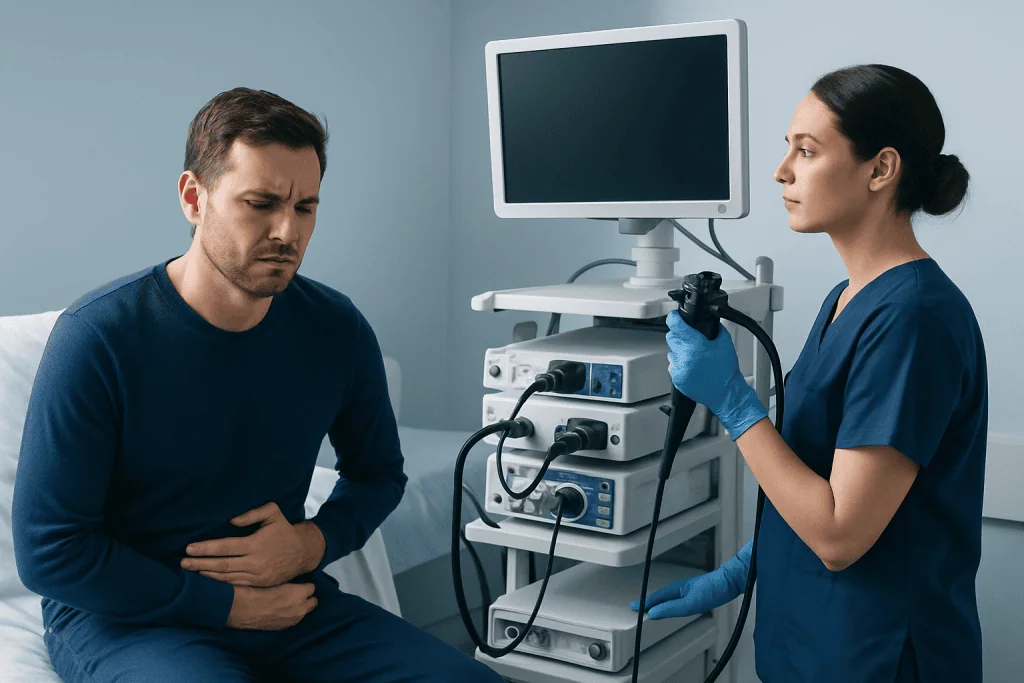
The symptoms of a gastrointestinal infection often appear quickly. Diarrhea is one of the most common signs, and it may happen together with nausea, vomiting, stomach cramps, bloating, and a reduced appetite. Some people also feel tired, weak, achy, or feverish.
The exact symptom pattern can give clues about the cause, although symptoms alone cannot confirm it. Viral infections often cause watery diarrhea and vomiting. Bacterial infections may be more likely to cause fever, stronger abdominal pain, or diarrhea with blood or mucus. Parasitic infections can sometimes lead to longer-lasting diarrhea, gas, and weight loss.
Dehydration is one of the main concerns. It can happen when the body loses too much fluid through diarrhea or vomiting and cannot replace it fast enough. Signs include a very dry mouth, strong thirst, dizziness, dark urine, urinating less than usual, unusual sleepiness, or confusion. In children, fewer wet diapers and no tears when crying can also be warning signs.
- Watery or loose stools
- Nausea and vomiting
- Cramping or abdominal pain
- Fever or chills
- Bloating or urgent bowel movements
- Fatigue and dehydration symptoms
Causes and Risk Factors
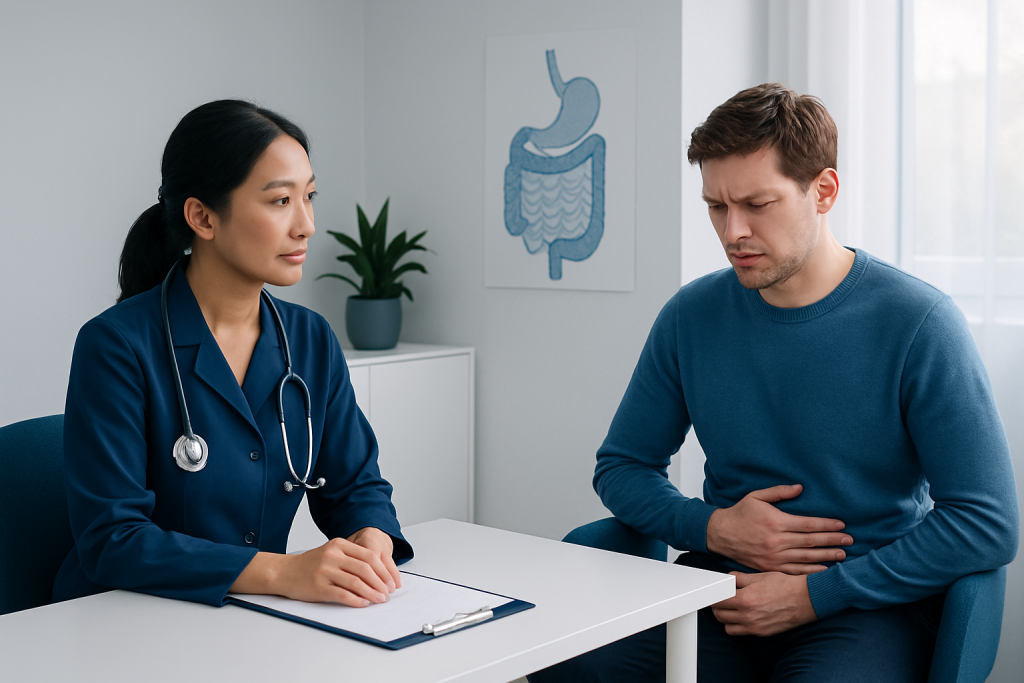
Viruses are among the most frequent causes of gastrointestinal infection. Norovirus and rotavirus are well-known examples. These infections spread easily through close contact, contaminated surfaces, and food prepared by someone who is infected. They are common in homes, schools, care facilities, and during travel.
Bacteria can also cause infection, often through contaminated food or water. Examples include Salmonella, Campylobacter, Shigella, and certain types of Escherichia coli. Some bacterial infections are linked to undercooked poultry, eggs, raw milk, unwashed produce, or food that has not been stored at a safe temperature. A related problem, food poisoning, may involve infection or toxins produced by bacteria.
Parasites are less common in many settings but remain an important cause, particularly after travel, exposure to untreated water, or outbreaks in community settings. Giardia is one example. Risk can be higher in people with chronic digestive disorders, reduced stomach acid, immune suppression, recent antibiotic use, or international travel. A person with persistent symptoms may also need evaluation to rule out other digestive conditions, such as Crohn’s disease, which can sometimes cause overlapping bowel symptoms but is not an infection.
How Doctors Diagnose It
Diagnosis usually begins with a medical history and physical examination. A doctor will often ask when the symptoms began, whether there is vomiting or fever, how often diarrhea occurs, whether there is blood in the stool, and whether there has been recent travel, antibiotic use, sick contacts, or high-risk foods. These details help estimate the likely cause and the urgency of treatment.
Many mild cases do not need laboratory testing. If symptoms are severe, prolonged, recurrent, or associated with blood in the stool or signs of dehydration, further tests may be recommended. These can include stool tests to look for bacteria, parasites, or viruses; blood tests to assess dehydration or infection; and sometimes imaging or endoscopy if another condition is suspected.
Doctors also consider whether symptoms may be related to noninfectious causes such as inflammatory bowel disease, medication side effects, or ulcerative colitis. If the diagnosis is uncertain or symptoms are not improving as expected, referral to a digestive specialist may be helpful.
Treatment Options
The main treatment for most gastrointestinal infections is supportive care. This means helping the body recover while preventing dehydration. Drinking water, oral rehydration solutions, and other fluids in small, frequent amounts is often the most important first step. Eating may be difficult at first, but many people can slowly return to simple foods as nausea and vomiting improve.
Medicines may be used in selected cases. Anti-nausea treatment may help some people keep fluids down. Antibiotics are not routinely needed because many gastrointestinal infections are viral, and even some bacterial infections improve without them. When a bacterial or parasitic cause is confirmed or strongly suspected, a doctor may choose targeted medication. Antidiarrheal medicines are not suitable for everyone, especially if there is fever or bloody diarrhea, so professional advice is important.
If dehydration is significant, hospital treatment may be needed for intravenous fluids and monitoring. People with persistent vomiting, severe pain, high fever, or a weak immune system may need more intensive evaluation. Depending on the symptoms and findings, a doctor may involve specialists in gastroenterology care or use endoscopy when there is concern about another digestive condition rather than a simple infection.
For international patients who need further assessment, Acibadem International’s multidisciplinary specialists in JCI-accredited hospitals diagnose and treat gastrointestinal conditions using a coordinated approach.
Prevention and Self-care
Preventing gastrointestinal infection often starts with everyday hygiene. Frequent handwashing with soap and water is one of the most effective measures, especially after using the bathroom, changing diapers, and before preparing or eating food. Alcohol-based hand gel can help in some situations, but soap and water is especially important when hands are visibly dirty and for certain viruses.
Food safety also matters. Meat, poultry, seafood, and eggs should be cooked thoroughly. Raw and cooked foods should be kept separate, and leftovers should be refrigerated promptly. Fruits and vegetables should be washed well, and unpasteurized dairy products or unsafe water should be avoided, especially during travel.
At home, self-care mainly focuses on hydration and rest. Small sips of fluid taken often may be easier than drinking a large amount at once. Oral rehydration solutions can be particularly useful for children, older adults, or anyone losing a lot of fluid. It is usually wise to avoid alcohol and very greasy foods until recovery is underway. If symptoms are not settling, a clinician may recommend additional evaluation, which can sometimes include colonoscopy when ongoing bowel symptoms suggest another diagnosis.
When to Seek Medical Care
Many gastrointestinal infections improve without complications, but some symptoms should not be ignored. Medical care is important if a person has signs of dehydration, cannot keep fluids down, has diarrhea lasting more than a few days, develops severe abdominal pain, or notices blood or black color in the stool. A high fever or worsening weakness also deserves prompt attention.
Children, older adults, pregnant people, and anyone with kidney disease, diabetes, inflammatory bowel disease, cancer treatment, or a weakened immune system should contact a doctor sooner. Infants and young children can become dehydrated more quickly than adults, so changes in urination, alertness, or feeding should be assessed early.
Urgent evaluation is advisable for confusion, fainting, very little urine, severe lethargy, or symptoms after possible contaminated food in a larger outbreak. A qualified healthcare professional can decide whether the person needs testing, rehydration, observation, or treatment for a specific infection.
Frequently asked questions
What is a gastrointestinal infection?
A gastrointestinal infection is an infection of the stomach, intestines, or both, caused by viruses, bacteria, or parasites. It commonly leads to diarrhea, vomiting, nausea, abdominal cramps, and sometimes fever.
How long does a gastrointestinal infection usually last?
Many viral infections improve within a few days, while some bacterial or parasitic infections may last longer. Recovery time depends on the cause, the person’s general health, and whether dehydration or complications develop.
Do antibiotics help with gastrointestinal infection?
Not always. Antibiotics do not treat viral infections, and they are only useful for certain bacterial infections or some parasitic infections. A doctor decides whether they are needed based on symptoms, risk factors, and sometimes stool test results.
What should a person eat or drink during recovery?
The priority is replacing fluids and electrolytes with water, oral rehydration solution, clear soups, or other tolerated fluids. As symptoms improve, simple foods can usually be added gradually, while heavy, greasy, or alcoholic drinks are best avoided for a time.
When is diarrhea from a gastrointestinal infection serious?
Diarrhea becomes more concerning when it is severe, contains blood, lasts more than a few days, or causes dehydration. It also deserves earlier medical attention in infants, older adults, pregnant people, and those with chronic illnesses or weak immune systems.
Can a gastrointestinal infection spread to other people?
Yes. Many gastrointestinal infections are contagious and can spread through contaminated hands, shared surfaces, food, or water. Good handwashing, careful food handling, and cleaning commonly touched surfaces can reduce transmission.
References
- World Health Organization
- Centers for Disease Control and Prevention
- National Institute of Diabetes and Digestive and Kidney Diseases
- National Health Service
- American College of Gastroenterology
This article is for general information only and is not a substitute for professional medical advice. Please consult a qualified doctor about your individual situation.
Persistent digestive symptoms? Get evaluated in Turkey
JCI-accredited · board-certified surgeons · reply within 24h
Add us as a Preferred Source to see more of our trusted health content across Google Search, AI Overviews and Discover.