Gastroparesis Therapy: How It Works, Results and What to Expect

Gastroparesis is delayed stomach emptying without a physical blockage. Therapy often starts with nutrition changes, hydration support and treatment of underlying causes.
Key Takeaways
- Gastroparesis is delayed stomach emptying without a physical blockage.
- Therapy often starts with nutrition changes, hydration support and treatment of underlying causes.
- Medicines may reduce nausea or help stomach muscle movement, while procedures are considered for selected persistent cases.
- Symptoms can improve over time, but there is no single treatment that works best for every person.
- Urgent medical assessment is important for dehydration, persistent vomiting, severe pain or signs of gastrointestinal bleeding.
Gastroparesis therapy aims to relieve symptoms, support nutrition and improve stomach emptying where possible. Treatment is individualized because the condition can have different causes, symptom patterns and levels of severity.
Overview: how gastroparesis therapy works
Gastroparesis therapy is a personalized plan that helps manage delayed stomach emptying. It may include dietary adjustments, medicines for nausea or stomach movement, diabetes management when relevant, and procedures for symptoms that continue despite conservative care. The goal is not simply to make the stomach empty faster; it is also to help the person eat and drink safely, maintain nutrition and reduce disruptive symptoms.
Gastroparesis occurs when the stomach takes longer than usual to move food into the small intestine, despite there being no obstruction. It can cause nausea, vomiting, early fullness, bloating, upper abdominal discomfort and unstable blood glucose levels in people with diabetes. Symptoms may fluctuate, so treatment is usually adjusted over time according to nutrition, hydration, symptom burden and test results.
The question of gastroparesis how to resolve is understandable, but there is not always a quick or permanent solution. Some cases improve when an underlying trigger is addressed, while others need long-term symptom management. A gastroenterologist can help develop a realistic plan that balances symptom relief with daily quality of life.
How is gastroparesis diagnosed?
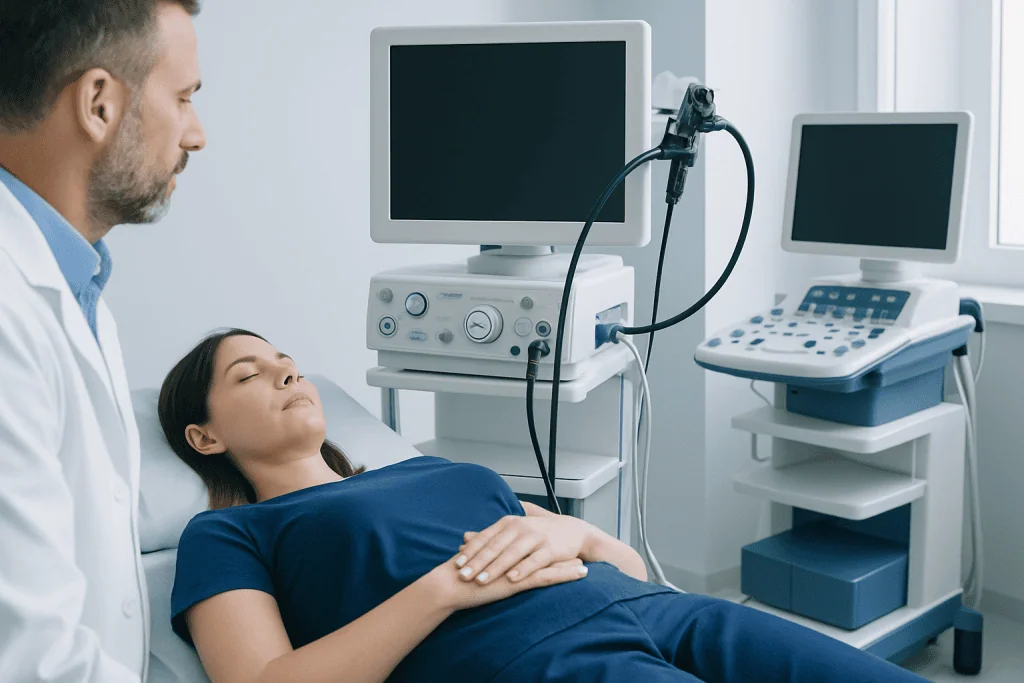
Gastroparesis how to diagnose begins with a detailed clinical assessment. A doctor reviews symptoms, medical conditions such as diabetes, prior abdominal surgery, neurological disorders and medicines that can slow digestion. They also assess weight change, hydration, nutritional intake and the timing of symptoms in relation to meals.
Tests are needed to rule out a blockage and to confirm delayed stomach emptying. Upper endoscopy or imaging may be used to look for structural causes of vomiting or pain. A gastric emptying study, often using a standardized meal and scans over several hours, is commonly used to measure how quickly food leaves the stomach.
Blood tests may check for dehydration, electrolyte imbalance, thyroid disease, diabetes control and nutritional concerns. Accurate diagnosis matters because symptoms resembling gastroparesis can also occur with reflux, ulcers, functional dyspepsia, medication effects and other digestive conditions.
- Review of medical history, medicines and symptoms
- Assessment for mechanical obstruction
- Gastric emptying testing when appropriate
- Blood tests to identify contributing conditions or complications
What are the three stages of gastroparesis?
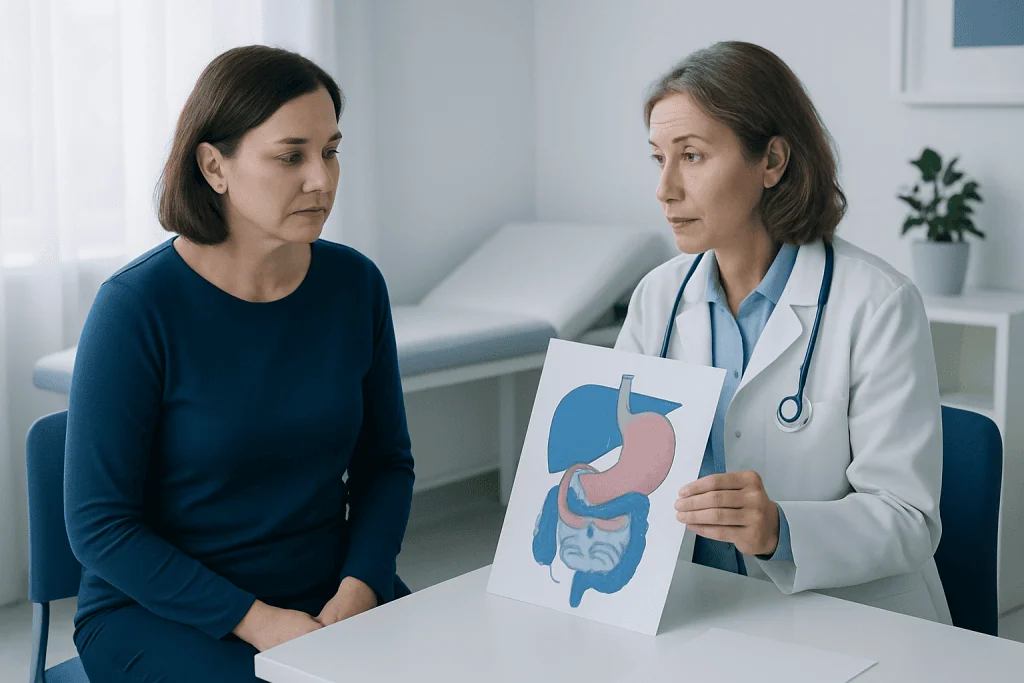
There is no universally accepted medical system that divides gastroparesis into exactly three stages. In practice, clinicians often describe the condition as mild, moderate or severe based on symptoms, nutritional impact, the need for healthcare support and how well symptoms respond to treatment. These descriptions help guide care but do not replace individualized assessment.
Mild disease may involve intermittent nausea, bloating or early fullness while the person can generally maintain their weight and hydration. Moderate disease can cause more frequent vomiting, reduced food intake, weight loss or difficulty controlling diabetes. Severe disease may involve persistent vomiting, dehydration, malnutrition or repeated hospital care, sometimes requiring enteral feeding support or more advanced interventions.
The degree of delayed emptying on a test does not always match symptom severity. For this reason, treatment decisions are based on the whole clinical picture rather than a test result alone.
Treatment options, candidacy and procedures
First-line gastroparesis therapy usually includes nutrition-focused care. Smaller, more frequent meals; lower-fat and lower-fiber choices; soft or liquid foods during symptom flares; and careful hydration may be easier for the stomach to process. A registered dietitian can help ensure that dietary changes still provide adequate protein, vitamins and calories.
Doctors may review medicines that can slow stomach emptying and, where clinically appropriate, consider alternatives. Prescription medicines may be used to improve stomach muscle contractions, control nausea or vomiting, or manage related pain carefully. For people with diabetes, steadier glucose management is important because high blood glucose can further slow gastric emptying.
When symptoms remain severe despite medical and dietary treatment, selected patients may be evaluated for advanced therapies. These can include endoscopic pylorus-directed treatment, such as gastric peroral endoscopic myotomy (G-POEM), which relaxes a tight outlet muscle at the bottom of the stomach in appropriate candidates. Other options may include gastric electrical stimulation for carefully selected people with severe nausea and vomiting, or nutrition support through feeding tubes when oral intake is insufficient.
Candidacy for a procedure depends on confirmed delayed gastric emptying, persistent clinically significant symptoms, nutritional status, possible causes of the condition and previous response to treatment. A multidisciplinary review involving gastroenterology, nutrition, endocrinology and, when needed, surgery helps match the treatment to the individual rather than relying on a single approach.
What happens during a gastroparesis procedure and recovery?
Not everyone with gastroparesis needs a procedure. When a pylorus-directed endoscopic procedure is recommended, it is typically performed under anesthesia. The specialist passes a flexible endoscope through the mouth into the stomach, creates a small tunnel in the stomach lining and divides selected muscle fibers near the pylorus, the valve leading into the small intestine. No external abdominal incision is usually required for this approach.
After the procedure, monitoring focuses on pain, nausea, bleeding, fever and the ability to tolerate fluids. The care team may perform an imaging study or other assessment before advancing the diet, depending on the procedure and local protocol. Nutrition is usually restarted gradually, moving from liquids to soft foods and then a personalized long-term eating plan.
Recovery timelines vary. Some people return to light daily activities within days, while dietary progression and evaluation of symptom response can take weeks. Follow-up is important because treatment benefits may develop gradually and medicines, diet and diabetes care may still need adjustment.
Potential benefits include less vomiting, improved meal tolerance, better hydration and reduced symptom burden. Risks differ by therapy but can include bleeding, infection, anesthesia-related effects, leakage or perforation with endoscopic procedures, and persistent or recurrent symptoms. A treating specialist should explain expected benefits, alternatives and risks in the context of the individual’s health.
What is the most successful treatment for gastroparesis?
There is no single most successful treatment for gastroparesis for every person. The best approach depends on the cause, predominant symptoms, nutrition status, diabetes control and whether testing suggests that an outlet-focused procedure may be helpful. Many people benefit most from a combination of dietary support, medication review and treatment of contributing conditions.
For example, improving blood glucose management can be particularly important in diabetic gastroparesis. People whose main problem is persistent nausea and vomiting may need a different medication strategy from those who mainly experience early fullness and poor intake. Advanced procedures are generally considered only after a thorough evaluation and a trial of appropriate conservative treatment.
A treatment plan should also address emotional and practical effects. Planning meals, managing flare-ups and avoiding dehydration can be challenging. Regular follow-up allows clinicians to reassess symptoms, weight, laboratory results and whether further therapy is needed.
How long does it take to get rid of gastroparesis?
Gastroparesis may improve over weeks to months when a reversible cause is identified and treated, but it can also be a long-term condition. For instance, symptoms related to a temporary illness, medication effect or poorly controlled blood glucose may lessen as the trigger is addressed. In other cases, especially when nerve injury is longstanding or no cause is found, management may focus on reducing symptoms and protecting nutrition rather than eliminating the condition completely.
Response times differ by treatment. Dietary changes and medication adjustments may help within days or weeks, while the effect of a procedure is assessed over a longer follow-up period. Improvement is rarely linear, and symptom flares can occur even when a person is following a treatment plan.
Keeping a record of meals, vomiting episodes, bowel habits, blood glucose readings when applicable, weight and medications can help the care team identify patterns. Patients should avoid stopping prescribed treatments or making very restrictive dietary changes without clinical guidance.
Can you still poop with gastroparesis and when to seek medical care
Yes, a person can still poop with gastroparesis. Gastroparesis affects stomach emptying, whereas bowel movements depend largely on the small intestine and colon. However, constipation can occur at the same time due to dehydration, low food intake, limited physical activity, diabetes, certain medicines or a broader problem with gut movement.
Ongoing constipation, diarrhea or a major change in bowel habits should be discussed with a doctor because these symptoms may need separate assessment and treatment. Maintaining appropriate fluid intake and following a clinician’s dietary advice can be helpful, but laxatives or other bowel medicines should be chosen with professional guidance, particularly for people with kidney disease, heart conditions or electrolyte concerns.
Medical care should be sought promptly for persistent vomiting that prevents fluid intake, signs of dehydration, severe or worsening abdominal pain, a swollen abdomen, fainting, vomiting blood, black stools, fever or unexplained weight loss. These symptoms do not always mean a serious complication, but they require timely assessment.
Acibadem International’s multidisciplinary specialists and JCI-accredited hospitals support international patients who need evaluation and treatment for gastroparesis and related digestive concerns.
Frequently asked questions
What is gastroparesis?
Gastroparesis is a condition in which the stomach empties food more slowly than expected without a physical blockage. It may cause nausea, vomiting, feeling full quickly, bloating, upper abdominal discomfort and difficulty maintaining nutrition.
Can gastroparesis be cured?
Some people improve substantially when a treatable cause, such as a medication effect or high blood glucose, is addressed. Others have a longer-term condition that can often be managed with dietary support, medicines and, for selected patients, procedures.
What foods are usually easier to tolerate with gastroparesis?
Many people tolerate smaller meals, softer foods and liquids better than large meals or foods high in fat and insoluble fiber. Individual tolerances vary, so advice from a gastroenterologist or dietitian is important to avoid nutritional deficiencies.
Is gastroparesis dangerous?
Gastroparesis can become medically important if it leads to dehydration, poor nutrition, significant weight loss or difficulty managing diabetes. Regular medical follow-up helps identify and treat these concerns early.
Can diabetes cause gastroparesis?
Yes. Long-term diabetes can affect nerves involved in stomach movement, and high blood glucose can also temporarily slow stomach emptying. Optimizing glucose management is an important part of treatment for diabetic gastroparesis.
When are procedures considered for gastroparesis?
Procedures are generally considered when symptoms remain significant despite dietary measures, medication review and treatment of contributing conditions. A specialist evaluates gastric emptying results, symptom pattern, nutritional status and overall health before recommending an intervention.
References
- National Institute of Diabetes and Digestive and Kidney Diseases
- American College of Gastroenterology
- American Gastroenterological Association
- National Health Service
- Mayo Clinic
This article is for general information only and is not a substitute for professional medical advice. Please consult a qualified doctor about your individual situation.
Persistent digestive symptoms? Get evaluated in Turkey
JCI-accredited · board-certified surgeons · reply within 24h
Add us as a Preferred Source to see more of our trusted health content across Google Search, AI Overviews and Discover.