Gbs Recovery: A Week-by-Week Timeline
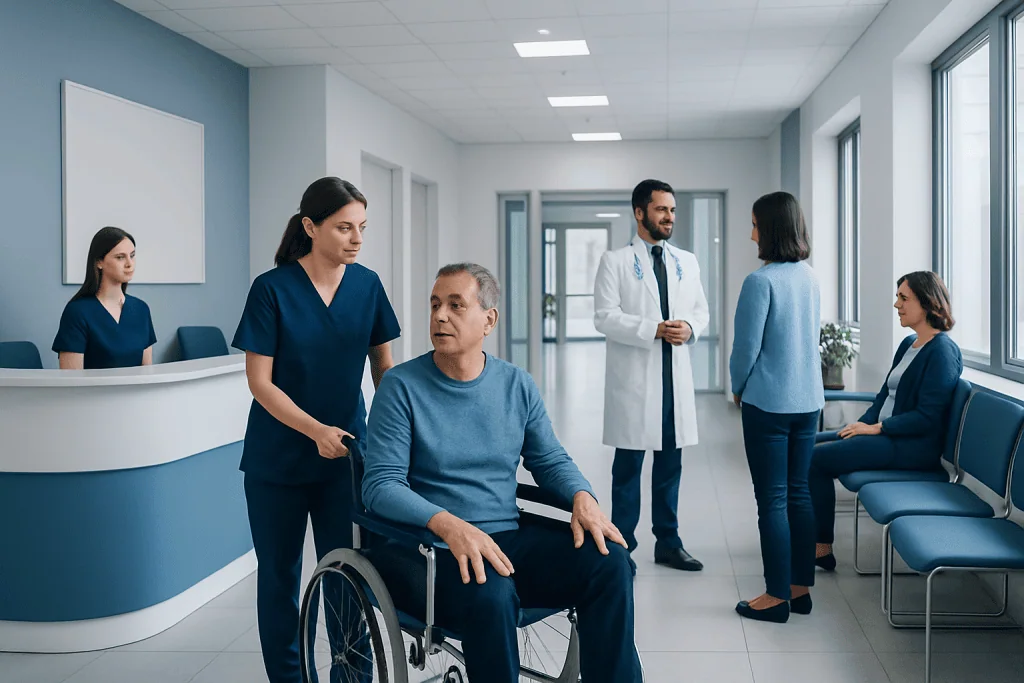
GBS often progresses quickly at first, then reaches a plateau before gradual recovery begins. Many people make a good recovery, but fatigue, weakness, numbness or pain can persist for months or longer.
Key Takeaways
- GBS often progresses quickly at first, then reaches a plateau before gradual recovery begins.
- Many people make a good recovery, but fatigue, weakness, numbness or pain can persist for months or longer.
- Immunotherapy can shorten the course or reduce complications when given early, but it does not repair nerves instantly.
- Rehabilitation is a central part of GBS recovery and should be paced to avoid overexertion.
- New breathing difficulty, trouble swallowing, rapidly worsening weakness or heart-rate changes need urgent medical assessment.
GBS recovery is highly individual: some people start to regain strength within weeks, while others need months or longer for nerves and muscles to recover. Early specialist care, treatment for the immune attack and tailored rehabilitation can help support function, safety and independence throughout recovery.
GBS recovery: the overall timeline
Guillain-Barré syndrome (GBS) is an uncommon immune-mediated condition in which the body’s immune system attacks peripheral nerves. Recovery usually follows three broad stages: a period of worsening symptoms, a plateau when symptoms are relatively stable, and a gradual rehabilitation phase. The time spent in each stage varies substantially from person to person.
For many people, weakness stops worsening within about four weeks of symptom onset, although the plateau phase can last days or weeks. Improvement often begins after this point, usually starting with small gains in movement, balance or endurance. Some people recover most function over several months, while others require one to two years or longer for the fullest recovery possible.
GBS recovery is not always a straight line. Tiredness, pain and variable strength can make day-to-day progress feel uneven. Regular review by a neurology and rehabilitation team helps distinguish expected fluctuations from symptoms that need further assessment.
For a broader explanation of the condition, see Guillain-Barré syndrome.
A week-by-week GBS recovery timeline
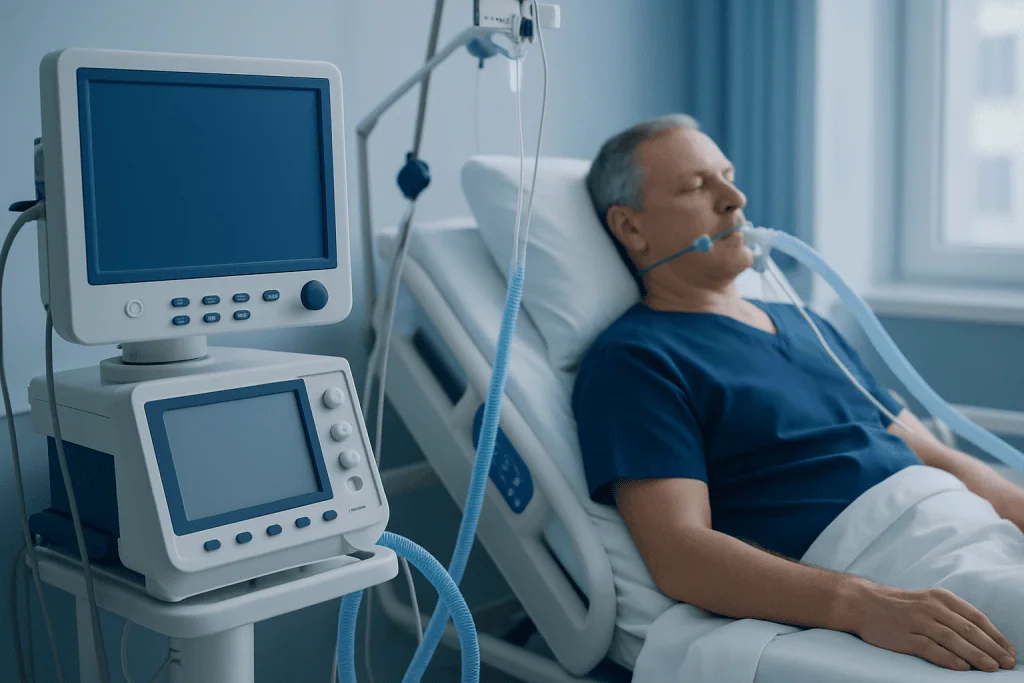
Weeks 1 to 4: Symptoms commonly worsen during this period. Tingling, pain and weakness may begin in the feet or hands and move upward. Some people develop facial weakness, swallowing difficulty or breathing problems and need hospital monitoring. Treatment is focused on stabilisation, monitoring breathing and heart function, preventing complications of immobility, and starting immune treatment when appropriate.
Weeks 4 to 8: Weakness often reaches a plateau. The person may still need help with walking, transfers, eating or personal care. Physical and occupational therapy may begin with gentle positioning, range-of-motion exercises, breathing support and safe, low-intensity activity. This stage can be emotionally demanding because visible improvement may still be limited.
Months 2 to 6: Gradual recovery is often more noticeable. Strength may return slowly, sometimes first in the arms and upper body or in the muscles that were affected least severely. Walking practice, balance work, self-care training and fatigue management become increasingly important. Numbness, burning pain, reduced stamina and foot weakness may continue even as mobility improves.
Months 6 to 12 and beyond: Many people continue making meaningful gains during this time. Some return to work, driving or usual activities with adaptations, while others need ongoing rehabilitation or mobility aids. Residual symptoms can include fatigue, mild weakness, altered sensation, pain or balance difficulty. A smaller proportion of people have long-term disability or require further evaluation for another diagnosis, relapse or a chronic immune neuropathy.
How long does it take for nerves to heal after GBS?
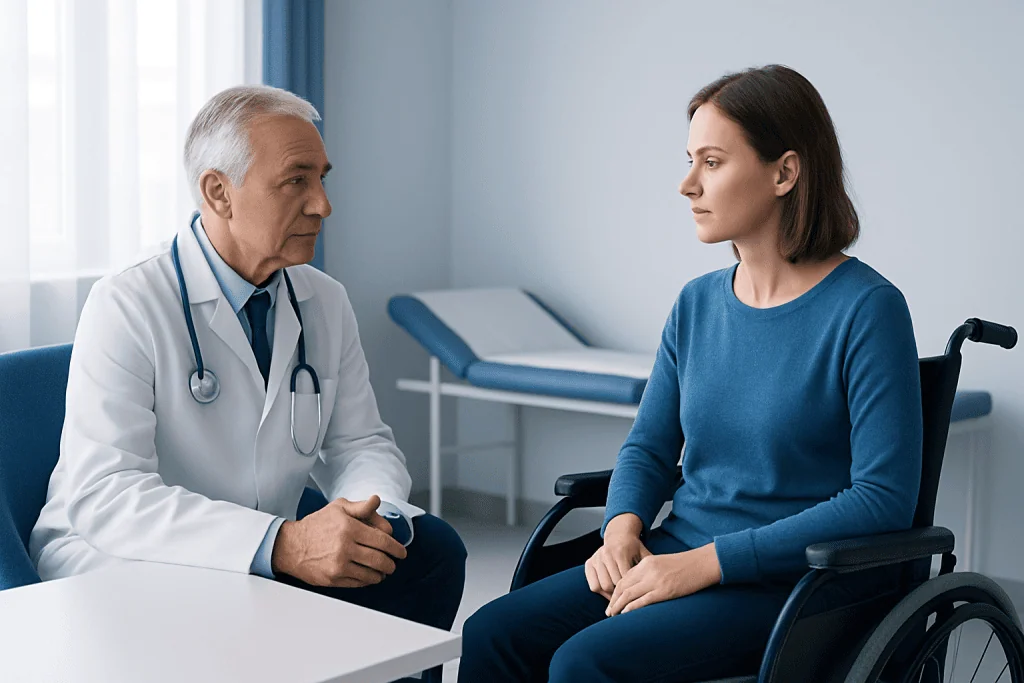
Peripheral nerves recover slowly. If GBS mainly damages the nerve’s protective myelin covering, improvement may occur over weeks to months as the covering is repaired. If there has been more extensive injury to nerve fibres, recovery can take many months or longer because nerve regrowth is gradual and the muscles also need conditioning after weakness and inactivity.
The pace of nerve healing depends on the GBS subtype, the severity and speed of early weakness, whether breathing support was needed, age, other health conditions and rehabilitation needs. Nerve conduction studies and electromyography may help clinicians understand the type and extent of nerve involvement, although these tests cannot predict every individual outcome.
Regaining function does not always mean every nerve sensation returns immediately. Tingling, numbness or discomfort may persist after strength improves. Continued follow-up is important if recovery stops unexpectedly, weakness returns or symptoms continue to progress.
How to speed up GBS recovery?
There is no proven way to force nerves to regenerate quickly, but timely treatment and a well-paced rehabilitation plan can support recovery and reduce preventable complications. In the acute phase, clinicians may use intravenous immunoglobulin or plasma exchange to limit the immune attack on the nerves. These treatments are generally most useful early in the illness and are selected according to the person’s condition and medical history.
Rehabilitation should be individualised. Physiotherapists can guide safe movement, strengthening and balance training, while occupational therapists can help with daily activities, hand function, energy conservation and equipment needs. Exercise is helpful when carefully progressed, but pushing through severe fatigue or pain can lead to overwork and slower functional progress.
Supportive measures also matter. Adequate nutrition, sleep, skin care, pain management, prevention of falls and attention to mood can all make rehabilitation more manageable. People should not start strenuous exercise, stop prescribed treatment or use supplements as a substitute for medical care without discussing this with their clinician.
For patients who need coordinated neurological treatment and rehabilitation, Acibadem International’s multidisciplinary specialists and JCI-accredited hospitals provide assessment and care for international patients.
Do most people fully recover from GBS?
Many people with GBS recover well enough to walk independently and return to many usual activities. However, “full recovery” means different things for different people. Some have no ongoing symptoms, while others have mild weakness, fatigue, numbness, pain, reduced endurance or difficulty with fine movements despite substantial overall improvement.
More severe illness at the beginning may be associated with a longer recovery and a greater likelihood of residual symptoms. Needing mechanical ventilation, having marked weakness early on, older age and certain nerve-test findings may also be linked with a more prolonged course. These factors are guides rather than certainties; individual outcomes vary.
Recovery should be measured broadly, not only by walking distance or muscle strength. Independence at home, participation in work or school, sleep, pain control, emotional wellbeing and confidence with daily activities are all important goals. Rehabilitation plans can be adjusted as these priorities change.
How long does it take to recover from Guillain-Barré syndrome (GBS)?
Recovery from Guillain-Barré syndrome commonly takes several months, but the total timeline can range from weeks to years. Some people notice early improvement within the first two to four weeks after symptoms stop worsening. Others have a slower course and continue to gain function for 12 to 24 months or longer.
A person’s recovery timeline should not be compared too closely with someone else’s. GBS includes different clinical subtypes, and symptoms can range from mild walking difficulty to severe weakness requiring intensive care. The most useful approach is to set practical short-term goals with the rehabilitation team and review progress at regular intervals.
If weakness is continuing to worsen beyond the expected early phase, returns after improvement, or progresses over more than eight weeks, a neurologist may consider whether another condition is contributing. This does not mean recovery has failed; it means the pattern deserves careful reassessment.
When to seek medical care
Urgent medical care is needed for new or rapidly worsening weakness, shortness of breath, difficulty swallowing, choking, inability to clear secretions, fainting, severe dizziness, or marked changes in heartbeat or blood pressure. These symptoms can occur in GBS because the condition may affect breathing muscles and the autonomic nerves that help control body functions.
Anyone with new tingling or weakness that is spreading over hours or days should seek prompt clinical assessment, particularly after a recent infection. Early evaluation can help identify GBS and other serious neurological conditions that need timely treatment.
During recovery, people should contact their healthcare team if falls increase, pain becomes difficult to control, a pressure injury develops, mood symptoms interfere with rehabilitation, or there is new deterioration after a period of improvement. Ongoing medical review helps ensure that rehabilitation, medication and support needs remain appropriate.
Family members and caregivers can also help by observing changes in breathing, mobility, alertness and ability to manage daily activities, and by encouraging rest between planned rehabilitation sessions.
Frequently asked questions
What is the first sign of recovery from GBS?
Early signs can include small improvements in movement, less need for assistance with transfers, better hand control or improved ability to tolerate sitting and standing. Recovery can be subtle at first and may be more noticeable over several weeks rather than from day to day. A rehabilitation team can help document progress safely.
Why is fatigue so common during GBS recovery?
Fatigue can result from nerve recovery, reduced fitness after illness, ongoing muscle weakness, sleep disruption, pain and the extra effort needed for everyday activities. It can persist even when muscle strength is improving. Pacing activities, planning rest and discussing persistent fatigue with a clinician can be helpful.
Can GBS come back after recovery?
A recurrence of GBS is uncommon, but new weakness after recovery should always be assessed by a doctor. In some cases, continued or repeated deterioration may point to a related chronic nerve condition rather than typical single-episode GBS. Prompt neurological review is important when symptoms return.
Is exercise safe during GBS recovery?
Exercise is often an important part of recovery, but it should be tailored to the person’s strength, fatigue and balance. Rehabilitation professionals can provide a gradual plan that avoids falls and excessive muscle strain. Severe exhaustion, worsening pain or prolonged loss of function after activity may indicate that the programme needs adjustment.
Will numbness and tingling go away after GBS?
Sensory symptoms may improve gradually, but they can last longer than visible weakness in some people. Numbness, tingling or nerve pain can be managed with rehabilitation strategies and, when needed, medical treatment. Persistent or worsening sensory symptoms should be discussed at follow-up appointments.
Can a person return to work after GBS?
Many people do return to work, but timing depends on physical demands, fatigue, concentration, mobility and the availability of workplace adjustments. A phased return, altered duties or flexible scheduling may be useful. Occupational therapy and medical guidance can support planning for a safe return.
References
- National Institute of Neurological Disorders and Stroke
- Centers for Disease Control and Prevention
- Mayo Clinic
- GBS/CIDP Foundation International
- National Health Service
This article is for general information only and is not a substitute for professional medical advice. Please consult a qualified doctor about your individual situation.
Explore treatments in Turkey — costs, top hospitals & a free quote
JCI-accredited · board-certified surgeons · reply within 24h
Add us as a Preferred Source to see more of our trusted health content across Google Search, AI Overviews and Discover.

More from the Health Library

Related Specialists

Prof. Dr. Murat Karaman
Otorhinolaryngology
Prof. Dr. Tayyar Sarioğlu
Cardiovascular Surgery
Asst. Prof. Dr. Tarkan İkizoğlu
Pediatrics
Dr. Aslıhan Sanem Özata
Anesthesiology