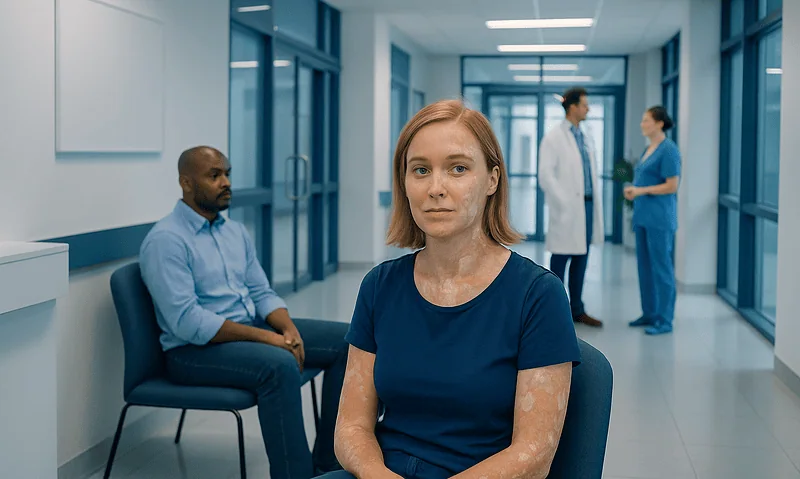
Genital Herpes: A Complete Medical Overview

Genital herpes is caused by herpes simplex virus, most often HSV-2 but also sometimes HSV-1. Some people have painful blisters or sores, while others have very mild symptoms or none at all.
Key Takeaways
- Genital herpes is caused by herpes simplex virus, most often HSV-2 but also sometimes HSV-1.
- Some people have painful blisters or sores, while others have very mild symptoms or none at all.
- Diagnosis may involve an examination, a swab from a sore, and blood tests in selected situations.
- Antiviral treatment can shorten outbreaks, ease symptoms, and reduce the chance of passing the virus to a partner.
- Safer sex practices, honest communication, and avoiding sexual contact during outbreaks help lower transmission risk.
- Medical advice is important for a first episode, symptoms during pregnancy, or severe or frequent recurrences.
Genital herpes is a common sexually transmitted infection caused by the herpes simplex virus, usually HSV-2 or sometimes HSV-1. It cannot be permanently cured, but it can be diagnosed accurately, treated with antiviral medicines, and managed in ways that reduce outbreaks and lower the risk of transmission.
Overview
Genital herpes is a viral infection that affects the skin and mucous membranes of the genital and anal area. It is caused by the herpes simplex virus (HSV), usually HSV-2, although HSV-1 can also cause genital infection. After entering the body, the virus remains in nerve cells and may reactivate from time to time, leading to recurrent symptoms in some people.
This infection is very common and often misunderstood. Many people with genital herpes do not realize they have it because symptoms can be mild, mistaken for another skin problem, or absent altogether. Even without visible sores, the virus can sometimes be passed to a sexual partner through skin-to-skin contact.
For most people, genital herpes is a manageable long-term condition rather than a dangerous illness. Clear information, proper diagnosis, and individualized treatment can help control symptoms, reduce recurrences, and support sexual health. If a person is concerned about a possible sexually transmitted disease, a clinician can help clarify the cause and next steps.
Symptoms and what outbreaks can feel like
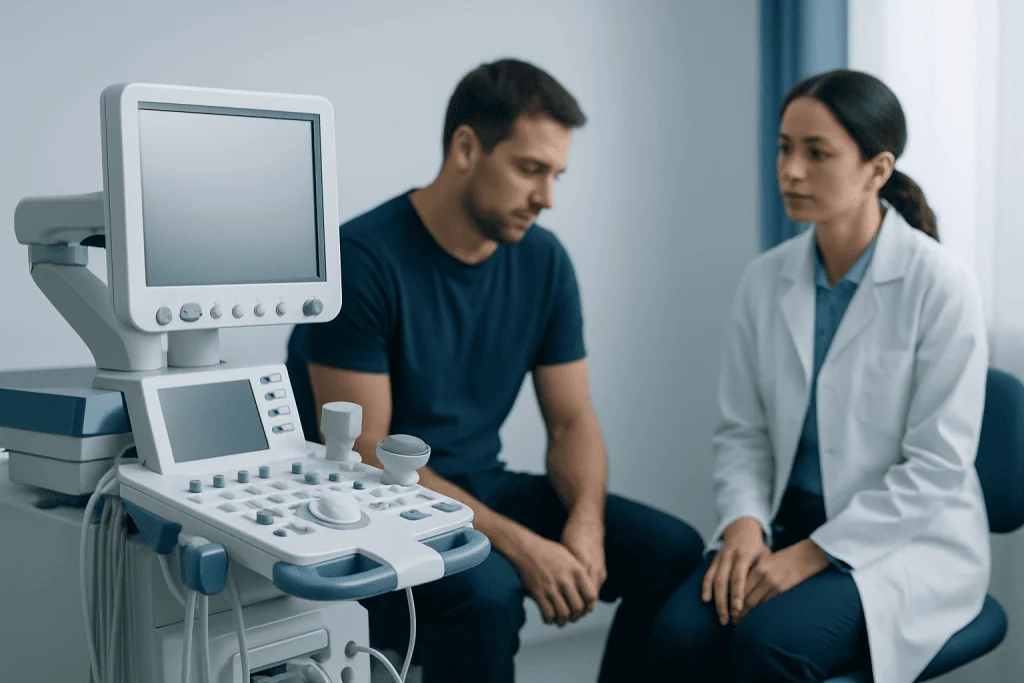
Genital herpes symptoms vary from person to person. A first outbreak may cause clusters of small blisters, shallow sores, burning, itching, or tingling around the genitals, anus, buttocks, or inner thighs. Some people also develop pain during urination, swollen lymph nodes in the groin, fever, fatigue, or body aches, especially during an initial episode.
In many cases, symptoms are subtle. A person may notice only a small crack in the skin, mild redness, tenderness, or irritation that resembles an ingrown hair, yeast infection, razor burn, or friction rash. This is one reason genital herpes can go unrecognized for a long time.
Recurrent outbreaks are often milder and shorter than the first one. Some people feel warning signs, called a prodrome, such as tingling, itching, or shooting discomfort before sores appear. Others have very infrequent recurrences or none at all after the first episode.
- Common signs include blisters, ulcers, itching, burning, and pain.
- Symptoms may affect the vulva, vagina, cervix, penis, scrotum, anus, buttocks, or nearby skin.
- Some people have no symptoms but can still transmit the virus.
- Triggers for recurrences may include illness, stress, friction, menstruation, or immune changes.
Causes, transmission, and risk factors

Genital herpes is caused by herpes simplex virus entering the body through tiny breaks in the skin or mucous membranes. HSV-2 is the more typical cause of genital infection, while HSV-1 more commonly causes oral herpes but can spread to the genital area through oral-genital contact. Once infection occurs, the virus stays in the body in an inactive state and may reactivate later.
The virus spreads mainly through direct skin-to-skin contact during vaginal, anal, or oral sex. Transmission is more likely when sores are present, but it can also happen when the skin looks normal because of asymptomatic viral shedding. Condoms and dental dams reduce risk but do not remove it completely because uncovered skin can still carry the virus.
Risk can be higher in people with a new sexual partner, multiple partners, a partner known to have herpes, or inconsistent barrier protection use. The infection may also be more concerning in pregnancy or in people with weakened immune systems, as complications can be more likely and treatment decisions may differ.
People sometimes confuse genital herpes with other conditions that can cause genital sores or irritation. These may include fungal infections, contact dermatitis, folliculitis, and other sexually transmitted infections. A proper evaluation is important because appearance alone cannot always distinguish genital warts or other genital conditions from herpes.
How genital herpes is diagnosed
Diagnosis begins with a medical history and physical examination. A clinician will ask about symptoms, timing, sexual exposures, prior outbreaks, and whether a partner has herpes. If sores or blisters are present, this is the best time for testing because samples taken directly from a lesion can identify the virus more accurately.
A swab test from an active sore, often using a molecular method such as PCR, is commonly used to confirm herpes simplex virus and sometimes determine whether it is HSV-1 or HSV-2. Blood tests that look for antibodies may be useful in selected situations, such as when a person has a partner with herpes or has recurrent symptoms without visible sores. However, blood tests do not show exactly when the infection was acquired and may not be needed for everyone.
Because genital symptoms can overlap with many other conditions, clinicians may also consider tests for other sexually transmitted infections. If symptoms are complex or diagnosis is uncertain, referral for check-up and screening may help provide a fuller sexual health assessment and guide care safely.
Treatment and long-term management
There is no treatment that removes herpes simplex virus from the body permanently, but antiviral medicines can be very effective. They may shorten the length of an outbreak, reduce pain, help sores heal faster, and lower the frequency of recurrences. Treatment is often especially helpful during a first episode, which can be more intense than later outbreaks.
Some people take antiviral treatment only when symptoms begin. This is often called episodic therapy and may work best when started early, ideally at the first sign of tingling, burning, or itching. Others, especially those with frequent outbreaks or concerns about transmission to a partner, may benefit from daily suppressive therapy. A doctor can advise which approach is most appropriate.
Supportive self-care also matters. Keeping the area clean and dry, wearing loose cotton underwear, avoiding friction, and using simple pain-relief strategies recommended by a clinician can improve comfort during an outbreak. Sexual contact should be avoided while sores or warning symptoms are present.
If symptoms are severe, prolonged, or complicated, a specialist may recommend broader evaluation. In some settings, care is coordinated through departments that manage infectious diseases or related genital health concerns. Treatment plans may also address emotional wellbeing, since diagnosis can affect relationships, self-image, and anxiety levels even when physical symptoms are mild.
Prevention, relationships, and self-care
Prevention focuses on lowering transmission risk rather than eliminating risk completely. Using condoms or dental dams consistently, avoiding sex during outbreaks or prodromal symptoms, and considering suppressive antiviral therapy can all reduce the chance of passing genital herpes to a partner. Open communication between partners is an important part of safer sex and shared decision-making.
People with genital herpes often worry about intimacy, future relationships, and whether they can have a healthy sex life. In many cases, they can. Understanding the condition, recognizing early symptoms, and discussing prevention strategies with a healthcare professional can help a person feel more informed and more confident.
General self-care may also reduce discomfort or recurrences for some individuals. Helpful measures can include good sleep, stress management, avoiding irritants such as heavily fragranced products in the genital area, and seeking care for any symptoms that do not follow the usual pattern. If other urinary or pelvic symptoms are present, assessment may also involve services related to urology or gynecologic care, depending on the individual situation.
When to seek medical care
Medical care should be sought for a first episode of genital sores, especially if there is pain, fever, difficulty urinating, or uncertainty about the cause. A prompt examination is useful because testing works best when sores are fresh, and early treatment can improve comfort and recovery.
A doctor should also be contacted if outbreaks become frequent, symptoms are severe, sores do not heal as expected, or a person has a weakened immune system. Pregnant individuals with possible genital herpes should inform their obstetric team as early as possible because management near delivery may need special planning to reduce risk to the baby.
Urgent medical advice is important if there is trouble passing urine, severe headache, neck stiffness, widespread rash, eye symptoms, or intense pain. These problems are uncommon but deserve timely evaluation. Near the end of the care pathway, patients who need specialist support may choose centers such as Acibadem International, where multidisciplinary specialists in JCI-accredited hospitals diagnose and treat genital herpes and related conditions for international patients.
Frequently asked questions
Can genital herpes be cured completely?
Genital herpes cannot currently be cured in the sense of removing the virus from the body permanently. However, antiviral medicines can control symptoms, shorten outbreaks, and reduce the risk of passing the virus to others.
Can someone spread genital herpes without having sores?
Yes. The virus can sometimes be shed from the skin even when there are no visible blisters or ulcers. This is why genital herpes can be transmitted by a person who feels completely well.
Is genital herpes always painful?
No. Some people have painful sores, while others have only mild irritation or no symptoms at all. The first outbreak is often more noticeable than later recurrences, but experiences vary widely.
How is genital herpes different from genital warts?
Genital herpes is caused by herpes simplex virus and usually causes blisters, sores, burning, or tingling. Genital warts are caused by certain types of human papillomavirus and typically appear as soft growths or bumps rather than painful ulcers.
Should a person tell a partner if they have genital herpes?
Yes, open communication is important. Sharing this information allows partners to discuss testing, condom use, avoiding sex during outbreaks, and whether suppressive treatment may help lower transmission risk.
Can pregnancy be affected by genital herpes?
It can be relevant during pregnancy, especially if infection occurs for the first time late in pregnancy or if active lesions are present near delivery. Pregnant individuals should speak with their obstetric clinician so that monitoring and delivery planning can be tailored appropriately.
References
- World Health Organization
- Centers for Disease Control and Prevention
- American College of Obstetricians and Gynecologists
- National Health Service
- Mayo Clinic
This article is for general information only and is not a substitute for professional medical advice. Please consult a qualified doctor about your individual situation.
Explore treatments in Turkey — costs, top hospitals & a free quote
JCI-accredited · board-certified surgeons · reply within 24h
Add us as a Preferred Source to see more of our trusted health content across Google Search, AI Overviews and Discover.