

Genital Warts: A Complete Medical Overview

Genital warts are caused by specific low-risk types of HPV, most often HPV 6 and 11. They may appear as small bumps, flat lesions, or cauliflower-like clusters, but some people have no symptoms.
Key Takeaways
- Genital warts are caused by specific low-risk types of HPV, most often HPV 6 and 11.
- They may appear as small bumps, flat lesions, or cauliflower-like clusters, but some people have no symptoms.
- Treatment can remove visible warts, although it may not completely eliminate the underlying HPV infection.
- HPV vaccination, condom use, and regular medical care can help lower the risk of genital warts and related infections.
- A doctor should assess any new genital bumps, irritation, or persistent skin changes to confirm the diagnosis.
Genital warts are soft growths on or around the genitals or anus caused by certain types of human papillomavirus (HPV). They are common, treatable, and often diagnosed with a clinical examination, but the virus can remain in the body even after visible warts are removed.
Overview: What genital warts are
Genital warts are small skin growths that develop in the genital or anal area after infection with certain types of human papillomavirus, or HPV. They are one of the most common sexually transmitted infections. In many cases, they are harmless from an oncologic standpoint because they are usually linked to low-risk HPV types, but they can still cause discomfort, anxiety, and concern about sexual health.
These warts may affect the vulva, vagina, cervix, penis, scrotum, groin, anus, or nearby skin. Some are easy to see, while others are very small or located internally. A person may notice a single bump, a cluster of bumps, or no obvious lesion at all until a clinician identifies them during an examination.
Genital warts are different from conditions such as genital herpes, skin tags, molluscum contagiosum, or other causes of genital lesions. Because several conditions can look similar, a professional assessment is important. Although the appearance of warts can be distressing, many people respond well to treatment and can manage the condition with appropriate follow-up.
Symptoms and how they can appear
Genital warts can vary in size, number, and shape. They may be flesh-colored, pink, white, or slightly darker than the surrounding skin. Some are raised and rough, while others are smooth or flat. The classic description is a cauliflower-like surface, but many cases look much more subtle.
Symptoms are not always present. Some people only notice tiny bumps, while others experience itching, irritation, a feeling of moisture, or mild discomfort during sexual activity. Warts in the anal area may also cause irritation or minor bleeding, especially if the skin becomes inflamed.
Common features may include:
- Small bumps on the penis, vulva, scrotum, or around the anus
- Clusters of lesions that appear together
- Itching or burning in the affected area
- Discomfort during sex
- Occasional spotting or irritation if lesions are internal
Not every genital bump is a wart, and not every HPV infection causes visible lesions. Some people carry HPV without symptoms and may not know they have been exposed. This is one reason why medical evaluation and safer sex practices remain important even when no visible changes are present.
Causes, transmission, and risk factors
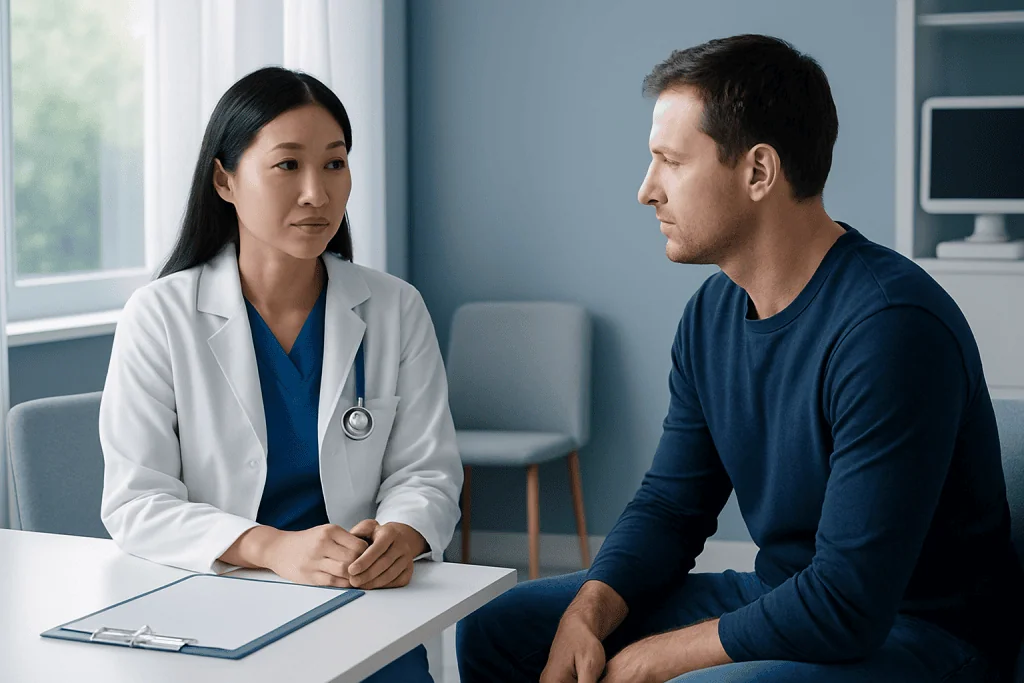
Genital warts are caused by HPV, most commonly types 6 and 11. These are considered low-risk types because they are not the HPV strains most strongly associated with cancer. HPV spreads through close skin-to-skin sexual contact, including vaginal, anal, and sometimes oral sexual contact. Penetration is not required for transmission.
After exposure, the virus may remain inactive for weeks, months, or even longer before visible warts develop. This delay can make it difficult to know when or from whom the infection was acquired. HPV is very common, and having genital warts does not necessarily indicate recent exposure or infidelity.
Risk factors that can make infection or visible warts more likely include:
- Having new or multiple sexual partners
- Sex without barrier protection
- A history of other sexually transmitted infections
- A weakened immune system, such as from illness or certain medications
- Smoking, which may affect local immune response
- Not receiving the HPV vaccine
It is also important to remember that condoms can reduce risk but do not fully prevent HPV transmission because nearby uncovered skin can still carry the virus. Even so, barrier methods remain a useful part of prevention and sexual health protection.
How genital warts are diagnosed
Diagnosis usually begins with a medical history and a physical examination. In many cases, an experienced clinician can identify genital warts based on their appearance and location. The exam may include inspection of the external genital skin and, when appropriate, evaluation of the anal region or internal areas such as the vagina or cervix.
Additional testing is sometimes needed if the diagnosis is unclear, the lesions are unusual, or the person has risk factors for other conditions. A biopsy may be recommended if the growths are pigmented, ulcerated, firm, not responding to standard treatment, or causing uncertainty about whether they are truly warts.
HPV testing is not generally used to diagnose visible genital warts. In people with a cervix, cervical screening remains important because the HPV types that cause visible warts are often different from the high-risk HPV types linked to cervical cell changes. A clinician may also consider assessment for other infections if symptoms overlap with conditions such as sexually transmitted diseases.
Because lesions in the genital area can have several causes, self-diagnosis is not reliable. A doctor can distinguish genital warts from other conditions and advise whether treatment is necessary right away or whether watchful follow-up is reasonable.
Treatment options and what to expect
Treatment for genital warts focuses on removing visible lesions, relieving symptoms, and improving comfort. Some small warts may go away on their own over time, but many people choose treatment because of irritation, cosmetic concerns, or the location of the growths. The best approach depends on the number of warts, their size, where they are located, and the person’s general health.
Common treatment options include prescription topical therapies applied by the patient or by a clinician, cryotherapy to freeze the wart tissue, cautery or laser-based destruction, and surgical removal for larger or resistant lesions. In selected cases, a specialist may recommend laser treatment or a minor surgical treatment approach when lesions are extensive, difficult to reach, or recurrent.
No treatment can guarantee that HPV has been fully cleared from the body, so recurrence can happen, especially in the first months after treatment. Follow-up is important to monitor healing and identify any new lesions early. Self-treatment with over-the-counter wart products designed for hands or feet should be avoided because these are not meant for sensitive genital skin and may cause injury.
If genital lesions are related to another skin or gynecologic condition, management may differ. In cases where internal lesions need closer assessment, doctors may use advanced imaging or endoscopic techniques depending on the site involved. Treatment decisions are individualized, and a clinician can help balance effectiveness, side effects, and comfort.
Prevention, sexual health, and self-care
The most effective prevention strategy is HPV vaccination. The vaccine helps protect against the HPV types most commonly associated with genital warts as well as several high-risk cancer-related types. Vaccination is most effective before exposure to HPV, but some adults may still benefit depending on age, health history, and risk factors.
Barrier protection, including condoms and dental dams, can lower transmission risk, although they do not provide complete protection. Limiting the number of sexual partners, avoiding sexual contact when visible lesions are present, and discussing sexual health openly with partners can also help reduce spread.
Self-care during and after treatment includes keeping the area clean and dry, avoiding friction or shaving over irritated lesions, and following the treatment plan exactly as prescribed. People should not pick, cut, or attempt to burn off genital warts at home. If discomfort is present, a doctor can recommend safe ways to soothe the skin.
Routine health care matters as well. People with a cervix should continue recommended cervical screening. Depending on symptoms and history, a doctor may also advise assessment by specialists in dermatology, gynecology, or urology. When needed, related supportive care such as dermatology care can help evaluate persistent or atypical skin changes.
When to seek medical care
A person should seek medical care if they notice new bumps, rough patches, itching, bleeding, or persistent irritation in the genital or anal area. Medical review is also important if lesions are growing, changing color, becoming painful, or returning after treatment. Prompt assessment helps confirm the diagnosis and rule out other conditions that may require different care.
It is especially important to speak with a doctor during pregnancy, if the immune system is weakened, or if there is concern about sexually transmitted infections in general. Anyone with internal symptoms, such as vaginal bleeding after intercourse or discomfort in the anal canal, should also be evaluated rather than assuming the cause is a wart.
People often feel embarrassed about symptoms in this area, but genital warts are a common medical issue and clinicians are used to assessing them respectfully. A calm, informed discussion can help clarify treatment options, sexual health considerations, and whether partner evaluation is appropriate.
For international patients who need evaluation or treatment, Acibadem International’s multidisciplinary specialists in JCI-accredited hospitals diagnose and manage genital warts and related conditions with individualized care.
Frequently asked questions
Are genital warts the same as HPV?
Genital warts are a symptom caused by certain types of HPV, not the virus itself. Many people with HPV never develop visible warts, and different HPV types can cause different health effects.
Can genital warts go away on their own?
Yes, some genital warts may shrink or disappear without treatment as the immune system suppresses the virus. However, others persist, grow, or recur, so a medical evaluation is still a good idea.
Do genital warts mean cancer?
Usually no. Genital warts are most often caused by low-risk HPV types, especially types 6 and 11, which are not the same strains most strongly linked to cancer. Even so, routine screening such as cervical screening remains important when recommended.
Can someone spread genital warts even if no warts are visible?
Yes. HPV can sometimes be transmitted even when there are no visible lesions because the virus may still be present on the skin. This is why vaccination and barrier protection are helpful preventive measures.
Should sexual partners be treated too?
Partners do not always need treatment unless they also have visible lesions or symptoms. Still, partners may benefit from a medical check, sexual health counseling, and discussion of HPV vaccination.
Can over-the-counter wart removers be used for genital warts?
No. Products made for common warts on hands or feet can damage delicate genital skin and should not be used in this area. A doctor can recommend safer and more appropriate treatment options.
This article is for general information only and is not a substitute for professional medical advice. Please consult a qualified doctor about your individual situation.
Genital Warts in Turkey — costs, top hospitals & a free quote
JCI-accredited · board-certified surgeons · reply within 24h
Add us as a Preferred Source to see more of our trusted health content across Google Search, AI Overviews and Discover.

Gynecology & Obstetrics
Women’s health across pregnancy, gynecologic surgery and high-risk pregnancy care.
186 specialists in this unitMore from the Health Library

Apron Belly: An Evidence-Based Guide for Patients

Pickle Juice for Cramps: What Patients Need to Know

General Health Checkup: What Tests Are Usually Included?

Mary Kirk Md Tulsa: A Complete Medical Overview

Neuroleptics and Atypical Antipsychotics: An Evidence-Based Guide for Patients

Understanding Cyst Tummy and Abdominal Swelling
Gynecology & Obstetrics Specialists at Acibadem

Assoc. Prof. Dr. Engin Çelik
Gynecology & Obstetrics
Prof. Dr. Engin Oral (m)
Gynecology & Obstetrics
Dr. A. Ezgi Sancaklı
Gynecology & Obstetrics
Prof. Dr. A. Taner Usta
Gynecology & Obstetrics