Geriatric Neurologist Consultation: How to Prepare and What to Bring
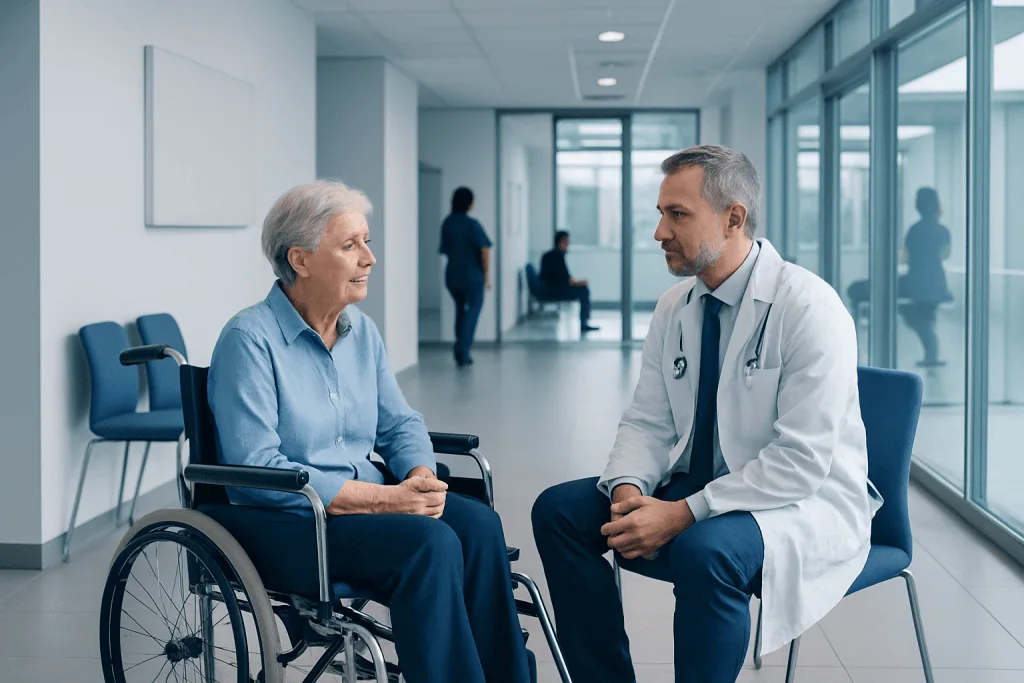
Bringing a complete medication list, prior test results, and symptom notes can make a neurology consultation more useful. A family member or caregiver often provides important observations about memory, behavior, walking, and daily functioning.
Key Takeaways
- Bringing a complete medication list, prior test results, and symptom notes can make a neurology consultation more useful.
- A family member or caregiver often provides important observations about memory, behavior, walking, and daily functioning.
- Doctors may ask about symptom timing, medical history, falls, sleep, mood, and independence with everyday activities.
- Comfortable clothing, glasses, hearing aids, and mobility devices can help the exam go smoothly.
- Writing down questions in advance helps patients and families discuss diagnosis, treatment options, and next steps clearly.
A geriatric neurologist consultation helps evaluate memory changes, movement symptoms, balance problems, tremor, neuropathy, sleep concerns, and other nervous system issues in older adults. Good preparation can make the visit more efficient, improve communication, and help the specialist understand how symptoms affect daily life.
Overview: What a Geriatric Neurologist Consultation Is
A geriatric neurologist consultation is a specialist visit focused on nervous system concerns in older adults. These concerns may include memory loss, confusion, tremor, slower walking, balance problems, numbness, weakness, sleep changes, dizziness, or episodes such as fainting or sudden changes in thinking. The doctor looks at symptoms in the context of aging, other medical conditions, medications, and day-to-day function.
Unlike a brief routine checkup, this type of consultation often involves a detailed conversation and a careful neurological examination. The goal is not only to name a condition, but also to understand how symptoms began, how they have changed over time, and how they affect independence, safety, and quality of life.
Preparation matters because many neurological symptoms are subtle, come and go, or are hard to describe during a short visit. Bringing clear information helps the doctor identify patterns, avoid unnecessary repetition, and decide whether more testing or treatment is needed. It also gives patients and caregivers a better chance to ask questions and understand the plan.
When This Consultation May Be Recommended

A primary care doctor, geriatrician, or another specialist may recommend a geriatric neurologist consultation when symptoms suggest a disorder of the brain, spinal cord, nerves, or muscles. Common reasons include memory decline, concerns about dementia, repeated falls, new tremor, walking changes, stroke recovery, chronic headaches, seizures, neuropathy, or unexplained weakness.
Sometimes the consultation is requested when symptoms are mild but persistent. For example, an older adult may still manage daily life but have increasing forgetfulness, trouble finding words, getting lost in familiar places, or changes in judgment. In other cases, the reason is more physical, such as stiffness, shaking, slowness, or painful tingling in the feet.
The visit may also help review a known diagnosis and adjust care over time. Conditions such as Alzheimer’s disease, Parkinson’s disease, and stroke often need regular follow-up because symptoms, medications, rehabilitation needs, and safety concerns can change. A specialist can help coordinate evaluation and long-term management with the patient’s wider care team.
How to Prepare Before the Appointment

Preparation usually starts several days before the visit. Patients and families can write down the main reason for the consultation and the top concerns they want addressed. It helps to note when symptoms started, whether they appeared suddenly or gradually, what makes them better or worse, and how often they occur. A short timeline is often easier for the doctor to review than trying to remember details during the appointment.
Keeping examples can be very helpful. Instead of saying “memory is worse,” a family member might note missed bills, repeated questions, getting lost on familiar routes, medication mix-ups, or changes in cooking and shopping. For movement symptoms, examples might include shuffling, freezing, hand tremor, slower dressing, falls, or trouble rising from a chair.
If possible, patients should gather previous records before the visit. These may include clinic notes, hospital discharge summaries, brain scans, spine imaging, blood test results, neuropsychology reports, and prior nerve studies. Even if not every record is available, bringing the most relevant recent information can reduce duplication and speed up decision-making.
It is also wise to think about practical needs for the day of the visit. Patients should allow enough travel time, bring any mobility aid they normally use, and wear comfortable clothing that allows easy movement for the physical exam. Having a list of questions ready can help make sure important concerns are not forgotten.
What to Bring to the Consultation
The most important item to bring is a complete, up-to-date medication list. This should include prescription medicines, over-the-counter products, vitamins, herbal supplements, eye drops, and as-needed medications. If a list is not available, bringing the medicine boxes or bottles can help. Medication details matter because some drugs can affect memory, balance, sleep, blood pressure, or alertness.
Patients should also bring identification, insurance or payment documents if applicable, and contact information for other doctors involved in care. Prior test reports are useful, especially MRI or CT scans, EEG reports, EMG or nerve conduction studies, blood tests, and cognitive testing results. If imaging was performed elsewhere, some clinics may ask for the actual images on disc as well as the written report.
Everyday aids should not be forgotten. Glasses, hearing aids, dentures, and walking devices can affect communication and the exam. A notebook, phone notes, or printed symptom diary may help the patient or caregiver answer questions more accurately. If episodes such as shaking, staring spells, abnormal movements, or gait freezing were captured safely on video, the doctor may find these brief recordings informative.
A companion is often one of the most valuable things to bring. A spouse, adult child, trusted friend, or caregiver can share observations, help remember instructions, and support the patient during discussions about diagnosis and treatment. This can be especially important when there are concerns about memory, confusion, or communication difficulties.
What Happens During the Visit
The consultation usually begins with a detailed medical history. The neurologist may ask about the current problem, when it started, how it has progressed, and whether there are triggers or warning signs. Questions often cover falls, sleep, mood, bladder function, pain, headaches, fainting, vision changes, speech problems, and any impact on work, hobbies, driving, cooking, finances, or self-care.
A physical and neurological examination follows. This may include checking strength, muscle tone, reflexes, sensation, coordination, eye movements, facial movement, speech, walking, and balance. The doctor may also assess thinking skills with short tasks involving memory, attention, language, and orientation. These tests are not meant to be stressful; they are used to understand which parts of the nervous system may be affected.
Depending on the findings, the neurologist may recommend further evaluation. This can include blood tests, brain imaging, sleep studies, cognitive assessment, or nerve testing. Some patients may be referred for EMG testing, EEG evaluation, or MRI imaging when symptoms suggest a specific neurological cause.
By the end of the visit, the doctor may be able to give a diagnosis, a working diagnosis, or a list of possible causes that need more investigation. Treatment may start right away, or it may be safer to wait until additional information is available. Either way, patients should leave with a clear idea of the next steps.
Questions to Ask the Geriatric Neurologist
Many people feel overwhelmed during a specialist appointment, so preparing questions in advance can be helpful. A few focused questions often make the discussion more useful than trying to ask everything at once. The patient or caregiver can bring a written list and add notes during the visit.
Useful topics may include diagnosis, testing, treatment choices, safety, and follow-up. For example, patients may ask what conditions are being considered, whether symptoms could be caused by medication side effects, what tests are needed, and what warning signs should prompt urgent medical attention. If there is a likely diagnosis, it is reasonable to ask what changes to expect over time and how progress will be monitored.
Questions about daily life are equally important. Families may wish to ask about driving, fall prevention, exercise, sleep, nutrition, caregiver support, and whether physical, occupational, or speech therapy may help. In some cases, the doctor may recommend physical therapy and rehabilitation as part of a broader plan to improve mobility, balance, and function.
- What is the most likely cause of these symptoms?
- Are any medications contributing to memory, balance, or sleep problems?
- What tests are needed, and what will they show?
- What treatment options are available now?
- What should the family watch for at home?
- When should the next follow-up be scheduled?
After the Appointment: Follow-Through and Self-Care
After the consultation, it helps to review the plan as soon as possible. Patients and caregivers can organize any new prescriptions, testing appointments, referrals, and home recommendations in one place. If instructions were unclear, contacting the clinic for clarification is better than guessing. A simple folder or digital note can make future visits easier.
Following through on the agreed plan is an important part of care. This may involve starting medication, scheduling tests, arranging therapy, improving sleep habits, using fall-prevention measures, or monitoring blood pressure and blood sugar if advised by the care team. If symptoms change, keeping an updated diary can help the neurologist judge whether treatment is helping.
Self-care often focuses on safety and routine. Regular sleep, hydration, physical activity suited to the person’s ability, hearing and vision correction, and careful medication management can all support brain and nerve health. Caregivers should also pay attention to their own wellbeing and seek help when the demands of care become difficult.
For international patients seeking specialist assessment, Acibadem International’s multidisciplinary teams and JCI-accredited hospitals provide diagnosis and treatment planning for neurological conditions in older adults. Coordinated care may be especially helpful when symptoms involve memory, movement, imaging, rehabilitation, and multiple medical conditions at the same time.
When to Seek Urgent Medical Attention
Most geriatric neurology concerns can be evaluated through a scheduled consultation, but some symptoms need urgent care. Sudden weakness on one side, facial drooping, new trouble speaking, sudden confusion, a severe new headache, loss of vision, a seizure, or sudden inability to walk should be treated as emergencies. In these situations, emergency medical services should be contacted immediately rather than waiting for an office appointment.
Urgent assessment is also important after a serious fall, a head injury, fainting with injury, new hallucinations with severe agitation, rapidly worsening confusion, or sudden severe dizziness with neurological symptoms. Severe medication side effects, dehydration, or infection can sometimes mimic or worsen neurological illness in older adults.
If symptoms are not emergency-level but are worsening over days to weeks, the patient should contact the referring doctor or neurology clinic promptly. Early review may help prevent complications and may allow treatment to begin sooner. When in doubt, a qualified doctor can advise whether symptoms are best managed urgently, routinely, or in the emergency setting.
Frequently asked questions
How long does a geriatric neurologist consultation usually take?
The length varies by clinic and by the complexity of symptoms, but first visits are often longer than routine follow-ups. More time may be needed when there are memory concerns, multiple medications, several past medical problems, or a need to review outside records and imaging.
Should a family member or caregiver come to the appointment?
Yes, this is often very helpful, especially when there are concerns about memory, behavior, falls, or communication. A companion can provide examples of symptoms, help remember instructions, and support shared decision-making.
What if the patient feels fine but the family is worried?
That situation is common in neurology, particularly with memory and behavior changes. It is still worth attending the consultation, because the doctor can compare the patient’s perspective with family observations, perform an exam, and decide whether further evaluation is needed.
Do patients need to stop taking medications before the visit?
In most cases, patients should continue medications as prescribed unless a doctor has given specific instructions to do otherwise. Stopping medicines without guidance can be unsafe, so it is better to bring a full list and discuss concerns during the appointment.
Will testing be done on the same day?
Sometimes simple assessments can be done during the visit, such as parts of a cognitive or neurological exam. More specialized tests like MRI, EEG, EMG, or detailed neuropsychology evaluation may need to be scheduled separately.
What if no diagnosis is given at the first consultation?
That does not necessarily mean something was missed. Some neurological conditions need time, follow-up, or additional testing before a clear diagnosis can be made, and the first visit often focuses on narrowing the possibilities and making a safe plan.
References
- World Health Organization
- National Institute on Aging
- American Academy of Neurology
- Alzheimer's Association
- National Institute of Neurological Disorders and Stroke
This article is for general information only and is not a substitute for professional medical advice. Please consult a qualified doctor about your individual situation.
Explore treatments in Turkey — costs, top hospitals & a free quote
JCI-accredited · board-certified surgeons · reply within 24h
Add us as a Preferred Source to see more of our trusted health content across Google Search, AI Overviews and Discover.
Check your numbers in seconds
BMI, calories, due date, blood pressure and 30+ more clinical calculators — free, instant, doctor-reviewed ranges.

More from the Health Library



Related Specialists

Dr. Asiye Nesrin Atay
Dermatology
Assoc. Prof. Dr. Tunç Özdemir
Pediatric Surgery
Prof. Dr. Gamze Uğurluer Sümer
Radiation Oncology
Dr. Abdurrahman Yaycı
Anesthesiology