Gestational Diabetes — Explained by Medical Evidence, Not Myths

Gestational diabetes means blood sugar becomes too high during pregnancy, even in someone without known diabetes before pregnancy. Most people do not notice symptoms, which is why routine screening during pregnancy is important.
Key Takeaways
- Gestational diabetes means blood sugar becomes too high during pregnancy, even in someone without known diabetes before pregnancy.
- Most people do not notice symptoms, which is why routine screening during pregnancy is important.
- Treatment often includes nutrition changes, physical activity, blood sugar monitoring, and sometimes medication or insulin.
- Good blood sugar control supports a healthier pregnancy, labor, delivery, and newborn transition after birth.
- Gestational diabetes raises the future risk of type 2 diabetes, so follow-up testing after pregnancy matters.
Gestational diabetes is a type of high blood sugar that first appears during pregnancy, usually in the second or third trimester. It is common, treatable, and usually temporary, but careful monitoring helps lower risks for both the pregnant person and the baby.
What gestational diabetes means
Gestational diabetes is high blood sugar that is first recognized during pregnancy. It happens when the body cannot use insulin effectively enough to meet the extra metabolic demands of pregnancy. Insulin is the hormone that helps move glucose from the blood into the body’s cells for energy.
This condition usually develops in the second or third trimester, when pregnancy hormones increase insulin resistance. Many people with gestational diabetes feel completely well, so the diagnosis often comes from routine screening rather than symptoms. That is one reason myths can be misleading: a person can eat carefully, feel normal, and still develop gestational diabetes.
Medical evidence shows that gestational diabetes is not simply caused by eating sugar. It reflects a combination of pregnancy-related hormonal changes, the body’s insulin response, and individual risk factors. With timely diagnosis and a structured care plan, most people go on to have healthy pregnancies and healthy babies.
How gestational diabetes affects pregnancy
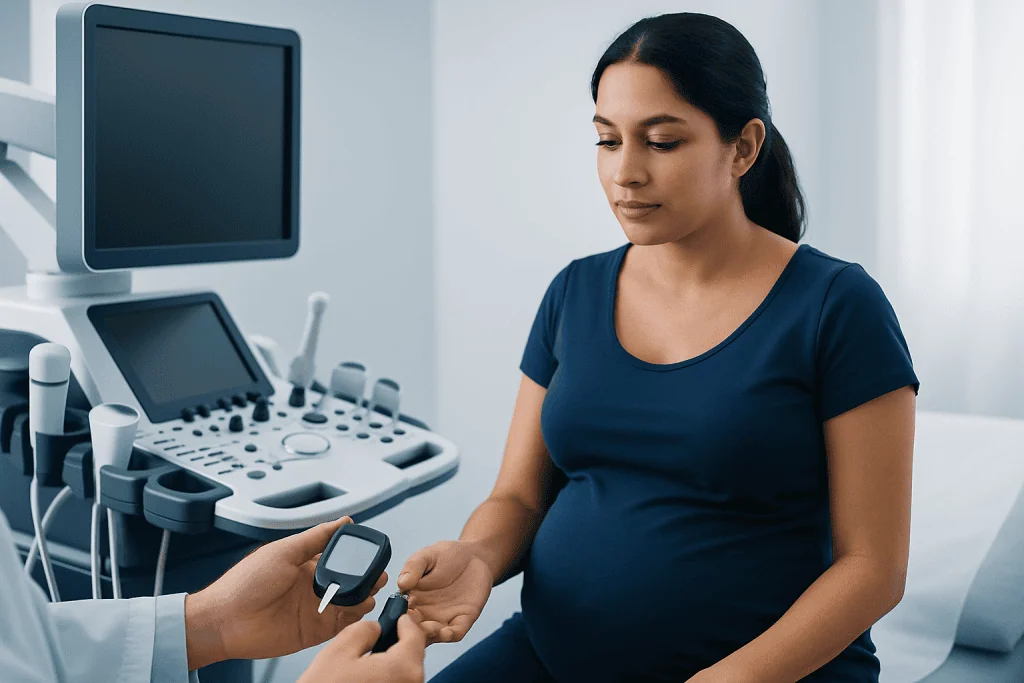
When blood sugar stays higher than recommended during pregnancy, extra glucose can cross the placenta to the baby. In response, the baby may produce more insulin. Over time, this can lead to faster growth than expected, sometimes called fetal macrosomia, which may increase the chance of a difficult delivery or birth injury.
Gestational diabetes can also be linked with other pregnancy complications, including high blood pressure, preeclampsia, and a greater likelihood of cesarean birth. For the baby, poorly controlled blood sugar may increase the risk of low blood sugar shortly after birth, jaundice, breathing adjustment problems, or being born early.
These possibilities can sound worrying, but they are risks to reduce, not outcomes to assume. Careful prenatal follow-up, healthy lifestyle measures, and treatment when needed greatly improve the outlook. If blood pressure concerns arise during pregnancy, doctors may also watch for related conditions such as preeclampsia.
Symptoms and why many people have none

Most people with gestational diabetes do not have obvious symptoms. This is one of the main reasons regular prenatal screening is recommended, even when a pregnancy feels normal. The condition may be found before it causes any noticeable changes.
When symptoms do occur, they can be subtle and may overlap with common pregnancy experiences. Possible signs include increased thirst, frequent urination, unusual tiredness, blurred vision, or more frequent infections such as urinary tract infections. However, these symptoms are not specific and can have many causes.
Because symptoms are often absent or mild, gestational diabetes should not be judged by how someone feels. A blood test is the only reliable way to diagnose it. If someone already has diabetes before pregnancy, that is managed differently from gestational diabetes and may be discussed alongside diabetes care during prenatal planning.
Why it happens and who is at higher risk
During pregnancy, the placenta produces hormones that help the baby grow but also make the parent’s cells less responsive to insulin. This natural insulin resistance becomes more noticeable as pregnancy progresses. Most bodies compensate by making more insulin, but gestational diabetes develops when that extra insulin is not enough to keep blood sugar in the target range.
Some factors increase the chance of developing gestational diabetes. These include having had gestational diabetes in a previous pregnancy, being overweight or obese before pregnancy, having a family history of type 2 diabetes, being older during pregnancy, having polycystic ovary syndrome, or having previously delivered a larger baby. Certain ethnic backgrounds are also associated with a higher risk.
Even so, risk factors do not tell the whole story. Some people with several risk factors never develop gestational diabetes, while others with no clear risk factors do. That is why evidence-based care relies on screening tests rather than assumptions or blame.
- Previous gestational diabetes
- Prediabetes or insulin resistance
- Family history of diabetes
- Higher body weight before pregnancy
- Polycystic ovary syndrome
- History of a larger baby or unexplained stillbirth
How gestational diabetes is diagnosed
Screening for gestational diabetes usually happens between 24 and 28 weeks of pregnancy, although some people are tested earlier if they have higher risk factors. The exact approach can vary by country, clinic, and individual medical history. A clinician may use a one-step oral glucose tolerance test or a two-step process involving a screening glucose challenge followed by a longer tolerance test if needed.
In these tests, blood sugar is measured after drinking a glucose-containing beverage. The pattern of blood sugar levels over time helps show whether the body is handling glucose as expected during pregnancy. A diagnosis is based on established laboratory thresholds, not symptoms alone.
After diagnosis, the next step is usually to learn how to monitor blood sugar at home and understand target ranges set by the care team. Some patients may also be referred for endocrinology and metabolic disease care if blood sugar control is difficult or if there are other hormone or metabolism concerns.
Treatment: practical steps that protect parent and baby
Treatment starts with individualized lifestyle measures. A doctor or dietitian may recommend eating regular meals, balancing carbohydrates with protein and fiber, choosing nutrient-dense foods, and avoiding large spikes in blood sugar. The goal is not a restrictive fad diet; it is a pregnancy-safe eating plan that supports growth while helping glucose stay within target ranges.
Physical activity can also improve insulin sensitivity. For many pregnant people, safe movement such as walking after meals or other doctor-approved exercise can help lower blood sugar. Home glucose monitoring provides useful feedback, showing whether diet and activity are enough or whether additional treatment is needed.
If blood sugar remains above target despite lifestyle changes, medication may be recommended. Some people need insulin during pregnancy, while others may be prescribed selected oral medicines depending on the care team’s judgment and local practice. Ongoing prenatal visits may include more frequent growth checks, fetal monitoring, and coordination with specialists in obstetrics and gynecology and, when needed, nutrition and diet support.
After birth, gestational diabetes often improves quickly because pregnancy hormone levels fall. Still, blood sugar should be rechecked after delivery, since some people continue to have abnormal glucose levels or are later found to have type 2 diabetes.
Prevention, self-care, and life after pregnancy
Gestational diabetes cannot always be prevented, but healthy habits before and during pregnancy can reduce risk and support better blood sugar control. Useful steps include regular prenatal care, balanced nutrition, doctor-approved physical activity, and following screening recommendations on time. These steps are helpful whether or not risk factors are present.
For people who have been diagnosed, self-care usually centers on consistency rather than perfection. Checking blood sugar as advised, eating meals at regular times, staying active within pregnancy safety guidance, and attending follow-up visits can make treatment more effective and less stressful. It is also helpful to ask for support from a dietitian, diabetes educator, or obstetric team.
Gestational diabetes is an important signal for future health. A history of the condition raises the chance of developing type 2 diabetes later in life. Postpartum glucose testing, long-term checkups, weight management, and healthy lifestyle habits remain important after the baby is born. Near the end of care planning, some international patients may choose centers such as Acibadem International, where multidisciplinary specialists in JCI-accredited hospitals diagnose and manage pregnancy-related metabolic conditions.
When to seek medical care
Anyone who is pregnant should attend regular prenatal visits and complete recommended glucose screening, even if they feel well. Prompt medical advice is especially important if there is unusual thirst, frequent urination beyond expected pregnancy changes, blurry vision, repeated infections, or concerns about fetal growth or movement. These symptoms do not always mean gestational diabetes, but they deserve professional assessment.
Someone already diagnosed with gestational diabetes should contact their care team if home blood sugar readings are repeatedly above target, if they cannot keep food or fluids down, or if they are unsure how to manage their plan. Urgent evaluation is also important for warning signs such as severe headache, significant swelling, chest pain, shortness of breath, vaginal bleeding, painful contractions, or reduced fetal movement.
It is safest not to self-diagnose or self-treat. Pregnancy care works best when blood sugar, nutrition, fetal growth, and overall maternal health are reviewed together by qualified clinicians.
Frequently asked questions
Is gestational diabetes the same as having diabetes before pregnancy?
No. Gestational diabetes is first recognized during pregnancy, while preexisting diabetes was present before conception, even if it had not yet been diagnosed. The monitoring and treatment goals may overlap, but the medical context is different.
Can gestational diabetes go away after delivery?
In many cases, yes. Blood sugar often returns to normal after the placenta is delivered and pregnancy hormone levels drop. However, follow-up testing is still important because some people continue to have abnormal glucose levels or later develop type 2 diabetes.
Will gestational diabetes harm the baby?
It can increase certain risks if blood sugar is not well controlled, but effective treatment greatly improves outcomes. Regular prenatal care, blood sugar monitoring, and timely treatment help protect both parent and baby throughout pregnancy and after birth.
Does eating sugar cause gestational diabetes?
Not by itself. Gestational diabetes develops mainly because pregnancy hormones increase insulin resistance, and the body cannot fully compensate. Food choices still matter for management, but the condition is not simply a result of eating sweets.
If there are no symptoms, why is screening necessary?
Most people with gestational diabetes feel normal and have no clear warning signs. Screening finds elevated blood sugar early, before it leads to avoidable complications. That allows treatment to begin at the right time.
Will everyone with gestational diabetes need insulin?
No. Many people can manage it with nutrition changes, physical activity, and blood sugar monitoring alone. Insulin or other medication is considered when lifestyle measures are not enough to keep blood sugar within the target range set by the care team.
References
- American Diabetes Association
- Centers for Disease Control and Prevention
- National Institute of Diabetes and Digestive and Kidney Diseases
- American College of Obstetricians and Gynecologists
- World Health Organization
This article is for general information only and is not a substitute for professional medical advice. Please consult a qualified doctor about your individual situation.
Gestational Diabetes in Turkey — costs, top hospitals & a free quote
JCI-accredited · board-certified surgeons · reply within 24h
Add us as a Preferred Source to see more of our trusted health content across Google Search, AI Overviews and Discover.
Check your numbers in seconds
BMI, calories, due date, blood pressure and 30+ more clinical calculators — free, instant, doctor-reviewed ranges.

IVF & Reproductive Health
Assisted reproduction and fertility treatments tailored to each couple.