Get Fat Now: A Complete Medical Overview

Healthy weight gain is usually gradual and combines extra calories with protein, nutritious foods, and resistance exercise. Fast weight gain through highly processed foods, supplements, or unsafe medicines can worsen health and may not address the reason for low weight.
Key Takeaways
- Healthy weight gain is usually gradual and combines extra calories with protein, nutritious foods, and resistance exercise.
- Fast weight gain through highly processed foods, supplements, or unsafe medicines can worsen health and may not address the reason for low weight.
- Low weight can result from normal body variation, inadequate intake, digestive conditions, hormone disorders, mental health concerns, or other medical causes.
- Unexpected weight loss or difficulty gaining weight deserves medical assessment rather than self-treatment alone.
- A personalized plan from a doctor and registered dietitian can help people gain weight safely and sustainably.
For someone searching “get fat now,” the safest approach is not rapid fat gain but gradual, nourishing weight restoration that supports muscle, energy, and overall health. A clinician should assess unintentional low weight or weight loss, especially when it is new, persistent, or accompanied by other symptoms.
What Does “Get Fat Now” Mean for Health?
People who search for “get fat now” may want to look fuller, recover weight after illness, improve athletic performance, or address being underweight. While weight can increase quickly when calorie intake rises, deliberately trying to gain a large amount of body fat in a short time is not usually the healthiest or most reliable goal. A safer aim is gradual weight gain that includes muscle, adequate nutrition, and treatment of any underlying health concern.
Body size alone does not define health. Some people are naturally lean and feel well, have stable weight, eat adequately, and have no concerning symptoms. However, being underweight, losing weight without trying, having low energy, or being unable to meet nutritional needs can affect bone health, immunity, fertility, wound healing, and day-to-day wellbeing. The right plan depends on the person’s age, medical history, appetite, activity level, and reason for wanting to gain weight.
Weight gain should be approached as nutrition and health support rather than simply adding calories. A doctor can help determine whether weight is low for the individual and whether screening for unexplained weight loss or other causes is appropriate.
How Healthy Weight Gain Works
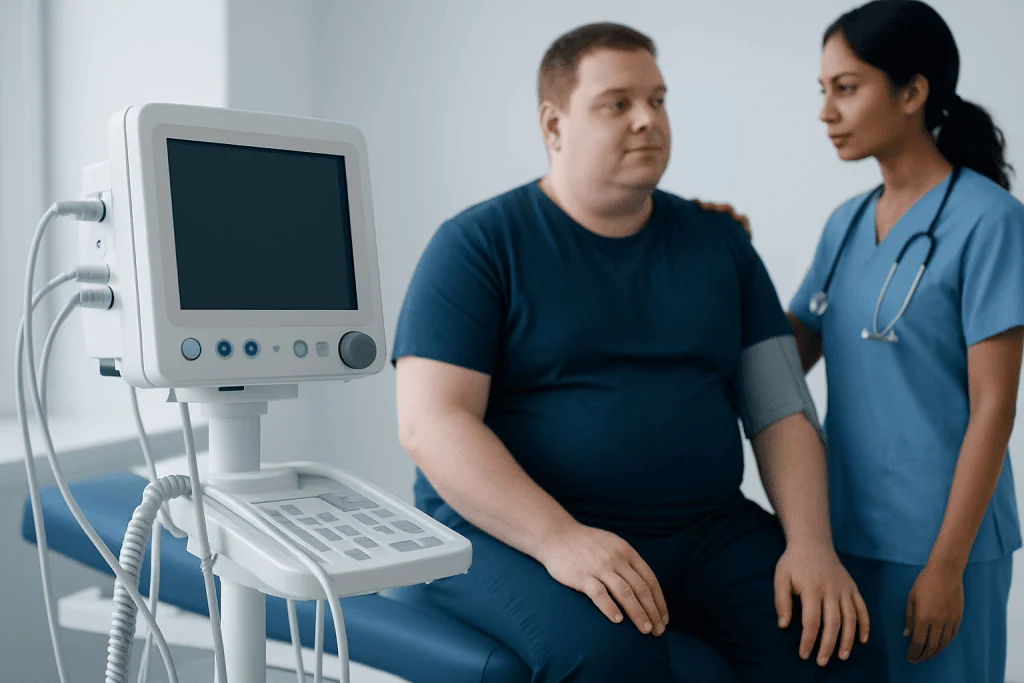
Body weight changes when a person regularly consumes more energy than their body uses. However, the composition of that gain matters. Eating sufficient protein and doing resistance-based exercise can help support lean muscle tissue, while meals that include healthy fats, carbohydrates, vitamins, and minerals provide energy and nutritional value.
A gradual increase is often easier on digestion and more sustainable than suddenly forcing very large meals. Adding snacks, enriching existing meals, and choosing calorie-dense whole foods can increase intake without requiring an uncomfortable amount of food. For people recovering from illness, surgery, or prolonged poor appetite, nutrition needs may be more specific and should be guided by a healthcare professional.
Weight changes can also reflect fluid shifts, constipation, menstrual-cycle changes, or changes in glycogen stores rather than body fat. These short-term fluctuations are normal and are not a dependable measure of nutritional recovery. Looking at trends over several weeks, along with strength, appetite, energy, and symptoms, gives a more useful picture.
Practical Ways to Gain Weight Safely

People who need to gain weight can begin by eating regularly, such as three meals and two or three snacks each day. Meals can be made more energy-dense by adding foods such as olive oil, avocado, nut or seed butters, cheese, yogurt, eggs, beans, fish, poultry, whole grains, and dried fruit. Smoothies made with milk or fortified alternatives, yogurt, fruit, oats, and nut butter may be helpful when appetite is limited.
Protein should be included throughout the day because it supports muscle maintenance and recovery. Examples include dairy products, eggs, lean meats, fish, tofu, lentils, chickpeas, nuts, seeds, and soy foods. Carbohydrate-containing foods such as potatoes, rice, pasta, bread, oats, and fruit can add energy, while vegetables and fruits help provide fiber and micronutrients.
- Choose nourishing extras, such as adding cheese to eggs, olive oil to vegetables, or nut butter to toast and oatmeal.
- Drink calorie-containing beverages between meals if liquids do not reduce appetite at mealtimes.
- Keep convenient snacks available, including trail mix, yogurt, sandwiches, hummus with crackers, or milk-based drinks.
- Plan meals around the time of day when appetite is strongest.
- Consider a dietitian’s advice before using commercial nutrition drinks or supplements regularly.
Relying mainly on sweets, fried foods, alcohol, or sugary drinks may increase calories but can displace important nutrients. These foods do not need to be completely avoided, but they are not a substitute for a balanced eating pattern.
Exercise, Sleep, and Daily Habits
Strength or resistance exercise can be particularly useful for people who want to gain weight in a functional way. Exercises using body weight, resistance bands, free weights, or machines may help stimulate muscle growth when paired with sufficient food and protein. A qualified trainer or physiotherapist can help adapt a program for someone who is new to exercise, has joint concerns, or is recovering from illness.
Very high volumes of endurance exercise may make weight gain harder for some people because it increases energy needs. This does not mean cardiovascular activity is unhealthy; rather, the overall activity plan and food intake may need to be balanced. People with heart, lung, bone, or chronic health conditions should ask their clinician what level of exercise is suitable.
Sleep, stress, and meal routines also influence appetite and recovery. Regular sleep can support energy, mood, and training adaptation. If anxiety, depression, grief, food insecurity, body image concerns, or a difficult relationship with food is affecting eating, compassionate support from a healthcare professional or mental health specialist can be an important part of care.
Possible Reasons for Low Weight or Difficulty Gaining Weight
Some people have a naturally low but stable body weight due to genetics, body build, or a high activity level. Others may eat less than they realize because they are busy, have poor appetite, dental discomfort, nausea, swallowing difficulties, medication effects, or limited access to food. In these situations, practical nutrition changes may be enough once the contributing factor is addressed.
Medical conditions can also contribute to low weight or weight loss. Examples include digestive disorders that interfere with absorption, persistent infections, overactive thyroid conditions, diabetes, chronic lung or heart disease, inflammatory conditions, and some cancers. Ongoing diarrhea, abdominal pain, vomiting, heat intolerance, tremor, excessive thirst, or a major change in appetite may offer useful clues but do not identify a cause on their own.
Eating disorders can affect people of any gender, age, background, and body size. Restricting food, intense fear of weight gain, bingeing, purging, compulsive exercise, or distress about eating should be discussed with a healthcare professional. Early, nonjudgmental care can support both physical and emotional recovery.
It is especially important not to use unregulated weight-gain products, anabolic steroids, appetite stimulants obtained without medical advice, or medications prescribed for another person. These may have serious side effects, interact with other medicines, or mask an illness that needs evaluation.
How Doctors Assess Underweight and Weight Loss
A medical assessment usually begins with questions about weight history, eating patterns, appetite, digestion, activity, sleep, stress, medications, and other symptoms. The clinician may measure weight and height, review changes over time, and perform a physical examination. Body mass index can be one screening tool, but it does not fully assess nutritional status, muscle mass, health risks, or individual body composition.
Depending on the person’s symptoms and history, tests may include blood tests to check blood count, blood sugar, thyroid function, liver and kidney function, inflammation, or nutritional markers. Stool tests, imaging, or referral to digestive, endocrine, or mental health specialists may be considered when clinically appropriate. Not everyone needs extensive testing; the evaluation is tailored to the situation.
A registered dietitian can estimate nutritional needs and create an achievable eating plan. For people who have had prolonged poor intake or significant weight loss, nutritional intake sometimes needs to increase carefully under medical supervision to reduce the risk of complications during refeeding.
When to Seek Medical Care
A person should arrange a medical appointment if they are losing weight without trying, cannot gain weight despite eating more, or have persistent poor appetite. Assessment is also advisable when low weight is affecting energy, physical strength, periods or sexual health, healing, mood, or ability to carry out normal daily activities.
Prompt medical care is important for weight loss accompanied by persistent vomiting, trouble swallowing, blood in stool or vomit, ongoing diarrhea, severe abdominal pain, fever, night sweats, shortness of breath, chest pain, fainting, confusion, or signs of dehydration. These symptoms can have many causes and should be evaluated rather than managed by dietary changes alone.
Children, teenagers, older adults, pregnant people, and individuals with chronic medical conditions should seek individualized advice before making major changes to diet or exercise. At Acibadem International, multidisciplinary specialists and JCI-accredited hospitals can assess low weight and related conditions for international patients, with care plans tailored to individual medical needs.
Frequently asked questions
Can someone get fat quickly in a healthy way?
Rapid weight gain is often mostly due to fluid changes and stored carbohydrate rather than lasting body-fat or muscle changes. Gradual weight gain through regular meals, nutrient-dense foods, adequate protein, and suitable resistance exercise is generally safer. A clinician should evaluate unexplained weight loss or an ongoing inability to gain weight.
What foods help with healthy weight gain?
Helpful choices include nuts, seeds, nut butters, avocado, olive oil, dairy or fortified alternatives, eggs, fish, poultry, beans, lentils, whole grains, potatoes, and fruit. These foods provide calories along with protein, fats, carbohydrates, vitamins, and minerals. Adding nutritious extras to familiar meals is often easier than trying to eat very large portions.
Should a person use weight-gain shakes or supplements?
Commercial shakes may be useful for some people when appetite is low or needs are high, but they should not replace balanced meals whenever food is practical. A doctor or registered dietitian can help choose an appropriate product and identify any medical reason for poor appetite or weight loss. Unregulated products and medication-like appetite stimulants should be avoided.
Why am I eating a lot but not gaining weight?
High activity levels, naturally high energy needs, inconsistent intake, and difficulty estimating portions can all play a role. Digestive conditions, thyroid disorders, diabetes, medication effects, and other health concerns can also affect weight. A medical review is appropriate if the problem is persistent or accompanied by symptoms such as diarrhea, fatigue, pain, or appetite changes.
Does strength training help a person gain weight?
Yes, resistance exercise can support muscle gain when combined with enough food, protein, rest, and a progressive training plan. It may be more beneficial for long-term health and function than focusing only on body-fat gain. People with health conditions or a history of injury should ask a healthcare professional about safe exercise options.
When is low body weight a medical concern?
Low body weight may be a concern when it is new, linked with unintentional weight loss, or causes weakness, fatigue, nutritional deficiencies, menstrual changes, or reduced ability to manage daily life. It also deserves assessment when eating is difficult or distressing. A clinician can consider the person’s weight trend, symptoms, health history, and nutritional status rather than relying on a single measurement.
References
- World Health Organization
- National Institutes of Health
- Academy of Nutrition and Dietetics
- Mayo Clinic
- National Health Service
This article is for general information only and is not a substitute for professional medical advice. Please consult a qualified doctor about your individual situation.
Medical weight-loss options in Turkey — costs & eligibility
JCI-accredited · board-certified surgeons · reply within 24h
Add us as a Preferred Source to see more of our trusted health content across Google Search, AI Overviews and Discover.
Check your numbers in seconds
BMI, calories, due date, blood pressure and 30+ more clinical calculators — free, instant, doctor-reviewed ranges.

More from the Health Library

Saline Solution for Nebulizer: A Complete Medical Overview

Ventricular Fibrillation — Explained by Medical Evidence, Not Myths

Ice Burn: A Complete Medical Overview

Gas Gangrene: What Patients Need to Know

Pepita Seeds — Explained by Medical Evidence, Not Myths