Getting a Second Opinion for Cancer: When It Helps Most

A second opinion can confirm the cancer type, stage, and treatment plan. It is especially helpful for rare, complex, or newly diagnosed cancers.
Key Takeaways
- A second opinion can confirm the cancer type, stage, and treatment plan.
- It is especially helpful for rare, complex, or newly diagnosed cancers.
- Seeking another expert opinion is common and usually welcomed by doctors.
- A second opinion may introduce additional treatment options or clinical trial discussions.
- It should be arranged promptly so that important treatment is not unnecessarily delayed.
A second opinion for cancer can help confirm the diagnosis, explain treatment choices, and support confident decision-making. For many people, it is a practical and reassuring step rather than a sign of doubt or delay.
Overview
A second opinion for cancer means asking another qualified specialist to review the diagnosis, test results, and treatment plan. This often includes checking pathology slides, imaging scans, blood tests, and the recommended approach to care. The goal is not to replace the first doctor, but to make sure the information is as complete and accurate as possible.
For many patients and families, a cancer diagnosis brings urgent questions and understandable uncertainty. A second opinion can provide clarity, confirm that the recommended plan follows current standards, or identify other reasonable options. In some cases, the second doctor agrees fully with the first plan, which can be reassuring and help a patient move forward with greater confidence.
This step is especially valuable in oncology because cancer treatment can be highly individualized. Decisions may depend on the exact tumor type, stage, molecular features, overall health, and personal priorities. Even when treatment needs to begin soon, there is often time to review the case carefully and make informed choices.
When a Second Opinion Helps Most
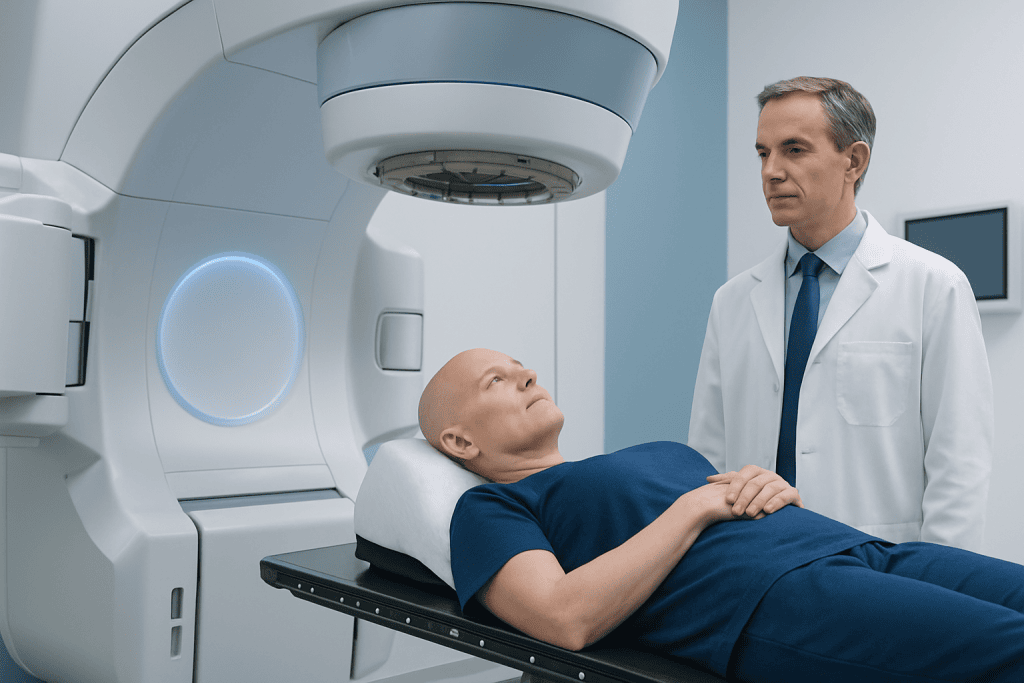
A second opinion can be helpful at almost any point in cancer care, but it is particularly useful in certain situations. Newly diagnosed patients often seek one before starting treatment, especially if surgery, chemotherapy, radiation therapy, immunotherapy, or targeted therapy is being considered. It can also be important when a diagnosis is uncertain or when test results are difficult to interpret.
Patients may benefit most from a second opinion if the cancer is rare, advanced, recurrent, or located in an area that requires complex treatment planning. It is also wise to ask another specialist to review the case if there are several possible treatment paths, if the expected benefits and side effects are not clear, or if the patient feels they need more explanation before deciding.
Situations where a second opinion is often most helpful include:
- A rare cancer or an unusual pathology result
- A recommendation for major surgery or combined treatments
- Different treatment options with similar goals
- Relapsed or metastatic disease
- Possible enrollment in a clinical trial
- Uncertainty about diagnosis, stage, or molecular testing
It can also help when a patient simply wants peace of mind. Cancer care decisions are important, and many people feel better knowing that more than one expert has reviewed the plan.
What a Second Opinion Can Clarify

One of the most important reasons to get a second opinion is to confirm the exact diagnosis. In cancer, small differences in pathology or staging can affect treatment choices. A review may refine the cancer type, grade, stage, or biomarker profile and may occasionally lead to a different diagnosis altogether.
A second specialist may also clarify whether the goals of treatment are curative, disease-controlling, or symptom-relieving. This distinction matters because it influences the balance between treatment intensity, side effects, and quality of life. The doctor can explain why one option may be preferred over another and whether treatment should begin immediately or after more tests.
In addition, another oncology team may discuss options not previously covered, such as organ-preserving treatment, reconstruction planning, fertility preservation, supportive care services, or genetic counseling. Depending on the case, they may also review whether advanced diagnostics or therapies are relevant, including PET-CT imaging, radiation oncology care, or medical oncology treatment.
Sometimes the main value of a second opinion is improved understanding rather than a change in treatment. Hearing the same recommendation explained in a different way can help patients and loved ones ask better questions and feel more comfortable with the next step.
How the Second Opinion Process Works
The process usually begins by collecting the medical records related to the cancer diagnosis. These often include clinic notes, pathology reports, biopsy slides or tissue samples, imaging scans, laboratory tests, and a summary of any treatments already given. Having complete records helps the consulting specialist provide the most accurate assessment.
The second opinion may be done in person or through a remote review, depending on the hospital and the patient’s location. In many cases, the specialist reviews the records first and then meets with the patient to explain whether they agree with the diagnosis and treatment plan. Some centers also discuss cases in a multidisciplinary tumor board, where surgeons, medical oncologists, radiation oncologists, radiologists, and pathologists review the case together.
To prepare for the consultation, patients can write down their questions and priorities. Useful questions may include:
- Is the diagnosis and stage correct?
- Are any additional tests needed?
- What are the standard treatment options?
- What are the expected benefits and possible side effects?
- Is there a clinical trial that may be appropriate?
- How quickly does treatment need to start?
Most doctors understand and support the wish to get another opinion. Seeking one is a common part of cancer care and should not be seen as disrespectful. The purpose is to make decisions with as much confidence and information as possible.
Possible Benefits and Limits
A second opinion can offer several practical benefits. It may confirm that the current plan is appropriate, which can reduce stress and hesitation. It may also reveal another treatment sequence, a different surgical approach, or a need for additional testing such as molecular profiling. For some patients, this can broaden the options available and support more personalized care.
Another benefit is access to subspecialty expertise. Certain cancers are best reviewed by doctors who focus on a specific organ system or disease type, such as breast cancer or lung cancer. Centers with multidisciplinary teams may be better equipped to evaluate complex cases and discuss supportive care, rehabilitation, nutrition, and symptom management alongside cancer treatment.
At the same time, a second opinion has limits. It may not always change the diagnosis or treatment recommendation, and that does not mean it was unnecessary. Confirmation from another specialist can still be valuable. The main caution is to avoid unnecessary delays, especially when a cancer is fast-growing or symptoms are worsening.
Insurance, travel, and record transfer can also affect timing and convenience. Patients should ask what documents are needed, whether pathology material must be sent for review, and how quickly the consultation can be arranged. A coordinated process helps balance careful decision-making with timely treatment.
Choosing Where to Go and What to Ask
Patients often prefer to seek a second opinion from a cancer center with experience in the specific tumor type. Important factors include access to multidisciplinary specialists, high-quality pathology and imaging review, and familiarity with current treatment standards. In some situations, a university hospital or tertiary referral center may be especially helpful, particularly for rare cancers or complex procedures.
It can also be useful to ask whether the center offers advanced diagnostic and treatment services under one roof. Depending on the case, this may include comprehensive oncology care and robotic surgery for selected cancers. The value lies in coordinated expertise rather than any single technology.
During the consultation, patients may want to focus on a few key points:
- What treatment do you recommend, and why?
- Are there alternatives that fit my goals or health status better?
- What side effects should I expect in the short and long term?
- Will treatment affect fertility, nutrition, or daily activities?
- How will response to treatment be monitored?
- What happens if the first treatment does not work?
Near the end of the process, patients can compare both opinions with their loved ones and primary oncology team. Acibadem International’s multidisciplinary specialists and JCI-accredited hospitals also diagnose and treat cancer for international patients, which may be relevant for those seeking coordinated review and care across specialties.
When to Seek One Urgently and When Not to Delay
Although second opinions are often helpful, timing matters. Patients should try to arrange the review promptly after diagnosis or after a major change in the disease, such as recurrence or progression. This allows time for careful review without postponing treatment more than necessary.
An urgent second opinion may be especially important when symptoms are rapidly worsening, when the cancer appears aggressive, or when a major operation is planned. It can also be valuable if pathology results are unclear, if there is disagreement between specialists, or if the patient is told that options are limited but wants confirmation from a center with disease-specific expertise.
At the same time, patients should not feel they must collect many opinions before starting care. More opinions do not always lead to better decisions and can sometimes increase confusion. A balanced approach is to seek one well-chosen, timely review from an appropriate specialist or center.
If treatment has already started, it may still be possible to get a second opinion. This can help review progress, consider next-line options, or discuss supportive care needs. The most important step is open communication with the treating team and prompt consultation when questions arise.
Frequently asked questions
Is it normal to get a second opinion for cancer?
Yes. Getting a second opinion for cancer is common and is usually seen as a responsible way to confirm the diagnosis and treatment plan. Most oncology specialists understand that patients want clarity before making important decisions.
Will asking for a second opinion offend the first doctor?
In most cases, no. Doctors who treat cancer generally expect that some patients will want another expert review, especially for complex diagnoses or major treatments. A professional care team should support informed decision-making and help provide records when needed.
Can a second opinion change the diagnosis or treatment?
Sometimes it can. Another specialist may confirm the original plan, suggest additional tests, refine the cancer stage, or recommend a different treatment approach. Even when nothing changes, the confirmation itself can be reassuring.
Should treatment be delayed to get a second opinion?
A short, well-planned delay is often reasonable if it helps clarify important decisions. However, cancer treatment should not be postponed unnecessarily, especially if the disease is aggressive or symptoms are worsening. The safest approach is to arrange the second opinion as quickly as possible.
What should a patient bring to a second opinion appointment?
Helpful materials include pathology reports, biopsy slides if requested, imaging scans, blood test results, clinic notes, and a list of current medications. Bringing written questions can also make the visit more productive. Complete records help the specialist give the most accurate advice.
Is a second opinion useful after treatment has started?
Yes, it can still be useful. Patients may seek another opinion if treatment is not working as expected, if side effects are difficult, or if the cancer returns. It can also help with planning the next step in care or reviewing supportive treatment options.
References
- National Cancer Institute
- American Society of Clinical Oncology
- National Comprehensive Cancer Network
- World Health Organization
- European Society for Medical Oncology
This article is for general information only and is not a substitute for professional medical advice. Please consult a qualified doctor about your individual situation.
Oncology care in Turkey — second opinion and treatment plan
JCI-accredited · board-certified surgeons · reply within 24h
Add us as a Preferred Source to see more of our trusted health content across Google Search, AI Overviews and Discover.

Medical Oncology Department
Medical treatment of cancer with chemotherapy, immunotherapy and targeted therapies under a multidisciplinary tumor board.
60 specialists in this unitMore from the Health Library



Related Specialists

Fzt. Ömür Akgül
Physical Medicine & Rehabilitation
Dr. Vildan Alev Sönmez
Anesthesiology
Assoc. Prof. Dr. Halenur Bozdağ
Gynecology & Obstetrics
Dr. Elvan Cevizci Akkılıç
Neurology