Giant Papillary Conjunctivitis Treatment: How It Works, Results and What to Expect
Giant papillary conjunctivitis (GPC) is an inflammatory reaction on the inner surface of the upper eyelid, not a contagious eye infection. Stopping or changing the source of mechanical irritation is the central part of treatment.
Key Takeaways
- Giant papillary conjunctivitis (GPC) is an inflammatory reaction on the inner surface of the upper eyelid, not a contagious eye infection.
- Stopping or changing the source of mechanical irritation is the central part of treatment.
- An eye specialist may recommend lubricating, anti-allergy, or anti-inflammatory drops depending on symptoms and examination findings.
- Recovery can take weeks to months, particularly when eyelid papillae are pronounced or the trigger remains present.
- Pain, vision changes, marked light sensitivity, or worsening redness require prompt medical assessment.
Giant papillary conjunctivitis treatment focuses on reducing repeated irritation to the inner eyelid, most often from contact lenses, deposits, or an eye prosthesis. With the trigger addressed and appropriate eye care, symptoms usually improve and long-term outlook is generally very good.
Overview: how giant papillary conjunctivitis treatment works
Giant papillary conjunctivitis treatment works by identifying and reducing the repeated friction or material buildup that is irritating the inside of the upper eyelid. For many people, this means taking a break from contact lenses, improving lens replacement and cleaning practices, or changing the lens type. Eye drops may be used to relieve allergy-like inflammation and make the eyes more comfortable while the eyelid surface heals.
Giant papillary conjunctivitis, often shortened to GPC, causes enlarged raised bumps called papillae on the inner upper eyelid. These bumps can rub against the eye or contact lens, creating a cycle of itching, mucus, lens awareness, and discomfort. Although its symptoms can resemble other forms of conjunctivitis, GPC is usually related to ongoing mechanical irritation and immune inflammation rather than a bacterial or viral infection.
The condition is not contagious. It is commonly associated with soft contact lens wear, especially if lenses are worn longer than advised, replaced infrequently, or develop deposits. It can also occur in people with an ocular prosthesis, exposed sutures after eye surgery, or other materials that repeatedly contact the eyelid.
Symptoms, causes and who may benefit from treatment
Common symptoms include itching, redness, tearing, stringy or excessive mucus, and a sensation that a contact lens is moving or sitting poorly on the eye. A person may notice that lenses become uncomfortable earlier in the day than usual, blur vision intermittently, or unexpectedly fall out. Symptoms often affect both eyes, though they may be worse on one side.
GPC develops when the upper eyelid repeatedly encounters a surface that causes friction or collects proteins, lipids, cosmetics, or environmental debris. The eyelid’s immune cells respond, and the papillae become larger and more inflamed. Seasonal allergies, dry eye, poor lens hygiene, and long daily wearing times can add to irritation but are not always the sole cause.
People who wear reusable soft lenses, sleep in lenses not approved for overnight use, or continue wearing lenses despite persistent discomfort may be more likely to develop GPC. A clinician should assess lens fit, replacement schedules, the cleaning system, and the health of the cornea before advising a return to lens use. Treatment is individualized because similar symptoms can also result from dry eye, allergic eye disease, infection, or a poorly fitting lens.
Candidacy and assessment before treatment

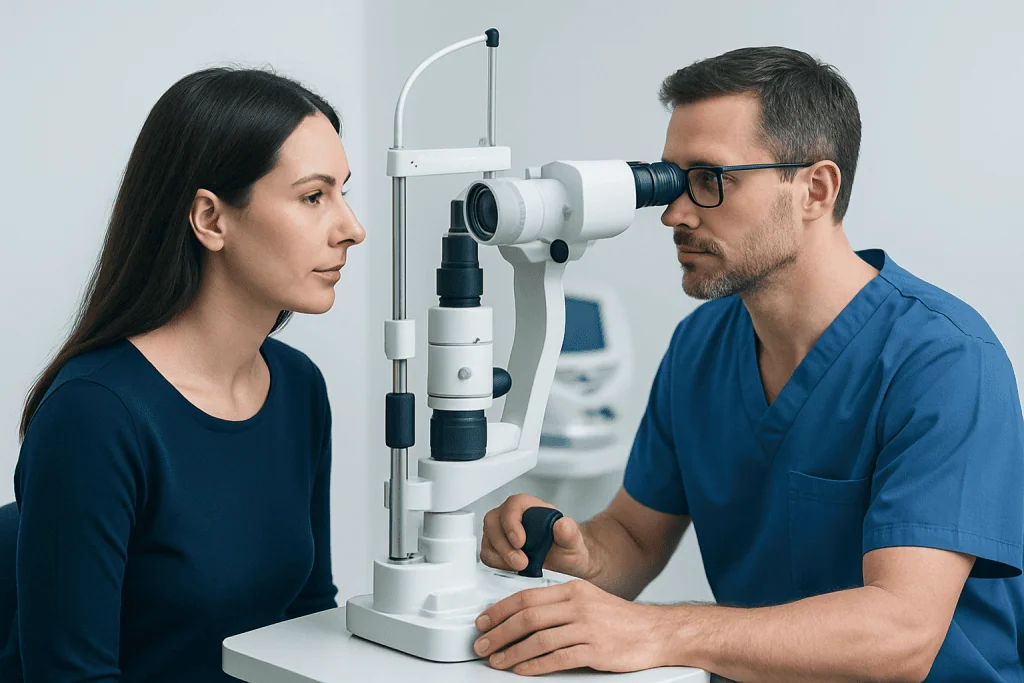
An ophthalmologist or optometrist diagnoses GPC through an eye examination. The clinician asks about symptoms, contact lens habits, allergies, recent eye procedures, and products used around the eyes. Gently turning the upper eyelid outward allows the clinician to inspect the inner surface for characteristic papillae.
The assessment also checks the cornea, tear film, eyelid margins, and contact lens fit. This is important because corneal inflammation or infection needs different and sometimes urgent care. The clinician may recommend that the person bring their lenses, lens case, and cleaning products to the appointment so potentially contributing factors can be reviewed.
Most people are candidates for conservative treatment rather than a procedure. Surgery is not a routine treatment for GPC. Instead, a planned pause from the irritant and medical treatment when appropriate give the conjunctiva an opportunity to settle. Contact lens wear can sometimes be resumed later with a safer replacement schedule or different lens material, but this should follow individual clinical advice.
Step-by-step: what treatment and follow-up involve
Step 1: remove or reduce the trigger. The first step is commonly a temporary break from contact lenses. Depending on the severity, the eye specialist may advise glasses until symptoms and eyelid inflammation improve. If another foreign material is responsible, the specialist considers whether it can be adjusted, cleaned, replaced, or otherwise managed safely.
Step 2: calm the eye surface. Preservative-free artificial tears and cool compresses may help reduce dryness, irritation, and itching. An eye clinician may prescribe or recommend anti-allergy drops, such as a mast-cell stabilizer or dual-action antihistamine/mast-cell stabilizer. For substantial inflammation, a short, carefully monitored course of anti-inflammatory treatment may be considered. Steroid eye drops should only be used under ophthalmic supervision because they can raise eye pressure or mask infection.
Step 3: plan a safer return to lenses. Once the eye has improved, the clinician may suggest daily disposable lenses, more frequent replacement, a different material, shorter wearing times, or a revised cleaning routine. Lenses should never be rinsed or stored in tap water, and the prescribed replacement schedule should be followed even when lenses still appear clean.
Step 4: review progress. Follow-up visits allow the clinician to confirm that papillae and corneal irritation are resolving. If symptoms persist, the diagnosis, lens fit, allergy control, dry-eye treatment, and other causes of chronic conjunctival irritation may need reassessment.
Benefits, risks and recovery timeline
The main benefit of treatment is relief from itching, mucus, redness, and contact lens intolerance while protecting the corneal surface. Removing the trigger early may prevent persistent discomfort and reduce the chance of corneal complications related to continued lens wear. Many people can eventually return to contact lenses with an adjusted plan, although some may need a longer break or a different vision-correction option.
Risks most often arise from returning to lenses too early, using old or contaminated lenses, or self-treating without an examination. Continued rubbing and lens wear may prolong inflammation. Medicated drops can have side effects, and prescription anti-inflammatory drops require monitoring; they are not appropriate for every red or itchy eye.
Recovery is usually gradual rather than immediate. Symptoms may begin easing within days to a few weeks after the irritant is removed, while larger papillae can take several weeks or months to resolve. The timeline depends on the degree of inflammation, whether the person can avoid the trigger, coexisting allergies or dry eye, and how consistently the care plan is followed.
How long does it take for giant papillary conjunctivitis to heal?
There is no single healing timeline for GPC. Mild symptoms may improve within a few weeks after contact lenses or another trigger are stopped, while moderate or more established cases may require several weeks to months for the inner eyelid to recover fully. The raised papillae can remain visible after symptoms begin to improve.
Healing is more likely to be efficient when the source of irritation is fully addressed. Wearing lenses before the eye specialist advises doing so, extending wearing time, or returning to the same lens routine can restart symptoms. Follow-up is helpful when progress is slower than expected because dry eye, allergy, lens fit, or another eye condition may be contributing.
People should use only drops recommended by their eye care professional and should not share drops or contact lenses. A clinician can advise when it is safe to restart lens wear and whether a change in lens type or replacement schedule is needed.
How do you know if conjunctivitis is getting better?
With GPC, improvement usually means less itching, reduced mucus, less redness and tearing, and a more comfortable eye surface. Contact lens wearers may also notice that their eyes feel less irritated throughout the day once lens use is eventually restarted under professional guidance. Vision should be stable and clear rather than increasingly blurred.
Because the inflamed area is beneath the upper eyelid, a person cannot reliably judge whether papillae have healed simply by looking in a mirror. An eye examination is the best way to confirm resolution, especially before returning to contact lenses. Symptoms can fluctuate with allergens, dryness, and environmental exposure, so steady overall improvement matters more than day-to-day changes.
Worsening pain, new light sensitivity, discharge that is thick or increasing, reduced vision, or a feeling of a foreign body that does not improve should not be assumed to be GPC. These symptoms need timely assessment to rule out corneal injury or infection.
Will GPC go away on its own? What is the prognosis for papillary conjunctivitis?
GPC may improve when the trigger is completely removed, but it does not always settle if contact lens wear or another source of friction continues. For this reason, simply waiting while continuing the same lens routine is unlikely to be the most effective approach. Early assessment helps establish whether the symptoms are due to GPC and identifies practical changes that can support recovery.
The prognosis for papillary conjunctivitis is generally favorable. Most people improve with avoidance of the trigger, appropriate eye-surface care, and treatment of associated allergy or dryness when needed. Recurrence is possible, particularly if the original lens habits, deposits, poor fit, or environmental triggers return.
Preventive care includes following the prescribed lens replacement schedule, washing and drying hands before handling lenses, using only recommended solutions, replacing the lens case regularly, and never sleeping in lenses unless specifically prescribed. People with recurring symptoms should discuss daily disposables, alternative lens options, or glasses with an eye specialist. Acibadem International’s multidisciplinary specialists and JCI-accredited hospitals can assess and treat eye conditions for international patients.
When to seek medical care
Anyone with persistent itchy, red, mucus-producing eyes or reduced contact lens tolerance should arrange an eye examination, particularly if symptoms do not improve after stopping lens wear. An assessment is important because several eye conditions can look similar but require different treatment.
Urgent medical care is appropriate for eye pain, sudden or worsening vision changes, significant sensitivity to light, marked swelling, an eye injury, or redness that rapidly worsens. Contact lens wearers with these symptoms should remove lenses and avoid wearing them again until examined. A red eye with pain or visual disturbance can indicate corneal involvement and should not be managed with leftover prescription drops.
For people whose symptoms recur, follow-up care can help identify modifiable issues such as lens deposits, fit, allergic eye disease, or dry eye. Prompt, appropriate care is reassuring and helps protect comfortable vision over the long term.
Frequently asked questions
What is the first-line giant papillary conjunctivitis treatment?
The first-line approach is usually to stop or reduce exposure to the irritant, most often by taking a temporary break from contact lenses. An eye specialist may also recommend lubricating drops, allergy treatment, or other medication based on the severity of inflammation and the health of the cornea.
Can I wear contact lenses while being treated for GPC?
Many people are advised to stop wearing contact lenses during the active inflammatory phase. The timing for restarting depends on symptoms, examination findings, lens fit, and the treatment plan. It is best to resume lenses only when an eye care professional says it is safe.
How long does it take for giant papillary conjunctivitis to heal?
Mild cases may feel better within a few weeks once the trigger is removed, while more established GPC can take weeks to months to resolve. The inner-eyelid papillae often improve more slowly than symptoms. Regular follow-up can help guide a safe return to lenses.
How do you know if conjunctivitis is getting better?
Less itching, redness, tearing, mucus, and eye discomfort are encouraging signs. Vision should remain clear and stable, and symptoms should improve overall rather than progressively worsen. An eye examination is needed to confirm that the eyelid and corneal surfaces are recovering.
Will GPC go away on its own?
GPC can improve after the source of irritation is removed, but it may persist or recur if the same contact lens routine or other trigger continues. Medical assessment is useful to confirm the cause and address factors such as lens deposits, poor fit, allergy, or dry eye. It should not be treated as an infection without professional guidance.
What is the prognosis for papillary conjunctivitis?
The prognosis is generally very good when the trigger is identified and avoided and treatment is followed consistently. Most people regain eye comfort and may be able to return to contact lenses with changes to lens type, hygiene, or replacement frequency. Recurrence can occur, so preventive lens care and follow-up are important.
References
- American Academy of Ophthalmology
- American Optometric Association
- National Eye Institute
- Merck Manual Professional Edition
This article is for general information only and is not a substitute for professional medical advice. Please consult a qualified doctor about your individual situation.
Conjunctivitis in Turkey — costs, top hospitals & a free quote
JCI-accredited · board-certified surgeons · reply within 24h
Add us as a Preferred Source to see more of our trusted health content across Google Search, AI Overviews and Discover.

Ophthalmology
Comprehensive eye care from laser vision correction to retina, cornea and cataract surgery.
75 specialists in this unit