Gigantic Eyes: A Complete Medical Overview
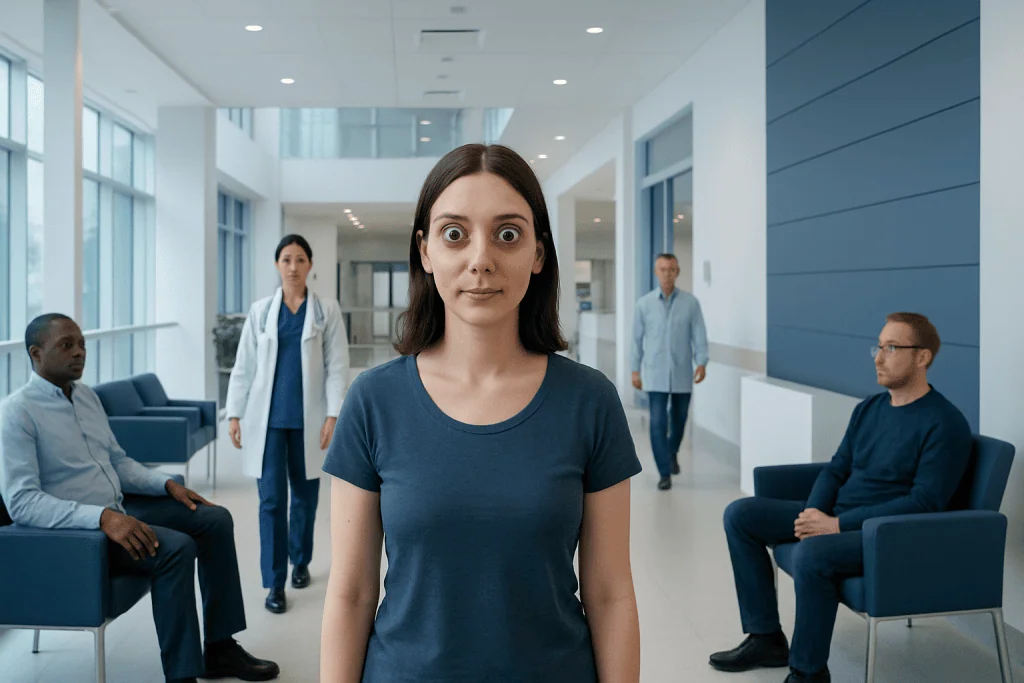
The phrase “gigantic eyes” can describe naturally large-looking eyes or medically significant eye prominence. Proptosis, also called exophthalmos, means that one or both eyes project forward from the eye socket.
Key Takeaways
- The phrase “gigantic eyes” can describe naturally large-looking eyes or medically significant eye prominence.
- Proptosis, also called exophthalmos, means that one or both eyes project forward from the eye socket.
- Thyroid eye disease is a common cause of eye bulging in adults, while glaucoma can cause eye enlargement in infants and young children.
- Sudden eye prominence, pain, vision loss, double vision, fever, or difficulty moving the eye needs urgent medical assessment.
- Treatment depends on the cause and may include eye protection, medicines, treatment of an underlying illness, or surgery.
Gigantic eyes is not a formal medical diagnosis. It commonly describes eyes that appear unusually large, prominent, or bulging; this can be a normal facial feature, but new or worsening prominence should be assessed because it can sometimes signal an eye or health condition.
What Does “Gigantic Eyes” Mean?
“Gigantic eyes” is an informal description rather than a medical term. It may refer to eyes that naturally appear large because of facial proportions, large eyelid openings, a prominent eye shape, or a family trait. In these situations, the eyes are healthy and their appearance has usually been stable over time.
Sometimes, however, an eye looks unusually large because it is pushed forward from the eye socket. This is called proptosis or exophthalmos. The term may also be used when the eyeball itself is enlarged, which is less common and is particularly important to identify in babies and young children.
The key question is whether the appearance is longstanding and symmetrical, or new, changing, and associated with symptoms. A new difference between the two eyes, eyelid swelling, redness, discomfort, double vision, or visual changes should not be assumed to be cosmetic. An eye examination can distinguish a normal variation in appearance from a condition requiring care.
How Prominent or Enlarged Eyes May Look and Feel
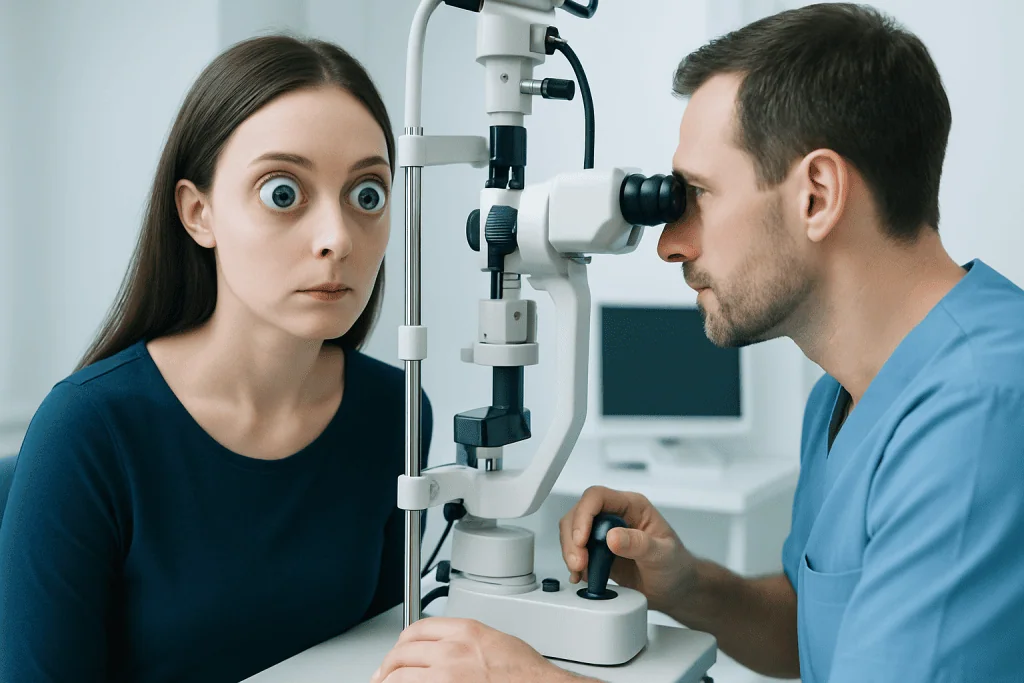
Prominent eyes may look as though more of the white part of the eye is visible, especially above or below the iris. The eyelids may not close fully during sleep, and the person may appear to be staring. Some people notice that photographs show a change in their eye position before they notice it in the mirror.
Symptoms depend on the underlying cause. When the eye surface is exposed because the lids do not close completely, dryness, grittiness, watering, redness, sensitivity to light, or a feeling of pressure can occur. Blurred vision may develop if the front surface of the eye becomes dry or damaged.
Other possible symptoms include double vision, reduced eye movement, eyelid retraction, pain behind the eye, headaches, or a visible difference in eye position. In children, a larger-than-usual eye, excessive tearing, light sensitivity, a cloudy cornea, or frequent rubbing of the eye may indicate a problem and needs prompt evaluation by a pediatric eye specialist.
Why Eyes Can Appear Gigantic

Some people simply have naturally prominent eyes. This may be related to inherited facial anatomy, the size and shape of the eye socket, eyelid position, or the contrast between the eyes and surrounding facial features. A stable, symmetrical appearance without discomfort or vision problems is more likely to represent a normal individual feature.
In adults, thyroid eye disease is one of the most frequent medical causes of both eyes becoming more prominent. It is an immune-related condition often associated with an overactive thyroid, although it can also occur when thyroid hormone levels are normal or low. Inflammation and swelling of tissues behind the eye can push the eye forward and may affect eye movement.
One-sided proptosis has a broader range of possible causes. These include inflammation or infection around the eye, an injury with bleeding behind the eye, blood-vessel abnormalities, cysts, and growths within the orbit, which is the bony space around the eye. These causes are not equally likely, but a new one-sided change should be examined rather than monitored at home.
In infants and young children, true enlargement of the eyeball can occur with congenital or childhood glaucoma. Raised pressure inside the eye can stretch the more flexible tissues of a young child’s eye. This is different from adult proptosis and requires early specialist care to protect vision.
Risk Factors and Important Clues
A personal or family history of thyroid disease can increase the likelihood that eye prominence is related to thyroid eye disease. Smoking is an important modifiable risk factor because it raises the chance of developing thyroid eye disease and can make it more severe. Stopping smoking is beneficial for eye and overall health.
Recent infection, sinus symptoms, facial injury, surgery around the eye, or a weakened immune system can provide useful clues when eye prominence develops quickly. Pain, fever, and redness may point toward inflammation or infection, while a rapidly worsening swollen eye after injury can indicate bleeding or increased pressure in the eye socket.
Age also matters. An enlarged or cloudy-looking eye in a baby, marked sensitivity to light, or persistent tearing is not usually explained by normal eye shape alone. Parents and caregivers should arrange an eye assessment promptly if these signs are present.
- Longstanding, equal prominence without symptoms may be a normal anatomical variation.
- New asymmetry is more likely to need investigation.
- Changes in vision, color perception, or eye movement are particularly important clinical clues.
How Doctors Assess Prominent Eyes
An ophthalmologist or eye doctor will begin by asking when the appearance was first noticed, whether it is changing, and whether there are symptoms such as pain, dryness, double vision, or reduced vision. Past thyroid problems, smoking, infections, injuries, medications, and family history are also relevant. Comparing recent and older photographs can sometimes help establish whether the change is new.
The eye examination typically includes visual acuity, pupil reactions, color vision, eye movements, eyelid closure, and a close assessment of the cornea. The clinician may measure how far the eye projects using a device called an exophthalmometer. Eye pressure may be checked, including in different directions of gaze when thyroid eye disease is suspected.
Blood tests may be used to assess thyroid function and thyroid-related antibodies. Imaging, such as CT or MRI of the eye sockets, may be recommended when one eye is affected, the cause is uncertain, eye movement is restricted, or the doctor needs to assess tissues behind the eye. Children with suspected glaucoma require a specialized examination, often including measurement of eye pressure and evaluation of the cornea and optic nerve.
Treatment Options Depend on the Cause
Natural prominent eyes do not require treatment when the eyes are comfortable, vision is normal, and there is no underlying disease. If the eye surface feels dry because the lids do not close fully, an eye professional may recommend lubricating drops or ointment and practical measures to protect the cornea. Contact lenses, cosmetic products, and other eye-area products should be used carefully if there is irritation or exposure-related dryness.
For thyroid eye disease, treatment is tailored to the stage and severity of the condition. It may include achieving stable thyroid hormone levels, stopping smoking, lubricating eye treatments, and monitoring vision. More active or severe disease may require anti-inflammatory or immune-targeting medicines, radiation treatment in selected cases, or surgery to relieve pressure, improve eye position, or correct persistent double vision.
Infections around the eye need urgent medical treatment, often with antibiotics and close monitoring. Conditions causing pressure or crowding behind the eye may require hospital-based assessment and, in some cases, surgery. Childhood glaucoma is treated by pediatric ophthalmology teams; procedures to improve fluid drainage from the eye are often central to care, with medicines used in some circumstances.
Acibadem International’s multidisciplinary specialists and JCI-accredited hospitals assess eye conditions and coordinate care for international patients when evaluation or treatment is needed.
When to Seek Medical Care
A routine appointment with an eye doctor is appropriate for eye prominence that is new, gradually increasing, unequal, or associated with persistent dryness, redness, discomfort, or changes in appearance. Assessment is also advisable for people with thyroid disease who notice eye symptoms, even if their thyroid blood tests are being monitored.
Urgent medical care is needed if an eye suddenly bulges, especially after an injury, or if prominence occurs with significant pain, fever, severe redness, rapidly increasing swelling, reduced vision, new double vision, inability to move the eye normally, or a severe headache. These symptoms can indicate conditions that need prompt treatment to protect the eye and vision.
Parents should seek prompt medical advice for a baby or child with an enlarging eye, a cloudy cornea, excessive tearing, strong light sensitivity, or concern that the child is not seeing normally. Early assessment offers the best opportunity to identify and manage conditions that may affect visual development.
Frequently asked questions
Are gigantic eyes always a medical problem?
No. Some people naturally have large-looking or prominent eyes due to inherited facial features and eye socket anatomy. If the appearance has always been present, is similar in both eyes, and there are no symptoms, it may be a normal variation. A new or changing appearance should still be checked by an eye professional.
What is the medical name for bulging eyes?
The medical term for an eye that projects forward from the eye socket is proptosis. Exophthalmos is often used when the prominence is associated with thyroid eye disease. These terms describe the eye position rather than identifying the cause.
Can thyroid problems cause gigantic eyes?
Yes. Thyroid eye disease can cause swelling of the muscles and fatty tissue behind the eyes, making one or both eyes appear more prominent. It can occur with an overactive thyroid and, less commonly, with normal or underactive thyroid function.
Why does one eye look bigger than the other?
A slight difference in eye or eyelid appearance can be normal. However, a newly noticeable difference may result from eyelid changes, swelling, injury, thyroid eye disease, inflammation, or a condition within the eye socket. An eye examination is important if the asymmetry is new, worsening, painful, or affecting vision.
Can an enlarged eye in a child be caused by glaucoma?
Yes. In babies and young children, glaucoma can raise pressure inside the eye and cause the eyeball to enlarge. Tearing, light sensitivity, a cloudy cornea, and frequent eye rubbing are additional possible signs. Prompt pediatric ophthalmology assessment is important.
Can prominent eyes return to normal after treatment?
This depends on the cause and how long it has been present. Treating the underlying condition may reduce swelling and improve eye comfort, appearance, and movement. Some people with persistent eye prominence or double vision may benefit from specialized surgical treatment after the underlying disease has stabilized.
This article is for general information only and is not a substitute for professional medical advice. Please consult a qualified doctor about your individual situation.
Explore treatments in Turkey — costs, top hospitals & a free quote
JCI-accredited · board-certified surgeons · reply within 24h
Add us as a Preferred Source to see more of our trusted health content across Google Search, AI Overviews and Discover.

More from the Health Library
What is gum disease and how is it caused? A Doctor-Reviewed Answer

Rejection Sensitive Dysphoria — Explained by Medical Evidence, Not Myths
Glycerin Soap — Explained by Medical Evidence, Not Myths

Mango Allergy: What Patients Need to Know

Pure Green: An Evidence-Based Guide for Patients