Gist Surgery: Procedure, Recovery and Results

Surgery is usually recommended for localized, removable GISTs and may be combined with targeted therapy in selected cases. The operation may be performed laparoscopically, robotically or through open surgery, depending on the tumor’s size and location.
Key Takeaways
- Surgery is usually recommended for localized, removable GISTs and may be combined with targeted therapy in selected cases.
- The operation may be performed laparoscopically, robotically or through open surgery, depending on the tumor’s size and location.
- Recovery commonly takes several weeks, although bowel function, nutrition and return to work vary between individuals.
- The chance of recurrence depends mainly on tumor size, location, cell division rate and whether the tumor ruptured.
- Regular imaging after surgery is important because some GISTs can recur even after complete removal.
GIST surgery is the main potentially curative treatment for a gastrointestinal stromal tumor (GIST) that has not spread in a way that prevents complete removal. The operation aims to remove the tumor intact while preserving as much normal digestive tissue and function as possible, followed by individualized pathology review and surveillance.
Overview: What Is GIST Surgery?
GIST surgery is an operation to remove a gastrointestinal stromal tumor, a rare tumor that begins in specialized cells in the digestive tract. These tumors are most often found in the stomach or small intestine, although they can develop elsewhere in the gastrointestinal system. For a localized tumor that can be removed safely, surgery offers the best chance of long-term disease control and, in many cases, cure.
The surgical goal is to remove the whole tumor with an intact outer surface, without spilling or rupturing it. Unlike many other digestive cancers, removal of many nearby lymph nodes is not routinely needed because GIST rarely spreads to lymph nodes. The operation is planned by a team that may include a surgical oncologist or gastrointestinal surgeon, medical oncologist, radiologist, pathologist and nutrition specialists.
Some people receive targeted medicine before or after surgery. These medicines can shrink certain tumors before an operation or reduce recurrence risk afterward when pathology shows a higher-risk GIST. Treatment planning is based on the tumor’s genetic testing, location, size, behavior and whether it has spread.
How GIST Surgery Works and Who May Be a Candidate
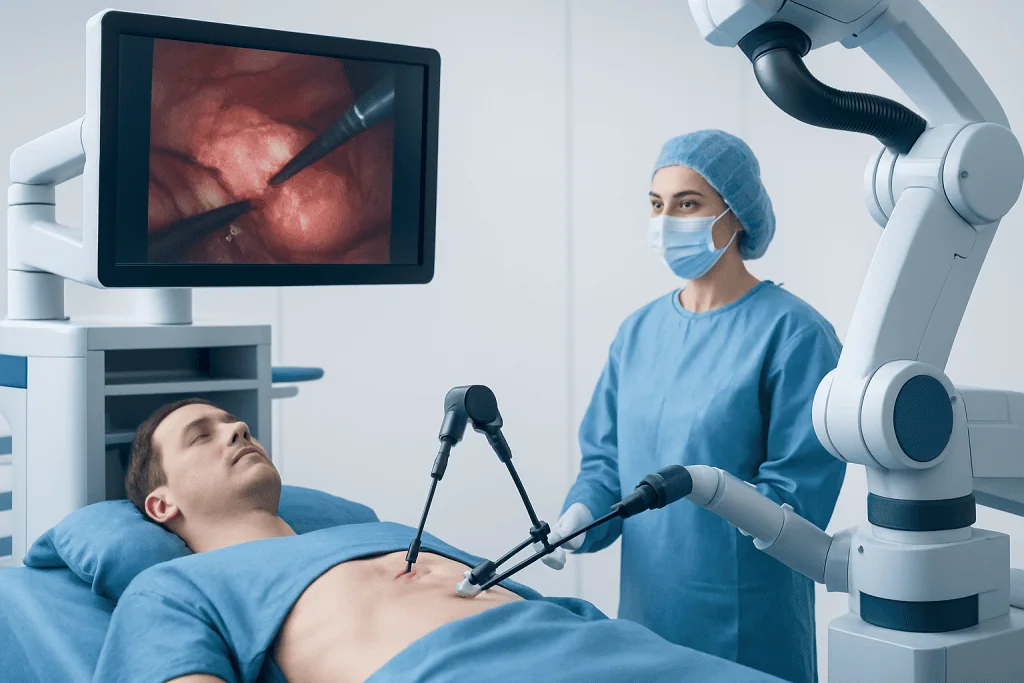
GIST removal surgery is most often considered when imaging shows that the tumor is localized and can be removed completely without causing unacceptable loss of organ function. It may also be considered in selected people with limited spread, particularly when targeted therapy has controlled disease and the surgical team believes removal will be beneficial.
The type of operation depends largely on where the tumor started. A small stomach GIST may be removed with a wedge resection, taking out the tumor and a small amount of surrounding stomach tissue. Tumors in the small intestine may require removal of a short bowel segment followed by reconnection of the healthy ends. Larger or more complex tumors may require removal of part of another organ if the tumor is attached to it.
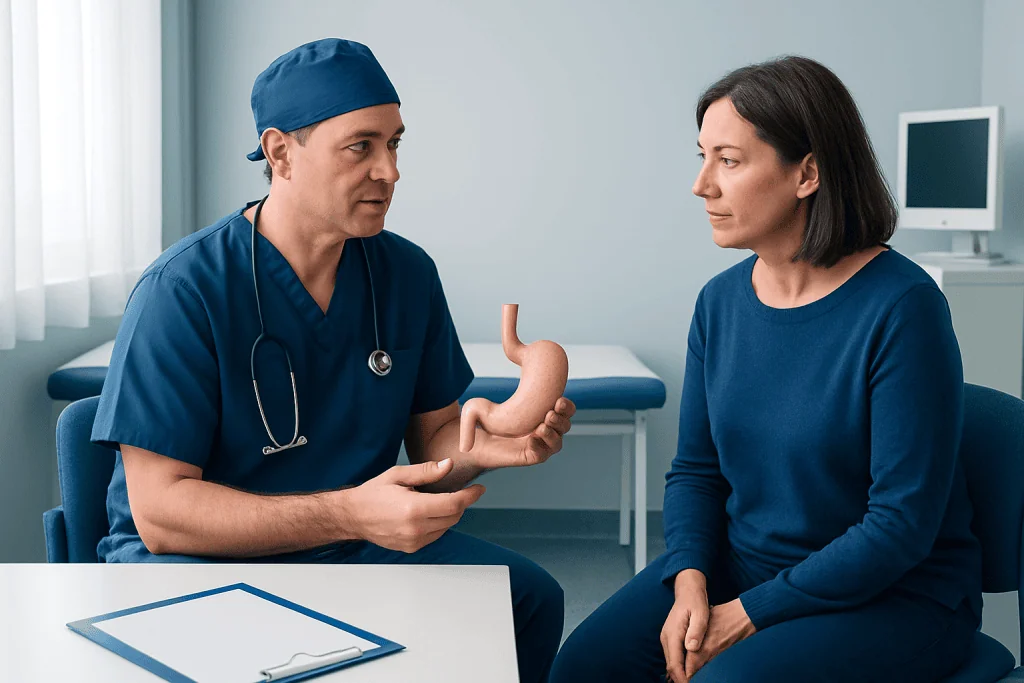
Before surgery, clinicians commonly use contrast CT scans and sometimes MRI or endoscopic ultrasound to define the tumor. A biopsy may be needed when the diagnosis is uncertain or when preoperative targeted therapy is being considered. Molecular testing helps identify changes in genes such as KIT or PDGFRA, which can influence whether a targeted treatment is likely to help.
Not every GIST should be operated on immediately. Very small stomach lesions without concerning features may sometimes be monitored with repeat endoscopy or imaging. Tumors that are initially too large or close to critical structures may first be treated with targeted therapy to make surgery safer and more organ-preserving.
Step by Step: What Happens During the Procedure
Before the operation, the patient has an anesthesia assessment and receives instructions about eating, drinking and regular medicines. The procedure is performed under general anesthesia, so the patient is asleep and does not feel pain during surgery. The surgical team reviews the imaging and planned extent of resection immediately beforehand.
Depending on the tumor, surgery may be minimally invasive or open. Laparoscopic or robotic surgery uses several small incisions and a camera-guided approach. It may be appropriate for selected smaller, favorably located tumors. Open surgery uses a larger abdominal incision and may be safer for a large tumor or when there is a risk that manipulating it through small incisions could cause rupture.
The surgeon carefully frees the tumor from nearby tissues and removes it in one piece whenever possible. The specimen is sent to pathology, where specialists confirm the diagnosis and assess features linked with recurrence risk, including size, site, mitotic rate and tumor rupture. If bowel has been removed, the surgeon usually reconnects the remaining healthy bowel during the same procedure.
After surgery, the patient is monitored in a recovery area and then transferred to a hospital room. Pain relief, early gentle movement, breathing exercises and prevention of blood clots are part of routine postoperative care. The care team also monitors for the return of bowel function before advancing the diet.
GIST Surgery Recovery: Timeline, Benefits and Risks
GIST surgery recovery varies with the type and extent of surgery, the patient’s general health and whether the stomach or bowel was resected. After minimally invasive surgery, hospital discharge may occur within a few days if pain is controlled, the person is walking and drinking, and bowel function is returning. Open abdominal surgery or a more extensive resection usually involves a longer hospital stay.
In the first one to two weeks, fatigue, reduced appetite, mild abdominal discomfort and changes in bowel habits can be expected. Many people gradually increase walking and light activities during this period. The incision needs to be kept clean and observed for redness, discharge or increasing pain. The surgical team provides individualized guidance on bathing, driving, lifting and return to work.
For many patients, gist removal surgery recovery takes about four to eight weeks before they feel closer to their usual routine. Recovery may take longer after major abdominal surgery, complications or additional treatment. Nutritional support can be helpful when appetite is poor, weight loss has occurred or a substantial part of the stomach or small intestine was removed.
The benefit of surgery is removal of visible localized disease and the possibility of long-term control. Risks include bleeding, infection, blood clots, reactions to anesthesia, delayed bowel function, leakage where bowel is reconnected and injury to nearby organs. Tumor rupture is a particular concern because it can increase the likelihood of recurrence, which is why careful surgical planning is essential.
How Long Does It Take to Recover From a GIST Operation?
Most people need several weeks for gist surgery recovery, but the exact timeline is individual. A person recovering after a small minimally invasive stomach procedure may resume many everyday activities within two to four weeks, while recovery after open surgery or bowel resection commonly takes six to eight weeks or longer.
Internal healing continues after the skin incision looks better. Heavy lifting and strenuous exercise are usually avoided until the surgeon confirms that the abdominal wall and internal tissues have healed adequately. Returning to desk-based work may be possible sooner than returning to physically demanding work.
Follow-up visits allow the team to review pathology results, check wound and digestive recovery, and discuss further care. Patients should ask their surgeon about their own gist removal recovery time, as it is influenced by the procedure performed, nutritional status, other medical conditions and any need for postoperative targeted treatment.
Results, Follow-Up and the Outlook After Surgery
Pathology results after GIST surgery guide the next steps. A low-risk tumor that has been fully removed may only require scheduled surveillance. A higher-risk tumor may be treated with targeted therapy after surgery, most commonly a medicine that blocks abnormal signaling from KIT or PDGFRA when the tumor’s genetic profile indicates likely benefit.
Follow-up commonly includes CT scans of the abdomen and pelvis at intervals determined by recurrence risk and treatment history. The schedule is not identical for everyone: people with a low-risk GIST may need less frequent imaging, while those with high-risk disease or treatment after surgery require closer monitoring. Keeping appointments is important because recurrence can sometimes be found before it causes symptoms.
Acibadem International’s multidisciplinary specialists and JCI-accredited hospitals support diagnosis, surgery, pathology assessment and follow-up planning for international patients with GIST. Care decisions should remain individualized and discussed with a qualified oncology and surgical team.
How Serious Is GIST Cancer?
GIST can range from slow-growing, low-risk disease to a tumor with a meaningful risk of spreading or returning after treatment. Its seriousness cannot be judged from the diagnosis alone. The most useful predictors include the tumor’s size, where it began, how actively the cells are dividing under the microscope, whether it ruptured, and whether it has spread.
Smaller tumors in certain locations, particularly some stomach GISTs, may have a relatively favorable outlook after complete removal. Larger tumors, tumors arising in the small bowel or other non-stomach sites, and tumors with a high mitotic rate may have a higher recurrence risk. Modern targeted therapies have also improved options for many people whose tumors cannot be removed immediately or have spread.
A specialist can explain what the pathology and molecular findings mean in an individual situation. It is reasonable to ask about the tumor’s risk category, the purpose of any recommended medicine and the imaging plan after treatment.
Do GIST Tumors Come Back After Surgery? How Quickly Do They Grow?
GIST tumors can come back after surgery, even when the surgeon has removed all visible disease. Recurrence risk is lowest for tumors with favorable pathology features and higher for larger, more active tumors, tumors outside the stomach and tumors that ruptured. Recurrence may develop in the abdomen, liver or elsewhere, which is why surveillance imaging is a central part of care.
Some people with higher-risk GIST benefit from targeted treatment after surgery to lower the chance of recurrence. The decision depends on the pathology report and molecular test results, not simply on tumor size. If a recurrence occurs, targeted medicines, further surgery or other treatments may be considered by the multidisciplinary team.
GIST growth rates also vary widely. Some small tumors remain stable for a long time, while others enlarge over months or behave more aggressively. Imaging comparisons over time, rather than one scan alone, help clinicians understand growth behavior and determine the safest timing for treatment.
There is no proven home measure that prevents recurrence. Attending follow-up appointments, reporting new symptoms promptly, maintaining adequate nutrition, avoiding tobacco and following the oncology team’s plan are practical ways to support recovery and ongoing health.
When to Seek Medical Care
People who are recovering from GIST surgery should contact their surgical team promptly for fever, worsening abdominal pain, persistent vomiting, increasing swelling, redness or drainage from an incision, shortness of breath, chest pain, new leg swelling, or inability to keep fluids down. Urgent assessment is also needed for heavy rectal bleeding, black stools, fainting or severe weakness.
Before diagnosis, symptoms such as persistent abdominal pain or fullness, unexplained gastrointestinal bleeding, black stools, anemia, ongoing nausea or vomiting, unintentional weight loss or a new abdominal mass should be assessed by a doctor. These symptoms can have many causes, but evaluation helps identify the right next step.
After treatment, new or persistent symptoms should not automatically be assumed to mean recurrence. However, they should be shared with the care team, especially if they are worsening or accompanied by weight loss, bleeding or fatigue. Regular follow-up remains important even when a person feels well.
Frequently asked questions
What is the goal of GIST surgery?
The main goal is to remove the gastrointestinal stromal tumor completely without rupturing it. When a GIST is localized and safely removable, surgery can provide the best opportunity for long-term disease control. The amount of stomach or bowel removed depends on the tumor’s location and size.
How long does it take to recover from a GIST operation?
Recovery often takes about four to eight weeks, although some people recover sooner after a small minimally invasive operation and others need longer after open or complex surgery. Hospital stay, energy levels, appetite and bowel function vary. The surgeon can provide a more personal recovery estimate after reviewing the procedure and postoperative progress.
How serious is GIST cancer?
GIST has a wide range of behavior, from lower-risk tumors to cancers that can spread or return after treatment. Risk is assessed using factors such as tumor size, location, mitotic rate, rupture and spread. Molecular testing also helps guide treatment choices and outlook.
Do GIST tumors come back after surgery?
They can recur, particularly when pathology shows a higher-risk tumor or when rupture occurred. Complete removal lowers risk, but it does not remove it entirely in every case. Regular scans and, for selected higher-risk tumors, targeted therapy after surgery help manage this risk.
How quickly do GIST tumors grow?
Growth can be slow in some GISTs and faster in others. The rate cannot be predicted from symptoms alone and is usually assessed by comparing imaging scans over time along with pathology findings. A specialist can explain whether observation, medicine or surgery is appropriate.
Will I need targeted therapy after GIST surgery?
Not everyone needs targeted therapy after surgery. It is more often considered for tumors with a higher risk of recurrence and for genetic profiles that are expected to respond to treatment. The oncology team uses pathology and molecular testing to make this recommendation.
References
- National Cancer Institute
- National Comprehensive Cancer Network
- European Society for Medical Oncology
- American Cancer Society
- GIST Support International
This article is for general information only and is not a substitute for professional medical advice. Please consult a qualified doctor about your individual situation.
Persistent digestive symptoms? Get evaluated in Turkey
JCI-accredited · board-certified surgeons · reply within 24h
Add us as a Preferred Source to see more of our trusted health content across Google Search, AI Overviews and Discover.