Glaucoma Treatment Drugs: How It Works, Results and What to Expect

Glaucoma medicines aim to lower intraocular pressure and protect the optic nerve. Eye drops are commonly the first treatment, but the best medicine depends on the type of glaucoma and the individual’s health.
Key Takeaways
- Glaucoma medicines aim to lower intraocular pressure and protect the optic nerve.
- Eye drops are commonly the first treatment, but the best medicine depends on the type of glaucoma and the individual’s health.
- Most people need long-term treatment and regular pressure, optic nerve and visual field checks.
- Correct drop technique and daily adherence are essential because glaucoma often has no noticeable symptoms.
- New eye pain, redness, halos around lights or sudden vision changes require urgent medical assessment.
Glaucoma treatment drugs are medicines, most often prescription eye drops, that lower pressure inside the eye or improve fluid drainage. They cannot restore vision already lost to glaucoma, but consistent treatment and follow-up can greatly reduce the risk of further optic nerve damage.
Overview: How glaucoma treatment drugs work
Glaucoma treatment drugs work by lowering intraocular pressure, the pressure created by fluid within the eye. In many forms of glaucoma, pressure contributes to damage of the optic nerve, which carries visual information from the eye to the brain. Lowering pressure is the main proven way to slow or stop further damage.
Most medicines are eye drops used once or several times a day. Some reduce the amount of fluid the eye makes, while others help fluid leave the eye more effectively. The medication plan is individualized because a pressure level that is safe for one person may not be low enough for another.
Glaucoma is usually a long-term condition. Treatment does not cure glaucoma or recover vision that has already been lost, but it can preserve remaining vision. Regular follow-up matters because optic nerve changes can occur without pain or obvious changes in sight.
Types of glaucoma medicines and how they are chosen
Prostaglandin analogues are often used first because they are effective at improving fluid drainage and are commonly taken once daily. Beta-blockers, alpha-agonists, carbonic anhydrase inhibitors and rho kinase inhibitors lower pressure in different ways. Some people use a combination drop containing more than one medicine.
An ophthalmologist selects treatment based on the type and severity of glaucoma, the starting eye pressure, optic nerve findings, other eye conditions and overall health. For example, certain beta-blocker drops may not be suitable for people with asthma, some heart rhythm conditions or very slow heart rates.
If eye drops do not provide adequate pressure control, are not tolerated or are difficult to use reliably, laser treatment or surgery may be considered. Care may include assessment and treatment for glaucoma as well as related eye health needs.
- Medicines that increase fluid outflow
- Medicines that reduce fluid production
- Combination drops to simplify a treatment schedule
- Occasionally, short-term oral medicines for markedly raised pressure
What is the most successful treatment for glaucoma?

There is no single most successful treatment for every person with glaucoma. The most successful approach is the one that safely reaches and maintains an individual target eye pressure while being practical enough to use consistently. For many people, this begins with a prostaglandin analogue eye drop, but the appropriate choice depends on clinical findings and medical history.
Laser trabeculoplasty can be an effective initial or additional option for many people with open-angle glaucoma. It may reduce the need for drops for a period of time, although its effect can lessen over time and further treatment may be needed. Surgical options are generally considered when medicines and laser treatment do not control pressure sufficiently or when glaucoma is more advanced.
Success is assessed over time, not from one pressure reading alone. Eye specialists review eye pressure, the appearance of the optic nerve, imaging tests and visual field testing to determine whether the treatment plan is protecting vision adequately.
Starting treatment: candidacy and the step-by-step process
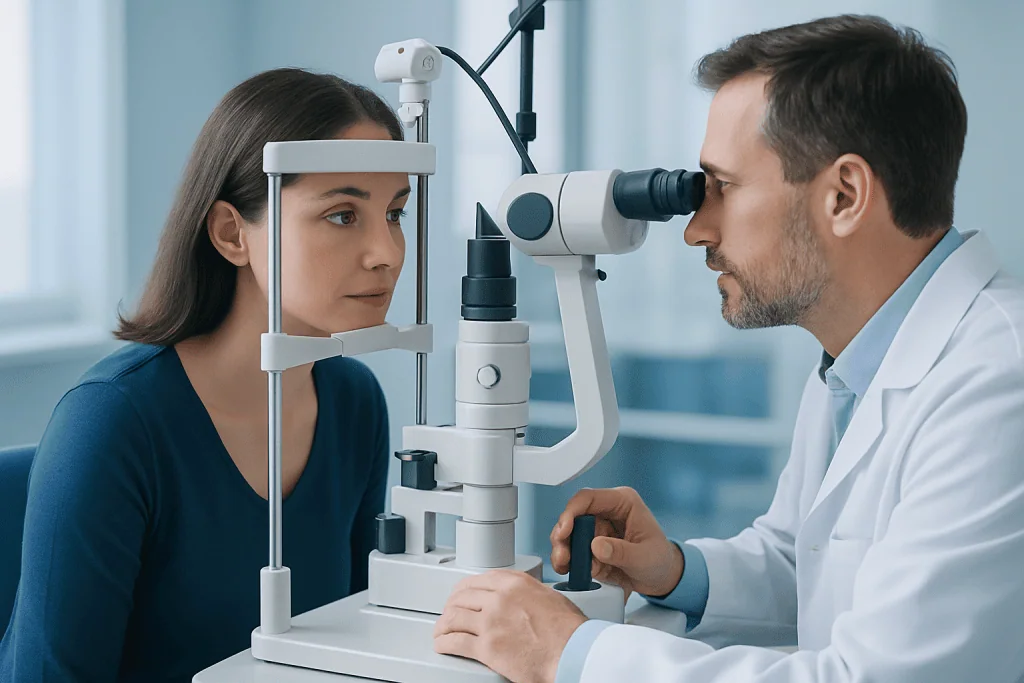
Before prescribing glaucoma treatment drugs, an eye specialist confirms the diagnosis and assesses the risk of future damage. Evaluation commonly includes measuring eye pressure, examining the drainage angle, inspecting the optic nerve, testing the visual field and taking images of the nerve. Corneal thickness and family history may also inform the plan.
When a medicine is prescribed, the clinician explains which eye or eyes to treat, how often to use the drops and what side effects to watch for. The first follow-up is often arranged within weeks, depending on the pressure level, medicine used and severity of glaucoma. At that visit, the clinician checks whether the medicine is lowering pressure and causing any problems.
To use drops, the person should wash their hands, avoid touching the bottle tip to the eye or skin, place one drop into the lower eyelid pocket and gently close the eye. Pressing lightly at the inner corner of the closed eye for about one to two minutes can reduce drainage into the nose and bloodstream. When more than one eye medicine is needed, waiting several minutes between drops helps prevent one from washing out another.
Results, recovery timeline and everyday expectations
Unlike a procedure with a defined recovery period, glaucoma medication becomes part of ongoing daily care. Some drops begin reducing eye pressure within hours, but the clinically important question is whether the pressure remains at a safe target over weeks, months and years. Follow-up testing helps answer that question.
Many people do not feel a difference after starting treatment because glaucoma and elevated pressure often cause no symptoms. This does not mean the drops are ineffective. They should be continued exactly as prescribed unless the prescribing clinician advises otherwise.
A medicine may be changed if it does not lower pressure enough, causes troublesome effects or is difficult to fit into daily life. If drops are insufficient, an ophthalmologist may discuss glaucoma treatment options such as laser procedures or surgery. These decisions are based on long-term protection of vision, not on symptoms alone.
What are the common side effects of taking glaucoma medication?
Side effects depend on the medication class. Common local effects include temporary stinging or burning after applying drops, eye redness, dryness, blurred vision for a short time and irritation of the eyelids. Preservatives in some formulations can also contribute to surface irritation in people with sensitive or dry eyes.
Prostaglandin analogue drops can gradually darken the iris in some people, deepen eyelid skin color and make eyelashes longer or thicker. These changes may be more noticeable when only one eye is treated. Some drops can also cause changes around the eyelids or eye socket over time.
Although eye drops are applied locally, small amounts can enter the bloodstream. Depending on the medicine, possible systemic effects can include tiredness, headache, changes in blood pressure or heart rate, breathing symptoms, dry mouth or altered taste. People should tell their clinician about all medicines and health conditions, and should seek prompt advice if they develop breathing difficulty, fainting, severe rash or other concerning symptoms.
How quickly does glaucoma progress with treatment?
Glaucoma progresses at very different rates. Some people have little or no measurable progression over many years when eye pressure is well controlled, while others need more intensive treatment because their optic nerve is more vulnerable. The aim of treatment is to slow progression enough to preserve useful vision throughout life.
Progression cannot be judged reliably by how a person feels. Visual field tests and optic nerve imaging can identify subtle change before it is noticeable in daily activities. These results, together with eye pressure readings, allow the ophthalmologist to adjust the target pressure or treatment if needed.
Keeping appointments is especially important after starting or changing medication. Missing drops, stopping treatment without advice or waiting until vision changes are noticeable may allow pressure-related damage to continue. A person who finds the schedule difficult should discuss it openly; simpler regimens, alternative formulations, laser treatment or other options may help.
What is the best thing you can do to stop glaucoma from getting worse?
The most important action is to follow the agreed treatment plan consistently and attend scheduled eye examinations. Because glaucoma damage is usually irreversible and often symptom-free, regular treatment is more protective than waiting for symptoms to appear. Setting reminders, linking drops to a daily routine and carrying an updated medication list can support adherence.
People should not stop, share or change glaucoma medication without medical advice. They should also inform all healthcare professionals, including their primary care clinician, about glaucoma and eye drops, particularly before starting new medicines. Maintaining general health, avoiding smoking and managing conditions such as high blood pressure or diabetes can support overall vascular and eye health, although these steps do not replace pressure-lowering treatment.
At Acibadem International, multidisciplinary eye-care specialists at JCI-accredited hospitals can assess glaucoma and coordinate medical, laser and surgical treatment options for international patients.
When to seek medical care
Routine eye care is important for anyone diagnosed with glaucoma, anyone with raised eye pressure and people at increased risk, including those with a family history of glaucoma. A person should arrange an eye assessment if they notice gradual peripheral vision changes, have been told their eye pressure is high or have concerns about medication side effects.
Urgent medical assessment is needed for sudden severe eye pain, a red eye, blurred vision, halos around lights, headache, nausea or vomiting. These symptoms can occur with acute angle-closure glaucoma, which needs prompt treatment to protect vision. Sudden loss of vision should always be treated as an emergency.
People who are pregnant, breastfeeding, planning pregnancy or managing heart or lung disease should ask their ophthalmologist and relevant clinicians about the safest glaucoma medication plan. Treatment can usually be tailored, but it should not be changed independently.
Frequently asked questions
Can glaucoma treatment drugs restore lost vision?
No. Current glaucoma medicines cannot restore vision that has already been lost from optic nerve damage. Their purpose is to lower eye pressure and reduce the chance of further vision loss.
Do glaucoma eye drops have to be used for life?
Many people need long-term treatment because glaucoma is usually chronic. The plan may change over time, and some people may use laser or surgery to reduce their need for drops, but treatment should only be adjusted with an ophthalmologist.
What should a person do if they miss a glaucoma eye drop dose?
They should follow the instructions provided by their prescribing clinician or pharmacist. In general, they should not use extra drops to make up for a missed dose unless specifically advised, as this can increase side effects without improving pressure control.
Can glaucoma medication make the eyes look different?
Some prostaglandin analogue drops may darken the iris or eyelid skin and can make eyelashes longer or thicker. They may also cause subtle changes around the eyelids over time. An eye specialist can discuss these effects and alternatives if they are a concern.
Why is glaucoma getting worse even when eye drops are used?
Pressure may still be above the individual target, the disease may progress despite apparently controlled pressure, or doses may be missed unintentionally. Regular testing helps identify progression early, and the treatment plan can then be strengthened or changed.
Can over-the-counter eye drops treat glaucoma?
No. Lubricating or redness-relief drops do not treat glaucoma or lower pressure in a reliable way. Prescription treatment and regular monitoring by an eye specialist are needed to protect the optic nerve.
References
- American Academy of Ophthalmology
- National Eye Institute
- Glaucoma Research Foundation
- European Glaucoma Society
This article is for general information only and is not a substitute for professional medical advice. Please consult a qualified doctor about your individual situation.
Glaucoma in Turkey — costs, top hospitals & a free quote
JCI-accredited · board-certified surgeons · reply within 24h
Add us as a Preferred Source to see more of our trusted health content across Google Search, AI Overviews and Discover.

Ophthalmology
Comprehensive eye care from laser vision correction to retina, cornea and cataract surgery.
75 specialists in this unit