Glucagon: An Evidence-Based Guide for Patients

Glucagon raises blood sugar by signaling the liver to release stored glucose. As a medicine, glucagon is used mainly for severe hypoglycemia when a person cannot swallow safely or is unconscious.
Key Takeaways
- Glucagon raises blood sugar by signaling the liver to release stored glucose.
- As a medicine, glucagon is used mainly for severe hypoglycemia when a person cannot swallow safely or is unconscious.
- Family members, caregivers, teachers, and coworkers may need to learn how to give glucagon in an emergency.
- After glucagon is used, the person still needs prompt medical follow-up and usually emergency evaluation.
- Glucagon may cause nausea or vomiting, so a person should be placed on their side if unconscious or very drowsy.
Glucagon is a natural hormone made by the pancreas and also a medicine used in emergencies to treat severe low blood sugar. For patients and families, understanding when glucagon is needed, how it works, and when to get medical help can improve safety and confidence.
What glucagon is and why it matters
Glucagon is a hormone made by the pancreas. Its main job is to help prevent blood sugar from falling too low by telling the liver to release stored glucose into the bloodstream. In everyday health, glucagon works in balance with insulin, which lowers blood sugar.
Glucagon is also the name of a medication used to treat severe hypoglycemia, also called severe low blood sugar. This medicine is especially important when a person is confused, having a seizure, unconscious, or otherwise unable to eat or drink safely. In that situation, glucagon can temporarily raise blood sugar until further care is available.
Many people associate glucagon only with diabetes emergencies, but it has broader medical relevance because it reflects how the body regulates energy. Understanding glucagon can help patients, parents, and caregivers recognize why low blood sugar can become urgent and why fast action matters.
How glucagon works in the body
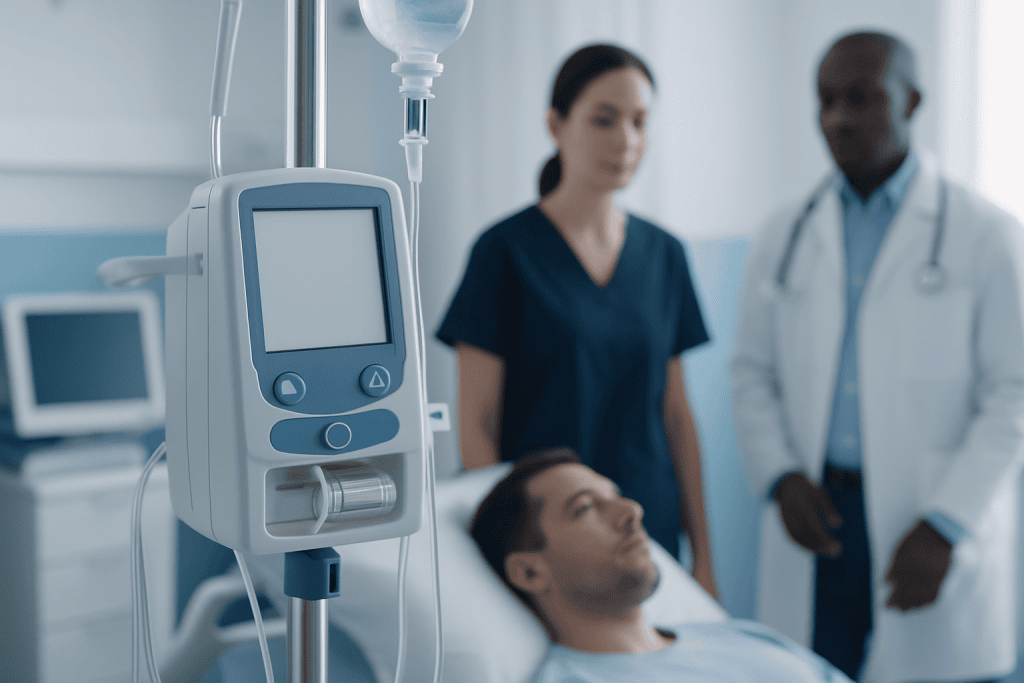
When blood glucose drops, the pancreas releases glucagon into the bloodstream. Glucagon travels to the liver and signals it to break down stored glycogen into glucose, which then enters the blood. This response helps maintain the brain and other organs that depend on a steady glucose supply.
Glucagon also supports glucose production in the liver during fasting or illness. Its effect is usually short-term and depends on the body having enough stored glycogen. For this reason, glucagon may be less effective after prolonged fasting, heavy alcohol use, or certain chronic illnesses that reduce liver glucose stores.
Insulin and glucagon work as a coordinated pair. Insulin helps move glucose out of the blood and into cells after eating, while glucagon helps restore blood sugar when it falls. In people with diabetes, especially those using insulin or some glucose-lowering medicines, this balance can be disrupted, increasing the risk of hypoglycemia.
When glucagon is used as a medicine
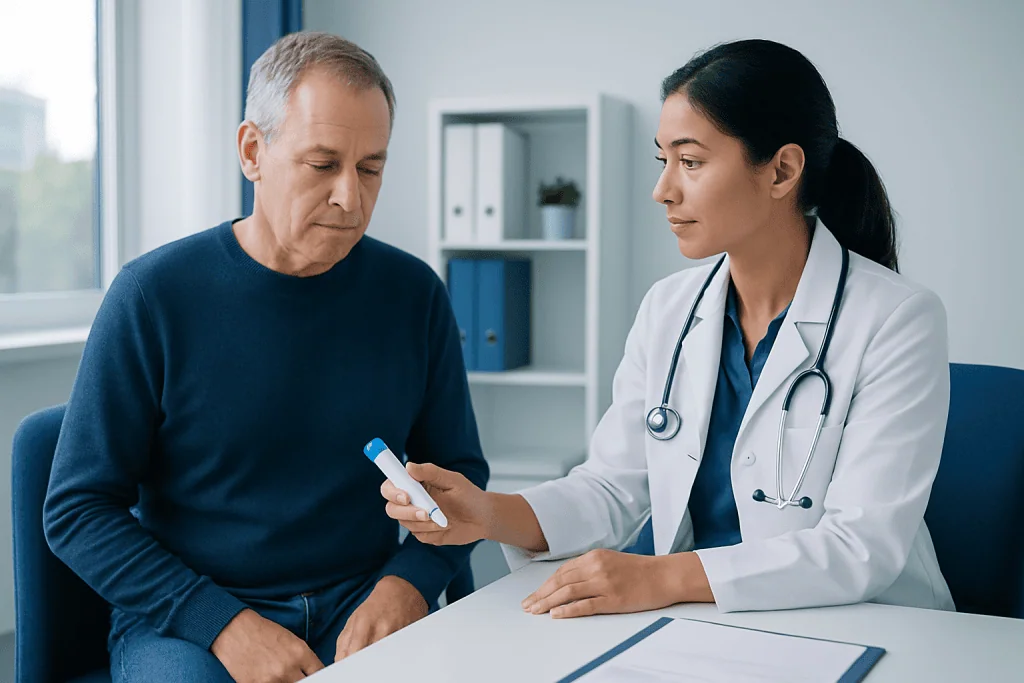
The most common use of glucagon medicine is emergency treatment for severe hypoglycemia. Severe hypoglycemia means blood sugar is so low that the person cannot manage it independently. They may be too confused to swallow, may not respond normally, or may lose consciousness.
Glucagon may be prescribed for people with diabetes who use insulin or who have a history of serious low blood sugar episodes. Caregivers are often advised to keep glucagon available at home, at school, during travel, or in the workplace. Modern formulations may come as an injection or a nasal product, depending on the country and local availability.
In some medical settings, glucagon may also be used for specific diagnostic or procedural reasons under professional supervision. For most patients, however, the key point is its emergency role in diabetes care, particularly in people affected by diabetes.
Signs of severe low blood sugar
Low blood sugar can begin with warning signs such as shakiness, sweating, hunger, rapid heartbeat, tingling, anxiety, or irritability. As glucose falls further, symptoms may become more serious and can affect thinking, speech, coordination, and behavior. Some people become unusually sleepy or confused and may not realize what is happening.
Severe hypoglycemia can lead to seizures, loss of consciousness, or an inability to swallow safely. This is the point at which glucagon may be needed. If a person is awake and able to swallow, fast-acting carbohydrates are usually the first response, but if they cannot safely take food or drink, glucagon is more appropriate.
People with long-standing diabetes may develop reduced awareness of hypoglycemia, meaning they feel fewer early warning signs. This makes a severe episode more likely and is one reason doctors may recommend regular education, glucose monitoring, and emergency planning. Related conditions such as hypoglycemia should be assessed carefully with a qualified clinician.
How to use glucagon in an emergency
Patients should follow the instructions that come with their specific glucagon product and review them with a healthcare professional in advance. In general, glucagon is given when a person with suspected severe hypoglycemia is unconscious, having a seizure, or unable to swallow safely. A trained family member, caregiver, teacher, or colleague may need to give it.
After glucagon is given, emergency medical help should still be sought promptly, especially if the person does not wake up quickly, has a seizure, is injured, or the cause of the episode is uncertain. If the person is unconscious or vomiting, placing them on their side can help reduce the risk of choking. Once they are awake and able to swallow, they are usually given carbohydrates to support recovery.
For people at higher risk, a doctor may recommend education on diabetes emergency planning, medication review, and glucose monitoring. Depending on the overall care plan, this may be discussed alongside insulin therapy or use of continuous glucose monitoring.
Side effects, precautions, and limits of glucagon
Glucagon is generally considered safe when used as directed for an emergency, but side effects can occur. The most common are nausea and vomiting. Some people may also develop headache or temporary discomfort after treatment, and these effects often improve as the person recovers.
Because vomiting can happen, a drowsy or unconscious person should be positioned on their side if possible. Patients and caregivers should also know that glucagon is not a substitute for medical evaluation after a severe event. It buys time, but it does not explain why the episode happened or prevent another one later the same day.
Glucagon may be less effective if liver glycogen stores are very low, such as after prolonged fasting or heavy alcohol intake. Certain rare medical conditions may also affect whether glucagon is appropriate. This is why an individualized plan from an endocrinology team is important, and why some patients benefit from broader review through services such as endocrinology and metabolic diseases care.
Prevention and daily self-care
For many patients, the safest approach is to prevent severe hypoglycemia before it happens. This often includes taking medicines exactly as prescribed, not skipping meals, checking blood sugar as advised, and learning how exercise, alcohol, illness, and changes in routine affect glucose levels. People who use insulin should ask their clinician how to adjust safely during travel, fasting, or decreased appetite.
It is also helpful to create a written hypoglycemia action plan. This plan may list early symptoms, target blood glucose ranges, quick sugar sources, emergency contacts, and where glucagon is stored. Family members and caregivers should know when to use glucagon and when to call emergency services.
Wearing medical identification can be useful if symptoms occur in public. Regular follow-up may help identify medication timing issues, overnight lows, or patterns linked to meals and activity. In some cases, structured diabetes support and technology can reduce risk and improve confidence in daily management.
When to seek medical care
Medical care is needed right away if severe hypoglycemia is suspected, especially if the person is unconscious, having a seizure, injured, pregnant, or not improving after glucagon. Emergency help is also important if there is repeated vomiting, chest pain, trouble breathing, or uncertainty about what caused the event. Even if the person seems better, follow-up is usually needed after a severe episode.
Patients should also contact a doctor if low blood sugar episodes are happening more often, occurring during sleep, or developing without warning symptoms. This may mean that medications, meal planning, alcohol use, physical activity, or other health conditions need review. A clinician can help adjust treatment to reduce future risk.
For international patients who need assessment and ongoing management, Acibadem International’s multidisciplinary specialists in JCI-accredited hospitals diagnose and treat glucose-related emergencies and the underlying conditions that contribute to them. Professional evaluation is the safest way to confirm whether glucagon is appropriate and to build a personalized prevention plan.
Frequently asked questions
What is glucagon used for?
Glucagon is used mainly to treat severe low blood sugar, especially when a person cannot swallow safely or is unconscious. It quickly tells the liver to release stored glucose into the bloodstream. It may also have specialized uses in medical settings under professional supervision.
Is glucagon the same as insulin?
No. Insulin lowers blood sugar, while glucagon raises it when levels fall too low. The two hormones normally work together to help keep blood glucose within a healthy range.
Who should have glucagon available?
People at risk of severe hypoglycemia may be advised by their doctor to keep glucagon on hand. This often includes some people with diabetes who use insulin or certain other glucose-lowering medicines. Caregivers and close contacts should also know where it is kept and how to use it.
What should happen after glucagon is given?
Emergency help or urgent medical advice is usually needed after glucagon is used, even if the person wakes up. Once fully awake and able to swallow, they are generally given carbohydrates to support recovery. A clinician should review why the episode happened and how to prevent it from happening again.
Can glucagon cause side effects?
Yes, nausea and vomiting are among the most common side effects. Some people may also feel headache or temporary discomfort after treatment. Because vomiting can occur, an unconscious or very drowsy person should be placed on their side if possible.
Does glucagon always work?
Glucagon is often effective, but it may work less well if the body has very low liver glucose stores, such as after prolonged fasting or heavy alcohol use. This is one reason emergency medical follow-up remains important. If a person does not improve promptly, emergency services should be contacted immediately.
References
- American Diabetes Association
- National Institute of Diabetes and Digestive and Kidney Diseases
- Centers for Disease Control and Prevention
- Mayo Clinic
- National Health Service
This article is for general information only and is not a substitute for professional medical advice. Please consult a qualified doctor about your individual situation.
Explore treatments in Turkey — costs, top hospitals & a free quote
JCI-accredited · board-certified surgeons · reply within 24h
Add us as a Preferred Source to see more of our trusted health content across Google Search, AI Overviews and Discover.

More from the Health Library



Related Specialists

Prof. Dr. Ahmet Ümit Güllü
Cardiovascular Surgery
Dr. Barış Sancak
Psychiatry
Dr. Süleyman Büber
Clinical Laboratory
Dr. Yusuf İzzet Güngörmüş
Ophthalmology