Glucose Random: What Patients Need to Know

A glucose random test measures blood sugar at the moment the sample is taken, regardless of when the person last ate. It is useful for screening, urgent assessment, and monitoring symptoms, but one result alone does not always diagnose diabetes.
Key Takeaways
- A glucose random test measures blood sugar at the moment the sample is taken, regardless of when the person last ate.
- It is useful for screening, urgent assessment, and monitoring symptoms, but one result alone does not always diagnose diabetes.
- High or low results can happen for several reasons, including meals, medicines, stress, illness, or hormone conditions.
- Doctors may follow an abnormal result with fasting glucose, HbA1c, or an oral glucose tolerance test.
- Anyone with symptoms such as excessive thirst, frequent urination, confusion, sweating, or fainting should seek medical advice promptly.
Glucose random refers to a blood sugar measurement taken at any time of day, without needing to fast first. It can quickly show whether blood sugar is unusually high or low, but the result often needs to be interpreted alongside symptoms, medical history, and sometimes additional tests.
What glucose random means
Glucose random means a blood sugar test done at any time of day, whether or not the person has eaten recently. In practice, it is often called a random blood glucose test. It gives a snapshot of how much glucose is circulating in the bloodstream at that moment.
This test is commonly used because it is quick and convenient. A doctor may order it during a routine visit, while evaluating symptoms such as thirst or dizziness, or in an urgent setting when a rapid blood sugar reading is needed. Because it does not require fasting, it can be performed more easily than some other glucose tests.
What makes glucose random different is that timing matters less, but interpretation matters more. A result can be influenced by a recent meal, exercise, stress, infection, certain medicines, or an underlying health condition. For this reason, healthcare professionals usually interpret the number together with symptoms, physical findings, and sometimes repeat or confirmatory testing.
Why doctors order a random blood glucose test
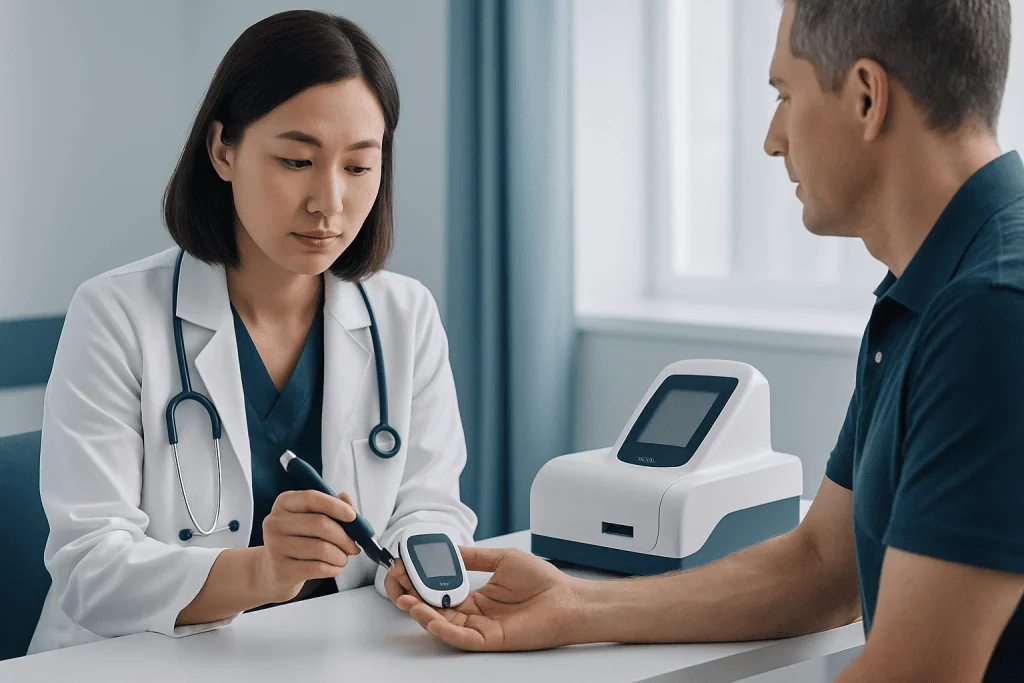
A random blood glucose test is often used as a first look at blood sugar balance. It may help identify possible diabetes, detect low blood sugar, or explain symptoms such as fatigue, shakiness, blurred vision, or unusual thirst. In emergency care, it can also help doctors quickly assess a person who is confused, weak, or unwell.
Doctors may order the test when someone has symptoms linked to high blood sugar, including frequent urination, increased thirst, unexplained weight loss, or recurrent infections. It may also be used when low blood sugar is suspected, especially if a person feels sweaty, shaky, hungry, lightheaded, or has trouble concentrating.
Sometimes the test is done as part of broader care during illness or hospitalization. Blood sugar can rise during infections, after surgery, with steroid treatment, or during significant physical stress. In these settings, glucose random is not just a screening tool; it can help guide immediate decisions about monitoring and treatment.
It may also be one piece of an evaluation for conditions related to sugar metabolism, including diabetes. However, a single random result is not always enough to confirm the diagnosis unless it is clearly abnormal and fits the person’s symptoms.
How to understand the result

The meaning of a glucose random result depends on context. A reading that is normal for one person after a meal may raise concern in another person who has symptoms or other risk factors. Laboratories may report results in different units, so the doctor will interpret the number using the local reference method and the person’s clinical picture.
In general, a random blood glucose result that is significantly elevated can suggest diabetes or another cause of hyperglycemia. A very low result may point to hypoglycemia. Still, many results fall into a gray area where the next step is not a diagnosis but further testing.
Doctors often look at more than the number itself. They consider when the person last ate, what was eaten, whether there was recent exercise, alcohol use, infection, pregnancy, or medicines such as steroids or insulin. This is why two people with the same result may be advised to take different next steps.
If a result is abnormal, the doctor may recommend repeat testing or more specific tests such as fasting plasma glucose, HbA1c, or an oral glucose tolerance test. These provide a broader picture of blood sugar control and can help distinguish temporary changes from an ongoing problem.
Symptoms and situations linked to high or low blood sugar
High blood sugar may cause increased thirst, frequent urination, dry mouth, blurred vision, fatigue, headache, or unexplained weight loss. Some people develop symptoms slowly and do not notice them at first. Others may only discover a problem when a random blood glucose test is done for another reason.
Low blood sugar can lead to sweating, shaking, rapid heartbeat, hunger, irritability, weakness, dizziness, confusion, or even loss of consciousness in severe cases. These symptoms may appear suddenly, especially in people who use glucose-lowering medicines. However, low blood sugar can also happen in people without diabetes under certain circumstances.
Common situations that can affect a glucose random result include:
- Eating a large meal or sugary snack shortly before the test
- Fasting for too long or missing meals
- Taking insulin or diabetes medications
- Acute illness, infection, or fever
- Severe stress or recent surgery
- Use of steroids or some other prescription drugs
- Pregnancy or hormone-related conditions
Because symptoms can overlap with many other conditions, a random glucose reading should not be interpreted in isolation. When symptoms are persistent or severe, medical evaluation is important even if one test result seems only mildly abnormal.
What can cause an abnormal glucose random result
An elevated glucose random result may be caused by diabetes, prediabetes, infection, stress, steroid medications, or endocrine disorders that increase blood sugar. In some cases, a temporary rise happens during acute illness and settles as the illness improves. This is one reason follow-up testing can be so helpful.
A low result can happen if someone has not eaten enough, has exercised heavily without adequate nutrition, drinks alcohol on an empty stomach, or takes diabetes medicines that lower blood sugar too much. Less commonly, hormonal disorders, liver disease, or insulin-producing tumors may play a role.
Risk factors for ongoing blood sugar problems include family history of diabetes, overweight or obesity, limited physical activity, high blood pressure, abnormal cholesterol, gestational diabetes history, and certain ethnic or genetic backgrounds. Age can also increase risk, though diabetes can affect younger adults and children as well.
If abnormal readings recur, a doctor may investigate related conditions and complications. Depending on the person’s symptoms and history, this may include assessment for blood sugar disorders and broader metabolic health concerns.
Diagnosis and follow-up testing
A glucose random test can raise suspicion of a blood sugar disorder, but diagnosis usually relies on additional evidence. A doctor may repeat the test, review symptoms, and order fasting blood glucose, HbA1c, or an oral glucose tolerance test. These tests help show whether the problem is persistent and how significant it is.
HbA1c reflects average blood sugar over the past two to three months, which makes it useful for identifying longer-term patterns. Fasting blood glucose is measured after not eating for a set period and may be easier to compare across patients. An oral glucose tolerance test looks at how the body handles sugar over time and may be used in certain situations, including pregnancy.
Further evaluation may include urine testing, ketone testing, electrolyte checks, and review of medications. If a person is acutely unwell, clinicians may assess for serious complications such as severe dehydration or diabetic emergencies. Imaging is not usually needed for routine screening, but it may be considered when another underlying illness is suspected.
When diabetes is confirmed, a personalized plan may follow. Depending on the findings, some people may need structured monitoring, nutrition support, or diabetes treatment to help keep blood sugar within a safer range.
Treatment, prevention, and self-care
Treatment depends on the cause of the abnormal result. If blood sugar is high because of diabetes, care may include lifestyle changes, regular monitoring, and medication when needed. If blood sugar is low, treatment focuses on correcting the immediate episode and finding the reason it happened so it can be prevented in the future.
Healthy daily habits support better glucose balance for many people. These include regular meals, balanced portions, adequate hydration, consistent physical activity, good sleep, and limiting excess sugary drinks or highly processed foods. People with diagnosed diabetes should follow the plan given by their healthcare team and ask before making major changes to food, exercise, or medication.
Self-care measures that may help include:
- Keeping follow-up appointments and repeat blood tests
- Learning the symptoms of high and low blood sugar
- Taking prescribed medicines exactly as directed
- Discussing all supplements and over-the-counter medicines with a doctor
- Having a plan for illness, travel, and missed meals
Some people may benefit from specialist care, including nutrition counseling or endocrine evaluation. When more advanced support is needed, options can include endocrinology and metabolic disease care and education on blood sugar monitoring. Near the end of the care pathway, international patients may also seek evaluation at Acibadem International, where multidisciplinary specialists in JCI-accredited hospitals diagnose and treat blood sugar disorders.
When to seek medical care
Medical advice is important if a person has repeated high or low glucose random results, symptoms of blood sugar imbalance, or risk factors for diabetes. Persistent thirst, frequent urination, unexplained weight loss, unusual fatigue, repeated infections, or blurred vision all deserve professional evaluation. Symptoms of low blood sugar, such as shaking, sweating, confusion, or fainting, should also be discussed with a doctor.
Urgent care is needed if someone has severe weakness, trouble breathing, chest pain, marked confusion, persistent vomiting, seizures, or loss of consciousness. These symptoms may signal a serious blood sugar problem or another medical emergency. Anyone who is pregnant, very young, older, or living with chronic illness should be especially cautious.
People already diagnosed with diabetes should seek help sooner if home readings are consistently outside their target range, if they cannot keep food or fluids down, or if they feel unwell despite following their treatment plan. In some cases, doctors may recommend tailored support such as internal medicine evaluation to identify contributing illnesses or medication effects.
Frequently asked questions
What is the difference between glucose random and fasting glucose?
A glucose random test is taken at any time, regardless of when the person last ate. A fasting glucose test is done after a period without food, so it is more standardized for diagnosis. Both can be useful, but they answer slightly different clinical questions.
Can one random blood glucose test diagnose diabetes?
Sometimes a clearly high random blood glucose result, together with typical symptoms, strongly suggests diabetes. However, many people need confirmatory testing such as fasting glucose or HbA1c. Doctors usually make the diagnosis based on the full clinical picture rather than one isolated number.
What can make a glucose random result high even without diabetes?
Recent eating, acute stress, infection, surgery, and certain medicines such as steroids can raise blood sugar temporarily. Some hormone conditions can also affect glucose levels. That is why abnormal results often need follow-up testing.
What symptoms may suggest low blood sugar?
Common symptoms include sweating, shaking, hunger, dizziness, irritability, and trouble concentrating. More severe low blood sugar can cause confusion, fainting, or seizures. These symptoms should be assessed promptly, especially in people taking diabetes medication.
Is a random blood glucose test used in emergencies?
Yes. It is often used in emergency and urgent care because it gives a quick picture of blood sugar at that moment. This can help explain confusion, weakness, collapse, or other sudden symptoms and guide immediate treatment.
What happens after an abnormal glucose random result?
The next step depends on the result and the person’s symptoms. A doctor may repeat the test, order fasting glucose or HbA1c, review medications, and look for illness or other contributing factors. Treatment is based on the cause rather than the number alone.
This article is for general information only and is not a substitute for professional medical advice. Please consult a qualified doctor about your individual situation.
Explore treatments in Turkey — costs, top hospitals & a free quote
JCI-accredited · board-certified surgeons · reply within 24h
Add us as a Preferred Source to see more of our trusted health content across Google Search, AI Overviews and Discover.

More from the Health Library

Narrow-complex Tachyarrhythmias: An Evidence-Based Guide for Patients

Histamine: An Evidence-Based Guide for Patients

Flat Feet Exercises — Explained by Medical Evidence, Not Myths

Good Bedtime Snacks: What Patients Need to Know

Fasting Benefits — Explained by Medical Evidence, Not Myths