Flat Feet Exercises — Explained by Medical Evidence, Not Myths

Flat feet are common and often need no treatment when they are painless and flexible. Exercises can build strength and control in the foot, ankle, calf, and hip muscles, but may not permanently recreate an arch.
Key Takeaways
- Flat feet are common and often need no treatment when they are painless and flexible.
- Exercises can build strength and control in the foot, ankle, calf, and hip muscles, but may not permanently recreate an arch.
- Pain, stiffness, one-sided arch collapse, or difficulty walking warrants assessment by a qualified clinician.
- Exercises should be gradual and should not cause sharp or increasing pain.
- Supportive shoes or orthoses may reduce symptoms for some people, alongside—not necessarily instead of—exercise.
Flat feet exercises may help improve foot and ankle strength, balance, and comfort, especially when flexible flat feet cause tiredness or mild pain. They are most useful when chosen for the individual and combined with supportive footwear, gradual activity changes, and clinical advice when symptoms persist.
Overview: what flat feet exercises can realistically do
Flat feet exercises can strengthen the muscles that support the foot and ankle, improve balance, and reduce strain during walking or standing. For people with flexible flat feet, a regular, gradual programme may lessen fatigue or mild discomfort; however, exercises do not reliably restore a permanently higher arch, and an arch that looks low is not automatically a medical problem.
Flat feet, also called pes planus, describe feet in which the arch appears low or absent when standing. In flexible flat feet, the arch often becomes visible when the person sits, stands on tiptoe, or lifts the big toe. This common pattern may be present from childhood or develop over time, and many people have no pain or limitation.
The most useful approach is based on symptoms and function rather than appearance alone. Exercises are generally aimed at improving the foot’s ability to control load, while calf, ankle, hip, and balance work can address factors that influence how the leg moves during activity.
Why foot strength and movement matter
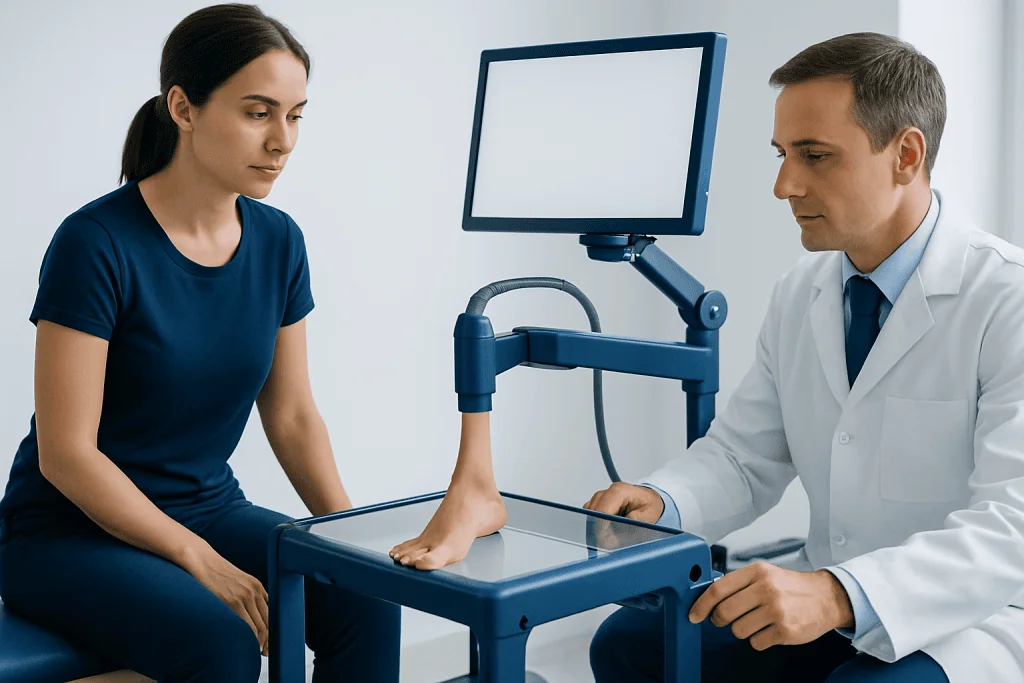
The arch is supported by bones, ligaments, tendons, and small muscles within the foot. Muscles in the lower leg, particularly those that help control the ankle and arch, also contribute to stability. During walking, the foot needs to be mobile enough to absorb impact and firm enough to help push the body forward.
In some people, a low arch is simply a normal variation. In others, prolonged standing, a rapid increase in exercise, tight calf muscles, reduced foot strength, body-weight changes, injury, or tendon problems may contribute to discomfort. Exercise cannot correct every cause of flatfoot, but it may improve strength, flexibility, and movement control where these are relevant.
Medical evidence supports exercise as a reasonable conservative option for symptomatic flexible flat feet, although research programmes differ and no single exercise routine is proven best for everyone. Improvement is usually judged by less pain, better tolerance for walking or sport, and improved confidence with daily movement—not by arch height alone.
A practical flat feet exercise routine
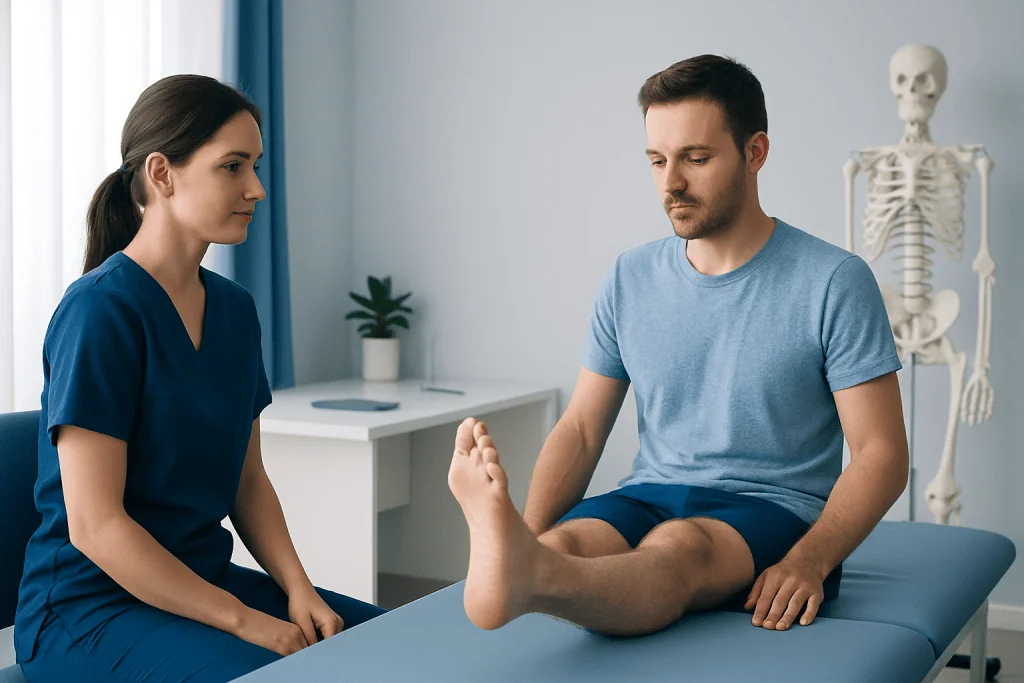
A clinician or physiotherapist can tailor exercises after assessing the feet, footwear, walking pattern, strength, and goals. For a gentle starting routine, exercises are often performed on most days or several days each week, with repetitions and difficulty increased slowly. Mild muscle effort is expected; sharp pain, swelling, or worsening symptoms are signals to stop and seek advice.
- Short-foot exercise: While seated, keep the toes relaxed and gently draw the ball of the foot toward the heel, as if shortening the foot without curling the toes. Hold briefly, then relax. Progress to standing only when this is comfortable.
- Toe control: Practice lifting the big toe while keeping the smaller toes down, then lift the smaller toes while keeping the big toe down. This builds awareness and control of the small foot muscles.
- Calf raises: Rise slowly onto the balls of both feet, pause, and lower with control. If comfortable, progress by shifting more weight to one leg. Keeping the heel moving straight rather than rolling inward can be helpful.
- Calf stretch: With hands against a wall, step one foot back and keep that heel down. Lean forward gently with the back knee straight; then repeat with the back knee slightly bent to stretch different parts of the calf.
- Single-leg balance: Stand near a stable support, balance on one foot, and maintain a relaxed, steady foot position. Progress by reducing hand support or adding gentle head turns only when safe.
These movements should be controlled rather than forceful. A person who is new to exercise may begin with a small number of comfortable repetitions and build over several weeks. Rest days and lower-impact activities such as cycling or swimming can be useful if walking or running currently triggers symptoms.
Exercises that support the whole lower limb
Flat feet do not work in isolation. The ankle, knee, hip, and trunk all influence lower-limb alignment and load. For this reason, a rehabilitation programme may include exercises beyond the foot, particularly when a person has knee discomfort, recurrent ankle sprains, running-related symptoms, or poor balance.
Examples include side-lying hip abduction, controlled step-downs, bridges, and sit-to-stand practice. These exercises can strengthen the hip and thigh muscles used to steady the pelvis and leg during walking, stairs, and running. They should be selected based on the person’s abilities and should not be used to imply that every low arch is caused by hip weakness.
For runners and active people, activity progression matters as much as exercise choice. Increasing distance, hills, speed, or training frequency too quickly can overload tissues in any foot shape. A gradual return plan, adequate recovery, and attention to pain during and after activity are more reliable than trying to force the feet into a particular position.
Footwear, insoles, and everyday self-care
Comfortable shoes with a stable heel, enough width for the toes, and a sole suited to the person’s activity may reduce symptoms. There is no universally “correct” shoe for flat feet. The best choice is usually one that feels comfortable, fits properly, and supports the activities the person needs to do.
Over-the-counter insoles or custom orthoses may help some people with painful flat feet by redistributing pressure and improving comfort. They are generally used to manage symptoms rather than permanently reshape the foot. A clinician may suggest a trial of an insole together with exercise, especially if pain occurs during prolonged standing, walking, or sport.
Helpful self-care also includes pacing activities, avoiding sudden training increases, and using cold packs wrapped in cloth for short periods after activity if this brings relief. Maintaining general fitness and managing health conditions that affect joints, nerves, or circulation can support mobility. People with diabetes, reduced sensation in the feet, or circulation problems should seek professional advice before beginning a new foot-care or exercise programme.
When flat feet exercises may not be enough
Not all flat feet are flexible. A rigid flat foot may remain flat when sitting or standing on tiptoe and can be associated with stiffness, joint changes, or other structural conditions. Adults can also develop progressive flattening of one foot because of problems involving the posterior tibial tendon, a tendon that helps support the arch.
Exercise may still be part of care, but the underlying cause should be identified. Assessment can include a clinical examination of foot flexibility, tendon strength, walking, footwear wear patterns, and related joints. Imaging is not always needed, but a clinician may recommend it after injury, with marked deformity, or when a tendon, bone, or joint condition is suspected.
Treatment is individualized and may include activity modification, physiotherapy, insoles or braces, pain-management strategies, and treatment of associated conditions. Surgery is considered only in selected cases when significant symptoms or deformity continue despite appropriate non-surgical care. The aim is to improve comfort and function, not to treat a painless foot simply because its arch is low.
When to seek medical care
A person should arrange a medical assessment if foot or ankle pain is persistent, limits normal walking, disrupts sleep, or fails to improve with sensible self-care. Evaluation is also important if one foot becomes flatter than the other, the arch changes noticeably in adulthood, or there is swelling or tenderness along the inner ankle.
Urgent medical advice is appropriate after a significant injury, inability to bear weight, severe swelling, redness with fever, a cold or pale foot, new numbness, or a wound that is not healing. Children with painless flexible flat feet usually do not need treatment, but review is sensible if there is pain, stiffness, frequent tripping, asymmetry, or difficulty keeping up with usual activities.
Acibadem International’s multidisciplinary specialists and JCI-accredited hospitals can assess foot and ankle symptoms and coordinate appropriate rehabilitation and treatment for international patients. A qualified clinician can help distinguish a common flexible low arch from conditions that need more specific care.
Frequently asked questions
Can exercises fix flat feet permanently?
Exercises may improve muscle strength, balance, and comfort, particularly in flexible flat feet. They do not consistently or permanently recreate a visible arch, especially where foot structure is established. The meaningful goals are usually less pain and better daily function.
Which exercise is best for flat feet?
There is no single best exercise for every person. Short-foot exercises, calf raises, calf stretches, toe-control drills, and balance work are commonly used because they target foot and ankle control. A physiotherapist can select and progress exercises according to symptoms, flexibility, strength, and activity level.
Should flat feet exercises hurt?
Exercises may create mild muscle fatigue or a gentle stretch, but they should not cause sharp pain, increasing swelling, or pain that lingers or worsens afterward. If this happens, the person should stop the exercise and seek advice from a healthcare professional. The programme may need to be modified or the foot assessed.
How long does it take for flat feet exercises to help?
Changes in strength and movement control generally take consistent practice over several weeks. Symptom improvement varies with the cause of pain, footwear, activity demands, and whether tendon or joint problems are present. A clinician can reassess the plan if there is no meaningful improvement after a reasonable trial.
Are flat feet exercises safe for children?
Painless flexible flat feet are common in children and often require no exercises or treatment. If a child has pain, stiffness, a limp, frequent falls, or one foot that looks different from the other, a healthcare professional should assess them. Any exercise plan should be age-appropriate and guided when symptoms are present.
Do insoles work better than exercises for flat feet?
Insoles and exercises have different roles and are often used together. Insoles may provide earlier comfort by changing how pressure is distributed in the shoe, while exercise aims to improve strength and control over time. The preferred option depends on the person’s symptoms, foot flexibility, activities, and clinical assessment.
This article is for general information only and is not a substitute for professional medical advice. Please consult a qualified doctor about your individual situation.
Explore treatments in Turkey — costs, top hospitals & a free quote
JCI-accredited · board-certified surgeons · reply within 24h
Add us as a Preferred Source to see more of our trusted health content across Google Search, AI Overviews and Discover.

More from the Health Library

Congenital Hypothyroidism: A Complete Medical Overview

Bump on Head: A Complete Medical Overview

Drug Induced Schizophrenia — Explained by Medical Evidence, Not Myths

Z Track Method: A Complete Medical Overview

Bruised cervix: Symptoms, Causes, and Treatment — Complete Patient Guide