Glucose Tolerance Test Procedure: Preparation, Procedure and Results

The test involves fasting, drinking a measured glucose solution and having blood samples collected at scheduled times. An oral glucose tolerance test can help diagnose prediabetes, type 2 diabetes and gestational diabetes.
Key Takeaways
- The test involves fasting, drinking a measured glucose solution and having blood samples collected at scheduled times.
- An oral glucose tolerance test can help diagnose prediabetes, type 2 diabetes and gestational diabetes.
- Eating normally in the days before testing, then fasting as instructed, helps avoid misleading results.
- Temporary nausea, dizziness or headache can occur after the glucose drink, but serious reactions are uncommon.
- Results should always be interpreted by a clinician alongside symptoms, medical history and other laboratory findings.
A glucose tolerance test procedure is a timed blood test that shows how effectively the body moves glucose from the bloodstream into cells after a measured glucose drink. It is commonly used to investigate prediabetes, diabetes and gestational diabetes, and preparation is important for a reliable result.
Overview: what the test measures
The glucose tolerance test procedure evaluates how the body handles glucose, a sugar that is the main source of energy for many cells. It starts with a fasting blood sample. The person then drinks a carefully measured glucose solution, and further blood samples are taken over a set period to see how blood glucose changes.
Insulin normally helps move glucose out of the bloodstream and into cells. When insulin production is reduced or the body does not respond to insulin effectively, glucose may remain elevated for longer after the drink. This pattern can help clinicians identify impaired glucose regulation, prediabetes, diabetes or diabetes that develops during pregnancy.
The most common version is the oral glucose tolerance test (OGTT). It differs from routine fasting glucose testing because it assesses the body’s response after a glucose challenge. The test is diagnostic rather than a treatment, and an unexpected result may need confirmation or further assessment.
Who may need a glucose tolerance test
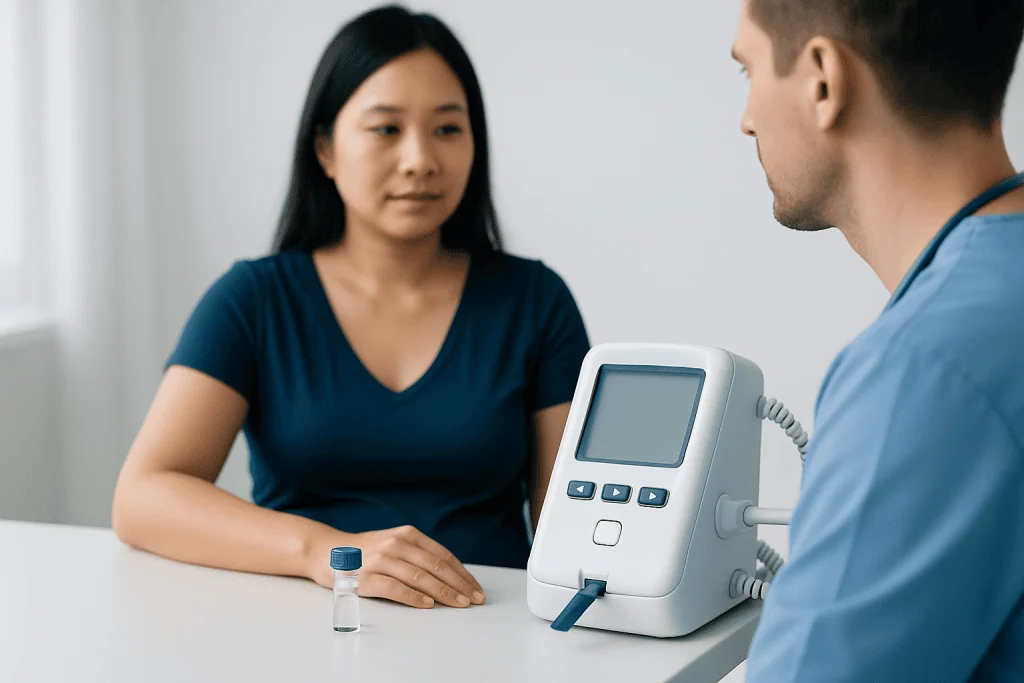
A clinician may recommend an OGTT when fasting glucose or glycated haemoglobin (HbA1c) results are inconclusive, when symptoms raise concern about high blood glucose, or when a person has risk factors for type 2 diabetes. These can include a family history of diabetes, previous prediabetes, excess body weight, limited physical activity, polycystic ovary syndrome, high blood pressure or a history of cardiovascular disease.
Pregnancy is another common setting. Screening for gestational diabetes is often performed between the 24th and 28th weeks of pregnancy, although earlier testing may be advised for people with significant risk factors. Testing approaches and diagnostic thresholds can vary by country, pregnancy guidelines and laboratory protocol.
Symptoms that may prompt testing include increased thirst, frequent urination, unusual tiredness, blurred vision or unexplained weight change. However, diabetes and prediabetes can be present without noticeable symptoms. A glucose tolerance test is only one part of evaluation for diabetes and related metabolic concerns.
Preparation before the test

Good preparation supports an accurate result. In the days before the appointment, the person is usually advised to follow their usual diet and activity routine rather than restricting carbohydrate intake. Deliberately changing eating habits before the test can affect how the body responds to the glucose drink.
Most protocols require fasting for at least 8 hours before the test, although the exact instructions should come from the ordering clinician or laboratory. During the fasting period, plain water is generally permitted. Food, sweetened drinks, alcohol, smoking and vigorous exercise may affect results and are usually avoided before and during the appointment.
It is important to tell the healthcare team about all prescription medicines, over-the-counter products and supplements. Some medicines can influence blood glucose. A person should not stop a prescribed medicine unless their clinician specifically advises this. Illness, infection, recent surgery, severe stress and pregnancy-related factors can also influence testing, so rescheduling may sometimes be appropriate.
- Confirm whether fasting is required and the exact fasting duration.
- Ask whether usual morning medicines should be taken with water.
- Plan to remain at the testing centre for the full appointment.
- Bring a snack to eat after the final blood sample, if permitted.
Glucose tolerance test procedure: step by step
On arrival, the laboratory team confirms preparation and collects an initial fasting blood sample, usually from a vein in the arm. The person then drinks a glucose solution within the specified time, often within a few minutes. The concentration and amount of glucose, as well as the timing of repeat samples, depend on the reason for the test and local protocol.
For many non-pregnancy OGTTs, blood is measured while fasting and again about two hours after the drink. In pregnancy, protocols may include a screening test followed by a longer diagnostic test, with samples taken at fasting and one or more timed intervals after the glucose drink. The laboratory follows a standardized schedule so the results can be interpreted correctly.
During the waiting period, the person generally remains seated or resting. Eating, drinking anything other than water if allowed, smoking, chewing gum and exercising can change the glucose response. Blood samples may be collected through separate needle insertions or, in some settings, through a cannula placed at the start of the visit.
Testing for glucose-related concerns may sit within a broader evaluation of hormones, weight and metabolic health. Depending on the clinical situation, the care team may also discuss assessment and ongoing support for diabetes treatment.
Results, recovery and next steps
After the final sample, most people can return to normal eating, drinking, work and daily activities immediately. Some people feel hungry, shaky, nauseated, tired or light-headed after fasting or drinking the sweet solution. Having a balanced snack and fluids after the test can help, unless the clinician has given different instructions.
A result is reported as a blood glucose value at one or more time points. Values are compared with established laboratory and clinical thresholds, which differ for non-pregnant adults and pregnancy. A result may be within the expected range, suggest impaired glucose tolerance or support a diagnosis of diabetes or gestational diabetes.
One result does not always provide the whole picture. Clinicians consider the testing protocol, fasting glucose, HbA1c where appropriate, symptoms, pregnancy status, medicines and overall health. If a result is abnormal, the next step may be repeat testing, additional blood tests, nutrition guidance, lifestyle support, glucose monitoring or a tailored care plan.
Benefits, limitations and possible risks
The main benefit of the test is that it can detect changes in glucose handling that may not be clear from a fasting measurement alone. Identifying prediabetes or diabetes early allows a person and clinician to discuss practical steps that may protect long-term health. In pregnancy, identifying gestational diabetes supports monitoring and care aimed at a healthy pregnancy.
The test is generally safe. Blood collection may cause brief discomfort, bruising, minor bleeding or, rarely, infection at the puncture site. The glucose drink can taste very sweet and may cause nausea, bloating, headache or temporary dizziness. If vomiting occurs, the test may not be valid and may need to be repeated.
Results can be affected by incomplete fasting, unusual dietary restriction beforehand, strenuous activity, smoking, acute illness and some medicines. For this reason, it is important not to interpret a home glucose reading or an isolated laboratory number as a diagnosis without professional advice.
Supporting healthy glucose regulation
For people with normal results, prevention focuses on maintaining habits that support metabolic health. Regular movement, a varied eating pattern rich in vegetables, fruit, legumes, whole grains and appropriate protein sources, adequate sleep and avoidance of tobacco can all be helpful. Health advice should be individualized, especially during pregnancy or when another medical condition is present.
When results suggest prediabetes or diabetes, lifestyle measures may be recommended alongside follow-up testing and, for some people, medication. A registered dietitian, endocrinologist, primary care clinician and other professionals may contribute to a plan based on the person’s needs, culture, health goals and medical history.
For international patients who require assessment or coordinated follow-up, Acibadem International’s multidisciplinary specialists and JCI-accredited hospitals provide diagnostic and treatment services for glucose-related conditions. Care planning may include support for endocrinology care when clinically appropriate.
When to seek medical care
A person should contact a clinician to discuss testing if they have ongoing increased thirst, frequent urination, persistent fatigue, blurred vision, recurrent infections, slow-healing wounds or unexplained weight loss. These symptoms can have several causes, but they warrant medical assessment, particularly when diabetes risk factors are present.
During pregnancy, it is important to attend recommended glucose screening appointments and to contact the maternity team with any concerns about test preparation or results. Prompt follow-up after an abnormal test helps ensure that a clear plan is in place.
Urgent medical care is appropriate for severe symptoms such as confusion, fainting, severe weakness, repeated vomiting, difficulty breathing or signs of significant dehydration. These symptoms are not specific to diabetes, but they should be assessed without delay.
Frequently asked questions
How long does a glucose tolerance test take?
The length depends on the protocol. A standard oral glucose tolerance test commonly takes about two hours after the fasting sample, while pregnancy testing may take longer because several timed blood samples can be needed. The laboratory will provide the expected appointment duration.
Can a person drink water before a glucose tolerance test?
Plain water is usually allowed during the fasting period and during testing, but instructions can vary. Sweetened drinks, coffee, tea, alcohol and other beverages may affect results. The person should follow the laboratory's specific preparation guidance.
What should a person eat before a glucose tolerance test?
For several days before testing, people are generally advised to eat their usual balanced diet rather than limiting carbohydrates. They then fast for the time instructed before the appointment. A clinician or laboratory should provide individualized advice, particularly for pregnancy or people taking glucose-lowering medicines.
Is the glucose drink safe during pregnancy?
The glucose drink is widely used for gestational diabetes screening and diagnosis under maternity care protocols. Some people experience temporary nausea or light-headedness because of fasting and the sweetness of the drink. The maternity team should be told if the person becomes unwell or vomits during the test.
Does an abnormal glucose tolerance test mean diabetes?
An abnormal result may indicate impaired glucose tolerance, diabetes or gestational diabetes, depending on the values and the test protocol. Clinicians interpret the result with other health information and may recommend confirmation testing or follow-up. It should not be interpreted in isolation.
Can medicines affect glucose tolerance test results?
Yes. Certain medicines and supplements can alter blood glucose or insulin responses. A person should provide a complete medication list before testing and should not stop prescribed treatment without medical advice.
References
- American Diabetes Association
- National Institute of Diabetes and Digestive and Kidney Diseases
- World Health Organization
- Centers for Disease Control and Prevention
- American College of Obstetricians and Gynecologists
This article is for general information only and is not a substitute for professional medical advice. Please consult a qualified doctor about your individual situation.
Explore treatments in Turkey — costs, top hospitals & a free quote
JCI-accredited · board-certified surgeons · reply within 24h
Add us as a Preferred Source to see more of our trusted health content across Google Search, AI Overviews and Discover.
Check your numbers in seconds
BMI, calories, due date, blood pressure and 30+ more clinical calculators — free, instant, doctor-reviewed ranges.

More from the Health Library



Related Specialists

Dr. Murat Alakuş
Physical Medicine & Rehabilitation
Prof. Dr. Faruk Abike
Gynecology & Obstetrics
Assoc. Prof. Dr. Ayşenur Özderya
Endocrinology
Dr. Sara Aydoğdu
Emergency Service