

Golytely Prep: What Patients Need to Know

GoLYTELY is a polyethylene glycol and electrolyte solution designed to cleanse the bowel before certain medical procedures. Watery bowel movements are expected and usually begin after the first portion of the solution is taken.
Key Takeaways
- GoLYTELY is a polyethylene glycol and electrolyte solution designed to cleanse the bowel before certain medical procedures.
- Watery bowel movements are expected and usually begin after the first portion of the solution is taken.
- A split-dose regimen, with part taken the evening before and part closer to the procedure, is commonly used when prescribed.
- Only approved clear liquids should be consumed during the preparation period, and red or purple drinks are often avoided.
- People with kidney, heart, swallowing, bowel, or seizure conditions should discuss GoLYTELY prep with their clinician before starting.
- Severe abdominal pain, persistent vomiting, fainting, breathing problems, or signs of an allergic reaction need urgent medical attention.
Golytely prep is a prescription bowel-cleansing regimen that empties stool from the colon before procedures such as colonoscopy. Following the exact timing, diet, and medication instructions provided by the clinical team is important because a clean bowel helps the doctor examine the colon accurately and safely.
Overview: What Is Golytely Prep?
Golytely prep, also written as GoLYTELY prep, is a prescription bowel-cleansing treatment used before a colonoscopy and some other procedures involving the bowel. It contains polyethylene glycol 3350 with electrolytes. The solution works by keeping water in the intestinal tract, producing frequent watery bowel movements that clear stool from the colon.
A clean colon allows the doctor to see the bowel lining more clearly. This can help identify polyps, inflammation, bleeding sources, or other changes that might otherwise be hidden by stool. GoLYTELY is not intended as a routine treatment for constipation or weight loss; it should be used only as directed for procedure preparation.
Instructions can vary based on the scheduled procedure time, medical history, and the reason for the examination. The preparation instructions from the prescribing clinician or endoscopy unit should always take priority over general guidance, including information in this article.
How Golytely Prep Is Usually Taken
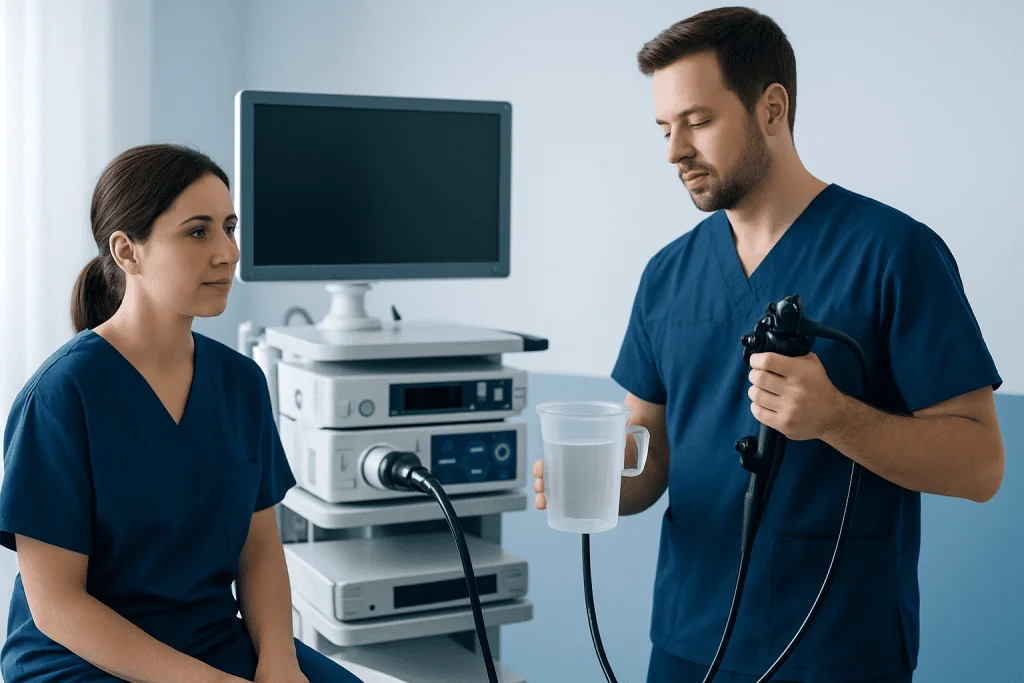
GoLYTELY is commonly supplied as a powder that is mixed with water to make a large-volume oral solution. Patients should prepare it exactly as directed on the prescription label or by the medical team. The powder should not be mixed with other liquids unless the clinician or pharmacist specifically advises this, because changing the mixture can affect how the preparation works.
Many people are instructed to use a split-dose schedule. In this approach, one portion is taken the evening before the procedure and the remaining portion is taken several hours before leaving for the appointment. Split dosing can improve cleansing of the right side of the colon, where residue may otherwise remain. The exact start and stop times are especially important for people receiving sedation or anesthesia.
The solution is usually consumed in repeated small servings at regular intervals rather than all at once. Chilling the prepared solution may make the taste easier to tolerate. Some people find that drinking through a straw, taking brief pauses as permitted, or rinsing the mouth with an approved clear liquid helps. Patients should not skip large amounts or substantially slow the regimen without contacting their care team, as an incomplete prep may require the procedure to be delayed or repeated.
- Read the written instructions before the prep day begins.
- Plan to stay near a toilet once drinking starts.
- Arrange transportation if sedation is planned for the procedure.
- Contact the endoscopy team if the solution is not staying down or bowel movements do not begin as expected.
Diet, Fluids, and Medicines Before the Procedure
The diet before GoLYTELY prep is part of the cleansing process. Depending on the procedure and the clinician’s protocol, patients may be asked to follow a low-fiber diet for one or more days beforehand and then switch to clear liquids on the day before the examination. Clear liquids commonly include water, clear broth, tea or coffee without milk or cream, clear juice without pulp, plain gelatin, and electrolyte drinks that are not red or purple.
Red, purple, and sometimes blue foods or drinks may be restricted because their color can resemble blood or stain the lining of the colon. Alcohol is generally avoided during bowel preparation because it can contribute to dehydration and may interact with sedation plans. Dairy products, solid foods, juices with pulp, and opaque beverages are usually not allowed once a clear-liquid diet has begun unless the care team says otherwise.
Medication instructions deserve individual attention. Iron supplements are often stopped before colonoscopy because they can darken stool and leave residue. Some people may need special guidance for diabetes medicines, blood thinners, diuretics, blood pressure medicines, anti-inflammatory pain medicines, or medicines taken for seizures. Oral medicines may not be absorbed normally during rapid bowel cleansing, so patients should ask when to take essential medicines. They should not stop a prescribed medicine without the clinician who manages it advising them to do so.
What to Expect During Golytely Prep
Frequent, loose bowel movements are the intended effect of GoLYTELY. They often begin within the first few hours, although timing differs from person to person. As the prep works, bowel movements typically become increasingly watery and yellow or clear. By the end of the preparation, the output should usually be mostly liquid, with little or no solid material.
Common temporary effects include bloating, fullness, nausea, abdominal cramping, chills, and mild anal irritation from repeated wiping. A protective barrier ointment around the anal area, soft toilet paper, fragrance-free wipes, or a warm water rinse may reduce skin discomfort. Patients should continue drinking permitted clear liquids as instructed to support hydration.
Nausea can sometimes make it difficult to finish the solution. Briefly slowing down, taking a short approved break, or chilling the mixture may help, but the patient should contact the procedure team if vomiting persists or if they cannot complete a substantial portion of the preparation. The team can advise whether to continue, adjust timing, or take another appropriate step.
Safety Considerations and Who Needs Extra Guidance
Although GoLYTELY is designed to limit major shifts in body salts by including electrolytes, bowel preparation can still cause dehydration or electrolyte disturbances, particularly when fluid intake is inadequate or there are underlying health conditions. People should tell their clinician about kidney disease, heart failure, liver disease, a history of fainting, seizures, swallowing difficulties, or significant digestive disorders before using the preparation.
GoLYTELY may not be appropriate for people with known or suspected bowel obstruction, bowel perforation, severe inflammation of the colon, toxic colitis or toxic megacolon, gastric retention, or ileus. These conditions require medical assessment rather than routine bowel cleansing. The prescribing clinician will consider symptoms, medical history, and the planned procedure when deciding whether the preparation is suitable.
Patients should also report allergies, prior problems with bowel preparations, and all prescription medicines, over-the-counter products, supplements, and herbal remedies. Older adults and people who take medicines that affect kidney function, fluid balance, or blood clotting may need more individualized instructions. In children, pregnancy, or breastfeeding, the appropriate preparation and timing should be determined by a qualified clinician.
When to Seek Medical Care
Most discomfort during Golytely prep is mild and temporary, but certain symptoms should not be ignored. Patients should contact the prescribing team promptly if they have repeated vomiting, cannot keep liquids down, do not have bowel movements after taking the preparation as instructed, or develop worsening abdominal bloating or pain. They should also call for advice if they are unsure whether they have completed the preparation adequately.
Urgent medical care is needed for severe or persistent abdominal pain, a swollen or rigid abdomen, fainting, confusion, severe weakness, chest pain, trouble breathing, or signs of a serious allergic reaction such as facial swelling, wheezing, or widespread hives. Passing a small amount of blood from irritation may occasionally occur, but substantial rectal bleeding, black stools, or vomiting blood should be assessed urgently.
Patients should not drive themselves if they feel dizzy, weak, or unwell. If the procedure is scheduled with sedation, they will also need a responsible adult to take them home and remain available according to the facility’s discharge instructions.
Preparing for a Successful Colonoscopy
Good preparation begins with practical planning. Patients can obtain the prescription in advance, review the instructions several days before the appointment, stock approved clear liquids, and keep the preparation accessible in the refrigerator if chilling is allowed. They may also wish to plan work, childcare, and travel around the time when bowel movements are expected to be most frequent.
It is helpful to tell the care team early if there are barriers to completing the prep, such as difficulty drinking large volumes, a prior incomplete bowel preparation, severe nausea, diabetes, kidney disease, or a long travel distance to the procedure location. Alternative timing, anti-nausea treatment, dietary modifications, or another preparation approach may sometimes be considered by the clinician.
A colonoscopy may be recommended to investigate symptoms or as part of screening and prevention. For people undergoing digestive evaluation, understanding the broader purpose of the examination can make preparation feel more manageable. Acibadem International’s multidisciplinary specialists and JCI-accredited hospitals diagnose and treat digestive conditions for international patients, with preparation plans tailored by the clinical team.
Frequently asked questions
How long does it take for Golytely prep to work?
Bowel movements often begin within a few hours of starting GoLYTELY, but the timing varies. The preparation should continue according to the prescribed schedule even after bowel movements begin. If there is no bowel movement after taking the solution as directed, the patient should contact the procedure team.
What should stool look like after Golytely prep?
Near the end of an effective preparation, bowel output is usually watery, yellow, or clear and contains little or no solid material. Small differences are common, but persistent brown liquid or solid stool may mean the bowel is not fully clean. The endoscopy team can advise whether the preparation is adequate.
Can a patient eat while taking Golytely prep?
Usually, solid food is not allowed once the clear-liquid phase of the preparation begins. The permitted diet and the time to stop drinking liquids depend on the procedure schedule and sedation plan. Patients should follow their own written instructions rather than using a general timetable.
Is nausea normal during Golytely prep?
Mild nausea, fullness, and bloating can occur because a large volume of liquid is consumed over a limited period. Chilling the solution or taking it at the instructed pace may help some people. Persistent vomiting or inability to drink the required amount should be reported to the care team promptly.
Can Golytely prep affect regular medications?
Yes. Rapid bowel cleansing can reduce absorption of oral medicines, and some medicines require special timing or temporary adjustment before a procedure. This is particularly relevant for diabetes medicines, blood thinners, diuretics, iron supplements, and seizure medicines. A patient should ask the prescribing clinician or pharmacist for personalized instructions.
What happens if Golytely prep is not completed?
An incomplete bowel prep can leave stool in the colon and make it harder for the doctor to identify important findings. In some cases, the examination may need to be postponed, repeated, or completed with a shorter follow-up interval. Patients should contact the endoscopy unit rather than deciding on their own to skip the procedure.
References
- American Society for Gastrointestinal Endoscopy
- American College of Gastroenterology
- U.S. Food and Drug Administration
- National Institute of Diabetes and Digestive and Kidney Diseases
- MedlinePlus
This article is for general information only and is not a substitute for professional medical advice. Please consult a qualified doctor about your individual situation.
Persistent digestive symptoms? Get evaluated in Turkey
JCI-accredited · board-certified surgeons · reply within 24h
Add us as a Preferred Source to see more of our trusted health content across Google Search, AI Overviews and Discover.
Check your numbers in seconds
BMI, calories, due date, blood pressure and 30+ more clinical calculators — free, instant, doctor-reviewed ranges.

More from the Health Library



Related Specialists

Prof. Dr. Mitat Bahçeci
Endocrinology
Dr. Muzaffer Ağır
Orthopedic Surgery & Traumatology
Dr. Ünsal Arif Turan
Anesthesiology
Prof. Dr. Nadiye Köroğlu
Gynecology & Obstetrics