Gracilis Muscle: What Patients Need to Know

The gracilis muscle runs along the inner thigh and helps with hip adduction and knee flexion. Common gracilis muscle problems include strain, overuse, tightness, and less commonly tendon irritation.
Key Takeaways
- The gracilis muscle runs along the inner thigh and helps with hip adduction and knee flexion.
- Common gracilis muscle problems include strain, overuse, tightness, and less commonly tendon irritation.
- Symptoms often include inner thigh pain, tenderness, stiffness, or pain with movement.
- Diagnosis is usually based on medical history, physical examination, and sometimes imaging.
- Most cases improve with activity modification, physical therapy, and gradual return to exercise.
- Persistent pain, swelling, weakness, or trouble walking should be assessed by a doctor.
The gracilis muscle is a long, thin muscle on the inner thigh that helps move the hip and bend the knee. When it becomes strained, tight, or injured, it may cause inner thigh or groin discomfort, especially during walking, sports, or sudden direction changes.
Overview: what the gracilis muscle does
The gracilis muscle is one of the muscles in the inner thigh. It starts near the pubic bone, runs straight down along the inside of the thigh, and attaches just below the knee. Because it crosses both the hip and the knee, it helps with more than one movement.
Its main jobs are to bring the leg inward toward the body’s midline, assist with bending the knee, and support some inward rotation of the leg. These actions are important for walking, climbing stairs, changing direction, and maintaining balance during daily activities and sports.
Although the gracilis muscle is not as well known as larger thigh muscles, it can still become painful or injured. Patients may notice discomfort in the groin or inner thigh after a sudden stretch, sports activity, overtraining, or repetitive movement. In some cases, symptoms overlap with other causes of groin pain, so an accurate diagnosis matters.
Where it is located and why it matters
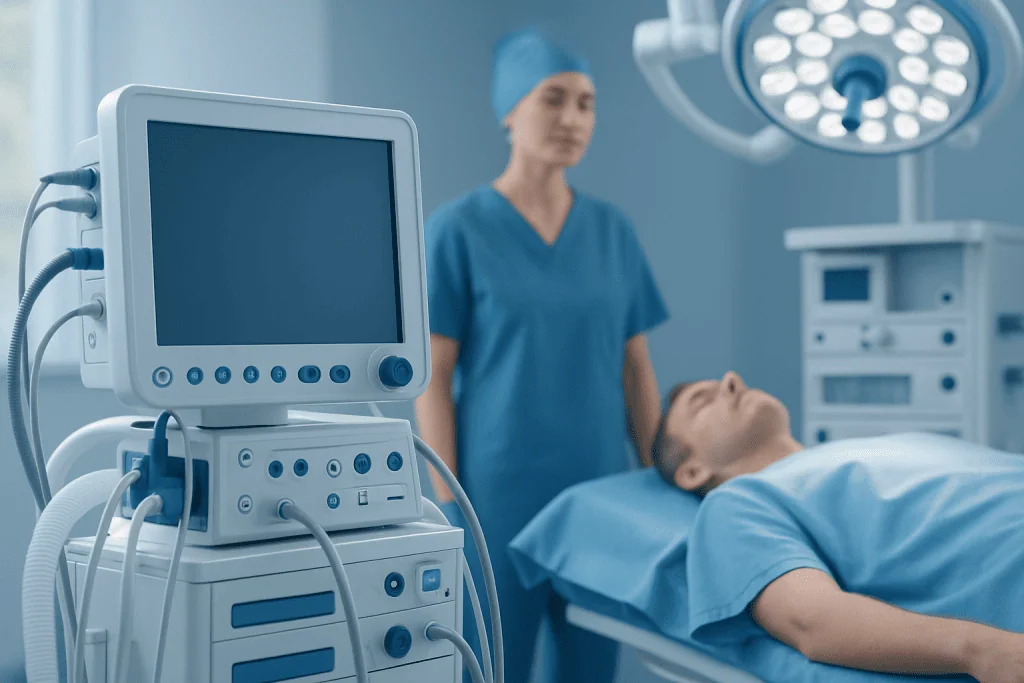
The gracilis lies in the superficial layer of the medial thigh, meaning it is relatively close to the skin compared with some deeper muscles. It is part of the adductor group, which works together to stabilize the pelvis and control leg motion. The muscle is slender, but it plays a meaningful role in coordinated movement.
Because the gracilis crosses the knee, it can be involved in both hip- and knee-related symptoms. This is one reason inner thigh pain sometimes feels difficult to pinpoint. A person may describe aching near the groin, tenderness along the inner thigh, or discomfort near the inside of the knee where the tendon inserts.
The gracilis tendon is also clinically important because it may be used in certain reconstructive procedures, including some knee ligament surgeries. However, most patient concerns relate to strain, tightness, or overuse rather than surgery involving the muscle itself.
Problems in nearby structures can feel similar. For example, hip joint conditions, hernias, or other muscle injuries may mimic gracilis muscle pain. In some situations, a specialist may consider related conditions such as hip pain or sports injuries when evaluating symptoms.
Symptoms of gracilis muscle problems
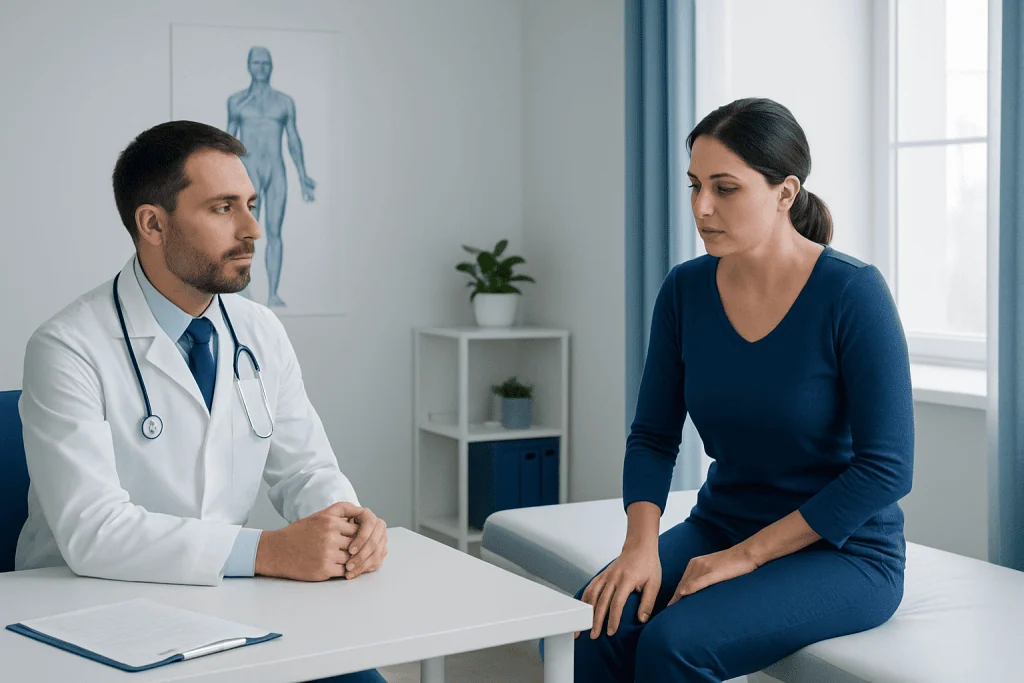
Symptoms vary depending on whether the issue is a mild strain, overuse irritation, or a more significant injury. The most common complaint is pain along the inner thigh or groin. This may begin suddenly during activity or develop gradually over time.
Patients may also notice stiffness, tenderness to touch, weakness when bringing the leg inward, or pain when walking, running, squatting, or climbing stairs. Some people feel discomfort when stretching the inner thigh or when trying to change direction quickly.
In a more acute strain, there may be swelling, bruising, or a sharp pulling sensation at the time of injury. More severe injury can make it difficult to bear weight comfortably. In chronic overuse cases, the pain may be duller and linked to repeated training or prolonged activity.
- Inner thigh or groin pain
- Tenderness along the muscle
- Tightness or reduced flexibility
- Pain with running, kicking, or side-stepping
- Weakness or discomfort bending the knee
- Occasional swelling or bruising after a sudden injury
Common causes and risk factors
Gracilis muscle problems most often happen because the muscle is overstretched or overloaded. This can occur in sports that involve sprinting, kicking, skating, lunging, or sudden side-to-side movement. Football, soccer, hockey, martial arts, and dance are common examples, but non-athletes can also be affected.
Risk factors include inadequate warm-up, muscle fatigue, reduced flexibility, previous groin injury, rapid increases in training intensity, and poor movement mechanics. Weakness in the core, hips, or surrounding adductor muscles may also place extra stress on the gracilis.
Sometimes symptoms are not due to the gracilis alone. Conditions involving the hip, lower back, or pelvis can contribute to pain patterns in the same area. In people with ongoing discomfort, clinicians may look for overlapping issues such as tendon irritation, joint dysfunction, or referred pain from another structure.
Less commonly, pain near the gracilis may occur after a fall, direct blow, or post-surgical strain. A medical review becomes more important if symptoms are severe, persistent, or associated with fever, a lump, marked swelling, or inability to walk normally.
How doctors diagnose gracilis muscle injuries
Diagnosis usually starts with a detailed history. A doctor will ask when the pain began, whether there was a specific injury, what movements make it worse, and whether there are associated symptoms such as bruising, weakness, numbness, or back pain. This history often gives important clues about whether the problem is muscular or due to another cause.
A physical examination typically includes checking the inner thigh for tenderness, testing hip and knee movement, assessing strength, and seeing whether certain stretches or resisted movements reproduce symptoms. Doctors may compare both legs and evaluate gait, balance, and pelvic alignment as well.
Imaging is not always needed for mild strains, but it may be useful when symptoms are severe, prolonged, or unclear. Ultrasound or MRI can help show the location and extent of a muscle or tendon injury. If another problem is suspected, other imaging tests may be considered to assess the hip, pelvis, or knee.
When pain is persistent or function is significantly affected, evaluation by specialists in orthopedics, sports medicine, or physical therapy and rehabilitation may help guide treatment and recovery planning.
Treatment options and recovery
Most gracilis muscle injuries are treated without surgery. Early care often focuses on relative rest, avoiding painful movements, and gradually settling inflammation. Some patients benefit from short-term ice application, gentle compression, and temporary reduction in sports or high-impact activity.
As pain improves, treatment usually shifts toward restoring flexibility, strength, and movement control. A structured rehabilitation program may include stretching, strengthening of the adductors and surrounding hip muscles, balance work, and gradual return-to-sport drills. Recovery is often smoother when exercises progress step by step rather than too quickly.
Pain-relieving medication may sometimes be advised by a doctor, depending on a person’s age, symptoms, and medical history. If there is uncertainty about the diagnosis, or if recovery is slower than expected, further evaluation by orthopedics and traumatology may be appropriate. Surgery is uncommon and is generally reserved for specific severe injuries or associated structural problems.
Return to full activity should be gradual. It is usually safer to resume higher-level exercise only when walking is comfortable, strength has improved, and stretching no longer causes significant pain. Pushing through symptoms too early can increase the risk of reinjury.
Prevention and self-care
Prevention focuses on reducing strain on the inner thigh and improving overall movement quality. A regular warm-up before exercise, progressive training increases, and attention to flexibility can all help lower the risk of adductor and gracilis problems. Cross-training may also help by avoiding repeated overload of the same movement pattern.
Strengthening the hips, core, and thighs supports more balanced motion and pelvic stability. People who have had a previous groin injury may benefit from an individualized exercise plan, since old injuries can make the area more vulnerable if full strength and control do not return.
For mild symptoms, self-care may include temporary activity modification, gentle stretching once acute pain settles, and avoiding sudden explosive movements until comfortable. Good footwear, adequate recovery between workouts, and attention to technique can also be useful.
If pain keeps returning, it is wise not to rely on self-treatment alone. Recurrent symptoms may suggest an unresolved strain, compensation pattern, or another diagnosis that needs proper assessment.
When to seek medical care
Medical assessment is recommended if inner thigh or groin pain is severe, follows a sudden injury, causes limping, or does not improve with rest and basic self-care. Prompt evaluation is also sensible when there is significant bruising, swelling, weakness, or a popping sensation at the time of injury.
Patients should also seek care if they have numbness, pain radiating from the back, fever, a visible lump, or pain that interferes with normal walking or sleep. These features can suggest a problem other than a simple muscle strain and may need targeted testing.
For people with sports-related pain or repeated groin injuries, specialist input may help reduce the chance of recurrence. Acibadem International’s multidisciplinary specialists in JCI-accredited hospitals evaluate and treat musculoskeletal conditions for international patients, including problems involving inner thigh muscles, groin pain, and recovery planning.
In some cases, related assessment may involve services such as sports medicine or imaging and orthopedic review when symptoms are persistent or the diagnosis is uncertain. A qualified doctor can explain the likely cause and recommend a safe treatment plan.
Frequently asked questions
What is the gracilis muscle?
The gracilis muscle is a long, thin muscle on the inner side of the thigh. It helps bring the leg inward at the hip and also assists with bending the knee.
Where is gracilis muscle pain usually felt?
Gracilis muscle pain is usually felt in the inner thigh or groin area. Some people also notice tenderness lower down near the inside of the knee where the tendon attaches.
Can a gracilis muscle injury heal on its own?
Many mild gracilis muscle strains improve with rest, time, and gradual return to activity. However, persistent, severe, or recurrent pain should be checked by a doctor to confirm the diagnosis and rule out other causes.
How long does recovery from a gracilis strain take?
Recovery time depends on how mild or severe the injury is. Minor strains may improve within days to a few weeks, while more significant injuries can take longer and may need supervised rehabilitation.
Is gracilis muscle pain the same as groin pain?
Not always. The gracilis muscle can cause groin or inner thigh pain, but groin pain may also come from other muscles, the hip joint, tendons, hernias, or the lower back.
What exercises help the gracilis muscle?
Exercises are usually chosen based on the stage of recovery and may include gentle stretching, adductor strengthening, hip stability work, and balance training. It is best to follow a plan from a qualified clinician or physical therapist, especially after an injury.
This article is for general information only and is not a substitute for professional medical advice. Please consult a qualified doctor about your individual situation.
Joint and spine care in Turkey — expert assessment & treatment
JCI-accredited · board-certified surgeons · reply within 24h
Add us as a Preferred Source to see more of our trusted health content across Google Search, AI Overviews and Discover.

More from the Health Library

Parathyroid — Explained by Medical Evidence, Not Myths

Meninges: What Patients Need to Know

Bath Salts — Explained by Medical Evidence, Not Myths

Performance Anxiety: An Evidence-Based Guide for Patients
Testicular Torsion: What Patients Need to Know

Glute Stretch: What Patients Need to Know
Physical Medicine & Rehabilitation Specialists at Acibadem

Fzt. Asım Sakallı
Physical Medicine & Rehabilitation
Fzt. Aslı Hacıoğlu
Physical Medicine & Rehabilitation
Assoc. Prof. Dr. Ata Can
Orthopedic Surgery & Traumatology
Prof. Dr. Ata Can Atalar
Orthopedic Surgery & Traumatology