Parathyroid — Explained by Medical Evidence, Not Myths

The parathyroid glands regulate calcium levels, which are essential for bones, muscles, and nerves. Most parathyroid problems are caused by too much hormone production, called hyperparathyroidism.
Key Takeaways
- The parathyroid glands regulate calcium levels, which are essential for bones, muscles, and nerves.
- Most parathyroid problems are caused by too much hormone production, called hyperparathyroidism.
- Symptoms may be subtle at first and can include fatigue, muscle weakness, bone pain, constipation, or kidney stones.
- Diagnosis usually involves blood tests, urine testing, and sometimes imaging to locate an abnormal gland.
- Treatment depends on the cause and may include monitoring, medication, or surgery.
- Persistent symptoms or abnormal calcium results should be assessed by a qualified doctor.
The parathyroid glands are four small glands in the neck that help control calcium, phosphorus, and vitamin D balance in the body. When the parathyroid is overactive or underactive, it can affect bones, kidneys, muscles, and nerves, but accurate diagnosis and treatment are available.
What the parathyroid is and why it matters
The parathyroid refers to four small glands located behind the thyroid gland in the neck. Although their name sounds similar, the parathyroid glands and thyroid gland do different jobs. The parathyroid glands produce parathyroid hormone, also called PTH, which helps the body keep calcium levels within a healthy range.
Calcium is not only important for bones and teeth. It also helps muscles contract, nerves send signals, and the heart beat normally. PTH works together with vitamin D, the intestines, the kidneys, and the bones to regulate calcium and phosphorus levels in the blood and tissues.
When a parathyroid gland makes too much or too little hormone, the effects can be widespread. A person may develop bone thinning, kidney stones, digestive symptoms, mood changes, muscle weakness, or numbness and tingling. Because these symptoms can overlap with many other conditions, parathyroid disorders are sometimes discovered through routine blood tests rather than symptoms alone.
Common parathyroid disorders
The most common parathyroid disorder is hyperparathyroidism, which means one or more glands produce too much PTH. This usually raises calcium levels in the blood. In many cases, the cause is a benign growth called an adenoma in one gland, though more than one gland can be enlarged or overactive. For readers looking for a fuller overview, this is closely related to hyperparathyroidism.
Less commonly, the parathyroid can be underactive, a condition called hypoparathyroidism. In this case, too little PTH is produced, and blood calcium can fall too low. This may happen after neck surgery, due to autoimmune disease, genetic causes, or low magnesium levels.
Doctors also describe secondary and tertiary hyperparathyroidism. Secondary hyperparathyroidism develops when another condition, often chronic kidney disease or severe vitamin D deficiency, causes the glands to work harder. Over time, the glands may become persistently overactive, which is called tertiary hyperparathyroidism.
- Primary hyperparathyroidism: overactive gland tissue itself is the main problem.
- Secondary hyperparathyroidism: another condition drives excess PTH production.
- Tertiary hyperparathyroidism: prolonged secondary disease leads to autonomous gland activity.
- Hypoparathyroidism: too little PTH causes low calcium levels.
Symptoms and signs to know

Parathyroid symptoms can vary from very mild to more noticeable. Some people have no clear symptoms and only learn about a problem after a blood test shows high or low calcium. Others notice gradual changes such as tiredness, poor concentration, low mood, muscle weakness, constipation, increased thirst, or frequent urination.
When the parathyroid is overactive, high calcium may contribute to kidney stones, abdominal discomfort, nausea, or bone pain. Over time, excess PTH can draw calcium out of bones, increasing the risk of osteopenia or osteoporosis and fractures. A person may also experience joint aches or a general sense of feeling unwell without knowing the cause.
When the parathyroid is underactive, low calcium can affect the nerves and muscles. Symptoms may include tingling around the mouth or in the hands and feet, muscle cramps, spasms, or twitching. In more significant cases, low calcium can cause more serious nerve or heart-related symptoms and needs prompt medical assessment.
Because these signs are not unique to parathyroid disease, they should be interpreted in context. The diagnosis depends on blood chemistry and clinical evaluation rather than symptoms alone.
What causes parathyroid problems and who is at risk
In primary hyperparathyroidism, the most common cause is a single noncancerous adenoma in one parathyroid gland. Less often, more than one gland becomes enlarged, a condition known as hyperplasia. Cancer of the parathyroid is very rare. Having an abnormal calcium result does not mean cancer is present.
Risk factors can include increasing age, a history of neck radiation, long-term lithium use, certain inherited conditions, chronic kidney disease, and vitamin D deficiency. Women, especially after menopause, are diagnosed more often with primary hyperparathyroidism, although the condition can affect anyone.
Hypoparathyroidism often develops after thyroid or other neck surgery if the parathyroid glands are temporarily stunned or inadvertently damaged. It may also be linked to autoimmune conditions, low magnesium, or rare genetic syndromes. In some cases, no obvious cause is found at first evaluation.
Kidney disease deserves special mention because it changes the body’s handling of phosphorus and vitamin D, which can strongly affect PTH levels. That is why doctors usually assess kidney function and vitamin D status when investigating a suspected parathyroid disorder.
How doctors diagnose a parathyroid condition
Diagnosis begins with a medical history, symptom review, and blood tests. The key blood tests usually include calcium, parathyroid hormone, phosphorus, vitamin D, magnesium, and kidney function. The pattern of these results often shows whether the problem is likely to be primary hyperparathyroidism, secondary hyperparathyroidism, or hypoparathyroidism.
Doctors may also request a 24-hour urine test to measure calcium excretion and help distinguish between different causes of abnormal calcium levels. Bone density scanning can assess whether bone loss has occurred. If kidney stones are suspected, imaging of the urinary tract may also be useful.
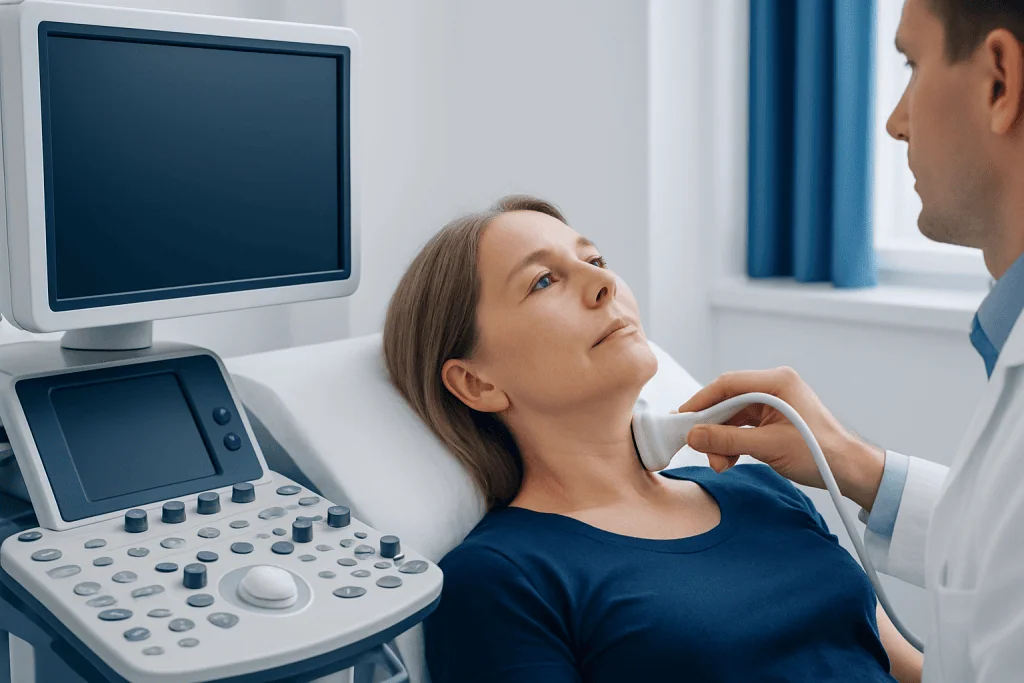
Imaging of the parathyroid glands is usually not the first step to make the diagnosis. Instead, it is often used after blood tests confirm hyperparathyroidism and surgery is being considered, to help locate the overactive gland. Common options include ultrasound and nuclear medicine scanning, sometimes combined with other techniques. In selected cases, broader diagnostic imaging helps the care team plan treatment safely and precisely.
Because calcium and PTH results can be influenced by medications and other illnesses, doctors interpret them carefully. A single abnormal value may need to be repeated before a firm diagnosis is made.
Treatment options for parathyroid disorders
Treatment depends on the specific disorder, the severity of symptoms, calcium levels, bone health, kidney function, age, and overall health. Some people with mild primary hyperparathyroidism may be monitored with regular blood tests, bone density checks, and kidney assessment. Others benefit from addressing contributing factors such as vitamin D deficiency or dehydration.
When one or more glands are clearly overactive and the condition meets treatment criteria, surgery may be recommended. The goal is to remove the abnormal gland tissue while preserving healthy function. This is often called parathyroidectomy, and it is the standard treatment for many cases of primary hyperparathyroidism. The exact surgical approach depends on the number and location of abnormal glands and the patient’s overall situation.
Medicines may sometimes help manage calcium levels or protect bone health, especially if surgery is not suitable or the cause is secondary hyperparathyroidism. In hypoparathyroidism, treatment commonly focuses on maintaining a stable calcium level with calcium and active vitamin D under medical supervision. Some patients may need additional magnesium management as well.
Care is often shared between endocrinologists, surgeons, nephrologists, and imaging specialists. Near the end of the care pathway, patients may wish to know that Acibadem International’s multidisciplinary specialists in endocrinology and surgery, working in JCI-accredited hospitals, diagnose and treat parathyroid conditions for international patients.
Self-care, monitoring, and living well with a parathyroid disorder
Self-care does not replace treatment, but it can support recovery and long-term health. Good hydration may help reduce the risk of kidney stones in some people with high calcium. Patients should ask their doctor before making major changes to calcium or vitamin D intake, because these nutrients can be helpful in one situation and unhelpful in another.
Weight-bearing exercise, not smoking, and limiting excess alcohol are sensible steps for bone health. A doctor may also advise periodic bone density testing, especially in people with long-standing hyperparathyroidism or after menopause. If a person has chronic kidney disease, following the renal care plan is important because kidney health strongly affects PTH balance.
People taking medications that influence calcium or PTH should not stop them on their own. Instead, they should review all prescriptions and supplements with their clinician. Follow-up matters because parathyroid disorders can change over time, even when symptoms are minimal.
After surgery, monitoring is still important to confirm that calcium and PTH levels have normalized and to watch for temporary low calcium during recovery. Most patients can return to normal activities gradually, based on the advice of their surgical team.
When to seek medical care
Medical care is appropriate if routine tests show high or low calcium, if there is a history of recurrent kidney stones, or if unexplained fatigue, muscle weakness, bone pain, constipation, or tingling persists. A clinician can determine whether the parathyroid is involved or whether another condition is more likely.
Prompt assessment is especially important if symptoms are more intense, such as severe vomiting, confusion, marked dehydration, worsening muscle spasms, or concerning heart-related symptoms. These situations may reflect a significant calcium imbalance and should not be ignored.
People with chronic kidney disease, previous thyroid or neck surgery, or a family history of endocrine disorders may benefit from earlier evaluation if symptoms develop. If a diagnosis is confirmed, coordinated care may involve laboratory monitoring, bone health assessment, and, when needed, referral for endocrine surgery.
Frequently asked questions
Is the parathyroid the same as the thyroid?
No. The thyroid and parathyroid glands are located near each other in the neck, but they have different functions. The thyroid mainly regulates metabolism, while the parathyroid glands regulate calcium and phosphorus balance through parathyroid hormone.
What is the most common parathyroid problem?
The most common problem is primary hyperparathyroidism, in which one or more glands make too much parathyroid hormone. This often causes high blood calcium and may lead to fatigue, kidney stones, or bone loss over time.
Can parathyroid disease cause symptoms even if they seem mild?
Yes. Some people notice only subtle symptoms such as tiredness, poor concentration, constipation, or muscle weakness. Others have no obvious symptoms at all, and the condition is found on routine blood tests.
How is a parathyroid disorder confirmed?
Doctors usually confirm it with blood tests that measure calcium, parathyroid hormone, vitamin D, kidney function, and related markers. Additional tests, such as urine calcium, bone density scans, or imaging, may be used to understand the cause and guide treatment.
Does every person with hyperparathyroidism need surgery?
Not always. Some people can be monitored safely, especially if the condition is mild and there are no signs of kidney damage or significant bone loss. Surgery is often recommended when symptoms, high calcium, reduced bone density, kidney stones, or other risk factors are present.
Can low calcium mean a parathyroid problem?
Yes, but not in every case. Low calcium can occur with hypoparathyroidism, vitamin D deficiency, kidney problems, or low magnesium, among other causes. A doctor looks at the full pattern of test results before deciding whether the parathyroid is responsible.
References
- National Institute of Diabetes and Digestive and Kidney Diseases
- American Association of Endocrine Surgeons
- Endocrine Society
- Mayo Clinic
- MedlinePlus
This article is for general information only and is not a substitute for professional medical advice. Please consult a qualified doctor about your individual situation.
Explore treatments in Turkey — costs, top hospitals & a free quote
JCI-accredited · board-certified surgeons · reply within 24h
Add us as a Preferred Source to see more of our trusted health content across Google Search, AI Overviews and Discover.