Performance Anxiety and How to Keep It From Taking Over
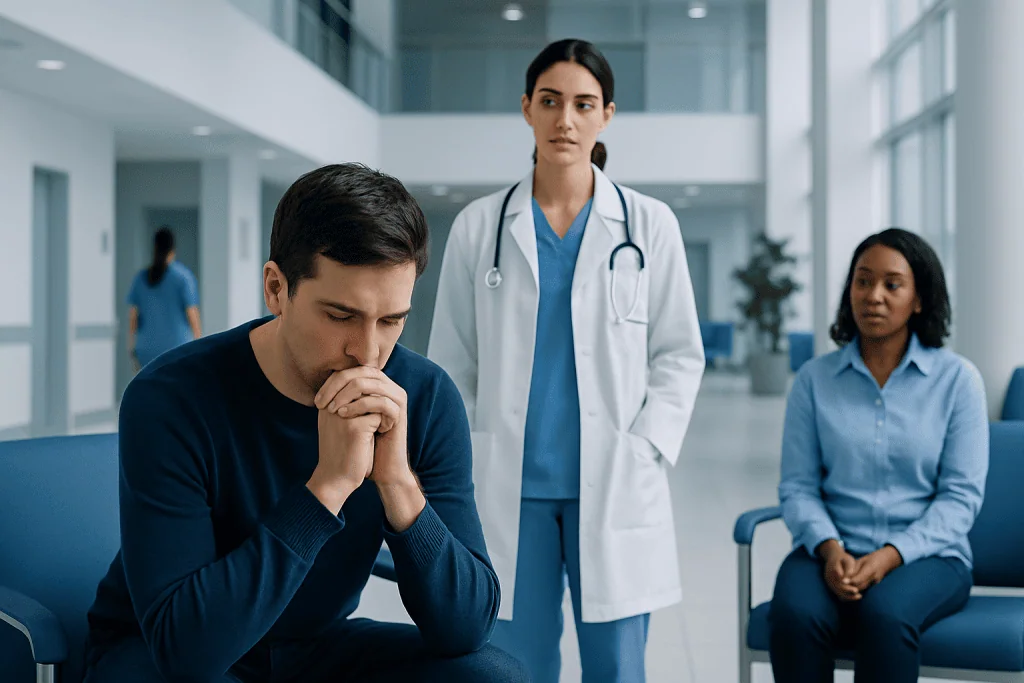
Performance anxiety is the body's stress response to being watched or judged, causing symptoms like a racing heart, shaking, or a blank mind. Coping skills such as preparation, breathing exercises, and gradual exposure help most people. See a doctor or mental health professional if anxiety is severe or leads you to avoid things you value.
Key Takeaways
- Performance anxiety can cause both physical symptoms, such as shaking or a racing heart, and mental symptoms, such as fear of failure or going blank.
- It is common before public speaking, exams, competitions, performances, job interviews, and other high-pressure situations.
- Mild cases may improve with preparation, breathing techniques, sleep, and gradual practice.
- Persistent or severe symptoms may be part of an anxiety disorder and deserve professional assessment.
- Effective treatment may include psychological therapy, stress-management strategies, and sometimes medication under medical guidance.
Your heart is pounding, your mouth has gone dry, and you haven’t even started speaking yet. Sound familiar?
Performance anxiety is a stress response that appears when you feel pressure to perform, be observed, or be judged. It can show up before a speech, an exam, a match, a concert, a work meeting, or in the bedroom. The good news: it is usually manageable with practical coping skills and, when needed, professional treatment.
What performance anxiety is
Performance anxiety is a form of anxiety that happens when a person feels under pressure to perform well while being observed, evaluated, or judged. It can affect many parts of life, including public speaking, exams, athletic events, musical or artistic performances, workplace presentations, and intimate relationships. Put simply, your body’s stress response gets loud enough to get in the way of how you perform, or how much you enjoy it.
Some level of nervousness before an important event is normal and can even sharpen focus. Performance anxiety becomes a problem when worry feels overwhelming, starts well before the event, causes significant physical symptoms, or leads a person to avoid opportunities they value. For some people, it occurs only in specific situations; for others, it overlaps with broader anxiety problems such as anxiety disorders.
Unlike everyday stress, performance anxiety tends to center on fear of embarrassment, mistakes, criticism, or “freezing” in the moment. A person may know they are prepared, yet still feel unable to control their body’s reaction. This is a real mind-body response, not a weakness of character. Recognising that is often the first step forward.
Common signs and symptoms
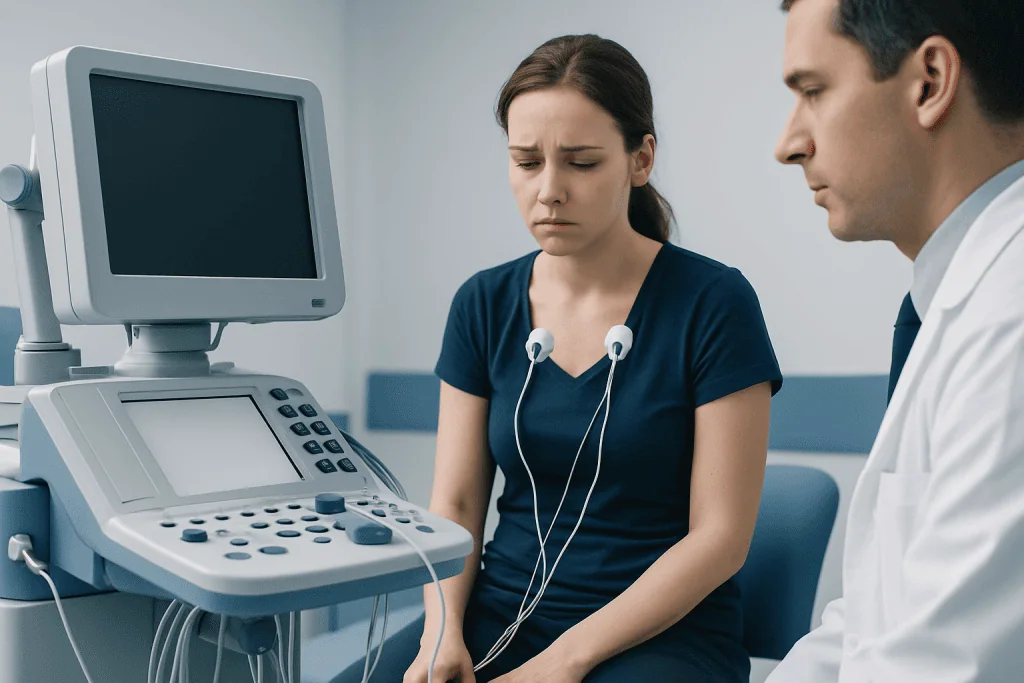
Performance anxiety can affect the body, thoughts, emotions, and behavior at the same time. Symptoms may begin hours, days, or even weeks before the event, then peak just before or during the performance. The exact pattern varies from person to person and from one situation to another.
Physical symptoms often reflect the body’s “fight-or-flight” response. These may include a racing heart, sweating, shaky hands or voice, dry mouth, upset stomach, nausea, shortness of breath, muscle tension, flushing, dizziness, or a strong urge to urinate. In some people, the symptoms are mild; in others, they become distracting enough to affect speech, movement, memory, or coordination.
Mental and emotional symptoms can include intense self-consciousness, fear of failure, fear of humiliation, difficulty concentrating, catastrophic thinking, irritability, and a sense of dread. Some people describe their mind “going blank” even when they know the material well. Behavioral signs may include avoiding auditions, declining presentations, procrastinating, over-rehearsing, needing repeated reassurance, or leaving situations early.
- Examples include stage fright before speaking or singing
- Test anxiety before school or professional exams
- Nervousness before athletic competition or job interviews
- Sexual performance anxiety affecting confidence and intimacy
Why performance anxiety happens
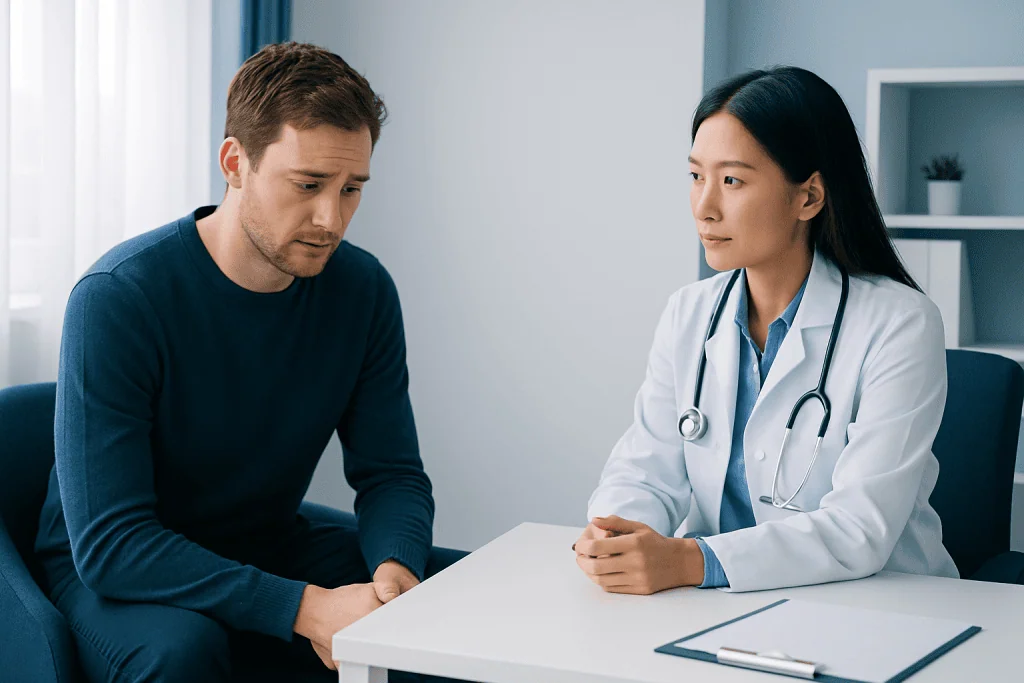
Performance anxiety usually develops from a combination of biology, psychology, and life experience. The brain is designed to react strongly when something feels important or socially risky. When a person believes the outcome matters greatly, the body may release stress hormones that increase alertness—but can also cause trembling, rapid breathing, and difficulty thinking clearly.
Common contributing factors include perfectionism, fear of criticism, previous negative experiences, low confidence, high personal or family expectations, and lack of familiarity with the task. Some people are naturally more sensitive to physical sensations of stress and may then become more anxious when they notice those sensations, creating a cycle in which fear amplifies symptoms and symptoms amplify fear.
Performance anxiety can also be more likely in people with broader mental health concerns, including social anxiety, panic symptoms, depression, or chronic stress. Sleep deprivation, excess caffeine, alcohol misuse, stimulant use, and certain medical conditions can worsen symptoms. Because physical problems such as thyroid disorders, heart rhythm issues, medication side effects, or other stress-related conditions may mimic or intensify anxiety, a medical evaluation can be useful when symptoms are new, severe, or hard to explain.
How it is assessed and diagnosed
Performance anxiety is usually assessed through a detailed conversation with a qualified clinician. The doctor or mental health professional may ask when symptoms occur, how long they last, what triggers them, and how much they affect school, work, relationships, or daily life. It is also important to understand whether anxiety appears only in performance situations or in many settings.
There is no single laboratory test for performance anxiety itself. Diagnosis is based on symptoms, their impact, and whether they fit a recognized anxiety condition. In some cases, clinicians may screen for panic attacks, social anxiety disorder, depression, sleep problems, substance use, or other related concerns. Questionnaires may be used to better understand severity and patterns.
A physical exam or medical testing may be recommended if symptoms suggest another condition or if the person has chest pain, fainting, palpitations, weight changes, or other concerning features. This is not a way of saying the symptoms are “all in your head.” It rules out medical causes and points to the safest treatment plan. A careful assessment also helps distinguish normal pre-event nerves from a condition that would benefit from structured support.
Treatment options that can help
Treatment depends on how often performance anxiety occurs, how severe it is, and whether it is linked to a broader anxiety disorder. For many people, the most effective approach is psychological therapy, especially cognitive behavioral therapy. This type of treatment helps a person identify unhelpful thought patterns, reduce fear of physical sensations, and practice more balanced ways of responding before and during performance situations.
Gradual exposure is another important tool. Instead of avoiding feared situations, the person practices them in manageable steps, such as rehearsing in front of one trusted person, then a small group, then a larger audience. Skills training may include paced breathing, grounding techniques, attention-shifting strategies, realistic self-talk, and performance rehearsal. When anxiety affects communication or emotional regulation more broadly, a clinician may also recommend psychotherapy as part of a personalized plan.
Medication is not necessary for everyone, but it may help in selected cases. A doctor may consider medicine for short-term situations, frequent episodes, or anxiety that is severe and persistent. Any medication decision should be individualized, especially for people with heart conditions, asthma, sleep problems, or substance-use concerns. In some cases, broader support through psychiatric care can help address coexisting anxiety, mood symptoms, or repeated avoidance.
When symptoms start eating into your sleep, concentration, work, relationships, or physical well-being, care from more than one specialist can help. Some patients do best with coordinated support that brings together medical review, psychological treatment, and stress management. Acibadem International’s multidisciplinary specialists and JCI-accredited hospitals diagnose and treat this condition for international patients when specialist assessment is needed.
Self-care strategies before and during performance
Self-care will not replace professional treatment when symptoms are severe, but it can genuinely help. Preparation matters: practicing the task under realistic conditions often reduces uncertainty. Rather than aiming for perfection, it is usually more helpful to aim for familiarity, flexibility, and recovery from small mistakes.
Healthy routines also support the nervous system. Getting enough sleep, eating regular meals, staying hydrated, and limiting caffeine, nicotine, and alcohol may reduce physical symptoms. Light exercise, stretching, and relaxation practice can lower baseline tension. For students and professionals, scheduling practice over several days is generally more effective than last-minute repetition.
During the event itself, simple techniques can help interrupt the anxiety cycle:
- Take slow, steady breaths, with a longer exhale than inhale
- Ground attention in the present using the feet, posture, or the first sentence or movement
- Shift focus from self-monitoring to the message, music, task, or audience needs
- Expect some nervousness and treat it as a signal of importance, not danger
- Use brief, realistic phrases such as “I can continue even if I feel anxious”
Afterwards, look at what went well before you pick apart the mistakes. Replaying only the difficult moments tends to strengthen fear. When performance anxiety occurs alongside low mood, ongoing stress, or burnout, broader support such as psychological counseling may be useful.
When to seek medical care
A person should consider professional help if performance anxiety is frequent, intense, or disruptive. Warning signs include avoiding important opportunities, having panic-like symptoms, losing sleep before events, using alcohol or drugs to cope, or feeling that anxiety is controlling decisions. Children, adolescents, and adults can all benefit from assessment if anxiety is affecting education, work, relationships, or quality of life.
Urgent medical attention is important if symptoms include chest pain, fainting, severe shortness of breath, or new palpitations, especially if there is a history of heart or lung disease. These symptoms may still be related to anxiety, but they should not be assumed to be harmless without proper evaluation.
It is also wise to seek help if anxiety comes with persistent sadness, hopelessness, thoughts of self-harm, or major changes in eating, sleep, or functioning. Early support often makes treatment easier and may prevent avoidance from becoming a long-term pattern. A qualified clinician can help identify whether the problem is situational performance anxiety, social anxiety, panic symptoms, or another treatable condition.
Frequently asked questions
Is performance anxiety normal?
Yes. Many people feel nervous before speaking, competing, taking a test, or performing in public. It becomes a health concern when symptoms are so strong that they interfere with functioning, cause distress, or lead to repeated avoidance.
What is the difference between performance anxiety and social anxiety?
Performance anxiety often appears in specific situations where a person feels evaluated, such as a presentation or exam. Social anxiety is broader and may involve fear in many social interactions, including conversations, meeting new people, or being watched during everyday activities.
Can performance anxiety cause physical symptoms like shaking or nausea?
Yes. The body's stress response can produce shaking, sweating, rapid heartbeat, dry mouth, nausea, dizziness, and shortness of breath. These symptoms are real physical effects of anxiety, even when there is no physical danger.
How can someone calm performance anxiety quickly?
Short-term strategies include slow breathing, grounding attention, loosening tense muscles, and focusing on the task rather than on self-judgment. These techniques may not remove anxiety completely, but they can make it more manageable and help performance continue.
Do people need medication for performance anxiety?
Not always. Many people improve with preparation, therapy, and self-management skills alone. Medication may be considered when symptoms are severe, frequent, or linked to a broader anxiety disorder, but it should be discussed with a qualified doctor.
Can performance anxiety go away with treatment?
In many cases, yes. People often improve significantly with cognitive behavioral therapy, gradual exposure, healthier routines, and better coping strategies. Progress may be gradual, but consistent treatment and practice can reduce symptoms and restore confidence.
This article is for general information only and is not a substitute for professional medical advice. Please consult a qualified doctor about your individual situation.
Explore treatments in Turkey — costs, top hospitals & a free quote
7 JCI-accredited hospitals · board-certified surgeons · reply within 24h
Add us as a Preferred Source to see more of our trusted health content across Google Search, AI Overviews and Discover.

Medically reviewed by the Acıbadem International Medical Board — August 24, 2026
See our medical review board →
References (2)
- Anxiety Disorders (MedlinePlus) — medlineplus.gov
- Social anxiety (social phobia) (NHS) — www.nhs.uk
Psychiatry Specialists at Acibadem



More from the Health Library
Dissociative Disorder: Diagnosis, Outlook, and Modern Treatment Approaches
How Olanzapine Works and Why Regular Follow-Up Matters
How Therapy Helps People Recover From Bullying
Relationship OCD Turns Ordinary Doubt Into a Compulsive Cycle
Inderal Eases Physical Anxiety Symptoms, Not the Worry