Gua Sha for Lymphatic Drainage: A Complete Medical Overview
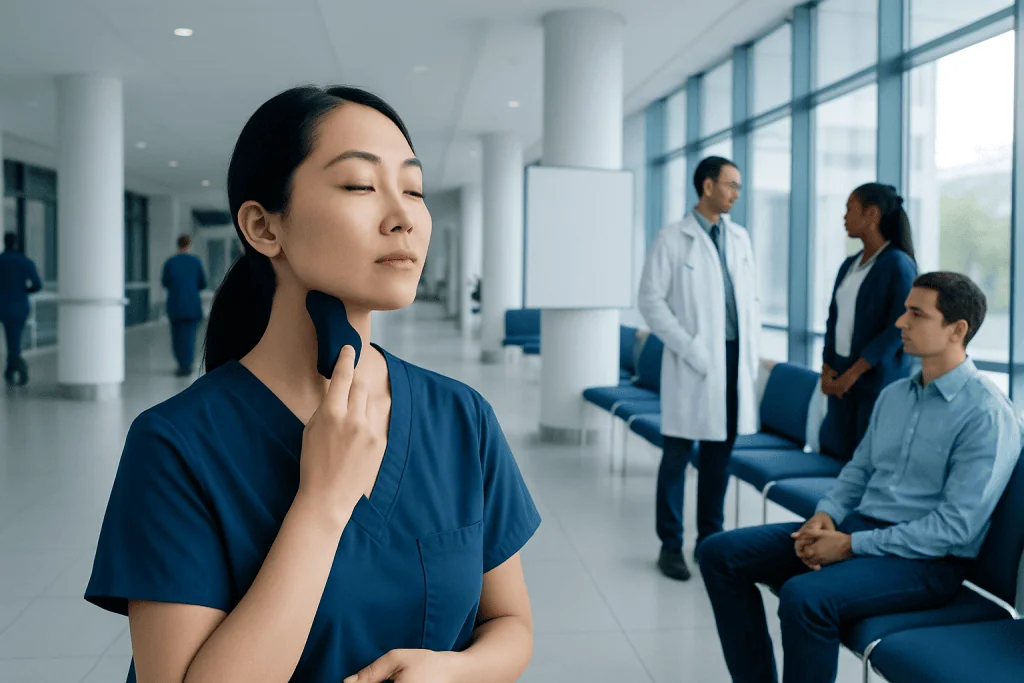
Gua sha uses a smooth-edged tool with light pressure over lubricated skin. It may create a short-term de-puffing effect, particularly in the face, but research is limited.
Key Takeaways
- Gua sha uses a smooth-edged tool with light pressure over lubricated skin.
- It may create a short-term de-puffing effect, particularly in the face, but research is limited.
- True lymphedema requires clinical assessment and may need specialized lymphatic treatment.
- Pressure should be gentle; bruising, pain, and skin irritation are signs to stop.
- People with active skin infection, blood-clot concerns, or unexplained swelling should seek medical advice first.
Gua sha for lymphatic drainage is a gentle skin-stroking practice that may temporarily lessen facial puffiness and promote relaxation when used correctly. Evidence for lasting lymphatic benefits is limited, and it should not be used as a treatment for lymphedema, unexplained swelling, or infection.
What Gua Sha for Lymphatic Drainage Can and Cannot Do
Gua sha for lymphatic drainage involves gliding a smooth tool across well-lubricated skin using light, controlled strokes. In facial routines, it is commonly used around the cheeks, jawline, neck, and under-eye area to support a temporary reduction in morning puffiness and provide a soothing self-care ritual.
The lymphatic system is a network of vessels, lymph nodes, and organs that helps return fluid to the bloodstream and supports immune function. Gentle movement, breathing, muscle activity, and professional manual lymphatic drainage can influence fluid movement. However, there is limited high-quality evidence that at-home gua sha meaningfully improves lymphatic function or treats a lymphatic disorder.
Gua sha should therefore be viewed as a cosmetic or wellness practice rather than a medical therapy. It cannot remove toxins, cure illness, cause weight loss, permanently reshape the face, or replace assessment and treatment for persistent swelling.
Why the Face May Look Less Puffy After Gua Sha
Facial puffiness can vary during the day. Sleep position, salty meals, alcohol, allergies, crying, hormonal changes, sinus congestion, and normal fluid shifts may all contribute. Gentle strokes and light massage may briefly redistribute superficial fluid and improve the appearance of puffiness in some people.
The cooling sensation of a stone or metal tool may also temporarily constrict superficial blood vessels, while the massage itself can feel relaxing. These effects are usually subtle and short-lived. They do not indicate that toxins have been eliminated or that a blocked lymphatic system has been corrected.
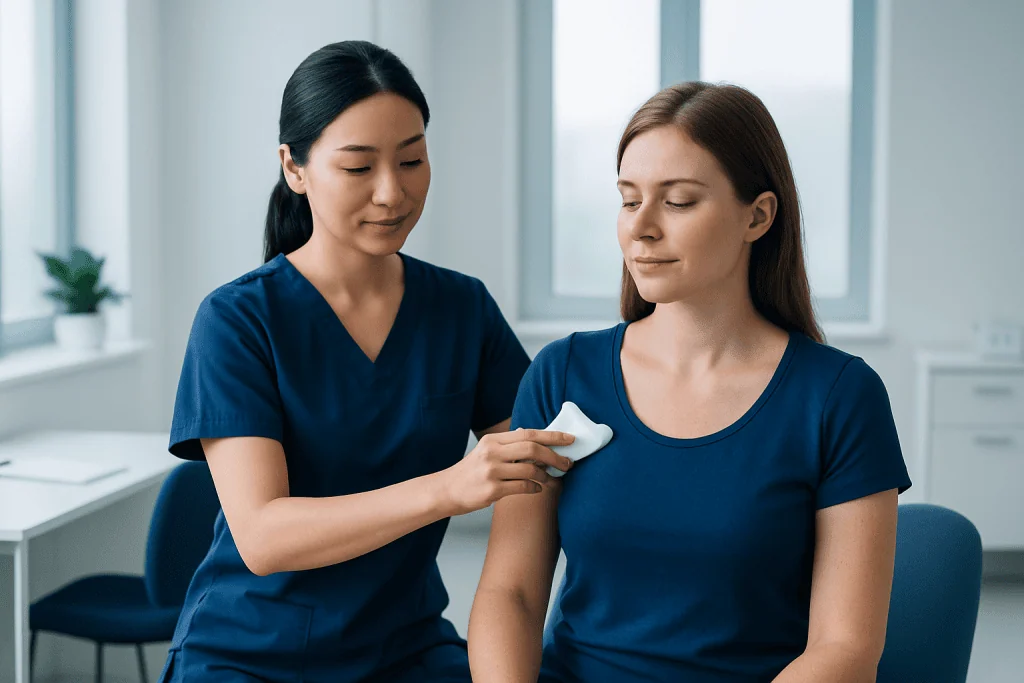
For body use, traditional gua sha is sometimes performed with firmer pressure and may intentionally leave red or purple marks known as petechiae or bruising. This approach is not appropriate for lymphatic drainage. Lymphatic-style techniques should use very light pressure because lymphatic vessels are close to the skin surface.
Gua Sha, Lymphedema, and Medical Lymphatic Care
Lymphedema is swelling caused by impaired lymphatic drainage. It may develop after lymph node surgery, radiation therapy, infection, trauma, congenital lymphatic differences, or other medical conditions. It often affects an arm or leg, but can occur in other areas of the body. It needs individualized assessment because untreated swelling can affect comfort, mobility, skin health, and daily activities.
Gua sha is not a substitute for lymphedema care and should not be used over an area of known or suspected lymphedema unless a clinician with relevant expertise advises it. Management may include skin care, exercise guidance, compression, and specialized manual lymphatic drainage delivered by trained professionals. People concerned about persistent limb swelling can learn more about lymphedema and the importance of a tailored treatment plan.
Medical evaluation is especially important after cancer treatment, when new swelling should not be assumed to be routine. A healthcare professional can identify possible causes and recommend safe rehabilitation or vascular assessment when needed.
How to Use Facial Gua Sha More Safely
Before starting, the skin and tool should be clean. Applying a simple facial oil, moisturizer, or serum that is well tolerated can reduce friction. The tool should glide easily; dragging the skin or pressing hard is unnecessary and may cause irritation, broken capillaries, or bruising.
For a facial routine, use broad, slow strokes from the center of the face outward toward the hairline and ears. On the neck, use very light strokes moving down toward the collarbone. Avoid pressing directly on the front of the throat. The under-eye area is delicate, so only minimal pressure should be used, if it is used at all.
- Hold the tool nearly flat against the skin rather than using its edge sharply.
- Use light pressure and stop if there is pain, burning, marked redness, or bruising.
- Keep the routine brief and gentle rather than repeating many passes over one area.
- Wash the tool after each use and allow it to dry fully.
- Do not share a gua sha tool, particularly if there are active skin concerns.
People who are unsure about technique may ask a dermatologist, physiotherapist, or other qualified clinician for advice. A professional can also help distinguish cosmetic facial puffiness from swelling that warrants medical evaluation.
Who Should Avoid Gua Sha or Check With a Clinician First
Gua sha should not be performed over broken skin, sunburn, active acne lesions, eczema flares, rashes, cold sores, or suspected skin infection. Pressure and repeated friction can worsen inflammation and may spread infection. After cosmetic procedures, including injectables, chemical peels, laser treatments, or surgery, it is important to follow the treating clinician’s aftercare instructions before using massage tools.
People who bruise easily, have a bleeding disorder, take anticoagulant or antiplatelet medicines, or have very fragile skin should seek medical advice before using gua sha. Firm body scraping can increase the risk of bruising and skin injury. Gentle facial use may still not be suitable for every individual.
Gua sha should also be avoided over a painful, warm, red, or suddenly swollen limb. These features can occur with conditions requiring prompt assessment, such as infection or a blood clot. It should not be used over varicose veins, enlarged lymph nodes, known tumors, or areas with reduced sensation without clinician guidance.
Supportive Habits for Normal Fluid Balance
For otherwise healthy people with occasional mild facial puffiness, basic habits can be more useful than intensive massage. Adequate sleep, regular movement, hydration according to individual needs, and limiting excess alcohol or highly salty meals may help reduce day-to-day fluid fluctuations. Elevating the head slightly during sleep may help some people who wake with facial puffiness.
Gentle physical activity supports circulation and normal lymph movement through muscle contraction. Slow breathing, walking, and mobility exercises can be reasonable additions to a wellness routine. These measures do not replace medical treatment when swelling is persistent, one-sided, progressive, or associated with other symptoms.
Skincare should remain simple when using a gua sha tool. Fragrance-free products may be preferable for sensitive skin, and new products should be introduced one at a time. If puffiness is linked to allergies, sinus symptoms, or a skin condition, addressing the underlying cause with a healthcare professional is more appropriate than relying on gua sha alone.
When to Seek Medical Care
Medical advice should be sought for swelling that is new, persistent, worsening, one-sided, or unexplained. A clinician should also assess swelling that follows surgery, cancer treatment, an injury, or an infection. They can determine whether the cause is related to lymphatic, venous, cardiac, kidney, thyroid, allergic, or other health factors.
Urgent medical assessment is needed for sudden swelling of one leg or arm, especially if it occurs with pain, warmth, redness, chest pain, shortness of breath, dizziness, or coughing blood. These symptoms can have several causes, including serious conditions that should not be managed with massage or home treatments.
Acibadem International’s multidisciplinary specialists and JCI-accredited hospitals diagnose and treat conditions associated with swelling for international patients. A qualified medical team can advise whether rehabilitation, vascular evaluation, dermatology care, or another approach is appropriate.
Frequently asked questions
Does gua sha really help lymphatic drainage?
Gentle gua sha may temporarily reduce the appearance of mild facial puffiness for some people. However, there is limited evidence that it significantly improves lymphatic drainage, and it is not a treatment for lymphedema or other medical causes of swelling.
How often can gua sha be used for facial puffiness?
A brief, gentle routine may be used if the skin remains comfortable and free from irritation. Daily use is not necessary, and the tool should not cause pain, bruising, or prolonged redness. People with sensitive or inflamed skin may need to avoid it entirely.
Should gua sha strokes go up or down for lymphatic drainage?
For cosmetic facial use, strokes are generally moved gently from the center of the face outward. The neck is commonly stroked lightly downward toward the collarbone. Technique should remain gentle, and people with swelling or prior lymph node treatment should obtain professional guidance.
Can gua sha make swelling worse?
Yes. Excess pressure can irritate the skin, cause bruising, and worsen inflammation. Massage may also be unsafe if swelling is due to infection, a blood clot, injury, or a lymphatic condition, which is why unexplained swelling should be medically assessed.
Can gua sha treat lymphedema after cancer treatment?
No. Gua sha should not be used as a treatment for lymphedema after cancer treatment. Specialized assessment and care may include compression, skin care, exercise, and manual lymphatic drainage from a trained professional.
What should be used with a gua sha tool?
A simple moisturizer, facial oil, or serum that allows the tool to glide without pulling the skin can be used. The product should suit the person's skin type and should not be applied over broken, infected, or actively inflamed skin.
References
- National Cancer Institute
- National Lymphedema Network
- International Society of Lymphology
- American Academy of Dermatology Association
- National Health Service
This article is for general information only and is not a substitute for professional medical advice. Please consult a qualified doctor about your individual situation.
Explore treatments in Turkey — costs, top hospitals & a free quote
JCI-accredited · board-certified surgeons · reply within 24h
Add us as a Preferred Source to see more of our trusted health content across Google Search, AI Overviews and Discover.