Gua Sha Massage: An Evidence-Based Guide for Patients
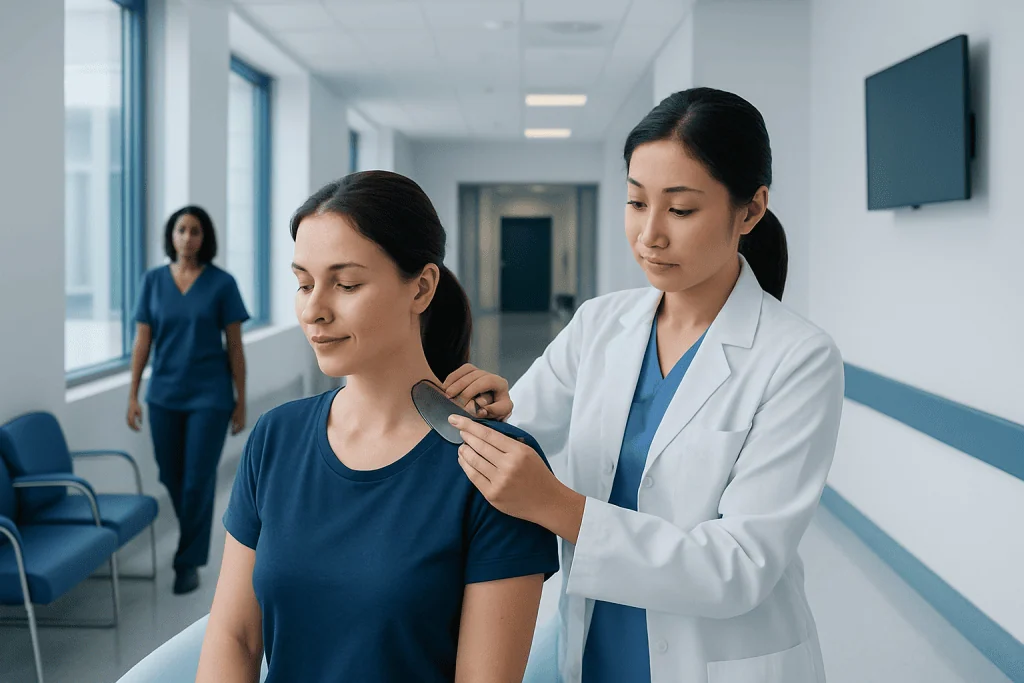
Gua sha massage involves repeated skin strokes with a smooth tool, usually over oiled skin. It may provide short-term relief of muscle tension or localized pain in some people.
Key Takeaways
- Gua sha massage involves repeated skin strokes with a smooth tool, usually over oiled skin.
- It may provide short-term relief of muscle tension or localized pain in some people.
- Redness and small broken capillaries are common after treatment and usually fade over days.
- It is not suitable for everyone, especially people with bleeding disorders, skin infections, open wounds, or blood-thinner use unless a clinician advises otherwise.
- Persistent pain, severe swelling, numbness, fever, or unexplained bruising should be evaluated by a doctor rather than self-treated.
Gua sha massage is a traditional manual therapy that uses a smooth-edged tool to stroke the skin and create temporary redness or bruising-like marks. Some people use it for muscle tightness, neck or shoulder discomfort, and relaxation, but evidence is still limited and it should be used carefully, especially in people with medical conditions that affect bleeding or skin health.
What is gua sha massage?
Gua sha massage is a hands-on technique in which a practitioner or individual uses a smooth-edged tool to apply repeated strokes across lubricated skin. The pressure is usually firmer than a standard relaxation massage, and the goal is often to reduce a feeling of tightness, promote comfort, or support short-term pain relief in a specific area such as the neck, shoulders, back, arms, or legs.
The method comes from traditional East Asian healing practices, but today it is also used in wellness settings, sports recovery, and home self-care. Body gua sha is different from the gentler facial version often discussed in beauty routines. On the body, the strokes are deeper and commonly leave temporary red, purple, or brownish marks caused by superficial capillary bleeding under the skin.
For patients, the key point is that gua sha massage is not a cure for underlying disease. It may be used as a complementary technique for symptom relief, but ongoing pain, repeated injuries, or unexplained symptoms should still be medically assessed. In some cases, what seems like routine muscle tension can overlap with conditions such as a herniated disc or fibromyalgia, which need a different treatment plan.
How gua sha works and what the evidence shows
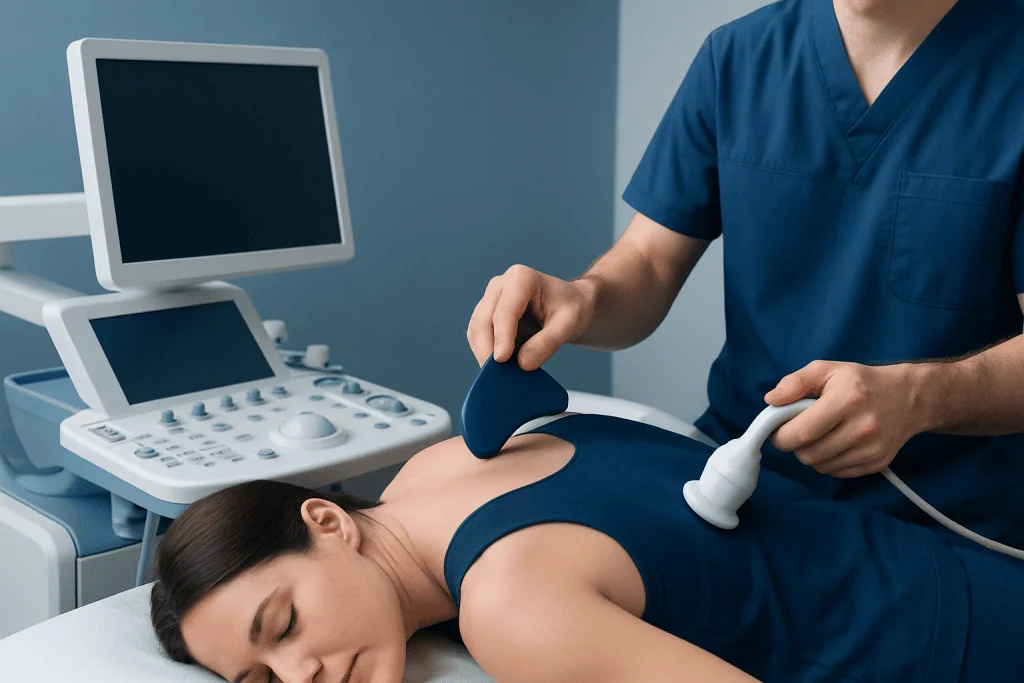
Researchers do not fully agree on exactly how gua sha works, but several mechanisms are proposed. The scraping motion may increase local blood flow, stimulate sensory nerves in the skin and fascia, and temporarily change how the body processes pain signals. Some people also find the treatment relaxing, which can indirectly reduce the sense of tension and discomfort.
Current evidence suggests that gua sha massage may help some patients with short-term relief of muscle pain or stiffness, especially in the neck, shoulders, or back. However, most studies are small, vary in quality, and use different treatment methods, making it hard to draw strong conclusions. That means gua sha should be viewed as a supportive option rather than a proven stand-alone medical treatment.
Evidence is strongest for temporary symptom improvement rather than long-term change. If a patient has chronic pain, recurring sports strain, or reduced mobility, gua sha may be more useful when combined with an overall care plan. Depending on the cause, that plan may include supervised physical therapy and rehabilitation, exercise, posture correction, sleep support, stress management, and treatment of any underlying condition.
Possible benefits and realistic expectations

People most often try gua sha massage for muscle tightness, exercise-related soreness, tension headaches linked to neck strain, and general feelings of stiffness. Some also use it as part of wellness routines because the firm, repetitive strokes can create a sense of release in overworked tissues. A few patients report that movement feels easier for a short time after treatment.
Even when gua sha feels helpful, expectations should remain realistic. Benefits are usually temporary, and one session does not correct structural problems, inflammatory disease, nerve compression, or poor movement patterns. If pain returns quickly or becomes more frequent, the person may need a medical review to look for a more specific diagnosis.
Patients may be especially interested in gua sha when discomfort is related to desk work, prolonged sitting, or mild overuse. In these situations, lasting improvement often depends on addressing the cause as well as the symptom. Helpful measures may include stretching, strengthening, ergonomic changes, and treatment for related pain disorders, including evaluation in a pain management program when symptoms are persistent.
- Possible short-term benefits: reduced muscle tension, temporary pain relief, improved comfort with movement, and relaxation.
- Less certain benefits: long-term pain control, treatment of deep tissue injury, or improvement of a specific medical diagnosis.
- Best used as a complement to, not a substitute for, professional medical care when symptoms are ongoing.
What happens during a session and what the marks mean
During gua sha massage, oil or lotion is usually applied to reduce friction. A smooth tool made of stone, metal, ceramic, or another hard material is then drawn repeatedly over the skin in one direction using short or long strokes. Pressure may range from gentle to firm depending on the body area and the aim of the session.
Many people notice warmth, tenderness, and visible color changes soon afterward. These marks are common and are sometimes called “sha.” They are not the same as an injury from a blow, but they do reflect tiny broken blood vessels under the skin. In most cases, the color fades over several days, though people with more sensitive skin may take longer to recover.
A session should not involve unbearable pain, skin tearing, or aggressive force. If a patient feels sharp pain, dizziness, nausea, or significant worsening of symptoms, the treatment should stop. Clean tools and proper skin hygiene are also important because broken skin or contaminated equipment can increase the risk of irritation or infection.
Risks, side effects, and who should avoid gua sha
The most common side effects of gua sha massage are temporary redness, tenderness, and bruise-like discoloration. Some people also develop swelling, sensitivity to touch, or mild soreness for a day or two. These effects are usually self-limited, but they can be more pronounced if the pressure is too strong or the skin is fragile.
Gua sha should be used with caution or avoided in people who bleed easily, take blood-thinning medication, have low platelet counts, have open wounds, recent burns, active skin rashes, skin infections, severe varicose veins, or recent fractures. It may also be inappropriate over areas of known cancer, fresh surgical sites, or unstable medical problems. People with diabetes-related nerve damage or reduced skin sensation may not feel excessive pressure and may be at higher risk of skin injury.
Pregnant patients, people with significant heart or vascular disease, and anyone with unexplained pain or extensive bruising should ask a qualified clinician before trying gua sha. It should never be used instead of urgent evaluation for red-flag symptoms. If symptoms are due to a deeper musculoskeletal problem, such as a serious soft-tissue injury or spinal issue, a doctor may recommend imaging, medication, or orthopedic rehabilitation rather than self-treatment alone.
- Avoid using gua sha over broken, infected, sunburned, or inflamed skin.
- Do not use it over a new injury with severe swelling or suspected fracture.
- Stop if there is severe pain, significant swelling, numbness, or spreading skin changes.
How to use gua sha more safely at home
Home gua sha is widely promoted online, but safe technique matters. The skin should be clean, the tool should be washed before and after each use, and a lubricant should be applied to reduce pulling. Pressure should start light and stay within a comfortable range. More force does not necessarily mean better results.
It is usually best to avoid repeated scraping of the same spot for long periods. Areas with thinner skin, prominent veins, active acne, moles, or irritated patches should be skipped. If someone is unsure whether a painful area is simple muscle tension or a possible injury, it is safer not to treat it until it has been assessed by a healthcare professional.
After gua sha massage, gentle hydration, rest, and avoiding further irritation to the area may help. People should monitor the skin over the next few days. If marks are extensive, unusually painful, or slow to fade, the treatment should not be repeated until a doctor has reviewed the cause.
- Use a smooth, clean tool and adequate oil or lotion.
- Choose broad muscle areas rather than bony prominences.
- Keep strokes controlled, not harsh or rapid.
- Do not share tools unless they are properly disinfected.
When to seek medical care
Gua sha massage is not the right response to every type of pain. Medical care is important if discomfort is severe, follows a fall or accident, wakes a person from sleep, keeps returning, or does not improve with rest and simple self-care. A doctor should also assess symptoms such as fever, unexplained weight loss, chest pain, shortness of breath, or pain that spreads with weakness or numbness.
Skin-related concerns also deserve attention. Medical advice is recommended if there is broken skin, warmth, pus, spreading redness, large blisters, severe swelling, or bruising that appears far out of proportion to the pressure used. Repeated unexplained bruising can signal a bleeding or blood-clotting problem rather than a normal response to treatment.
For ongoing musculoskeletal symptoms, a more complete assessment may be helpful. Acibadem International’s multidisciplinary specialists in JCI-accredited hospitals diagnose and treat international patients with pain, mobility problems, and related conditions, using rehabilitation, imaging, and specialist care when needed.
Frequently asked questions
Does gua sha massage really work?
Gua sha massage may help some people feel short-term relief from muscle tightness or localized pain. Evidence is promising but limited, so it is best considered a complementary technique rather than a proven treatment for all causes of pain.
Are the marks after gua sha normal?
Yes, temporary red or bruise-like marks are common after body gua sha because the technique affects tiny blood vessels near the skin surface. They usually fade over several days, but severe pain, major swelling, or signs of infection are not expected and should be checked by a doctor.
Can gua sha massage be harmful?
It can be harmful if it is done too aggressively, over injured or infected skin, or in someone with a bleeding risk. People taking blood thinners, those with clotting problems, and those with fragile skin should ask a clinician before trying it.
Is facial gua sha the same as body gua sha massage?
No. Facial gua sha is usually gentler and is often used in skincare routines, while body gua sha uses firmer strokes and more often leaves visible marks. The goals, pressure, and possible side effects are different.
How often should someone do gua sha massage?
There is no single schedule that suits everyone. It is generally sensible to allow the skin to recover fully between sessions and to avoid repeated treatment if it causes prolonged soreness or significant bruising.
Should gua sha replace physical therapy or medical treatment?
No. If a person has persistent pain, reduced function, numbness, weakness, or a suspected injury, gua sha should not replace evaluation and treatment by a qualified professional. It may be one part of a broader care plan when used appropriately.
References
- National Center for Complementary and Integrative Health
- World Health Organization
- Cleveland Clinic
- MedlinePlus
- American Academy of Dermatology
This article is for general information only and is not a substitute for professional medical advice. Please consult a qualified doctor about your individual situation.
Joint and spine care in Turkey — expert assessment & treatment
JCI-accredited · board-certified surgeons · reply within 24h
Add us as a Preferred Source to see more of our trusted health content across Google Search, AI Overviews and Discover.