

Guided Imagery: What Patients Need to Know

Guided imagery uses mental images, breathing, and sensory details to encourage relaxation and focused attention. It may support coping with stress, anxiety, pain, sleep difficulties, and some treatment-related symptoms.
Key Takeaways
- Guided imagery uses mental images, breathing, and sensory details to encourage relaxation and focused attention.
- It may support coping with stress, anxiety, pain, sleep difficulties, and some treatment-related symptoms.
- Evidence suggests benefits can vary; guided imagery should be used as a complement to, not a substitute for, medical or mental health treatment.
- A short practice can be done independently, with a recording, or with guidance from a trained healthcare professional.
- People with trauma-related symptoms, psychosis, or distressing intrusive thoughts should discuss guided imagery with a clinician before using it.
Guided imagery is a mind-body relaxation practice in which a person intentionally imagines calming, meaningful, or goal-focused scenes using several senses. It may help some people feel less stressed and more able to cope with symptoms or medical treatment, but it does not replace professional medical care.
What Is Guided Imagery?
Guided imagery is a structured relaxation technique that involves creating mental pictures of a place, experience, or outcome that feels safe, calming, or personally meaningful. A person may be guided by a healthcare professional, therapist, recording, or written script, or may create the images independently. The practice commonly combines slow breathing with attention to sights, sounds, smells, physical sensations, and emotions.
For example, a person might imagine walking along a quiet beach, sitting in a comfortable garden, or resting in a familiar room. The aim is not to deny difficult feelings or convince oneself that illness is absent. Instead, guided imagery can offer a brief period of focused calm and may help the body shift away from a stress response.
Guided imagery is sometimes described as a complementary or integrative health practice. It is often used alongside other approaches, such as breathing exercises, mindfulness, counselling, physical rehabilitation, and standard medical treatment. It should not be viewed as a cure for a health condition or as a replacement for prescribed medicines, procedures, or professional support.
How Guided Imagery May Affect the Mind and Body
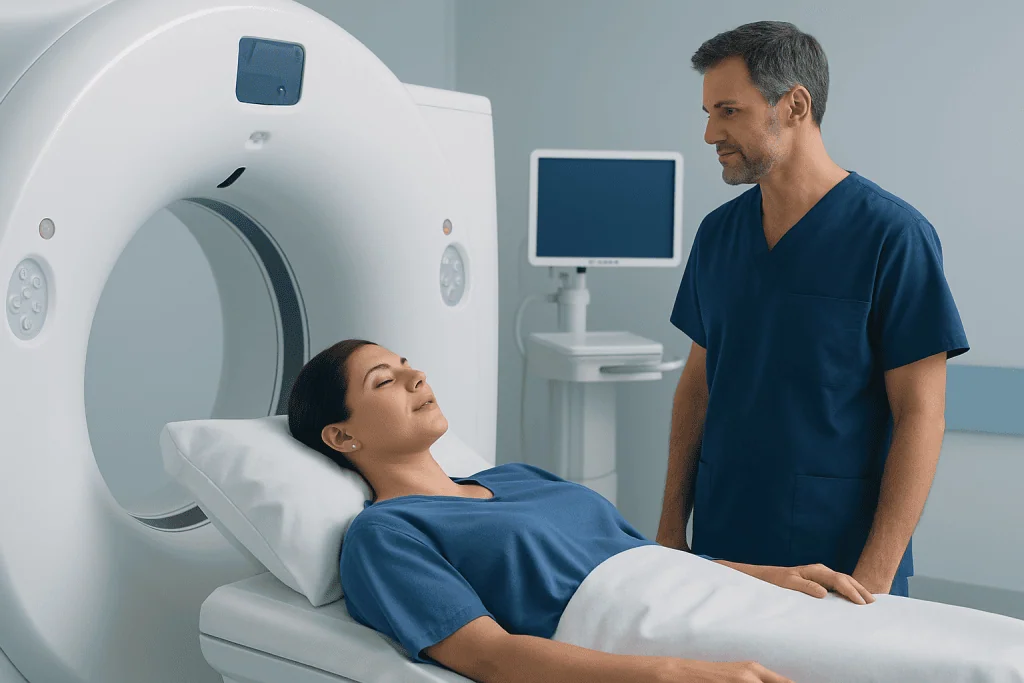
When a person is stressed, the body may become more alert: breathing can become faster, muscles may tense, and thoughts may feel harder to manage. Guided imagery encourages deliberate attention to a neutral or reassuring mental scene. Together with slow, comfortable breathing, this may promote a relaxation response and reduce the immediate sense of threat.
The images used do not need to be visually vivid to be helpful. Some people notice sounds, body sensations, words, or emotions more easily than pictures. A person who does not “see” a beach clearly, for instance, may still benefit from imagining the warmth of sunlight, the rhythm of waves, or the feeling of sitting safely in a quiet place.
Research on mind-body therapies suggests that guided imagery may help some people manage stress and emotional distress. Studies have also explored its use for pain, sleep, pre-procedure anxiety, and symptoms during serious illness. Results differ between individuals and settings, and the quality of evidence varies. Benefits are most realistic when guided imagery is considered one supportive tool within a broader care plan.
Possible Uses and Benefits

People may use guided imagery in everyday life to unwind after a demanding day, prepare for a difficult conversation, or settle before sleep. In healthcare settings, clinicians may suggest it before tests or procedures, during rehabilitation, or while managing the emotional demands of a long-term condition. The practice is generally intended to improve comfort and coping rather than change the underlying cause of a medical problem.
Potential areas in which guided imagery may be useful include stress, mild situational anxiety, muscle tension, difficulty relaxing, and concern around medical appointments. Some people also use it as part of a wider strategy for persistent pain or sleep problems. For example, relaxation-based techniques may be considered alongside assessment and treatment for chronic pain when appropriate.
Guided imagery may be particularly practical because it requires little equipment and can be adapted to an individual’s culture, memories, preferences, and abilities. However, it is not necessary to force a positive image. A scene should feel believable and safe. If an exercise increases worry, sadness, discomfort, or physical symptoms, stopping is appropriate.
- It may support a sense of calm before a medical appointment or procedure.
- It can provide a structured break from repetitive stressful thoughts.
- It may help a person practise slow breathing and notice physical tension.
- It can be used with, rather than instead of, clinician-recommended treatment.
How to Practise Guided Imagery Safely
A simple session usually takes five to 15 minutes. The person can choose a quiet setting, sit or lie in a comfortable position, and loosen anything restrictive. Beginning with several gentle breaths may help: inhaling comfortably, then allowing the exhale to be slow and unforced. The goal is ease, not perfect control of breathing or thoughts.
Next, the person can bring to mind a place that feels peaceful, secure, or restorative. It may be a real location, an imagined place, or a memory. Focusing on a few sensory details can make the experience more absorbing: what is visible, what sounds are present, what the air feels like, and what physical comfort is available. It can help to silently repeat a simple phrase such as “I can take this moment one breath at a time.”
At the end of the practice, attention should gradually return to the present by noticing the chair or bed, opening the eyes if closed, and taking a moment before standing. Regular short sessions may be easier to maintain than occasional long ones. Recordings can be useful, but people should avoid practising while driving, operating machinery, supervising a child in water, or doing any activity that requires full attention.
Choosing a Guide, Recording or Professional Support
Many people begin with an audio recording, a meditation app, or a brief script from a trusted health organization. A useful recording should use calm, non-judgmental language and allow the listener to adapt the image if needed. It should not promise that visualization can cure disease, eliminate pain, or replace medical care.
A psychologist, counsellor, nurse, rehabilitation professional, or clinician trained in integrative care may offer guided imagery as part of a broader treatment plan. Professional guidance may be especially helpful when a person is preparing for surgery, coping with cancer treatment, managing persistent symptoms, or finding it difficult to relax alone. The clinician can help tailor the practice to the person’s needs and ensure it fits safely with other care.
For people whose stress or anxiety significantly affects daily functioning, guided imagery may be one component of a fuller plan that includes assessment, talking therapy, lifestyle support, and, where appropriate, medication. It can be helpful to ask a healthcare professional which approaches are suitable and how progress will be reviewed.
Who Should Use Extra Caution?
Guided imagery is generally low risk for many people, but relaxation exercises are not comfortable for everyone. Closing the eyes, focusing inward, or recalling certain places can bring up unwanted memories or emotions. People who have experienced trauma may prefer to keep their eyes open, use a present-focused exercise, or work with a qualified mental health professional rather than follow a general recording alone.
People with psychosis, severe dissociation, or symptoms that involve difficulty distinguishing internal experiences from reality should consult their mental health clinician before practising imagery-based techniques. A personalized approach may be needed. Similarly, anyone who experiences panic, dizziness, worsening pain, or marked distress during a session should stop and discuss the reaction with a healthcare professional.
Guided imagery should never delay urgent evaluation of new or severe symptoms. Relaxation can reduce the feeling of stress, but it cannot determine whether symptoms have a medical cause. Continuing prescribed treatment and attending recommended follow-up appointments remain important.
When to Seek Medical Care
Medical advice is important when stress, anxiety, low mood, pain, or sleep problems persist, worsen, or interfere with work, relationships, self-care, or daily activities. A clinician can check for physical and mental health causes and recommend appropriate treatment. Guided imagery may then be used as a supportive strategy if it is suitable for the individual.
Urgent medical assessment is needed for symptoms such as chest pain, severe shortness of breath, fainting, sudden weakness, confusion, new speech difficulties, or thoughts of self-harm. These symptoms should not be managed with relaxation techniques alone. Emergency services or local urgent care should be contacted according to the situation.
Patients seeking coordinated care may discuss relaxation and supportive strategies with their medical team. Acibadem International’s multidisciplinary specialists and JCI-accredited hospitals diagnose and treat a wide range of health conditions for international patients, while helping patients understand how complementary approaches can fit safely alongside evidence-based care.
Frequently asked questions
Is guided imagery the same as meditation?
Guided imagery and meditation can overlap, but they are not identical. Guided imagery actively uses a chosen mental scene or sensory experience, while meditation may focus on breathing, present-moment awareness, a word, or observing thoughts without engaging with them. Some guided practices combine both methods.
Can guided imagery reduce anxiety?
Guided imagery may help some people feel calmer during periods of mild or situational anxiety by directing attention toward a reassuring experience and supporting slower breathing. It is not a replacement for assessment or treatment when anxiety is severe, persistent, or disruptive. A mental health professional can help determine the most appropriate care.
How long should a guided imagery session last?
A session can be as short as five minutes, especially for beginners or before a stressful appointment. Many people practise for 10 to 15 minutes when time allows. Consistency and comfort are generally more important than session length.
Can guided imagery help with pain?
Some people find that guided imagery helps them cope with pain by reducing stress, muscle tension, and the feeling of being overwhelmed. It does not treat all causes of pain or replace medical evaluation. Persistent, worsening, or unexplained pain should be assessed by a qualified clinician.
What if guided imagery makes a person feel worse?
The person should stop the exercise and return attention to the immediate environment, such as noticing objects in the room or placing both feet on the floor. Distressing reactions can occur, particularly for people with trauma histories or certain mental health conditions. Discussing the experience with a clinician or mental health professional is advisable.
Can guided imagery be used before surgery or a medical procedure?
It may help some patients feel more settled before a procedure, particularly when used alongside clear information and support from the healthcare team. Patients should tell their clinician about any complementary practices they use and follow all instructions regarding fasting, medication, and preparation. Guided imagery should not replace sedation, pain control, or other recommended medical measures.
References
- National Center for Complementary and Integrative Health
- American Psychological Association
- National Institutes of Health
- World Health Organization
This article is for general information only and is not a substitute for professional medical advice. Please consult a qualified doctor about your individual situation.
Explore treatments in Turkey — costs, top hospitals & a free quote
JCI-accredited · board-certified surgeons · reply within 24h
Add us as a Preferred Source to see more of our trusted health content across Google Search, AI Overviews and Discover.

More from the Health Library



Related Specialists

Prof. Dr. Süleyman Çetinkünar
General Surgery
Dr. Hüsnü Mert Arinalp
Anesthesiology
Prof. Dr. Göksel Dikmen
Orthopedic Surgery & Traumatology
Dr. Rüçhan Mutlu
Emergency Service