Gunshot Wound: An Evidence-Based Guide for Patients
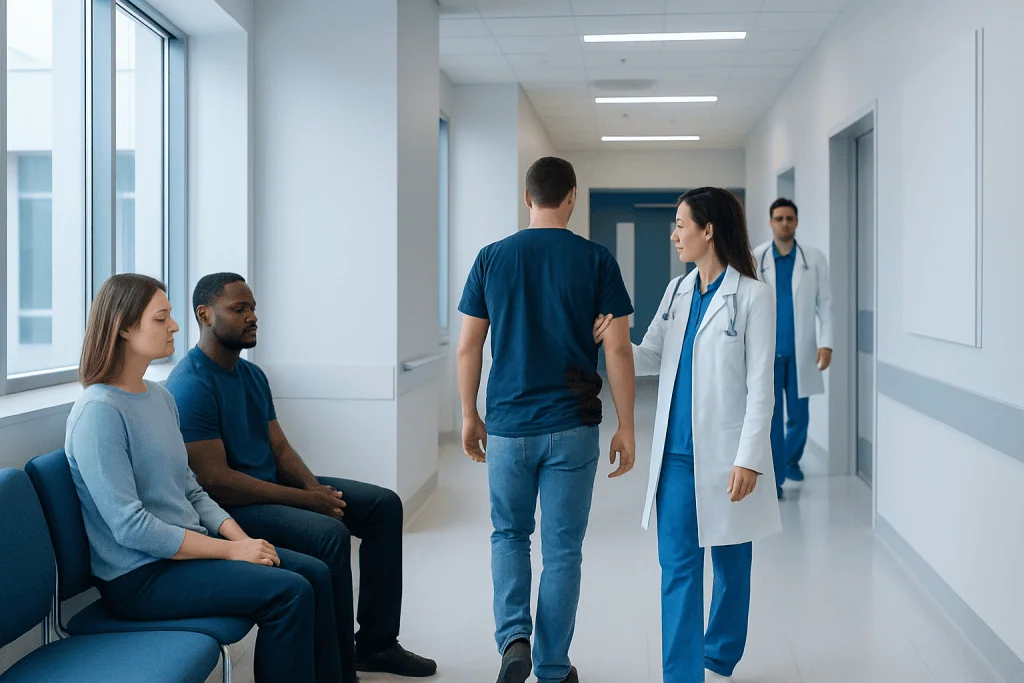
A gunshot wound can injure tissues, bones, nerves, blood vessels, and internal organs even when the external wound looks small. Immediate emergency care is essential, especially for heavy bleeding, trouble breathing, loss of consciousness, or wounds to the chest, abdomen, head, or neck.
Key Takeaways
- A gunshot wound can injure tissues, bones, nerves, blood vessels, and internal organs even when the external wound looks small.
- Immediate emergency care is essential, especially for heavy bleeding, trouble breathing, loss of consciousness, or wounds to the chest, abdomen, head, or neck.
- Hospital treatment may include wound cleaning, imaging, antibiotics, surgery, fracture care, blood transfusion, and rehabilitation.
- Recovery depends on where the bullet traveled, how much tissue was damaged, and whether infection, nerve injury, or organ injury occurred.
- Long-term follow-up may be needed for pain control, mobility, emotional recovery, and prevention of complications.
A gunshot wound is a medical emergency because the visible injury may not show how much damage lies underneath. Fast assessment, bleeding control, imaging, and specialist treatment help reduce complications and support recovery.
Overview
A gunshot wound is a penetrating injury caused when a bullet or bullet fragments enter the body. It is always treated seriously because the path of the projectile can damage skin, muscle, bone, blood vessels, nerves, and internal organs. In some cases, the entrance wound appears small while the injury inside the body is much more extensive.
The effect of a gunshot injury depends on several factors, including where the body was hit, how deeply the bullet traveled, whether it exited the body, and whether it injured vital structures. Damage may occur directly along the bullet’s path and indirectly from the force transferred to nearby tissues. Because of this, a person may look relatively stable at first and still have a life-threatening injury.
Doctors evaluate a gunshot wound in stages. First, they focus on life-saving priorities such as breathing, circulation, and bleeding control. After that, they assess the extent of injury with a physical examination and imaging tests. Treatment is then tailored to the affected body area and may range from wound care and observation to urgent surgery and intensive rehabilitation.
How a Gunshot Wound Affects the Body
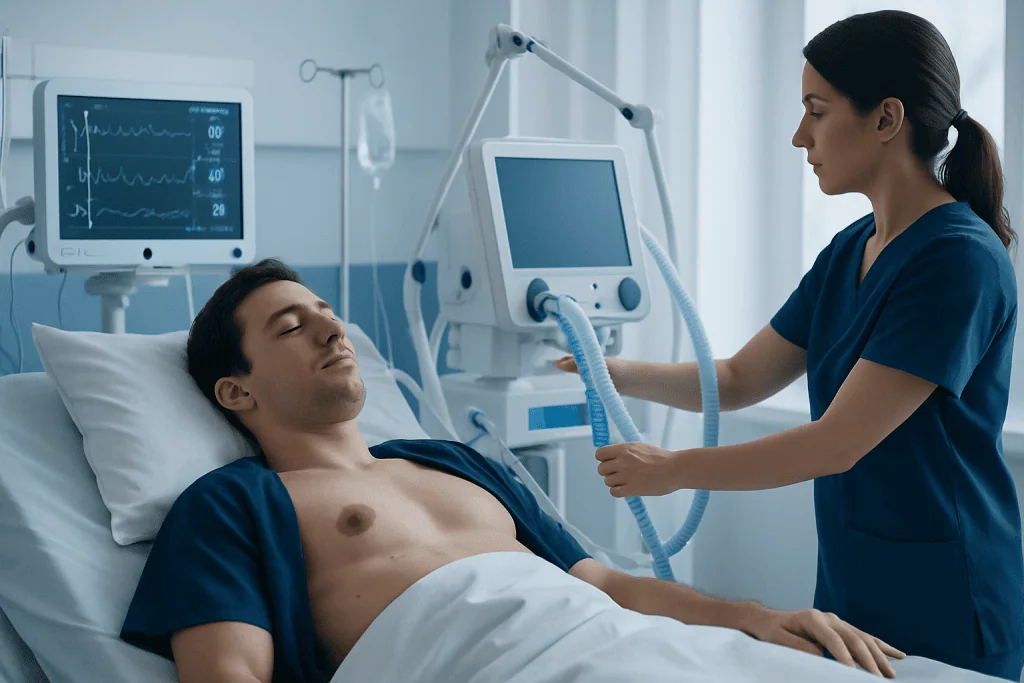
A bullet can injure the body in more than one way. The most obvious damage is the track made as it passes through tissue. However, the force of the impact can also stretch and bruise surrounding tissues. This means structures close to the bullet path may be injured even if they were not directly pierced.
Different parts of the body face different risks. A wound to an arm or leg may involve muscle, tendons, nerves, or bone and can cause severe bleeding. A wound to the chest can affect the lungs or heart and may lead to breathing problems. A wound to the abdomen can injure the liver, intestines, spleen, kidneys, or major blood vessels. Injuries to the head, neck, or spine are especially urgent because they can affect the brain, airway, or spinal cord.
Gunshot injuries are sometimes described as low-velocity or high-velocity injuries, but this distinction is less important for patients than understanding the practical point: any gunshot wound can be serious. The right medical response is not based on the size of the skin wound alone. It is based on symptoms, examination findings, and imaging that show what happened underneath.
Symptoms and Possible Complications
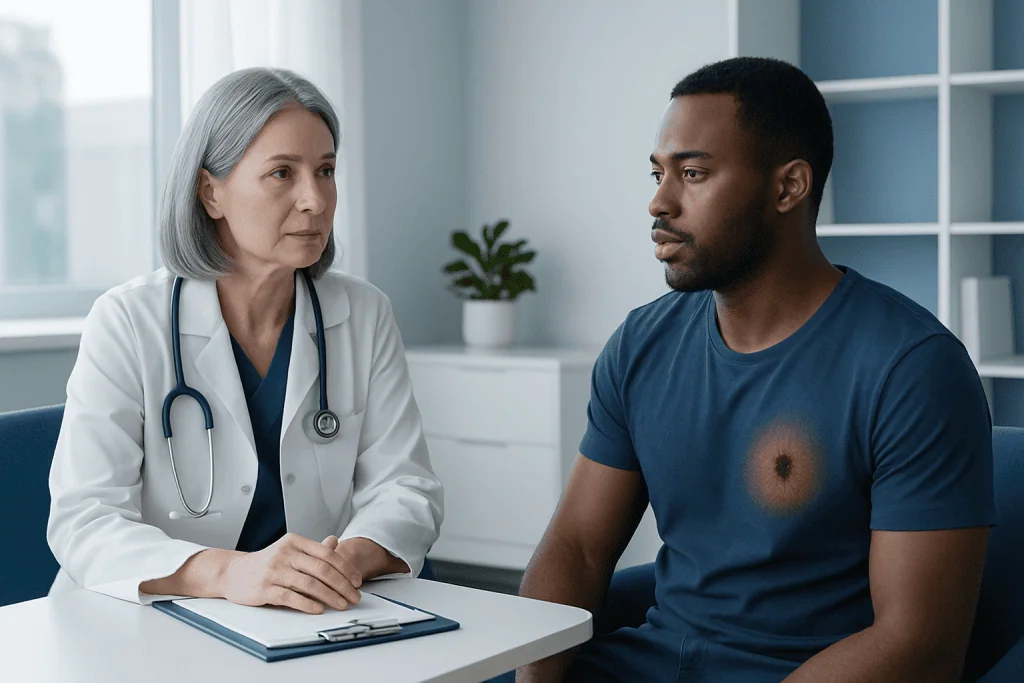
Symptoms of a gunshot wound vary by location and severity. Common signs include pain, bleeding, swelling, bruising, weakness, numbness, difficulty moving a limb, or visible tissue injury. If the bullet damaged a bone, there may be deformity or inability to bear weight. If nerves were injured, a person may notice tingling, loss of sensation, or reduced strength.
Some symptoms suggest a more urgent internal injury. These include shortness of breath, chest pain, coughing blood, severe abdominal pain, vomiting, confusion, dizziness, fainting, pale or clammy skin, or signs of shock. A person with a head injury may develop headache, vomiting, unequal pupils, drowsiness, or seizure. These symptoms require immediate emergency care.
Complications may develop early or later. Early concerns include major blood loss, collapsed lung, organ damage, fracture, and infection. Later complications can include chronic pain, poor wound healing, retained bullet fragments in select cases, nerve damage, limited joint movement, scarring, or emotional trauma such as anxiety, sleep disturbance, or symptoms of post-traumatic stress. If the injury affects the bones or spine, doctors may also evaluate for fracture-related complications.
Causes, Risk Factors, and Why Prompt Care Matters
The direct cause of a gunshot wound is penetration by a bullet or bullet fragments. What influences the severity is not only the projectile itself but also the part of the body involved and how quickly expert care is provided. Wounds that involve the chest, abdomen, head, neck, pelvis, or major joints can become critical very quickly.
Heavy bleeding is one of the main reasons prompt care matters. Blood vessel injury may be obvious when blood loss is visible, but internal bleeding can be harder to recognize. A person may become weak, confused, very thirsty, or short of breath as blood loss progresses. For this reason, emergency teams monitor blood pressure, pulse, oxygen level, mental status, and signs of reduced blood flow to tissues.
Prompt treatment also lowers the chance of preventable complications. Rapid wound assessment can identify injuries that need surgery, stabilize broken bones, support breathing, and reduce the risk of infection. Even when a person feels relatively well after the event, a medical evaluation is still important because some internal injuries do not cause immediate symptoms.
Diagnosis and Emergency Evaluation
In the emergency setting, doctors begin with trauma assessment. They make sure the airway is open, breathing is adequate, and bleeding is controlled. Clothing may be removed to examine the entire body for entrance and exit wounds or additional injuries. The medical team also checks circulation, neurologic status, and whether there are signs of shock.
Tests depend on the location of the wound and the person’s condition. Imaging may include X-rays to look for fractures or bullet fragments, ultrasound to assess internal bleeding, and CT scans to evaluate the chest, abdomen, pelvis, spine, or head. Blood tests may help detect blood loss, assess organ function, and prepare for transfusion if needed. In complex cases, consultation from trauma surgery, orthopedics, neurosurgery, vascular surgery, or other specialists may be required.
Doctors also look for associated injuries that may not be immediately visible. A wound near a major artery may require tests of blood flow. A hand, foot, or limb injury may need a detailed exam for tendon or nerve damage. A chest injury may be assessed for a collapsed lung, and an abdominal injury may need close observation or surgery. Related internal injuries may overlap with conditions such as internal bleeding, which can become life-threatening without rapid treatment.
Treatment Options
Treatment for a gunshot wound depends on the body area injured and the severity of tissue damage. Initial care often includes pressure to control bleeding, intravenous fluids, pain relief, tetanus prevention when appropriate, and antibiotics in selected cases. Wounds are carefully cleaned, but the deeper management plan depends on what imaging and examination show.
Some wounds need only cleaning, dressing changes, monitoring, and follow-up. Others require urgent procedures. Surgery may be necessary to stop bleeding, repair damaged organs, remove severely damaged tissue, stabilize fractures, or treat injuries to blood vessels, nerves, or the chest cavity. Depending on the situation, doctors may recommend trauma and emergency surgery, orthopedic surgery, or vascular surgery as part of coordinated care.
Not every retained bullet needs to be removed. Doctors decide this case by case based on location, symptoms, infection risk, and whether the bullet is affecting a joint, nerve, blood vessel, or organ. If the injury causes major soft-tissue loss, reconstructive procedures may sometimes be needed later. Patients with complex wounds may also benefit from physical therapy and rehabilitation to restore movement, strength, and function.
Hospital care continues after the immediate emergency has passed. The team watches for infection, compartment syndrome, delayed bleeding, blood clots, and problems with wound healing. Pain control, nutrition, mobility support, and mental health assessment are also important parts of recovery.
Recovery, Rehabilitation, and Self-care
Recovery after a gunshot wound can take days, weeks, or longer depending on the injuries involved. A superficial soft-tissue wound may heal relatively quickly, while bone, nerve, spinal, or organ injuries often need a much longer period of treatment and rehabilitation. Follow-up appointments are important to check healing, remove or change dressings, monitor infection, and assess movement and sensation.
At home, patients should follow wound-care instructions carefully. This may include keeping the area clean and dry, taking prescribed medicines as directed, and avoiding activities that strain the injured area. They should also watch for warning signs such as increasing redness, fever, drainage with a bad odor, worsening pain, swelling, numbness, or changes in skin color below the injury.
Rehabilitation often focuses on restoring function and preventing stiffness. Depending on the injury, physical therapy, occupational therapy, and pain management may all be part of the plan. Emotional recovery matters too. It is common to feel anxiety, poor sleep, irritability, or fear after a violent injury, and support from mental health professionals can be helpful.
For international patients with complex injuries, Acibadem International’s multidisciplinary specialists in JCI-accredited hospitals evaluate and treat trauma-related conditions with coordinated surgical, imaging, and rehabilitation care.
When to Seek Medical Care
A gunshot wound should be treated as an emergency. Emergency medical services should be contacted immediately for any suspected gunshot injury, even if the person is awake and talking. While waiting for help, the safest steps are to keep the person still if possible, apply firm pressure to severe external bleeding with a clean cloth if it is safe to do so, and avoid giving food or drink.
Urgent medical attention is especially important if there is heavy bleeding, trouble breathing, chest pain, severe abdominal pain, confusion, fainting, weakness in an arm or leg, loss of sensation, or injury to the head, neck, chest, abdomen, groin, or spine. A person should also be evaluated promptly if a wound becomes increasingly painful or swollen, or if signs of infection appear during recovery.
Even after hospital discharge, follow-up care should not be delayed if symptoms worsen. New fever, drainage, bleeding, color changes in a limb, increasing numbness, or difficulty walking can signal a complication that needs prompt treatment. If there is any doubt, contacting a qualified doctor or emergency service is the safest choice.
Frequently asked questions
Is every gunshot wound life-threatening?
Not every gunshot wound is life-threatening, but every gunshot wound needs urgent medical evaluation. A small skin wound can still hide serious damage to blood vessels, nerves, bones, or internal organs. Doctors determine severity through examination and imaging, not appearance alone.
What should someone do first if a person has a gunshot wound?
The first step is to call emergency services immediately. If it is safe, firm direct pressure can be applied to severe external bleeding with a clean cloth while waiting for help, and the injured person should be kept as still as possible. Food, drink, and unnecessary movement should be avoided.
Do doctors always remove the bullet?
No, doctors do not always remove a retained bullet. Removal depends on where it is located, whether it is causing symptoms, and whether it is near a joint, nerve, blood vessel, or vital organ. In some cases, leaving it in place is safer than surgery to remove it.
Can a gunshot wound cause problems later, even after initial treatment?
Yes. Possible later issues include infection, scarring, chronic pain, nerve problems, stiffness, limited movement, or emotional trauma. This is why follow-up visits and rehabilitation are often an important part of care.
How long does recovery from a gunshot wound take?
Recovery time varies widely. Minor soft-tissue injuries may improve within weeks, while injuries involving bones, nerves, organs, or the spine may require surgery and months of rehabilitation. The treating team can give the most accurate estimate based on the exact injuries.
What are signs of infection after a gunshot wound?
Warning signs can include increasing redness, warmth, swelling, pus or foul-smelling drainage, fever, and worsening pain. These symptoms should be reported to a doctor promptly. Early treatment can help prevent deeper or more serious infection.
This article is for general information only and is not a substitute for professional medical advice. Please consult a qualified doctor about your individual situation.
Explore treatments in Turkey — costs, top hospitals & a free quote
JCI-accredited · board-certified surgeons · reply within 24h
Add us as a Preferred Source to see more of our trusted health content across Google Search, AI Overviews and Discover.
Check your numbers in seconds
BMI, calories, due date, blood pressure and 30+ more clinical calculators — free, instant, doctor-reviewed ranges.

More from the Health Library

Over the Counter Viagra: What Patients Need to Know

Less Lymphocytes: What Patients Need to Know
Colonoscopia: A Complete Medical Overview
Chest Acne: What Patients Need to Know
Pimples — Explained by Medical Evidence, Not Myths